
Juggling school, work, and a social life can feel like a lot. Sometimes, just looking at your study materials feels overwhelming. But what if there was a simple way to make studying feel less like a chore and more manageable? Enter the Pomodoro Technique. It’s a method that breaks down study time into focused bursts with built-in breaks, helping you stay sharp and avoid burnout. Lots of students find it super helpful, especially when exams are looming.
Key Takeaways
- The core of the Pomodoro Technique for studying involves working in 25-minute focused intervals, followed by 5-minute breaks. After four of these work-break cycles, you take a longer break of 15-30 minutes.
- Before you start, pick a specific study task, set your timer, and commit to focusing only on that task until the timer goes off. Then, take your short break.
- You can adjust the work and break times to fit your needs. Some people do better with 40-minute work sessions, while others prefer shorter ones. The key is finding what works for you.
- Using apps can help keep you on track, and it’s smart to plan your study sessions beforehand. Remember to be flexible if a task takes a bit longer than expected.
- The benefits of pomodoro for studying include better focus, improved time management, less procrastination, and better memory retention because your brain gets regular rest.
Understanding the Pomodoro Technique for Studying
What Is The Pomodoro Technique?
So, you’ve got a mountain of studying to do and feel like you’re drowning? I get it. It’s easy to get overwhelmed. That’s where the Pomodoro Technique comes in. Basically, it’s a way to break down your study time into manageable chunks. You work intensely for a set period, then take a short break. This simple rhythm helps keep your brain fresh and your focus sharp. It’s not about studying longer, it’s about studying smarter.
The Origin Of The Pomodoro Name
Ever wonder where "Pomodoro" comes from? It’s Italian for "tomato." Back in the late 1980s, a student named Francesco Cirillo was struggling to focus on his studies. He decided to use a tomato-shaped kitchen timer to keep himself on track. Each 25-minute work interval was like a little tomato-shaped sprint. And that’s how the name stuck!
Core Principles Of Pomodoro For Studying
The Pomodoro Technique is built on a few straightforward ideas that make it work so well for students:
- Focused Work Intervals: You commit to working on a single task for a set amount of time, usually 25 minutes. During this time, you aim for zero distractions. It’s all about deep concentration.
- Short, Regular Breaks: After each work interval, you take a short break, typically 5 minutes. This isn’t a time to check social media; it’s a chance to step away, stretch, or grab some water. Your brain needs this downtime.
- Longer Breaks After Cycles: After completing about four of these work-and-break cycles, you take a longer break, usually 15 to 30 minutes. This is your chance to really recharge before diving back in.
This structured approach helps prevent mental fatigue. Instead of staring at your books for hours on end, you’re working in short, effective bursts. It makes even the most daunting study tasks feel more approachable because you know a break is always just around the corner.
Implementing Pomodoro For Effective Study Sessions
Alright, so you’ve got the gist of what the Pomodoro Technique is all about. Now, let’s talk about actually putting it into practice for your study sessions. It’s not rocket science, but a little structure goes a long way.
Choosing Your Study Task
First things first, you need to know what you’re going to tackle. Don’t just sit down and think, "I need to study." That’s way too broad. Instead, break it down. Pick a specific chapter to read, a set of problems to solve, or even just a section of your notes to review. The key is to have a clear, single objective for each work interval. If a task feels too big, like writing an entire essay, break it down into smaller steps. Maybe the first Pomodoro is for outlining, the next for writing the introduction, and so on. This makes it feel way more manageable.
Setting Your Pomodoro Timer
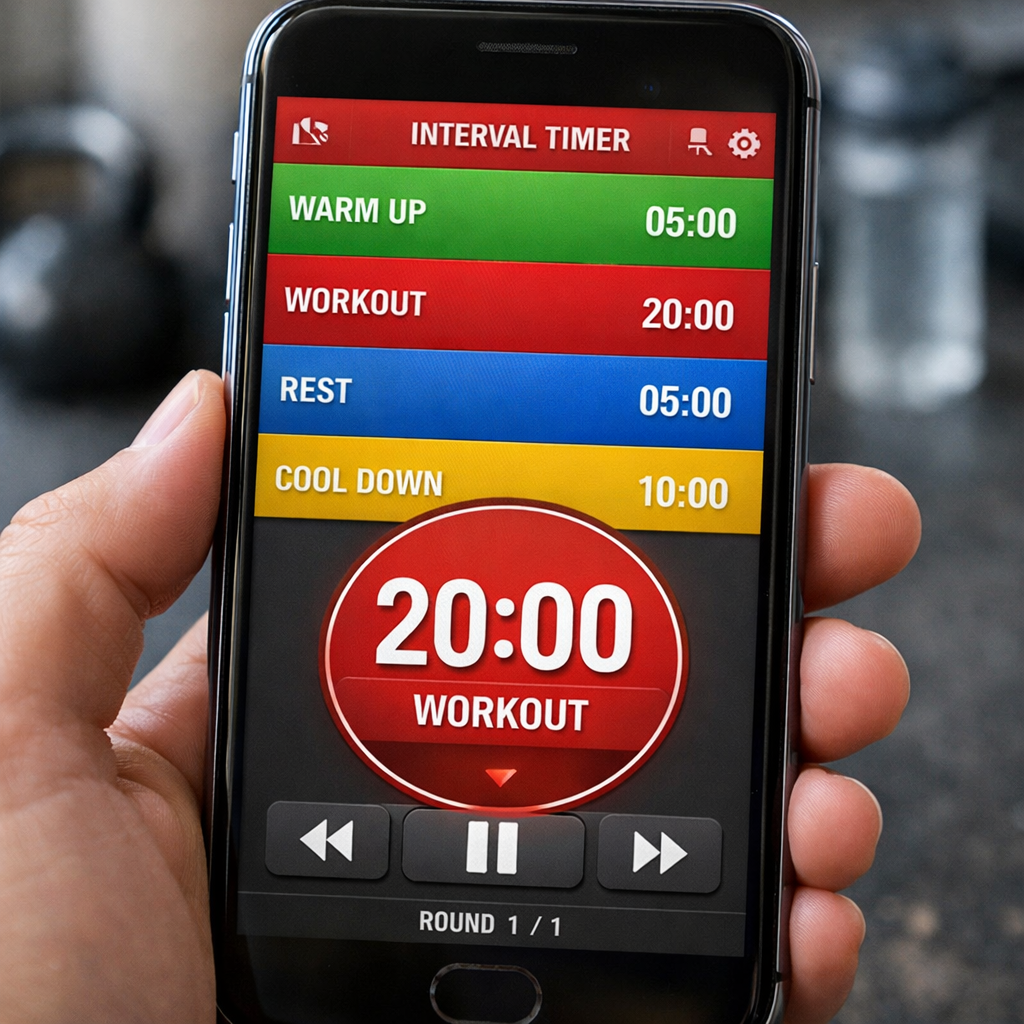
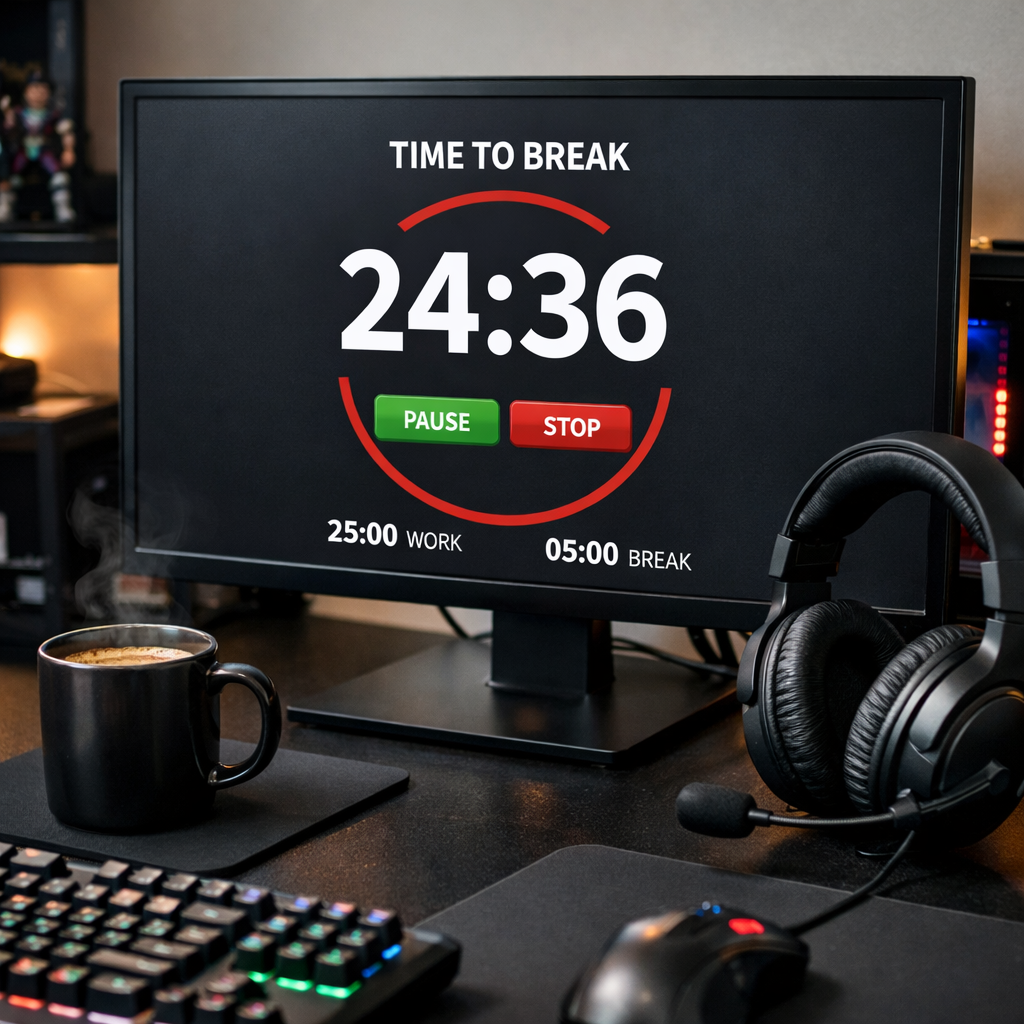
Once you know what you’re doing, it’s time to set the timer. The classic setup is 25 minutes of focused work, followed by a 5-minute break. You can use a physical kitchen timer (like the original tomato-shaped one!), your phone’s timer, or a dedicated app. Whatever you choose, make sure it’s easy to start and stop. The goal is to create a clear signal for when to start working and when to step away.
Working Through A Pomodoro Interval
This is where the magic happens. When that timer starts, you focus only on your chosen task. No checking emails, no scrolling through social media, no quick chats with roommates. If a distraction pops into your head – like remembering you need to buy milk – jot it down quickly on a piece of paper to deal with later. The idea is to train your brain to stay on task for that set period. It might feel tough at first, but it gets easier.
Taking Essential Breaks
When the timer rings, stop. Seriously, stop what you’re doing. This is just as important as the work interval. Use your 5-minute break to get up, stretch, grab some water, or just look out the window. Avoid doing anything mentally taxing or that could suck you in, like checking social media or starting a new conversation. The break is for your brain to rest and reset, so you can come back refreshed for the next interval. After about four of these work-break cycles, you take a longer break, usually 15-30 minutes, to really recharge before starting another round.
Here’s a quick look at the basic rhythm:
- Work Interval: 25 minutes (one Pomodoro)
- Short Break: 5 minutes
- Repeat: Four times
- Long Break: 15-30 minutes
Remember, the timer is your guide, not your master. If you’re really in the zone and a task is almost done, you might push a few minutes past the 25, but try not to make it a habit. The breaks are there for a reason, and they help prevent burnout over the long haul. You can find more tips on how to get started with the Pomodoro Technique online.
Maximizing Your Pomodoro Study Experience

So, you’ve got the Pomodoro Technique down – 25 minutes on, 5 minutes off. That’s a solid start. But how do you really make it sing? It’s not just about setting a timer; it’s about fine-tuning the whole process to fit you and your study goals. Think of it like tuning a guitar before a gig – you want it sounding just right.
Leveraging Digital Tools And Apps
Look, we live in a digital world, and there are tons of apps out there designed to make Pomodoro even easier. Forget fumbling with your phone’s stopwatch. Many apps let you customize your work and break times, track your progress, and even block distracting websites or apps during your focus intervals. Some can even integrate with your to-do lists, so you can assign a certain number of Pomodoros to each task. It’s like having a personal study assistant right on your device.
Customizing Your Pomodoro Intervals
While the classic 25-minute work interval is a good starting point, it’s not set in stone. Some people find they can focus for longer, maybe 40 or even 50 minutes, especially for tasks that require deep concentration. Others might do better with shorter bursts, like 15 or 20 minutes, if they’re easily distracted or working on something less demanding. The key is to experiment. Try different lengths and see what feels most productive for you. Don’t be afraid to adjust the break times too – maybe you need a bit longer to truly reset.
Here’s a quick guide to adjusting your intervals:
- Beginners: Start with the standard 25-minute work, 5-minute break. Get comfortable with the rhythm.
- Deep Work: For tasks needing intense focus, try 40-50 minute work intervals with 10-minute breaks.
- Short Bursts: If you’re easily sidetracked or doing quick reviews, 15-20 minute intervals might be better.
- Longer Sessions: After four Pomodoros, always take a substantial break of 15-30 minutes. This is non-negotiable for preventing burnout.
Planning Your Study Sessions
Before you even start your first Pomodoro, take a few minutes to plan. What exactly are you going to work on during each interval? Break down big assignments into smaller, manageable chunks. Instead of writing "Study for History Exam," try "Review Chapter 3 notes" or "Complete practice questions for Chapter 3." This makes your goals clearer and less intimidating. Having a clear plan means you can jump right into your work when the timer starts, without wasting precious focus time figuring out what to do next.
The most effective study sessions aren’t just about putting in the time; they’re about making that time count. By planning your tasks and knowing what you’ll tackle in each Pomodoro, you remove the guesswork and get straight to productive work.
Staying Flexible With Your Schedule
Life happens, right? Sometimes a task takes longer than you expected, or an unexpected interruption pops up. That’s okay. The Pomodoro Technique is a tool, not a rigid rulebook. If you’re in the middle of something important and the timer goes off, you can choose to finish that thought or section before taking your break. Just make sure you don’t let this become a habit that eats into your break time. Similarly, if you’re on a roll and feel like you can do another 25-minute interval without losing focus, go for it. The goal is to be productive and avoid burnout, not to blindly follow a clock.
The Benefits Of Pomodoro For Academic Success
So, you’re wondering if this whole Pomodoro thing is actually worth it for your studies? I get it. It sounds simple, maybe even a little too simple. But honestly, sticking to those timed work sprints and short breaks can really make a difference in how you learn and how much you get done. It’s not just about ticking boxes; it’s about making your brain work with you, not against you.
Enhanced Focus And Concentration
This is probably the biggest win. When you know you only have 25 minutes to really buckle down, it’s easier to push distractions aside. That notification ping? That urge to check social media? You can tell yourself, ‘Just 25 more minutes.’ This focused burst helps you get into a flow state where you’re actually absorbing the material, not just staring at it. It’s like giving your brain a clear mission: ‘Focus on this one thing, and only this one thing, for a short while.’
Improved Time Management Skills
Before Pomodoro, I used to just sit down and hope for the best, often losing track of time. Now, I break down my study tasks into these 25-minute chunks. It makes big assignments feel way less scary. You start to get a feel for how long different types of tasks actually take. This helps you plan your study schedule more realistically. You can even start to estimate how many ‘Pomodoros’ a chapter or an assignment might need.
Here’s a quick look at how it can help:
- Task Breakdown: Turns overwhelming projects into manageable steps.
- Time Awareness: You become more conscious of how long tasks take.
- Schedule Planning: Allows for more accurate and achievable study plans.
Combating Procrastination Effectively
Procrastination is the worst, right? The Pomodoro Technique tackles it head-on. The 25-minute timer makes starting a task feel less daunting. It’s just 25 minutes! Often, once you get started, you find yourself wanting to keep going. It’s that initial hurdle that’s the hardest, and Pomodoro helps you leap over it.
The trick is to commit to just starting. The timer is your ally, not your enemy. It gives you a clear endpoint for focused effort, making the beginning of any task feel less like a cliff dive and more like a gentle slope.
Better Information Retention
Those short breaks aren’t just for resting your eyes; they’re for letting your brain process what you just learned. When you come back after a break, you’re often able to recall information more clearly. This cycle of focused learning and short breaks helps move information from short-term to long-term memory more efficiently. It prevents that feeling of studying for hours only to realize you can’t remember anything later.
Troubleshooting Common Pomodoro Challenges

Even with a great system like Pomodoro, things don’t always go perfectly. It’s totally normal to hit a few bumps along the way. The good news is, most of these issues have pretty straightforward fixes.
Addressing Overly Large Tasks
Sometimes, a task just feels too big to tackle in a single 25-minute block, or even a few. Trying to "write my entire research paper" in one go is a recipe for feeling overwhelmed. The trick here is to break it down. Think about the smallest possible step you can take. Instead of "write paper," maybe it’s "outline the introduction," or even "write the first sentence of the introduction." You can list these smaller steps and assign each one a Pomodoro. This makes progress feel more manageable and less daunting.
- Break it down: Divide big projects into the smallest actionable steps.
- Estimate: Guess how many Pomodoros each small step might take.
- Prioritize: Focus on completing one small step at a time.
Minimizing Digital Distractions
This is a big one for most of us. Your phone buzzes, a notification pops up on your computer, or you get that urge to "just quickly check" social media. These little interruptions can completely derail your focus. The best approach is to be proactive. Turn off notifications, close unnecessary tabs, and maybe even put your phone in another room or use an app blocker. Treat your Pomodoro session like an important meeting – no interruptions allowed.
- Silence phone notifications or put it on airplane mode.
- Close all non-essential browser tabs and applications.
- Consider using website blockers during your study times.
The goal is to create a focused environment where your attention isn’t constantly being pulled away. Even a few seconds of distraction can break your flow and make it harder to get back on track.
Making Breaks Truly Restorative
Breaks are supposed to be a time to recharge, but it’s easy to fall into the trap of using them for more screen time, like scrolling through social media or checking emails. This isn’t really resting your brain. Instead, use your breaks to actually step away from your devices. Get up, stretch, walk around, grab a glass of water, or just look out the window. Give your eyes and your mind a real chance to relax and reset before the next work interval.
- Physical movement: Stand up, stretch, or take a short walk.
- Hydration: Drink some water or herbal tea.
- Mindful rest: Close your eyes, practice deep breathing, or simply gaze out a window.
Reflecting On Your Progress
After a Pomodoro session, or at the end of a study block, take a minute to think about how it went. Did you stay focused? Were there interruptions? Did the task take longer than you thought? Jotting down a quick note about what worked and what didn’t can be super helpful. This reflection helps you adjust your approach for the next session and makes the whole technique more effective over time. It’s like a mini-review to help you improve your study habits.
Integrating Pomodoro With Other Study Methods
The Pomodoro Technique is a fantastic tool on its own, but it really shines when you pair it with other proven study strategies. Think of Pomodoro as the engine that keeps your study sessions running smoothly, while these other methods are like the advanced navigation systems that help you reach your destination more effectively. Combining them can make your learning stickier and more efficient.
Active Recall With Pomodoros
Active recall is all about testing yourself. Instead of just rereading notes, you try to pull information from your memory. This is where Pomodoro comes in handy. You can dedicate a 25-minute Pomodoro session to actively recalling information. For example, after reading a chapter, set your timer and try to write down everything you remember about a specific topic without looking at your notes. Then, use the rest of the Pomodoro to check your answers and fill in the gaps. This makes your recall practice focused and prevents you from getting lost in endless rereading.
Spaced Repetition And Pomodoro Cycles
Spaced repetition means reviewing material at increasing intervals over time. It’s a powerful way to move information from short-term to long-term memory. You can use Pomodoro cycles to structure your spaced repetition. For instance, you might review new material for one Pomodoro, then revisit it in another Pomodoro later that day. The next day, you might do a quick review in a single Pomodoro. Over time, you’ll schedule Pomodoros for reviewing older material, ensuring you’re consistently reinforcing what you’ve learned without feeling overwhelmed.
Dual Coding For Memory
Dual coding is about using both words and visuals to learn. When you create diagrams, mind maps, or even simple sketches alongside your notes, you’re engaging different parts of your brain. You can integrate this into your Pomodoro sessions. During a Pomodoro, you might focus on reading a section and then spend the next Pomodoro creating a visual representation of that information. This combination helps solidify the material in your memory.
The Feynman Technique Application
The Feynman Technique involves explaining a concept in simple terms, as if you were teaching it to someone else. This process quickly reveals what you don’t truly understand. Here’s how to use it with Pomodoro: Dedicate a Pomodoro session to explaining a topic out loud or writing it down simply. Identify any areas where you stumble or use jargon you can’t simplify. Then, use your next Pomodoro to go back to your source material and clarify those specific points. This iterative process of explaining and refining is incredibly effective for deep learning.
When you combine the focused bursts of the Pomodoro Technique with active learning strategies like recall, spaced repetition, dual coding, and the Feynman Technique, you’re not just studying; you’re building a robust understanding that lasts. It turns passive reading into active engagement, making your study time much more productive.
Wrapping Up Your Study Game
So, that’s the Pomodoro Technique in a nutshell. It’s not some magic bullet, but it’s a really solid way to get more done without feeling totally wiped out. You just work for a bit, then you take a break. Simple, right? Try it out for a few days. See if those 25-minute bursts help you focus better than just staring at your books for hours. You can tweak the times if you need to, the main thing is to find what works for you. It’s all about making your study time work smarter, not just harder, and actually having some energy left over for, you know, life.
Frequently Asked Questions
What exactly is the Pomodoro Technique?
Think of it like a study timer that helps you focus. You work hard for a set amount of time, usually 25 minutes, and then you take a short break. It’s like sprinting through your work instead of jogging!
Why is it called ‘Pomodoro’?
The name comes from the Italian word for tomato, ‘pomodoro.’ The person who came up with this method used a tomato-shaped kitchen timer to keep track of his study times way back when.
How do I start using this for my homework?
It’s super simple! First, pick one specific thing you need to study. Then, set a timer for 25 minutes and work only on that task. When the timer rings, take a 5-minute break. After you do this four times, take a longer break, like 15 to 30 minutes.
What are the biggest benefits for students?
It really helps you concentrate better because you’re not studying for too long without a break. It also makes it easier to get started on tasks, so you procrastinate less, and it helps you remember stuff better because your brain isn’t totally worn out.
Can I change the 25-minute work time?
Totally! While 25 minutes is the classic time, you can totally adjust it. Some people find 40 minutes of work with a 10-minute break works better for them. The main idea is to have focused work periods followed by breaks.
What should I do during my breaks?
Definitely don’t just scroll through your phone! Get up, stretch, walk around, grab a drink of water, or look out the window. The goal is to give your brain a real rest so you can come back refreshed and ready to focus again.