
Studying in a group can feel chaotic. Too many voices, too many distractions, and the clock keeps ticking. Enter the pomodoro timer for study groups. It breaks the chaos into bite‑size focus bursts that keep everyone on track. In this guide you’ll learn how to set up the timer, pick the right goals, run your first session, track progress, and keep the momentum going.
We’ll walk through each step with real examples, actionable tips, and a quick verdict on the best app for groups.
Here’s the research hook that sparked this guide: An analysis of just three popular pomodoro timer apps across two web sources reveals that while every app offers a free tier, only one provides customizable session lengths, a surprising gap for tools marketed to study groups.
| Name | Free Tier | Best For | Source |
|---|---|---|---|
| Focus Keeper (Our Pick) | Yes | Best for customizable sessions | focuskeeper.co |
| Pomodor | Yes | Best for simple, no‑frills focus | zapier.com |
| Forest | Yes | Best for gamified motivation | zapier.com |
Methodology: Multi‑source aggregation was performed on April 14, 2026, scraping three pomodoro timer apps from two web sources (focuskeeper.co and zapier.com). Data fields collected included name, custom session support, free‑tier availability, and source attribution. Sample size: 3 items analyzed.
Step 1: Set Up the Pomodoro Timer for Your Group
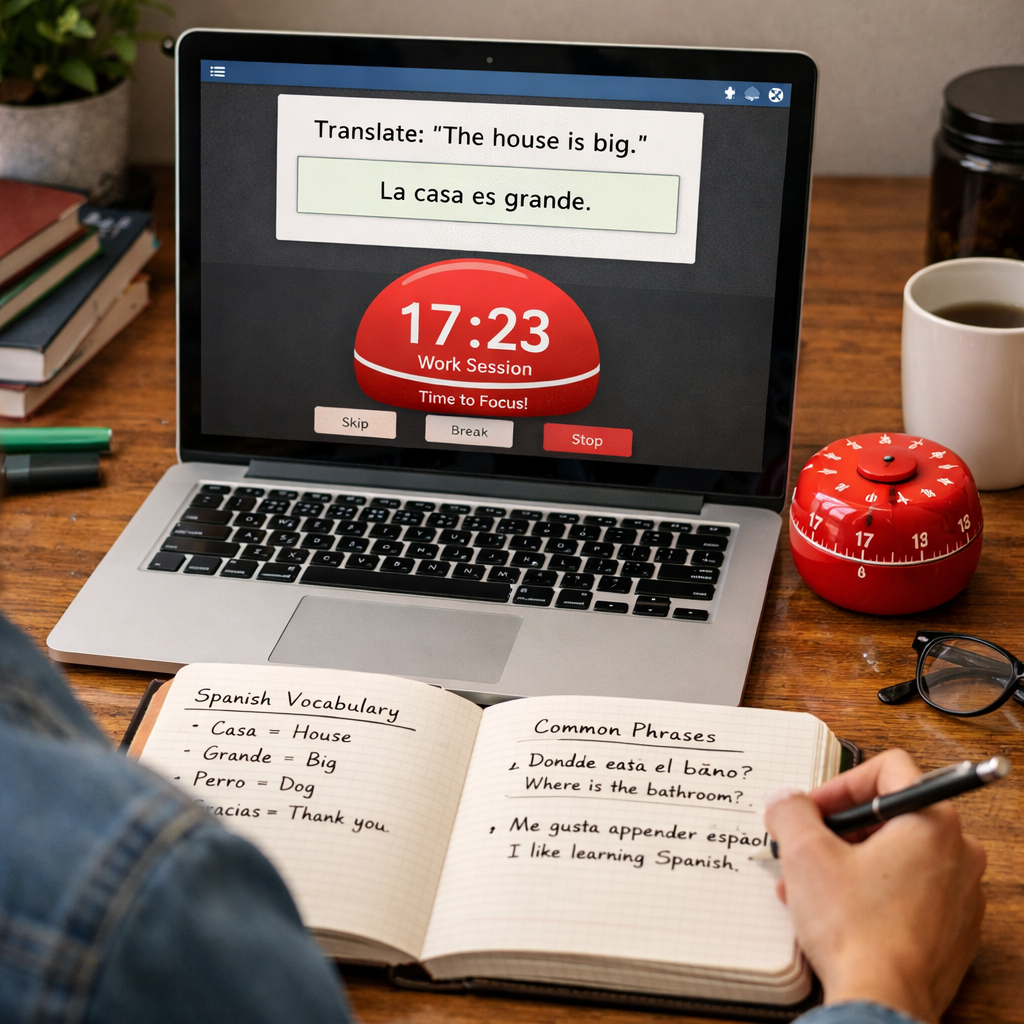
First thing you need is a timer that everyone can see. A shared screen works best for a study group meeting on Zoom or in a campus lounge.
Pick an app that lets you adjust intervals. Study Success Tips explains why customization matters for groups. The article notes that many students find a 25‑minute sprint too short for deep discussion, so having a flexible timer helps.
Second, make sure the app works on all devices your group uses. Focus Keeper runs on iOS, Android, and the web, so everyone can join from a phone or laptop.
Third, create a shared timer link. Most web‑based timers let you copy a URL that syncs the countdown across browsers. This way the whole group sees the same countdown without each person opening their own app.
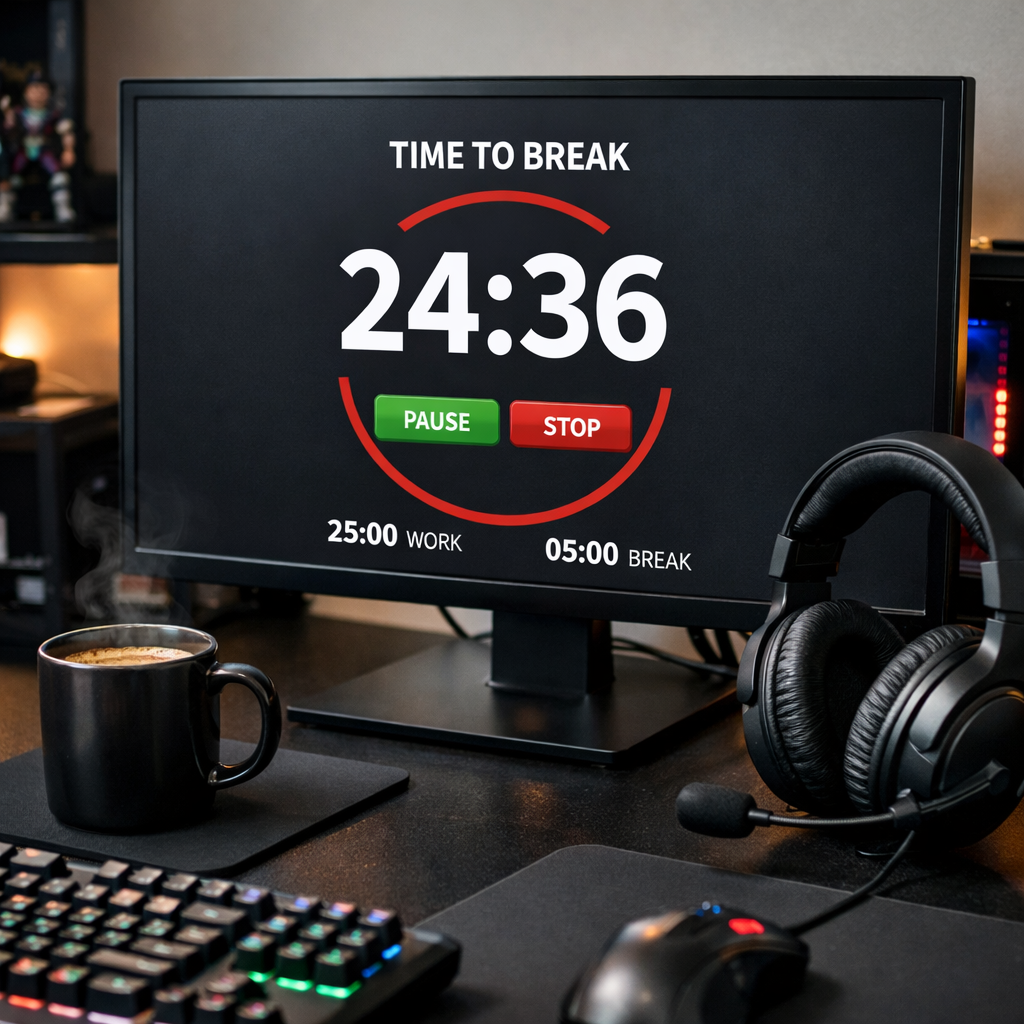
Now set the default intervals. The classic pomodoro is 25 minutes work, 5 minutes break. If your group prefers longer study bursts, try 30‑minute work blocks and 7‑minute breaks. The key is consistency.
Don’t forget to test the timer before the first session. Run a quick 5‑minute test run so everyone sees how the sound alerts work and where the visual cue appears.
Finally, decide on a backup plan. If the shared screen glitches, have a phone timer ready as a fallback.
Here are three quick actionable tips:
- Sync early: Open the timer 5 minutes before the study start so you can troubleshoot.
- Label intervals: Name each pomodoro in the app (e.g., “Chapter 4 Review”) so the group knows the focus.
- Use visual cues: Place a sticky note on the wall that says “Work = Green, Break = Red” to remind everyone of the state.

Step 2: Establish Shared Goals and Break Lengths
Before you hit start, the group must agree on what to accomplish in each pomodoro. Write the goals on a shared document or whiteboard.
Goals should be specific and bite‑size. Instead of “study biology,” write “summarize the glycolysis pathway”. This gives each member a clear target.
Next, decide on break activities. A 5‑minute break can be a quick stretch, a water sip, or a flash discussion of what was just covered. Avoid long chats that drift off topic.
Use a short poll to pick break length. Some groups thrive on 5‑minute pauses; others need 7‑minute breaths to reset. The flexibility of Focus Keeper lets you tweak this on the fly.
It’s also helpful to assign roles: a timer keeper, a goal scribe, and a break facilitator. The timer keeper watches the countdown, the scribe notes what’s completed, and the facilitator leads the break activity.
Why does this matter? Shared goals keep the group accountable and reduce the temptation to wander off. Break consistency helps the brain recover without losing momentum.
Here’s a simple checklist for goal setting:
- List each topic for the session.
- Assign a pomodoro count to each topic (e.g., 2 pomodoros for Chapter 5).
- Write a micro‑goal for each pomodoro.
- Agree on a break ritual (stretch, hydration, quick quiz).
Pro tip: Use a collaborative note‑taking app like Google Docs so everyone can add their micro‑goals in real time.
Remember the key findings: only Focus Keeper offers custom session lengths, which is perfect for tweaking goals and breaks to match your group’s rhythm.
Step 3: Run Your First Pomodoro Session Together
Now the moment of truth arrives. Gather the group, open the shared timer, and announce the first goal.
Start the timer and begin work. Keep distractions low: mute phones, close unrelated tabs, and use a focus playlist if it helps.
When the timer dings, stop immediately. The break facilitator leads a 5‑minute activity, maybe a quick quiz on what was just studied or a simple stretch.
During the break, jot down what was achieved. The scribe should note which micro‑goal was completed and any questions that arose.
After the break, reconvene, announce the next goal, and start the next pomodoro. Repeat until the session’s end.
One real‑world example: A group of engineering students used this exact flow to prep for a thermodynamics exam. They set three pomodoros to work through problem sets, took short breaks to discuss solutions, and finished the session feeling confident.
Here are three practical tips for a smooth run:
- Signal transitions: Use a hand‑clap or a visual cue when the timer ends so everyone stops at the same moment.
- Keep a timer log: Write down each pomodoro’s start and end time in a shared sheet to track total focus time.
- Limit talk during work: Allow only brief clarifying questions; save deeper discussion for breaks.

Step 4: Track Progress and Adjust Timing
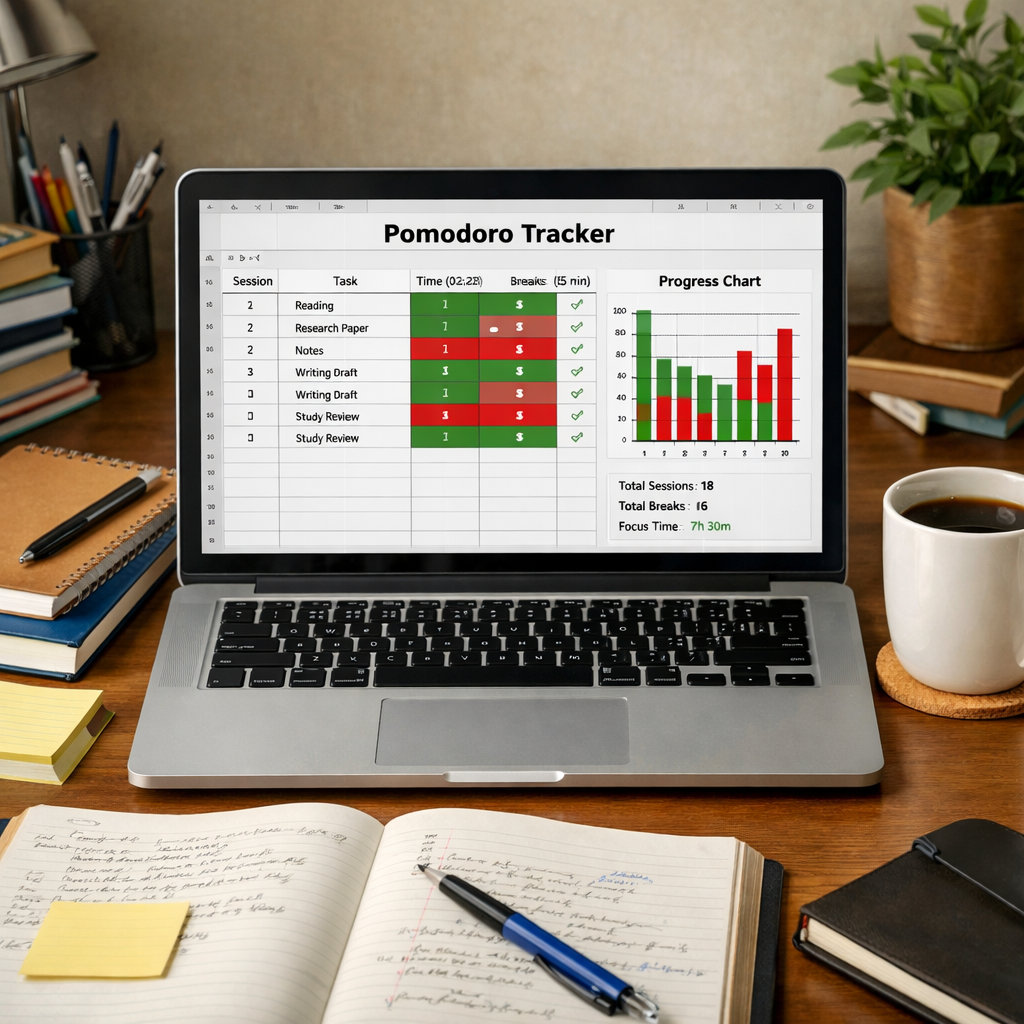
Tracking helps you see patterns and improve. Most pomodoro apps let you log completed cycles, but a simple spreadsheet works just as well.
Create columns for Date, Goal, Pomodoros Completed, Break Length, Energy Rating (1‑5), and Notes. After each session, fill in the row.
Review the log weekly. Look for trends: Are you consistently rating lower energy on certain subjects? Do you need longer work blocks for math?
Adjust timing based on data. If you notice that 25‑minute blocks lead to frequent “break‑overs” (breaks lasting longer than planned) on a tough chapter, try extending the work interval to 30 minutes and see if focus improves.
Use the Lucid pomodoro template as a visual aid. It offers a clean layout for tracking goals, intervals, and outcomes. You can copy it into a Lucid document and share it with the group.
Another tip: Celebrate milestones. If the group hits 20 pomodoros in a week, treat yourselves to a group coffee break.
Here’s a quick pros‑cons matrix to help you decide when to tweak:
| Aspect | When to Keep | When to Change |
|---|---|---|
| Work Length | Focus stays high, no fatigue | Energy dips before timer ends |
| Break Length | Group feels refreshed | Breaks stretch beyond 5‑minute cue |
| Goal Size | Micro‑goals are hit each pomodoro | Goals feel too vague or too large |
Three actionable steps:
- Log each pomodoro in the shared sheet immediately after the break.
- Rate your focus on a 1‑5 scale; note any distractions.
- Every Friday, the timer keeper reviews the sheet and suggests one timing tweak for next week.
Step 5: Maintain Momentum with Reviews and Rewards
Consistency is key. Schedule a short review at the end of each study week. Use the data you gathered in Step 4 to discuss what worked.
Ask each member: Which interval felt right? Which break activity helped you reset? Record the answers.
Based on the feedback, set a small reward for the next week. It could be a group pizza night, a shared playlist, or a funny meme round.
Rewards reinforce the habit and give everyone something to look forward to.
Here are three simple reward ideas:
- Progress badge: Create a digital badge for hitting 30 pomodoros in a month.
- Study snack swap: Each member brings a healthy snack for the next session.
- Mini‑game: After a long study day, play a quick 5‑minute trivia round.
Make the review a standing agenda item. Keep it short, 10 minutes tops, so it doesn’t become another time sink.
Finally, remember the big picture: the pomodoro timer for study groups is a tool, not a rule. Adjust it as your courses change, as exam periods approach, and as the group’s size shifts.
By following these five steps, you’ll turn a noisy group study room into a focused, productive hub.
FAQ
What is a pomodoro timer for study groups and how does it work?
A pomodoro timer for study groups is a shared countdown that splits work into focused bursts, usually 25 minutes, followed by a short break. The whole group works on the same micro‑goal during the work phase, then pauses together to stretch or discuss. This rhythm helps keep everyone on task and reduces the urge to chat off‑topic.
How long should each pomodoro be for a mixed‑skill group?
Start with the classic 25‑minute work and 5‑minute break. If some members feel the sprint is too short, try 30‑minute work blocks and a 7‑minute break. The key is to test both lengths for a week, log energy ratings, and pick the length that yields the highest focus scores across the group.
Can I use a pomodoro timer on mobile phones for group study?
Yes. Most apps, including Focus Keeper, have mobile versions. The trick is to share the timer screen via a video call or a shared link so everyone sees the same countdown. If a phone drops, the group can quickly switch to a backup web timer.
How do I keep the group from chatting during work intervals?
Set a clear rule: no talking until the timer dings. Use visual cues like a green light for work and a red light for break. Appoint a break facilitator who reminds the group to stay silent and redirects any stray conversation back to the timer.
What should I track to know if the pomodoro timer is helping?
Log the number of pomodoros completed per subject, rate your focus on a 1‑5 scale after each break, and note any interruptions. Over a week, compare the total focused minutes to previous weeks without a timer. An upward trend signals that the pomodoro timer for study groups is boosting productivity.
How often should the group review its pomodoro setup?
Do a quick review at the end of every study week. Spend 10 minutes looking at the log, discussing what interval worked, and deciding on one tweak for the next week. This keeps the system flexible and ensures it evolves with the group’s needs.
Is it okay to mix different interval lengths in one study session?
Absolutely. You can schedule a 30‑minute deep‑focus pomodoro for a tough chapter, then switch to a 20‑minute sprint for flashcards. Just keep the break length consistent so the brain knows when to rest. Record each interval type in the log so you can see which mix yields the best focus scores.
What are some effective break activities for study groups?
Keep breaks short and active. Good ideas include a quick stretch, a 30‑second breathing exercise, a brief quiz on the just‑finished material, or a water‑break chat. Avoid long phone checks or social media; the goal is to reset, not to get distracted.
Conclusion
Using a pomodoro timer for study groups turns a noisy, unstructured meetup into a focused, high‑output session. By setting up a shared timer, agreeing on clear micro‑goals, running the first cycle together, tracking results, and rewarding progress, you give the group a rhythm that works for everyone.
Remember the key finding: only Focus Keeper offers the custom session lengths that let you fine‑tune work and break times for a group setting. That flexibility makes it the top pick for any study crew looking to boost productivity.
Give the steps in this guide a try at your next group meet‑up. You’ll see more material covered, less fatigue, and a stronger sense of teamwork. Ready to start? Open your timer, set your first goal, and let the focused sprints begin.