
Let’s face it—trying to juggle tasks, deadlines, and a wandering mind can feel like a circus act.
What if you could pause, regroup, and map out the next week in a single, tidy session?
That’s the promise of a weekly review template—a blueprint that turns chaos into clarity.
In the fast‑paced world of students, remote workers, freelancers, and busy pros, the ritual of a quick recap can feel like a breath of fresh air.
It’s not about adding another task; it’s about setting up a moment where you check what moved you forward, what stalled, and where your next focus should land.
Think about that last week when a looming deadline slipped through your fingers because you didn’t catch the pattern early.
A structured review lets you spot the red flags before they turn into red‑herring.
You’ll find that a few minutes a week can translate into hours of focused effort, fewer frantic last‑minute scrambles, and more time for the things that matter.
So, if you’re tired of chasing your own agenda, let’s pull back the curtain on what a weekly review template can do for you.
We’ll walk through the core elements, tweak them for student study sessions, remote team sprints, freelance project juggling, and high‑pressure professional calendars.
And at the end, you’ll have a ready‑to‑use template that you can tweak in a few clicks or even sync with your favorite Pomodoro timer for extra focus.
Ready to stop running on a hamster wheel and start steering the ship? Let’s dive in and build that first draft together.
And you’ll notice the difference almost immediately.
Start today.
Think of it like a weekly check‑in with yourself—just as a coffee break gives you a moment to refuel, the template nudges you to pause, assess, and decide what to tackle next.
TL;DR
A weekly review template turns schedules into calm roadmaps, letting students, remote workers, freelancers, and pros pause, reflect, and plan each week with Pomodoro‑powered focus.
Use it to spot red‑flags early, spend just minutes weekly, and free hours for what truly matters—study sessions, sprint meetings, project milestones, or a break.
Step 1: Define Your Review Objectives
You’ve probably heard that a weekly review is the secret sauce behind the smoothest schedules. But before you jump in, you need a compass—clear objectives. Think of it as setting the destination before you hit the road.
What do you really want to get out of a review? Is it spotting deadlines that slipped through the cracks? Or maybe it’s carving out more study time without sacrificing your chill moments? Or perhaps you’re chasing that elusive balance between freelance gigs and personal projects. Pinpointing the goal turns a generic recap into a laser‑focused tool.
Start by asking yourself two quick questions: 1) What’s one outcome that will make you feel like a boss by Friday? 2) What’s the single habit you want to cement before the week ends? The answers become your review’s north star. Write them on a sticky note—visible on your desk or in the focus app you’re using. In our experience, seeing the objective every time you log a Pomodoro keeps you aligned.
If your goal is to tighten your study schedule, frame it like, “I’ll block 30 minutes for active revision after every Pomodoro.” For remote workers, maybe it’s “I’ll set a daily check‑in with the team before 10 am.” Freelancers might aim for, “I’ll review client priorities every Monday.” Busy pros could set, “I’ll schedule 15 minutes to evaluate my calendar before the weekend.” These micro‑objectives keep the review short but meaningful.
Now, write these objectives into a dedicated section of your template. It’s handy to keep a visible list at the top of the page. Each time you start a review, you glance at your goals, adjust the agenda, and stay on target. Think about it this way: a review is a brief conversation with yourself; your objectives are the questions you ask.
You’ve got the objectives—now let’s talk pacing. A common pitfall is letting the review grow into a 30‑minute marathon. Set a timer, like the Pomodoro intervals you already love. For instance, two 25‑minute blocks, a 5‑minute breather, then a quick 10‑minute wrap‑up. In a 90‑minute slot, you still get deep reflection without feeling like a marathon.
And when you’re done, give yourself a quick win. Log the completed objectives and celebrate the small victory—maybe a quick stretch or a coffee break. The moment you finish feels like a check‑mark on a to‑do list, and that positive feedback loop keeps you coming back next week.
If you want an extra layer of clarity, try a quick summarizer before you hit the timer. Tools like YT Summarizer can condense last week’s notes into bullet points in seconds, giving you a clean slate to set the week’s focus.
Once you’ve nailed the objectives, the rest of the review is all about the data. Pull out the tasks you marked “done,” note the blockers, and decide which items need re‑prioritization. In a student’s case, maybe you notice you spent too much time on passive reading; that’s a cue to switch to active recall tomorrow.
Let’s throw in a quick link for team syncs: if you’re coordinating with a colleague, EchoApply can help you set up shared tasks and keep track of progress without cluttering your inbox.
And for accountability, you might want a buddy. Chatter Plus lets you share your goals with a peer, set reminders, and celebrate wins together—like a mini‑coach in your pocket.
Now you’re ready to run the first review. Take 15 minutes, jot down those objectives, fill in what happened, and end with a one‑liner that says, “Next week, I’ll hit these targets.” That simple promise keeps you honest and gives you a clear path forward.
Before you hit the timer, pause for a breath. Look at the list of objectives you’ve carved. If anything feels off, tweak it. That’s the whole point—your review should evolve, not stay rigid. So, are you ready to make the first step with a crystal‑clear goal?
If you need a quick recap of what a weekly review template looks like in action, check this video. It walks through the process in bite‑sized chunks, and you’ll see how the objectives drive every decision.
That video shows the exact flow—start with objectives, tick through tasks, and finish with a wrap‑up note. It’s the same rhythm you’ll use in your own template.
Now that you’ve seen the flow, let’s bring the theory into practice. Grab your notebook, open your Focus Keeper Pomodoro timer, and set the first review session.

Step 2: Structure the Weekly Review Template
So you’ve nailed the goal in the last section. Now it’s time to give that goal a home—your template. Think of it like a coffee mug: a clear shape, a good grip, and just the right size for what you need.
Below are the building blocks that make a weekly review template feel less like a worksheet and more like a quick, purposeful conversation with yourself.
1. Core Columns: What You Actually Need
Start with the essentials: Date, Objective, Key Wins, Roadblocks, Learnings, and Next Steps. Keep the columns wide enough for notes but narrow enough to keep the page readable. If you’re a student, swap Roadblocks for Assignments Due. For freelancers, add a quick Billable Hours column.
Why this format? It forces you to answer the same four questions every week—what happened, why it mattered, what you’ll do next, and how it ties back to your objective. It’s the same rhythm used in Forte Labs’ weekly review design, where they emphasize actionable insights over long lists.
2. The “Three C’s” Layout
Current: what’s on your plate right now. Critical: what’s non-negotiable for your objective. Complete: what you finished last week. Arrange them top‑to‑bottom. It keeps the sheet lean and the focus razor‑sharp.
When you hit the “Current” row, ask: “What’s urgent today?” That question will surface the same data you’d find in a project agenda—an insight many managers pull from Smartsheet’s project meeting agenda templates. Those templates show you how to slice the day into bite‑sized chunks.
3. Add a Quick “Metrics Snapshot”
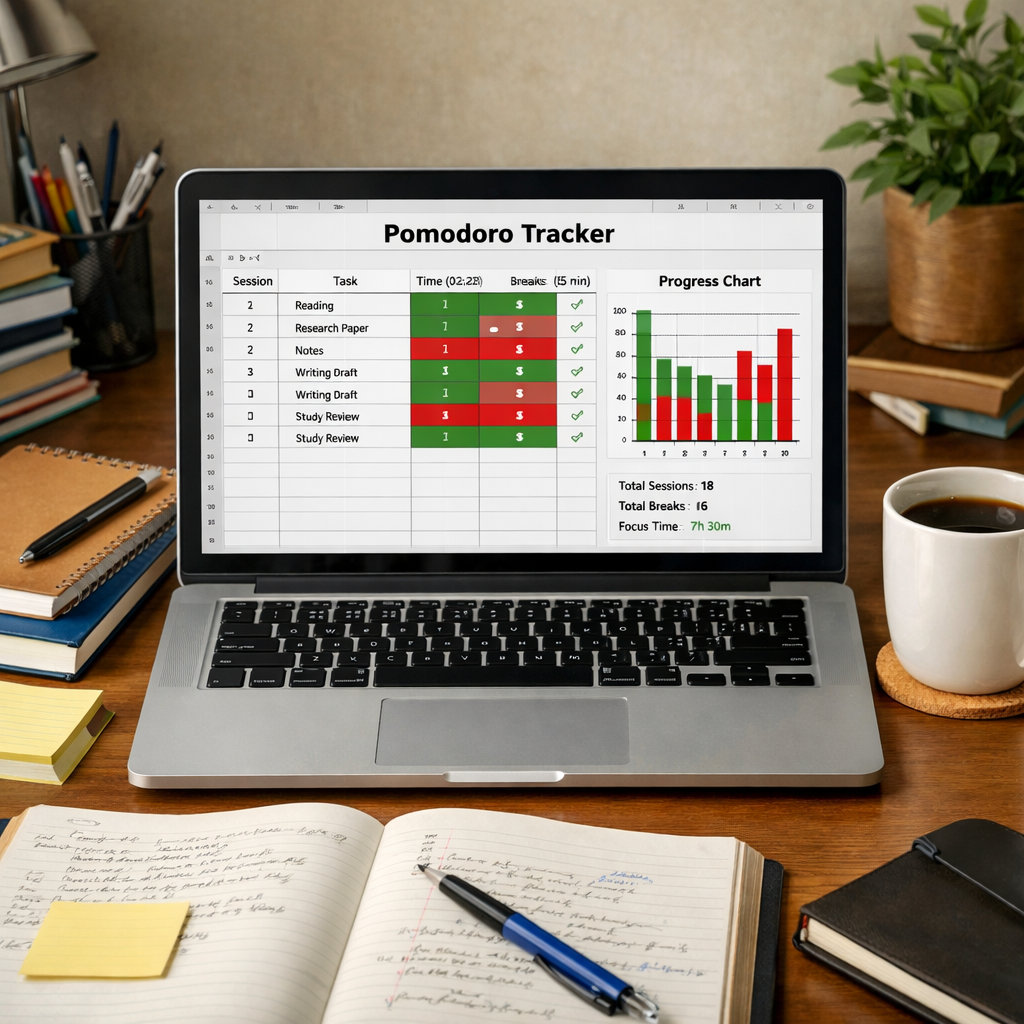
One or two numbers—like total Pomodoros or pages read—can act as a pulse check. Place them in a tiny box in the corner so you see progress at a glance. It’s a habit we’ve seen in students who track study blocks, and it’s a win for remote workers who want a visual cue that they’re staying on track.
Tip: Color‑code the numbers. Green for on‑track, orange for near‑miss, red for off‑track. A tiny visual cue can prevent a week from slipping into chaos.
4. Keep the Flow with “Quick Questions”
Insert a row of yes/no questions after each section—Did I hit my Pomodoro count?, Did I block out an uninterrupted focus block? These quick checks keep your review from becoming a data dump.
Use them as a mental “if‑then” trigger: if the answer is no, you get a note like Plan a 25‑minute Pomodoro tomorrow.
5. Review the Template Every Six Weeks
Templates are living documents. After 4–6 weeks, look back and ask: what’s still useful? What’s missing? Swap out columns that never get filled. The process of fine‑tuning the template mirrors what we do at Focus Keeper—continuous improvement for continuous focus.
Remember, the template should feel like a quick, coffee‑break conversation. If it takes longer than 10 minutes, trim it.
Practical Example: A Student’s Weekly Review
Imagine Emma, a sophomore balancing coursework and a part‑time job. Her template looks like this:
- Date: 7/10
- Objective: Finish Chapter 4 of Math and submit the essay draft.
- Key Wins: Completed 3 Pomodoros for Math.
- Roadblocks: Forgot the essay due date.
- Learnings: Need to double‑check deadlines in the planner.
- Next Steps: Schedule essay drafting for Wednesday, set a Pomodoro reminder.
By the end of the review, Emma sees a clear path: she knows what she missed, why it mattered, and exactly what she’ll do next. That’s the power of a well‑structured template.
Closing Thought
Structuring your template isn’t about creating a masterpiece; it’s about making a tool that talks to you. If the columns feel heavy, lighten them. If you’re missing a metric, add one. Keep the rhythm, keep the focus, and you’ll turn a weekly check‑in into a confidence‑boosting ritual.
Step 3: Populate the Template with Metrics and Action Items
Alright, you’ve got the skeleton, the columns, and the rhythm. Now it’s time to put real numbers and concrete next‑steps into that frame. Think of it like filling a grocery list: you don’t just jot down “food”; you list the exact items and how many servings you need. That’s how metrics and action items make your review actionable.
Choose the Right Numbers
Start with a single pulse‑check number that tells you if you’re moving toward your objective. For a student, that could be total Pomodoros spent on a core subject. A freelancer might track billable minutes versus administrative time. Pick one or two numbers that can be answered with a quick glance.
Don’t over‑crowd the box. If you’re already noting key wins, roadblocks, and next steps, a third column for “Metrics Snapshot” should hold only one or two figures. Color‑code them—green if you hit the target, orange if you’re close, red if you’re off‑track. A tiny visual cue can prevent a week from slipping into chaos.
Translate Wins into Action
After you jot down “Key Wins,” ask: “What did this win teach me?” That question turns a static list into a learning loop. If you finished three Pomodoros on a design project, the insight might be “I can pace my creative blocks like I do my coding sprints.” The next step then becomes concrete: “Schedule a 25‑minute design Pomodoro tomorrow morning.”
For a remote worker, a win could be “I blocked out two uninterrupted 50‑minute sessions.” The learning? “I’m less likely to jump to email when I schedule the Pomodoro first.” The action: “Start the Pomodoro timer before checking inbox.”
Use Quick Yes/No Triggers
Inserting a row of yes/no questions after each section keeps the review from becoming a data dump. Ask, “Did I hit my Pomodoro count?” If the answer is no, write a note like “Plan an extra 25‑minute block tomorrow.” These triggers act like mental “if‑then” statements and keep your next‑step column focused.
When you fill in the “Roadblocks” column, pair each entry with an immediate mitigation: “Email overload” → “Set a 5‑minute email check‑in.” That way, each roadblock becomes an actionable item in the same breath.
Leverage Action‑Item Templates for Clarity
For teams or freelancers juggling multiple projects, a simple action‑item tracker can keep you from losing the thread. You can export a Google Sheet or Excel version, assign owners, set due dates, and track completion status—all while keeping the weekly review lean. We’ve seen teams use Smartsheet’s action‑item templates to pull into their weekly review, and it works because the data stays in one place.
Integrate Media Summaries with YTSummarizer
If your week included a stack of YouTube tutorials or webinars, you can quickly turn those videos into bite‑size notes with YTSummarizer. Paste the summary into the “Learnings” column, and you’ve added a measurable, actionable takeaway without pulling your brain into the video again. It’s a time‑saver that keeps the review focused on what matters.
Keep the Table of Choice Handy
| Metric/Action | What It Tells You | Example |
|---|---|---|
| Total Pomodoros | Shows overall focus output | 12/15 (80%) |
| Roadblock Resolution Rate | How many blockers were solved this week | 4/6 (66%) |
| New Action Items | Ready-to‑do tasks for next week | 5 items |
Every column in your template should answer a question: what happened, why it mattered, what we’ll do next, and how it ties back to the weekly objective. That’s the rhythm that turns a list into a roadmap. When you finish, you’ll look back, see a clear progression, and feel ready to jump into the next week with confidence.
Step 4: Review and Iterate
We’ve sketched the template and filled in the numbers, so the next big thing is to sit down and ask: “What actually happened?” The review isn’t a checkbox ritual—it’s a conversation with yourself that uncovers patterns, celebrates wins, and writes the next chapter.
Reality Check: Pull the Numbers and the Story
First, glance at the metrics you recorded—total Pomodoros, blocked distractions, time on high‑impact tasks. Then flip back to the wins column and read the brief stories you wrote. That pairing turns raw data into context. For example, if you logged 12 Pomodoros but only two were on your main project, ask why the rest were spread thin. Maybe the schedule had too many micro‑tasks, or your focus blocks were too short for deep work.
Spot Patterns Before They Grow
Patterns are the silent saboteurs. A freelancer who keeps getting email interruptions may notice a spike in “roadblocks” on Fridays. That’s your cue to experiment with a 30‑minute email‑check window at the start of the day. Another student might find that the majority of their Pomodoros are spent on revision rather than new content. Instead of re‑shuffling tasks, ask if the syllabus could be re‑prioritized.
Create an Action Plan That Actually Moves
Write one concrete adjustment per pattern. If email is stealing focus, write “Add a dedicated 15‑minute email slot after the first Pomodoro.” If revision dominates, write “Schedule a 20‑minute ‘new material’ Pomodoro before the revision block.” Keep the action items short and measurable; you’ll be tempted to put them in the template’s next‑steps column.
Iterate the Template Itself
When the week ends, ask, “Did the template capture everything I needed?” Maybe the ‘Learnings’ column felt too cramped for the insights you gained from a webinar. If so, add a sub‑row or split the column. Or if a certain metric never shows up, drop it. The template should grow with you, not the other way around.
Make the Review a Habit
Consistency beats intensity. Pick a cue—like finishing your last Pomodoro of the day or the Friday sunset—and slot the review right after. Keep the session under 10 minutes; the goal is to stay mindful, not to burn out. Over time, the review will feel like a gentle reset button.
Here’s a quick 5‑step checklist you can copy into the template:
- 1️⃣ Look at the numbers.
- 2️⃣ Read the wins and roadblocks.
- 3️⃣ Identify one pattern.
- 4️⃣ Draft a micro‑action.
- 5️⃣ Adjust the template if needed.
Remember, the review isn’t about perfection—it’s about progress. If something feels off, tweak it. If a win feels like a breakthrough, celebrate it. And if your template feels rigid, loosen it.
Before we wrap, take a moment to think about your own review. Which pattern do you see most often? What’s one tiny tweak you could try next week? The power of the weekly review template lies in those small, intentional adjustments.

When you hit “next week” in the template, you’ll already have a clear map of what to tackle, how to avoid the same roadblocks, and how to keep the momentum alive.
Want a deeper dive into how to structure your review around Pomodoro data? Check out Michael Sliwinski’s guide on weekly reviews. It’s a solid resource that aligns with the rhythm we’re building here.
Frequently Asked Questions
What is a weekly review template and why should I use one?
Think of it as a short, weekly coffee chat with yourself. The template pulls together what happened, what stuck, what you learned, and a plan for next week. It keeps your focus sharp, reduces the mental load of remembering tasks, and turns a handful of to‑dos into a clear roadmap. If you’re juggling classes, a client project, or a side hustle, it’s a sanity‑saver.
How long should I spend on a weekly review?
The goal is under ten minutes. Pick a consistent cue—maybe after your last Pomodoro of the week or as soon as the weekend lights up. A quick glance at the numbers, a nod to the wins, a tweak to a blocker, and a jot on the next‑step column is enough. If you feel like you’re stretching beyond that, trim the template or split the review into a two‑minute sprint.
Can I adapt the template for freelance projects?
Absolutely. Replace the “Assignments Due” column with “Billable Hours” and add a quick “Revenue Target” snapshot. For each project, note a win (e.g., “Closed a new client in two hours”) and a learning (e.g., “Scope creep happened after the initial estimate”). Then draft a concrete next step, like “Send a detailed scope sheet to the client” or “Block a 45‑minute deep‑work slot next Monday.”
What if I miss a review session—how do I catch up?
Don’t sweat it. Grab a blank sheet, jot the week’s highlights, then flip back to your template. Mark the missing date with a note: “Review missed—skipping to next session.” Use the same quick questions to keep the rhythm. Over time, you’ll see a pattern: if it’s the Friday slump, you can move the review to Thursday or set a reminder before the weekend.
How does the Pomodoro Technique fit into a weekly review?
The Pomodoro timer gives you concrete data—total sessions, interruptions, average focus length. During the review, check the pulse: Did you hit your target? Were there more “break” clicks than expected? Use that insight to adjust your schedule. If you’re over‑scheduling short Pomodoros, you might batch similar tasks into longer blocks. The key is to turn those numbers into tiny, actionable tweaks.
Do I need a template if I’m already using a calendar?
A calendar shows when, but a template asks why and how. It forces you to reflect on outcomes, not just events. If your calendar is full of meetings, the review can surface hidden patterns like “I’m always blocked by email at 10 am.” The template then nudges you to move those meetings or set email‑free periods. In short, calendars plan, templates explain.
How can I make the review habit stick?
Start with a cue you already have—your last Pomodoro, a Friday evening ritual, or a coffee break. Keep the template light; no more than a page. Reward yourself with a short walk after you finish, or a favorite snack. Over a month, you’ll notice the review becomes a natural pause, a moment to reset your mind. If you find yourself skipping, ask, “What’s the pain point?” and tweak the rhythm, not the goal.
Deep Dive: Aligning the Template with Agile Practices
So, after we’ve built the skeleton of your weekly review template, it’s time to make it groove with the sprint cadence that keeps your projects moving.
In agile, you’re always looking at velocity, capacity, and the backlog. Think of your template as a lightweight burndown board that lives at the end of each sprint. Add a quick “Sprint Goal” row and a “Stories Completed” column, and you’ve got a visual bridge between the day‑to‑day Pomodoro bursts and the bigger picture.
One trick we love at Focus Keeper is the “Sprint‑Ready Check.” Just before you start the week’s review, jot a yes/no on whether the backlog items you plan to tackle align with the sprint goal. If the answer’s no, you instantly spot scope creep and can shuffle or re‑estimate before the clock starts.
Why does that matter? Because every extra Pomodoro you spend on a side‑task pulls bandwidth from the core stories you promised your stakeholders. By flagging misaligned work during the review, you keep the velocity chart honest.
Another agile‑friendly feature is the “Definition of Done” snippet in the template. Write a one‑sentence DOD for each task: “Code tested, documented, and merged.” That tiny note forces you to finish a task fully, not just start it.
What about the team? If you’re a remote worker or a freelancer juggling multiple clients, turn the “Next Steps” column into a quick “Owner” tag. That way, every action item has a person and a deadline right from the get‑go.
We’ve seen students turn the template into a study sprint tracker. They replace the “Stories Completed” column with “Modules Mastered” and add a “Study Block Size” metric. The result? A clear view of how many Pomodoros contributed to each subject and where the burn rate is highest.
So, what’s the actionable takeaway? Sync your template with your agile artifacts: sprint goal, burndown, DOD, and owner tags. Then, during the weekly review, spend the first minute confirming alignment, and the rest capturing insights that will shape the next sprint.
Give it a try. By anchoring the template to the agile rhythm, you’ll transform a simple recap into a strategic lever that keeps your focus sharp and your deadlines on track.
Resources for Further Reading
Ever wonder how the pros keep their weekly review fresh? Below are a handful of go‑to spots that dive deeper, without cluttering your brain.
1. The Pomodoro Playbook
Our favorite text is the original Pomodoro Guide. It breaks the technique into bite‑sized stories, making it easy to weave into any review template.
2. Agile Weekly Sprint Guides
Check out the classic sprint handbooks that show how velocity charts and burndown charts can slot right next to your Pomodoro counter.
3. Study‑Sprint Science
Research on spaced repetition and study blocks gives you the science behind why students love to pair Pomodoros with chapter reviews.
4. Remote Work Time‑Tracking Blogs
These posts explore how freelancers and remote teams use simple timers to stay on target, a perfect match for the “Next Steps” column.
5. Focus Management Podcasts
Listening to seasoned productivity coaches keeps you updated on the latest tweaks—like micro‑breaks or priority tags—to keep your template lean.
Pick one, give it a spin, and watch your weekly review feel less like a chore and more like a personal power‑up.
When you start pulling these resources into your routine, you’ll notice the review becomes a living conversation rather than a ticking clock. Treat each read as a mini‑lesson, jot a quick takeaway, and loop it back into the next template session and keep it fresh.
Conclusion and Call to Action
You’ve walked through the whole cycle, from setting the objective to spotting patterns and tweaking the template. The real magic happens when you pause, jot a quick takeaway, and bring that insight back into the next week. Think of it as a coffee‑sized recap that fuels the next sprint.
Now that you’ve got a working framework, treat each review as a conversation rather than a check‑list. Ask yourself, “Did I hit the goal? What surprised me?” and write a one‑sentence action that can be done in the next 24 hours. When you finish, feel the same small victory you get from closing a project.
Remember, consistency beats intensity. Pick a cue you already trust—maybe the last Pomodoro of the week or the Friday sunset—and slot the review right after. Reward yourself with a short walk, a coffee, or a quick stretch; it’s a small ritual that signals the brain to reset.
Give the template a try this Friday: jot your objective, run through the quick questions, and jot one tweak for next week. When you see that small win, keep going—every loop builds a stronger focus engine that powers your studies, projects, or busy day in the rhythm of your daily routine.