Feeling like your workday is a blur of tasks and deadlines? You’re not alone. It’s easy to get caught up in the hustle and lose track of where your time actually goes. But what if there was a simple, free way to get a handle on things? We’re talking about a task timer. This little tool can make a big difference in how much you get done and how focused you stay. Let’s explore how a free online task timer can help you get more out of your day.
Key Takeaways
- A task timer helps you understand where your time is spent, leading to better focus and fewer distractions.
- Look for features like real-time tracking, project categorization, and reporting to get the most out of a task timer.
- Using a task timer can improve your ability to estimate how long tasks will take in the future.
- Free online task timers are often accessible across different devices and can integrate with other tools.
- Regularly reviewing the data from your task timer helps you identify areas for improvement in your workflow.
Understanding The Power Of A Task Timer
What Is A Task Timer?
A task timer is a simple tool, often digital, that helps you keep track of how long you spend on specific activities. Think of it like a stopwatch, but instead of just running, it’s designed to be associated with a particular job or project. You start it when you begin a task and stop it when you finish or take a break. It’s a straightforward concept, but its impact can be surprisingly big.
Benefits Of Using A Task Timer
So, why bother with a timer? Well, it turns out there are quite a few good reasons. For starters, it makes you way more aware of where your time actually goes. We all think we know, right? But when you start tracking, you often find out that certain tasks take way longer than you expected, or that you’re spending a chunk of your day on things that don’t really move the needle.
Here are some of the main advantages:
- Better Time Awareness: You get a clear picture of your daily activities.
- Improved Focus: Knowing you’re timing yourself can help you stay on task.
- Accurate Estimations: Over time, you learn how long things really take, making future planning much easier.
- Reduced Procrastination: The act of starting a timer can be a good nudge to get going.
- Identifying Time Sinks: You can spot activities that eat up your time without much benefit.
Using a task timer isn’t about being a robot; it’s about gaining control. It’s like having a personal assistant who quietly notes down every minute, giving you the data to make smarter choices about your schedule and your energy.
Choosing The Right Task Timer
With so many options out there, picking the right one can feel a bit overwhelming. You want something that fits your style. Some people like a super minimalist timer that just counts up. Others need something more robust, with features for organizing tasks, projects, and even team members. Think about what you want to achieve. Are you just trying to focus better on your own work, or do you need to track billable hours for clients? The best timer for you will be the one you actually use consistently, so simplicity and ease of use are often key.
Key Features Of An Effective Task Timer
Real-Time Tracking Capabilities
This is where the magic happens. A good task timer doesn’t just let you log time after the fact; it actively tracks it as you work. Think of it like a stopwatch for your tasks. You hit ‘start’ when you begin, and ‘stop’ when you’re done. This real-time aspect is super important because it gives you an accurate picture of where your minutes are actually going. No more guessing or trying to remember what you did three hours ago.
The core idea is simplicity: start, stop, and know exactly how long you spent.
Project And Task Categorization
Just tracking time isn’t enough, right? You need to know what you were doing during that time. This is where categorizing comes in. You can group your tracked time by project, client, or even specific types of tasks. This helps you see patterns, like how much time you’re spending on client A versus client B, or how long a typical ‘report writing’ task takes.
Here’s a quick look at how you might categorize:
- Client Work: All tasks related to paying clients.
- Internal Projects: Company initiatives, planning, meetings.
- Admin Tasks: Emails, scheduling, paperwork.
- Learning & Development: Training, reading industry articles.
This breakdown makes it easier to analyze your workload and identify areas for improvement.
Reporting And Analytics
Once you’ve been tracking time for a bit, you’ll want to see the results. This is where reporting and analytics shine. Most free task timers will give you basic reports, showing you total time spent on different projects or tasks over a given period. Some might even offer charts and graphs to visualize your data.
Looking at these reports can be eye-opening. You might discover that a task you thought took an hour actually takes three, or that you’re spending way more time on administrative stuff than you realized. This information is gold for making better decisions about your time and resources.
These reports can be presented in a table like this:
| Project Name | Total Time Spent | Percentage of Work |
|---|---|---|
| Project Alpha | 25 hours 30 mins | 35% |
| Client Beta | 18 hours 15 mins | 25% |
| Admin | 12 hours 00 mins | 17% |
| Internal Meeting | 8 hours 45 mins | 12% |
| Research | 7 hours 30 mins | 11% |
Boosting Productivity With Your Task Timer
So, you’ve got a free online task timer set up. That’s great! But how do you actually use it to get more done? It’s not just about hitting ‘start’ and ‘stop’. It’s about changing how you work.
Minimizing Distractions
Distractions are everywhere, right? That notification ping, a quick peek at social media, or even just getting up for a coffee can really break your flow. A task timer helps you see exactly how much time these little interruptions are costing you. When you’re actively tracking a task, you become more aware of when you’re about to get sidetracked. It’s like having a little accountability partner right there on your screen.
- Set clear work blocks: Decide beforehand that for the next 25 minutes, you’re only focused on Task A. No email, no phone.
- Identify your biggest time sinks: Notice if you’re spending too much time on social media or checking news sites during your tracked work periods.
- Use ‘focus modes’ if available: Some timers or apps have features that block distracting websites for you.
The simple act of starting a timer can create a mental shift, signaling to your brain that it’s time to concentrate. It’s a small psychological trick that can have a big impact.
Improving Focus and Concentration
When you know you’re timing yourself, you tend to get into a rhythm. This focused work period, often called a ‘flow state’, is where you get your best work done. The timer encourages you to stay on task and resist the urge to switch to something else. It trains your brain to concentrate for longer stretches.
Think about it like this:
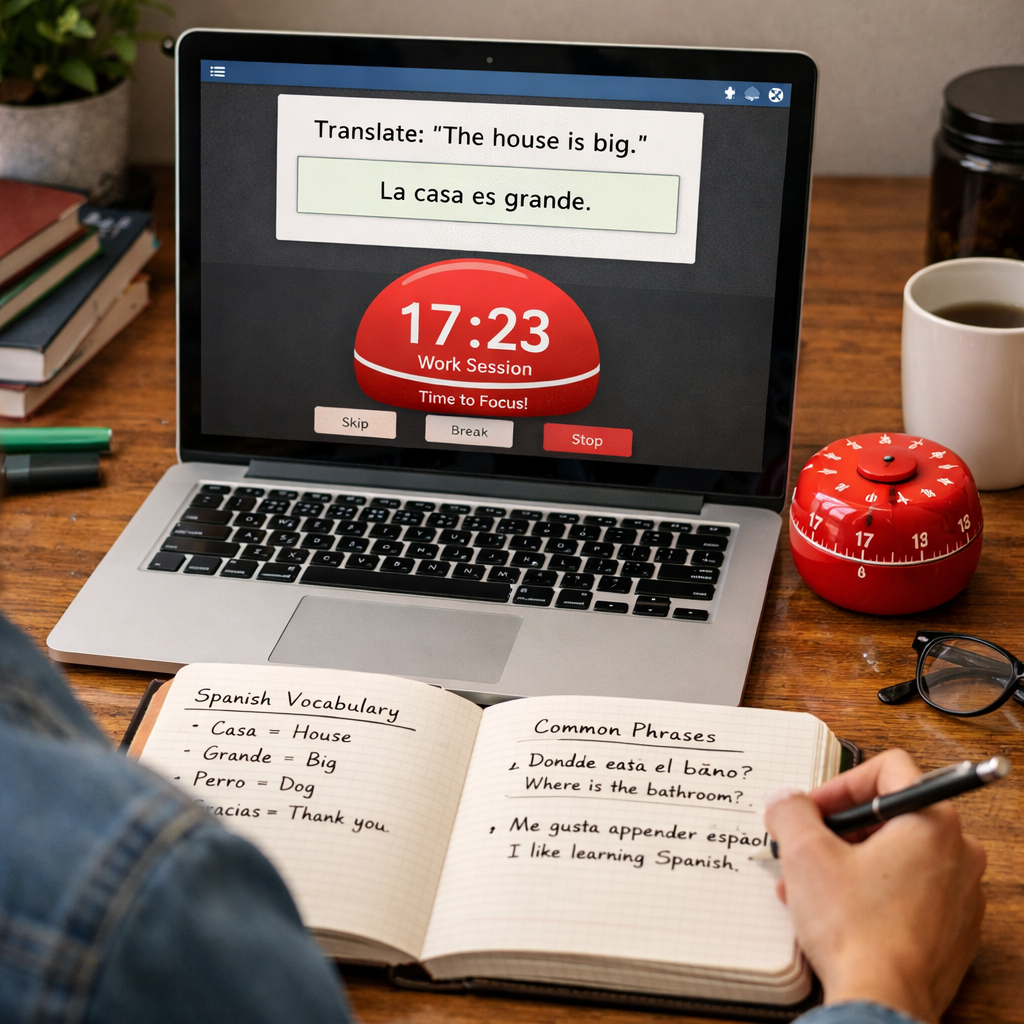
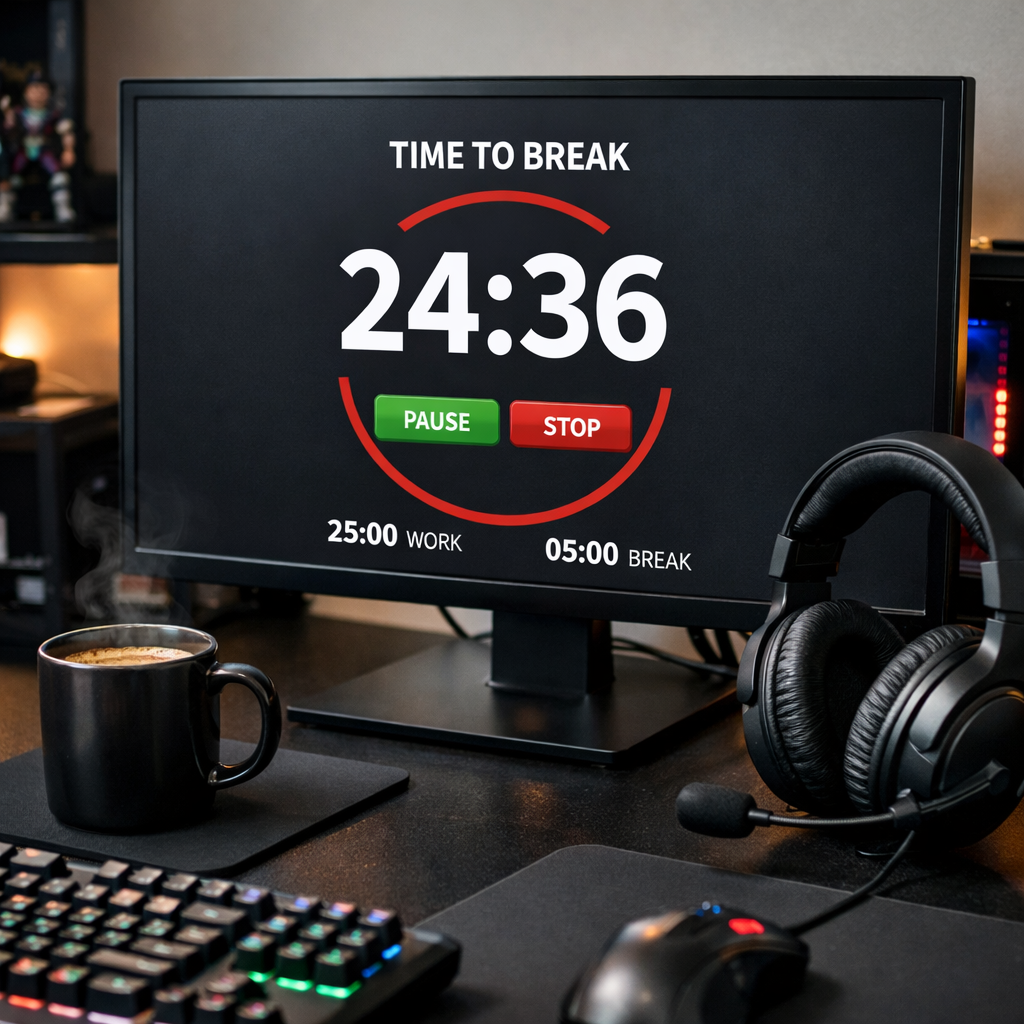
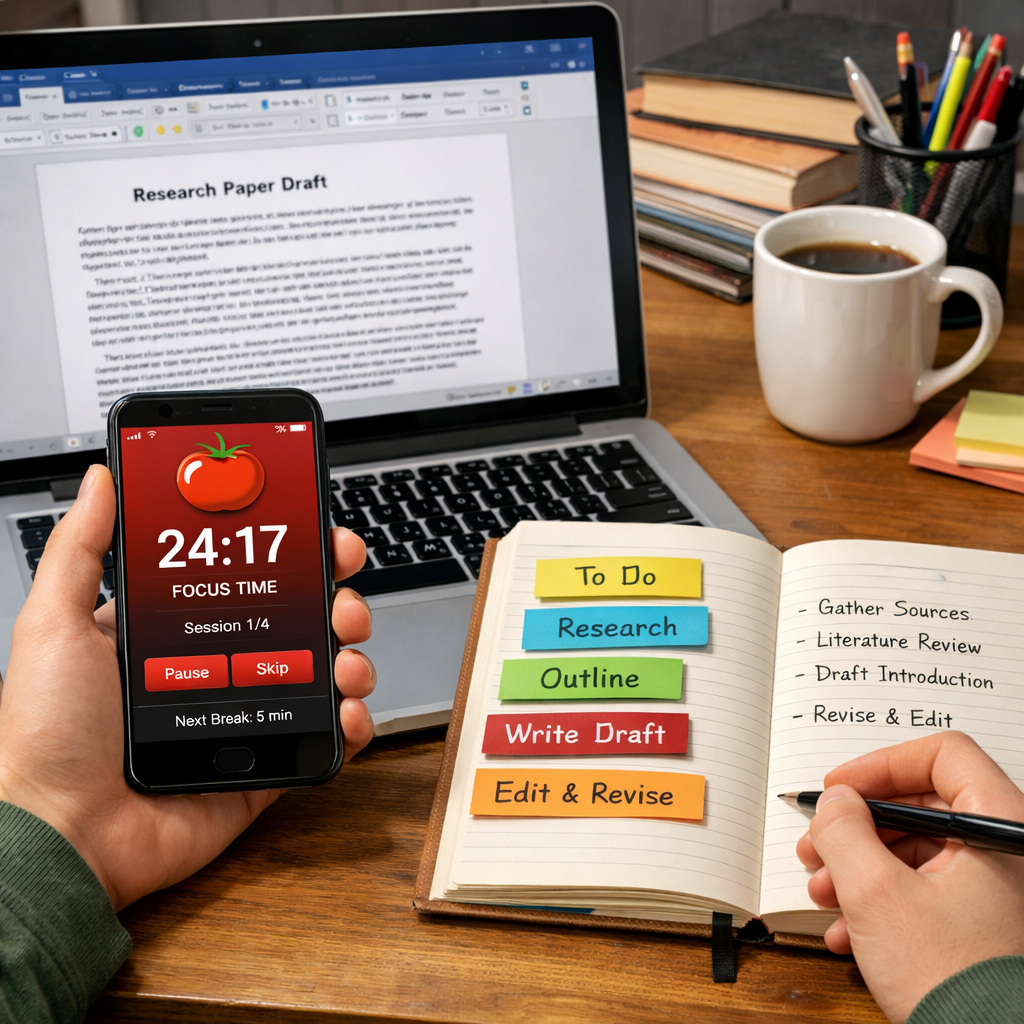
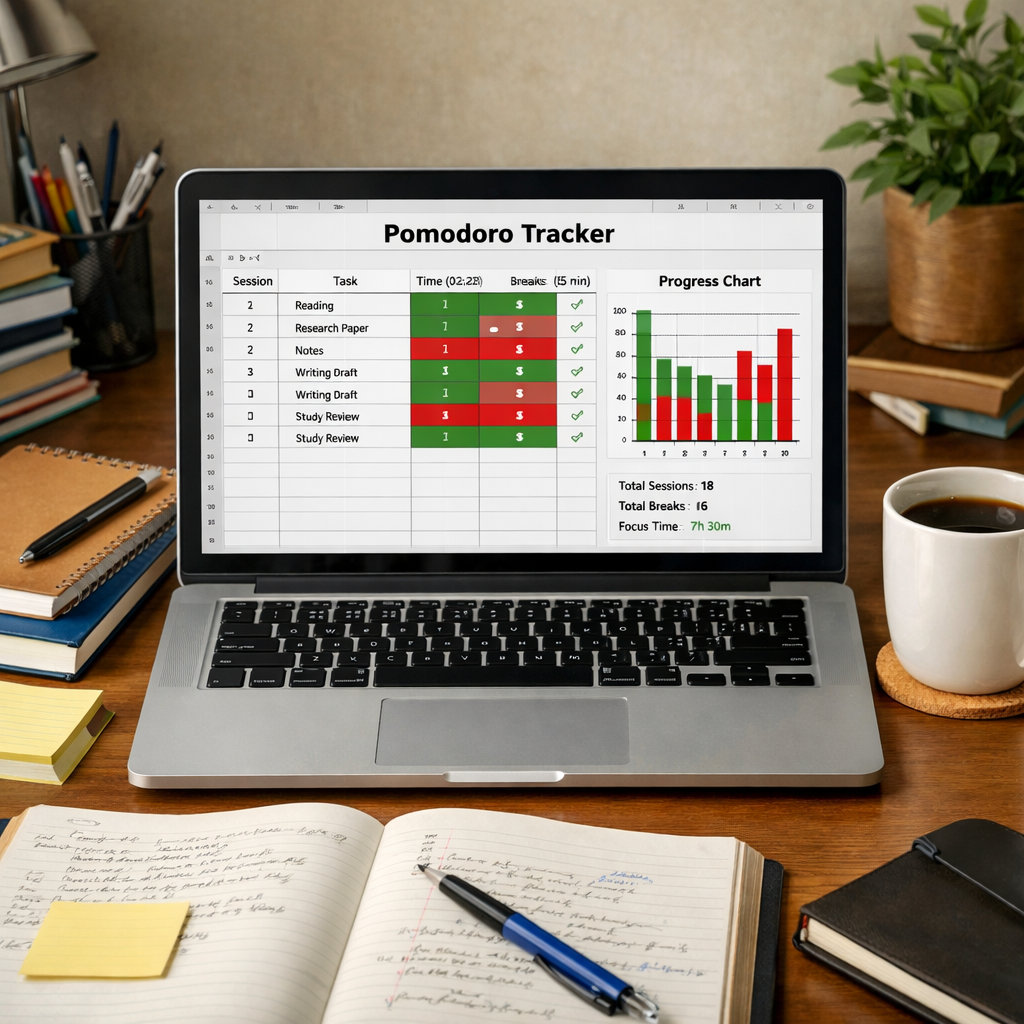
- Pomodoro Technique: Work in focused bursts (like 25 minutes) followed by short breaks (5 minutes). The timer is perfect for managing these intervals.
- Deep Work Sessions: Schedule longer blocks of time for tasks that require deep concentration, like writing a report or coding.
- Mindfulness: Be present with the task at hand. The timer helps keep your attention from wandering.
Tracking Time for Better Estimates
Ever guess how long a task will take and be way off? Yeah, me too. Using a task timer helps you get a real handle on how long things actually take. Over time, you’ll build up data that shows you your typical time for certain types of tasks. This is gold for planning future projects and giving accurate estimates to clients or your boss.
Here’s a simple breakdown:
| Task Type | Average Time (Previous Weeks) | Estimated Time (Next Week) |
|---|---|---|
| Writing Blog Post | 3 hours 15 minutes | 3 hours 30 minutes |
| Client Call | 45 minutes | 1 hour |
| Project Planning | 2 hours | 2 hours 15 minutes |
This kind of data makes your planning much more realistic. You stop over-promising and under-delivering, which is good for your reputation and your stress levels.
Integrating A Task Timer Into Your Workflow

So you’ve got your free task timer picked out, and you’re ready to start tracking. That’s great! But how do you actually make it a regular part of what you do every day? It’s not just about having the tool; it’s about making it work for you. This means fitting it into how you already operate, not the other way around.
Seamless Integration With Other Tools
Think about the apps and software you use daily. Does your task timer play nice with them? Many free timers offer integrations that can really smooth things out. For example, if you use a project management tool like Trello, you might be able to connect your timer so that starting a timer automatically updates your task status. This kind of connection means less manual updating and fewer chances for things to slip through the cracks. It’s about making your tools talk to each other so you don’t have to be the middleman.
- Connect your calendar: Sync your timed tasks with your calendar to get a visual overview of your day.
- Link to project management apps: Automatically log time against specific projects or tasks in tools you already use.
- Use browser extensions: Many timers have extensions that let you start and stop tracking directly from your web browser, without needing to open the main app.
The goal here is to reduce friction. If it’s easy to start tracking time, you’re much more likely to do it consistently. Look for tools that offer browser extensions or direct integrations with the software you rely on most.
Accessibility Across Devices
Life happens, and sometimes you’re not at your desk. Maybe you’re on your phone, or you need to quickly log time from a different computer. A good free task timer should be accessible from wherever you are. Most modern timers have web apps, desktop versions, and mobile apps. This means you can start a timer on your computer, pause it on your phone, and check your progress from a tablet. Having your time tracking available on all your devices is key to capturing every minute accurately. This flexibility stops you from losing track of time just because you switched locations or devices. It’s all about making sure the timer is there when you need it, no matter what.
Team Collaboration Features
If you work with others, integrating a task timer becomes a team effort. Many free options allow multiple users to track time under a shared account. This is super helpful for understanding how team time is being spent across different projects. You can see who’s working on what and for how long, which can help with workload distribution and identifying bottlenecks. It also makes billing clients much simpler if you track billable hours. Features like shared projects, team reports, and user roles help keep everyone on the same page and make sure time tracking is a collective win for streamlining workflows.
Here’s a quick look at what to expect:
| Feature | Benefit |
|---|---|
| Shared Projects | Track time for common tasks together. |
| Team Reports | See overall team productivity and time spent. |
| User Roles | Manage permissions and access levels. |
| Time Off Tracking | Keep track of vacation and sick days. |
| Attendance Tracking | Monitor daily work hours for the team. |
Maximizing Your Free Task Timer Investment
So you’ve got a free task timer set up and you’re starting to see some benefits. That’s great! But don’t just stop there. You can get even more out of this tool if you really dig in. Think of it like getting a free sample at the grocery store – you wouldn’t just eat one bite and walk away, right? You’d want to see what else they have to offer.
Leveraging Advanced Features
Most free task timers aren’t just basic stopwatches. They often come with features you might not even know about at first glance. Take a look at what else yours can do. Maybe it has ways to tag your time entries with specific keywords, or perhaps you can set up different projects and sub-projects. Don’t underestimate the power of good organization within the tool itself. It makes everything that follows much easier.
Here are some features to look out for:
- Customizable Reports: Can you filter your time by project, client, or date range? Can you export this data?
- Integrations: Does it connect with other apps you use, like your calendar or project management software?
- Team Features: If you work with others, are there ways to see team progress or assign tasks?
- Mobile Access: Can you track time on the go from your phone?
Utilizing Data For Better Estimates
This is where the real magic happens. Once you’ve been tracking your time for a while, you’ll start to build up a history of how long tasks actually take. This is gold for making future estimates. Instead of guessing, you can look back at your data.
Let’s say you need to estimate how long a new blog post will take. You can check your timer data:
| Task Type | Average Time Spent | Number of Times |
|---|---|---|
| Research | 1 hour 15 mins | 15 |
| Writing Draft | 2 hours 30 mins | 12 |
| Editing/Proofing | 45 mins | 18 |
| Image Sourcing | 20 mins | 16 |
Based on this, you can confidently tell your boss or client that a new post will likely take around 5 hours, not just a random guess.
Looking at your time tracking data isn’t just about seeing where your time went. It’s about learning from it. This information helps you become more realistic about your capacity and what you can commit to. It’s a feedback loop that helps you improve.
Continuous Learning And Adaptation
Your free task timer is a tool, and like any tool, you get better at using it with practice. Don’t be afraid to experiment. Try different ways of categorizing your tasks or using the reporting features. See what makes the most sense for you and your workflow. The more you use it and pay attention to the results, the more productive you’ll become. It’s an ongoing process, not a one-time setup. Keep tweaking and learning!
Wrap Up Your Productivity Push
So there you have it. Using a free online task timer isn’t some complicated trick; it’s a straightforward way to get a better handle on your day. Whether you’re trying to finish a big project or just want to stop feeling like time is slipping away, these tools can really make a difference. Give one a try – you might be surprised at how much more you can get done without spending a dime.
Frequently Asked Questions
What exactly is a task timer?
A task timer is a simple tool, often an app or website, that helps you keep track of how long you spend on different jobs or activities. Think of it like a stopwatch for your work. You start it when you begin a task and stop it when you’re done. It’s a great way to see where your time is actually going.
Why should I bother using a time tracker?
Using a time tracker can really boost how much you get done. It helps you notice when you get sidetracked, like by social media or other distractions. By seeing how long tasks take, you can get better at guessing how long future tasks will need, and you can focus more on what’s important.
Are there any costs involved with these free timers?
Many excellent task timers are completely free to use for individuals and even small teams. They offer all the basic features you need to track your time effectively. Sometimes, there are paid versions with extra advanced features, but you can get a lot done with the free options.
How can a timer help me focus better?
When you know you’re timing yourself, you’re more likely to stay on task. It’s like having a little coach telling you to concentrate. Plus, many timers use techniques like the Pomodoro Technique, where you work in focused bursts with short breaks, which helps prevent burnout and keeps your mind sharp.
Can I use a free timer on my phone and computer?
Absolutely! Most modern free task timers are designed to work everywhere. You can usually access them through a web browser on your computer, and many also have handy mobile apps for your phone or tablet. This means you can track your time no matter where you are.
What if I want to track time for my whole team?
Many free task timers are built for teams. They let multiple people track their time, and you can often see reports for the whole group. This is super helpful for understanding team workload, seeing how long projects take collectively, and making sure everyone’s contributions are accounted for.