
Getting started on tasks can feel like a huge hurdle, especially when you have ADHD. It’s not about being lazy; it’s about how your brain works. This article dives into why task initiation ADHD is such a common struggle and offers practical ways to get things done. We’ll look at simple tricks to get the ball rolling and how to make tasks less of a drag. Plus, we’ll cover setting up your space and your mind for success. Let’s figure out how to tackle that to-do list!
Key Takeaways
- Task initiation ADHD challenges stem from neurological differences, not a lack of willpower or laziness.
- Short bursts of focused effort, like the 10-Minute Momentum Method or the Five-Second Rule, can help overcome the initial barrier to starting.
- Making tasks more engaging by connecting them to personal interests or using dopamine-friendly techniques can boost motivation.
- Structuring your environment with visual cues, reminders, and minimizing distractions creates external support for task initiation.
- Developing a supportive mindset that includes self-compassion and celebrating small victories is vital for sustained progress in task initiation with ADHD.
Understanding Task Initiation Challenges with ADHD
So, you know that feeling when you have a bunch of stuff to do, but actually starting any of it feels like trying to push a boulder uphill? Yeah, that’s task initiation, and for folks with ADHD, it can be a real hurdle. It’s not about being lazy or just putting things off because you don’t want to. It’s way more complicated than that.
The Neurological Basis of ADHD Procrastination
Think of your brain like a busy internet browser with a million tabs open. That scattered, overwhelmed feeling? That’s often what’s happening internally. When a task pops up, especially if it’s not super interesting or feels overwhelming, your brain has to work extra hard just to get going. It’s like needing a huge amount of ‘activation energy’ to get the ball rolling, and sometimes, that energy just isn’t there. This isn’t a moral failing; it’s how the ADHD brain is wired. The struggle to start is often a protective mechanism against feeling overwhelmed or anxious about potential failure. It’s easier to not start than to face the possibility of messing up.
Distinguishing ADHD Paralysis from Laziness
This is a big one. People often confuse the inability to start a task with simple laziness. But they’re not the same thing at all. Laziness implies a choice not to act, often due to a lack of desire. ADHD paralysis, on the other hand, is an inability to act, even when you desperately want to or know you should. It’s that feeling of being stuck, frozen, unable to bridge the gap between intention and action. This paralysis can stem from a few things:
- Lack of Intrinsic Motivation: If a task doesn’t spark your interest, getting started is tough.
- Perfectionism: The fear of not doing something perfectly can stop you from starting altogether.
- Task Aversion: Unpleasant or boring tasks are often put on the back burner.
- Decisional Procrastination: Sometimes, just deciding how to start can lead to not starting at all.
It’s important to remember that these challenges are rooted in executive functioning differences, not a lack of effort or willpower. The brain is genuinely struggling with the process of getting started.
The ‘Now or Not Now’ Brain
People with ADHD often experience time differently, sometimes described as a ‘now or not now’ mentality. This means that things that aren’t immediately present or don’t offer instant rewards can feel incredibly distant and unimportant. Planning for the future or working on tasks with delayed gratification becomes a significant challenge. The brain is wired to seek immediate stimulation and reward, making it difficult to engage with tasks that require sustained effort for a future payoff. This can make initiating tasks that don’t offer that instant dopamine hit feel almost impossible. It’s like your brain is saying, "If I can’t see the benefit right now, why bother?" This is why finding ways to make tasks more engaging or to create immediate positive feedback is so important for getting started.
Strategies to Build Momentum for Task Initiation
Sometimes, just getting the ball rolling feels like the hardest part, right? It’s like your brain has this invisible wall up, and you’re just staring at it, unsure how to even begin chipping away. This isn’t about being lazy; it’s about how our brains are wired. The good news is, there are some pretty neat tricks to get things moving without needing a superhero cape.
The 10-Minute Momentum Method
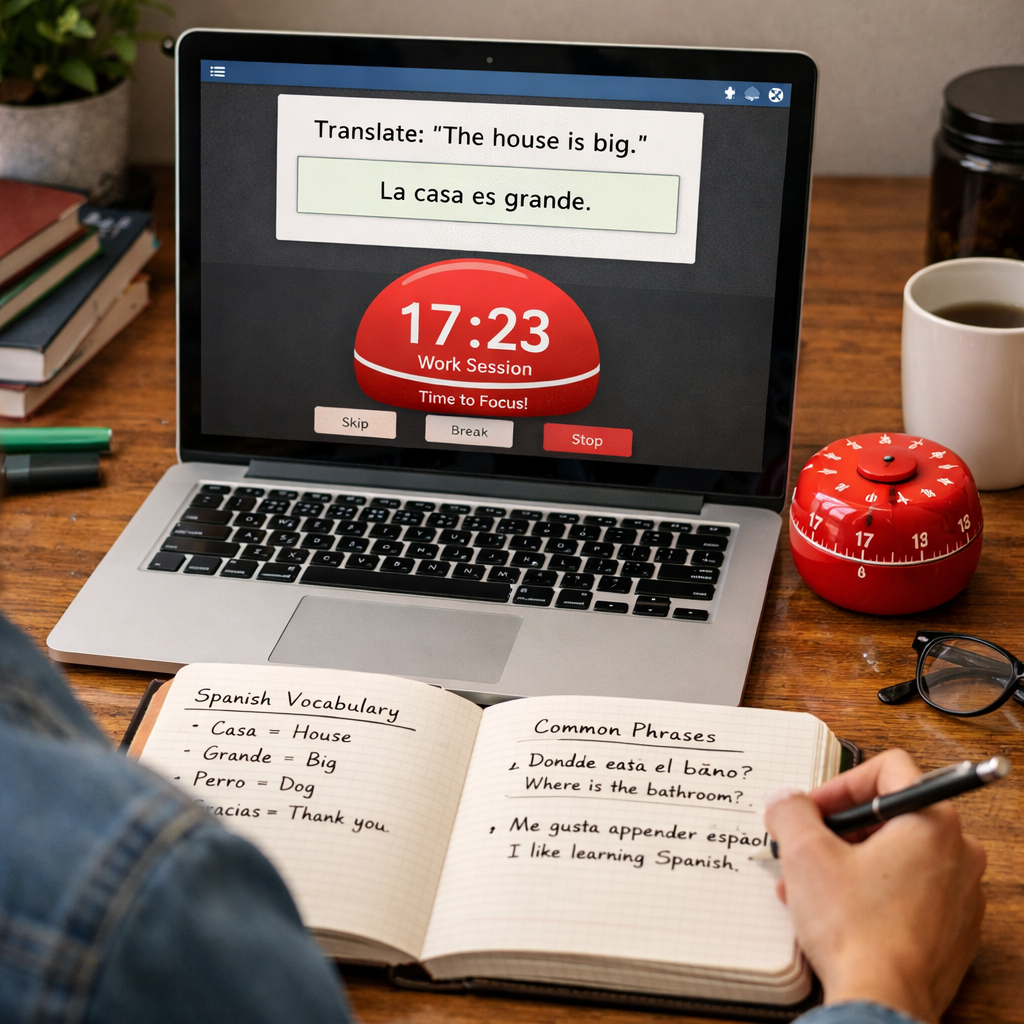
This one’s a lifesaver when a task feels huge and impossible. The idea is simple: commit to working on the task for just 10 minutes. That’s it. Set a timer. During those 10 minutes, you don’t have to be perfect, you don’t have to finish, you just have to do. Often, once you’ve started and built up a little steam, you’ll find it’s much easier to keep going. If after 10 minutes you’re still feeling stuck, that’s okay too! You’ve still made progress, and you can decide then if you want to do another 10 minutes or take a break.
The Five-Second Rule for Action
This strategy comes from Mel Robbins, and it’s basically a rocket launch for your brain. When you have an idea or a task you need to start, count down from five: 5-4-3-2-1, and then move. The moment you hit ‘1’, you physically move towards starting the task. This interrupts the overthinking and hesitation that can creep in. It’s about acting before your brain has a chance to talk you out of it. Think of it like a surprise party for your to-do list – you just gotta jump in!
Leveraging the Two-Minute Rule
This rule, popularized by David Allen, is fantastic for tackling those small, nagging tasks that tend to pile up. If a task takes less than two minutes to complete, do it immediately. Don’t put it on a list, don’t think about it, just do it. Things like answering a quick email, putting a dish in the dishwasher, or filing a single document. Clearing these little things off your plate can reduce mental clutter and free up energy for the bigger stuff. It also builds a habit of quick action, which can spill over into starting larger tasks.
Starting is often the biggest hurdle. Instead of focusing on finishing the entire project, break it down into the absolute smallest, most manageable first step. What’s the very first physical action you need to take? It might be as simple as opening your laptop, finding a pen, or putting on your workout shoes. Once that tiny step is done, the next one often feels a little less daunting.
Here’s a quick look at how these can help:
- 10-Minute Method: Reduces the perceived size of a task, making it less intimidating.
- Five-Second Rule: Overcomes mental hesitation by prompting immediate physical action.
- Two-Minute Rule: Clears small tasks quickly, reducing clutter and building action habits.
These aren’t magic bullets, but they are practical tools that can make a real difference when you’re staring down a task and feeling that familiar resistance.
Making Tasks More Appealing for ADHD Brains

Let’s be honest, sometimes the biggest hurdle with ADHD isn’t actually doing the task, it’s just getting started. Our brains often crave novelty and immediate reward, which makes staring down a boring, long-term project feel like a special kind of torture. The good news? We can trick our brains into cooperating. It’s all about making the mundane a little more exciting.
Injecting Personal Interest into Assignments
This is where you get to be a detective for your own brain. How can you connect this task, however dull, to something you actually care about? Maybe that history paper can be about a historical figure who was also an inventor, or perhaps that spreadsheet can be used to track your favorite sports team’s stats. Finding that personal hook is key to making a task feel less like a chore and more like a puzzle you’re interested in solving. It’s about reframing the ‘why’ so it resonates with you.
Dopamine-Friendly Study Sessions
Our brains run on dopamine, and boring tasks don’t exactly provide a steady supply. So, how do we boost it? Think about adding elements that naturally spark interest. This could mean:
- Music and Movement: Put on some upbeat music, or even better, a playlist that changes tempo. Stand up and stretch every 15 minutes, or do a quick dance break. Anything to keep the body engaged.
- Sensory Tools: Fidget toys, colorful pens, or even just a nice-smelling candle can make your workspace more inviting and stimulating.
- Gamification: Turn studying into a game. Use timers for focused bursts, reward yourself for hitting milestones, or even try out some gamification techniques to make learning feel like a quest.
Rotating Preferred and Non-Preferred Tasks
Nobody likes doing the same thing all day, especially when some of those things are just plain yucky. A great strategy is to alternate between tasks you enjoy (or at least tolerate) and those you dread. This way, you get little bursts of satisfaction from the preferred tasks, which can give you the energy to tackle the less appealing ones. It’s like a reward system built right into your day. You could even set up a simple chart:
| Task Type | Example | Order | Reward |
|---|---|---|---|
| Non-Preferred | Filing Taxes | 1st | 15-minute break with a fun video |
| Preferred | Reading a novel | 2nd | |
| Non-Preferred | Cleaning the bathroom | 3rd | A special snack |
| Preferred | Working on a hobby project | 4th |
The trick here is to make sure you actually do the non-preferred task before you allow yourself the pleasure of the preferred one. It’s about building momentum, not just jumping to the fun stuff.
By consciously making tasks more engaging, we’re not just trying to make things easier; we’re working with our ADHD brains, not against them. It’s about finding ways to make the work itself a little more rewarding.
Structuring Your Environment for Success
Sometimes, our brains just need a little help from the outside world to get going. Think of it like setting up a stage for a play – you need the right props, lighting, and backdrop for the performance to happen smoothly. For those of us with ADHD, our environment can either be a major roadblock or a secret weapon when it comes to starting tasks.
Creating External Accountability Systems
Internal motivation can be a tricky thing with ADHD. It’s not that we don’t want to do things, but sometimes, the drive just isn’t there. That’s where external accountability comes in. It’s like having a friendly nudge from the outside to keep you on track. This could be as simple as working alongside someone else, even if you’re doing different things. This practice, often called "body doubling," can make a big difference. You might be paying bills while your child does homework, or working on your own project while a friend tackles theirs. It creates a shared sense of purpose without direct supervision.
Here are a few ways to build these systems:
- Body Doubling: Simply having someone else present, working on their own tasks, can help you stay focused.
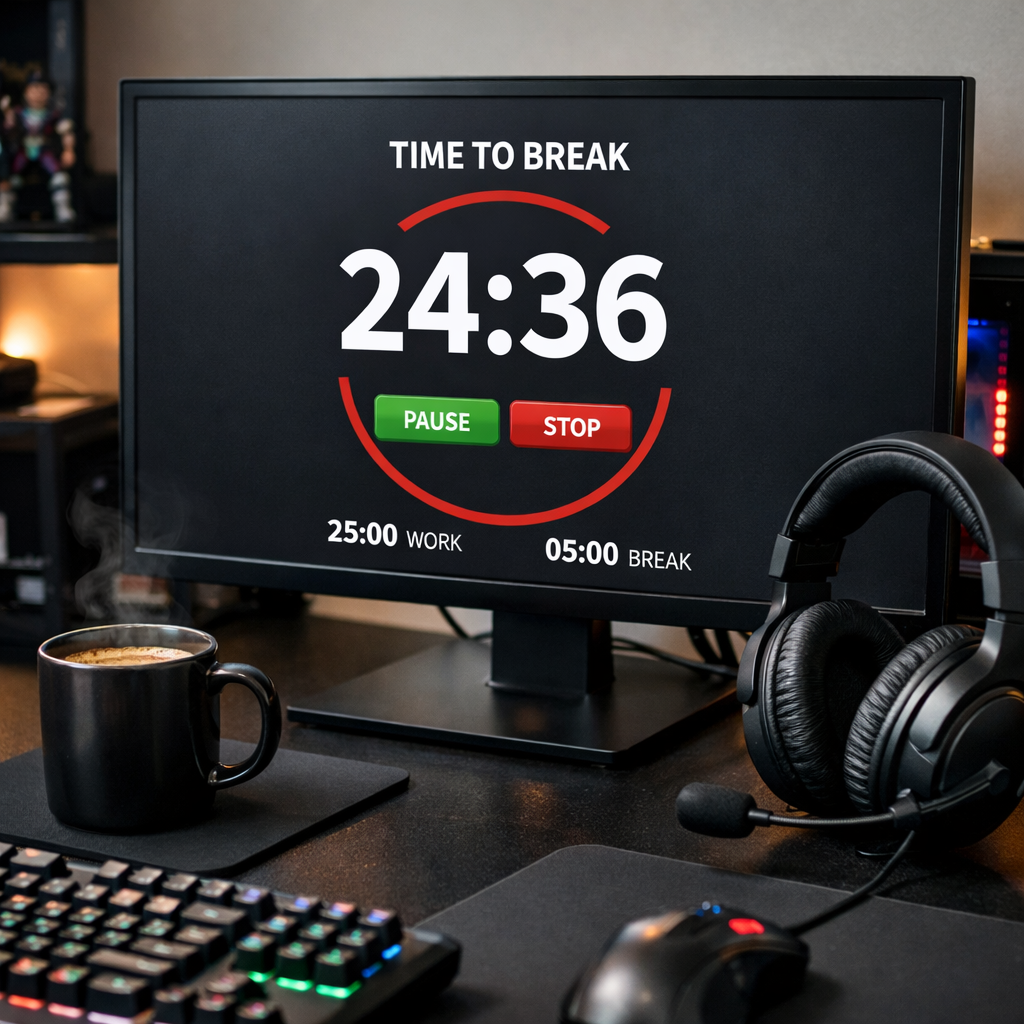
- Check-in Timers: Set alarms for focused work intervals (like 25 minutes) followed by short breaks. Knowing a break is coming makes the work period feel more manageable.
- Accountability Partners: Find a study buddy, a colleague, or even a family member who can check in on your progress regularly. This doesn’t mean they have to do the work for you, just that they’ll ask how it’s going.
Utilizing Visual Cues and Reminders
Our brains are often drawn to what’s visually stimulating. We can use this to our advantage! Instead of relying solely on our internal to-do list, which can easily get lost, we can create external visual prompts. Think bright sticky notes on your monitor, a whiteboard with your top priorities, or even color-coded folders. These visual cues act as constant, gentle reminders of what needs to be done, helping to bypass that initial hurdle of remembering and initiating.
The key is to make these cues obvious and unavoidable. If they’re hidden away, they won’t serve their purpose. Think about placing them where you’ll see them first thing when you sit down to work or when you enter the room where the task needs to happen. It’s about making the task visible before it even becomes a thought.
Minimizing Sensory Distractions
For many with ADHD, the world can feel like a constant barrage of sensory input. A ticking clock, a distant siren, or even the hum of a refrigerator can pull our attention away from the task at hand. Creating a workspace that minimizes these distractions is super important. This might mean finding a quiet spot, using noise-canceling headphones, or even just decluttering your desk. The goal is to reduce the number of things competing for your brain’s limited attention, making it easier to focus on the one thing you actually need to do. It’s about making your environment work for you, not against you. If you’re looking for ways to manage your tasks better, exploring strategies to overcome procrastination can offer a good starting point.
Planning and Prioritizing with ADHD
Okay, so planning and prioritizing can feel like trying to herd cats when you’ve got ADHD, right? It’s not that we don’t want to get things done, it’s just that our brains work a little differently. That mental to-do list? Yeah, that’s a recipe for forgetting things and jumping between tasks like a pinball. We need systems that work with our brains, not against them.
Backwards Planning for Clear Steps
This is a game-changer. Traditional planning asks you to look ahead and map out a whole project, which can feel overwhelming and impossible to visualize. Backwards planning flips that. You start with the finish line – the due date – and work your way back. It breaks down that giant, scary project into smaller, manageable steps that feel way more doable.
Here’s how it works:
- Pinpoint the final due date and time. Be specific.
- Add buffer time. Seriously, add extra time for unexpected delays or just the general "ADHD tax" where things take longer than you think.
- Schedule specific work sessions. Block out time in your calendar for each step. Treat these like appointments you can’t miss.
- Set alerts. Phone alarms, calendar reminders, sticky notes – whatever works to remind you when a session starts.
- Plan rewards. What will you get after completing a work block or a specific step? Having something to look forward to helps a ton.
The key here is making the future feel less abstract. By working backward, you create a clear, step-by-step path that your brain can actually follow, reducing that "where do I even start?" paralysis.
Creating Artificial Urgency with Mini-Deadlines
Our ADHD brains often respond best to urgency. The problem is, most tasks don’t have that built-in pressure until the very last minute. So, we have to create it ourselves! This means breaking down big projects into smaller chunks, each with its own mini-deadline. It’s like creating a series of mini-finish lines to keep you moving forward.
Think about it:
- Gamify it: Turn tasks into "time challenges." Can you finish this section in 20 minutes? What about before your favorite show starts?
- Mini-deadlines with consequences: If you don’t finish step A by Tuesday, then step B becomes much harder or you miss out on a small, planned reward. It doesn’t have to be drastic, just enough to create a little nudge.
- "Submission parties": Schedule times to "turn in" completed sections of a project, even if it’s just to yourself or a friend. This creates a sense of completion and accountability.
Scheduling Work Sessions with Alerts
This ties into both backwards planning and mini-deadlines. You can’t just hope you’ll get to work; you need to schedule it. And since our attention can wander, those scheduled sessions need reminders. Setting up alerts for when a work session should start, and even when it should end (hello, built-in break!), is super important. It’s about creating external structure to support your internal efforts. These scheduled blocks, combined with alerts, act as external cues that help you transition into and out of tasks.
Cultivating a Supportive Mindset

Embracing Self-Compassion
Look, starting tasks when you have ADHD can feel like trying to push a boulder uphill. Some days it’s just plain hard, and that’s okay. Instead of beating yourself up when you get stuck or procrastinate, try being a little kinder to yourself. Think about how you’d talk to a friend who’s struggling – you’d probably offer encouragement, right? Do that for yourself. Recognize that task initiation challenges aren’t a sign of weakness, but a part of how your brain works. It’s about understanding your unique wiring and working with it, not against it.
Celebrating Small Wins
Big goals can feel overwhelming, making it tough to even get started. So, let’s break it down. Instead of focusing on the massive end result, pay attention to the tiny steps you take along the way. Did you open the document? That’s a win. Did you write one sentence? Huge win! Keep a list, a journal, or even just a mental note of these small victories. Seeing that you’re making progress, no matter how small, can really build up your confidence and make the next step feel a little less daunting.
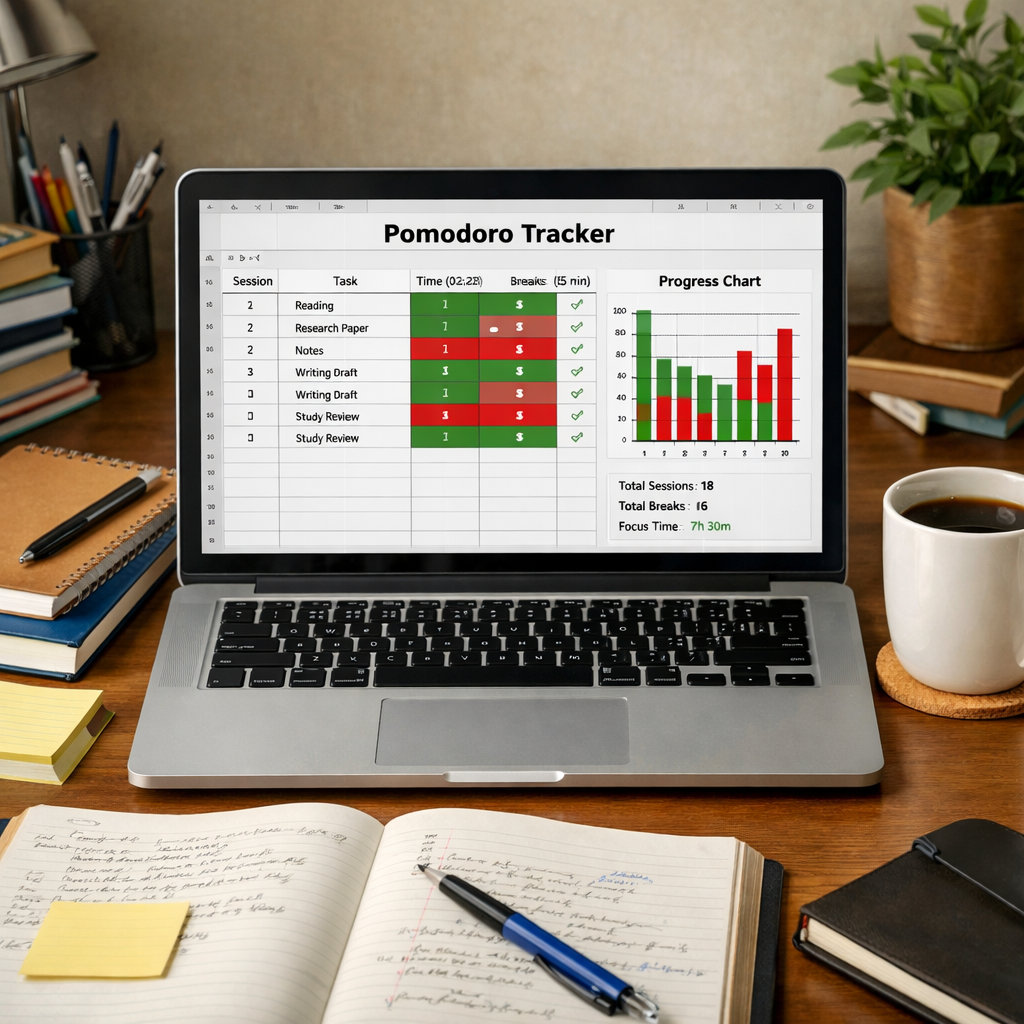
Here’s a simple way to track it:
- Task: Write a report
- Step 1: Opened the file (Win!)
- Step 2: Wrote the title (Another win!)
- Step 3: Drafted the introduction paragraph (Yes!)
The Power of Positive Reinforcement
Our brains, especially ADHD brains, often respond really well to rewards. Think of it like training a puppy – positive feedback makes a behavior more likely to happen again. This doesn’t have to be anything huge. Maybe after you finish a small chunk of work, you allow yourself five minutes to scroll through social media, grab your favorite snack, or listen to a song you love. The key is to make the reward immediate and something you genuinely look forward to. It helps your brain associate the effort of starting and working with something good, making it easier to initiate the next time.
Sometimes, just having someone else present, even if you’re not working on the same thing, can make a difference. It’s like our brains feel less alone and the task seems a bit more manageable. So, maybe try a virtual co-working session with a friend.
Keep Going, You’ve Got This
So, we’ve talked a lot about why getting started can be such a tough hurdle, especially with ADHD. It’s not about being lazy or not caring; it’s about how your brain works. Remember those strategies we covered – like the 10-minute trick, breaking things down differently, or finding ways to make tasks more interesting? They’re not magic bullets, but they are tools. The real win is understanding yourself better and being kinder when you stumble. Every small step you take to start something, no matter how tiny, is a victory. Keep trying different approaches, be patient with yourself, and celebrate those moments when you actually get going. You’re building new habits, and that takes time and practice. You can absolutely learn to manage this and get things done.
Frequently Asked Questions
Is ADHD procrastination different from just being lazy?
Absolutely. Regular procrastination is often about putting things off because you don’t feel like doing them. But with ADHD, it’s way more than that. It’s like your brain has a harder time getting started, even on things you want to do. It’s not about laziness; it’s about how your brain is wired differently, making it tough to kickstart tasks, especially if they don’t feel super exciting right away.
When should parents start helping their kids with ADHD procrastination?
It’s best to start building helpful habits as soon as you know your child has ADHD, often in elementary school. The earlier you introduce systems that work with their brain, the better. But don’t worry if you’re starting later! Many older students and even adults can learn these skills and make big improvements.
Can ADHD medicine fix procrastination?
Medication can definitely help with focus and making it a bit easier to start tasks for some people with ADHD. However, it’s usually not a magic fix for procrastination all by itself. The most effective way to tackle it is by combining medication, if it’s right for you, with smart strategies and skills that help your brain get going.
How can I get my child to do their work without constant arguments?
Try to make things less about fighting and more about systems. Instead of nagging, set up reminders, use visual aids, and create clear steps. Think of yourself as building a helpful structure for them, rather than being the ‘task police.’ This way, you can avoid a lot of the conflict.
Should I just let my child face the consequences if they don’t do their work?
Using consequences can be part of learning, but letting kids fail completely can really hurt their self-esteem, which is already fragile with ADHD. It’s better to let them experience small slip-ups, like forgetting a minor assignment, while stepping in to prevent big problems, like failing a class. The goal is to help them learn better habits, not to punish them.
What are some simple ways to get started on a task when I feel stuck?
When you feel stuck, try the ’10-Minute Momentum Method’ – just commit to working for 10 minutes. Often, once you start, it’s easier to keep going. Another trick is the ‘Five-Second Rule’: count down from five and then just start. It’s about tricking your brain into action before it can protest too much.