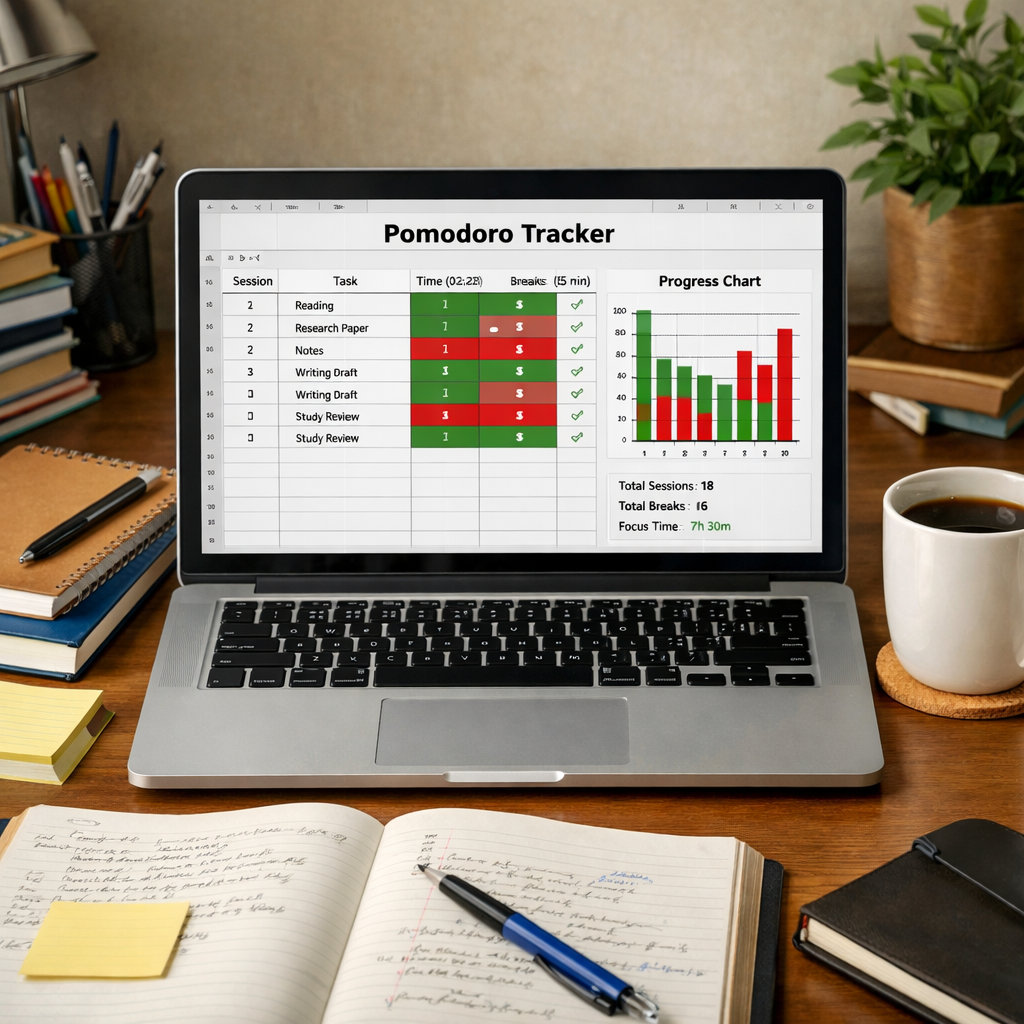

Trying to get work done can feel like a constant battle against distractions. Phones buzzing, social media alerts, or just that nagging feeling you should be doing something else – it’s a lot. But what if there was a simple tool to help you cut through the noise? Enter the study timer. This guide is all about how to use a study timer to actually get things done, making your study sessions more productive and less stressful.
Key Takeaways
- A study timer breaks your work into focused chunks, making tasks feel more manageable and preventing burnout.
- Popular methods like the Pomodoro Technique use timed intervals for work and breaks, training your brain to concentrate better.
- Setting clear goals, creating a quiet space, and sticking to your timer’s schedule are key to making it work for you.
- Digital and online timers offer lots of options, from simple countdowns to visually appealing ‘aesthetic’ timers that can make studying more enjoyable.
- Integrating a study timer into your routine consistently is more important than the specific type of timer you choose.
Understanding The Power Of A Study Timer
What Is A Study Timer?
A study timer is basically a tool that helps you manage your time while you’re trying to get work done. Think of it like a personal coach for your focus. Instead of just staring at the clock and hoping for the best, a study timer breaks your work into specific chunks, usually followed by short breaks. This approach is built on the idea that our brains actually work better in short, focused bursts rather than trying to power through for hours on end. It’s a simple concept, but it can really change how you approach your tasks.
Key Benefits Of Using A Study Timer
Using a timer isn’t just about counting down minutes; it’s about actively improving your study habits. Here are some of the main perks:
- Better Focus: When you know you only have a set amount of time for a specific task, it’s easier to block out distractions and really concentrate on what you need to do. No more drifting off into social media land.
- Increased Efficiency: Timers encourage you to get things done within a certain timeframe. This can make you more productive because you’re working with a clear deadline for each study block.
- Reduced Burnout: The built-in breaks are a lifesaver. They give your brain a chance to rest and recharge, preventing that feeling of being completely drained after a long study session.
- Progress Tracking: Many timers help you see how much time you’re actually spending on tasks. This awareness can be super motivating and helps you understand where your time is going.
The real magic of a study timer lies in its ability to create structure where there might otherwise be chaos. It provides a clear start and end to your work periods, making tasks feel more manageable and less overwhelming.
Why A Dedicated Study Clock Matters
Sure, you could just use the clock on your phone or computer, but a dedicated study clock offers something a little different. It’s a tool specifically designed for focused work. This means it’s less likely to have distracting notifications popping up, and it often comes with features tailored for study sessions, like different interval settings. It helps create a mental boundary between ‘study time’ and ‘everything else,’ making it easier to get into the right mindset. Having a visual, dedicated timer can be a powerful psychological cue to start focusing.
Popular Study Timer Methods To Boost Focus
Sometimes, just having a timer isn’t enough. You need a method, a strategy, to actually make that timer work for you. Luckily, there are a few tried-and-true ways people use timers to really zero in on their studies. These aren’t just random time blocks; they’re designed to work with your brain, not against it.
The Pomodoro Technique Explained
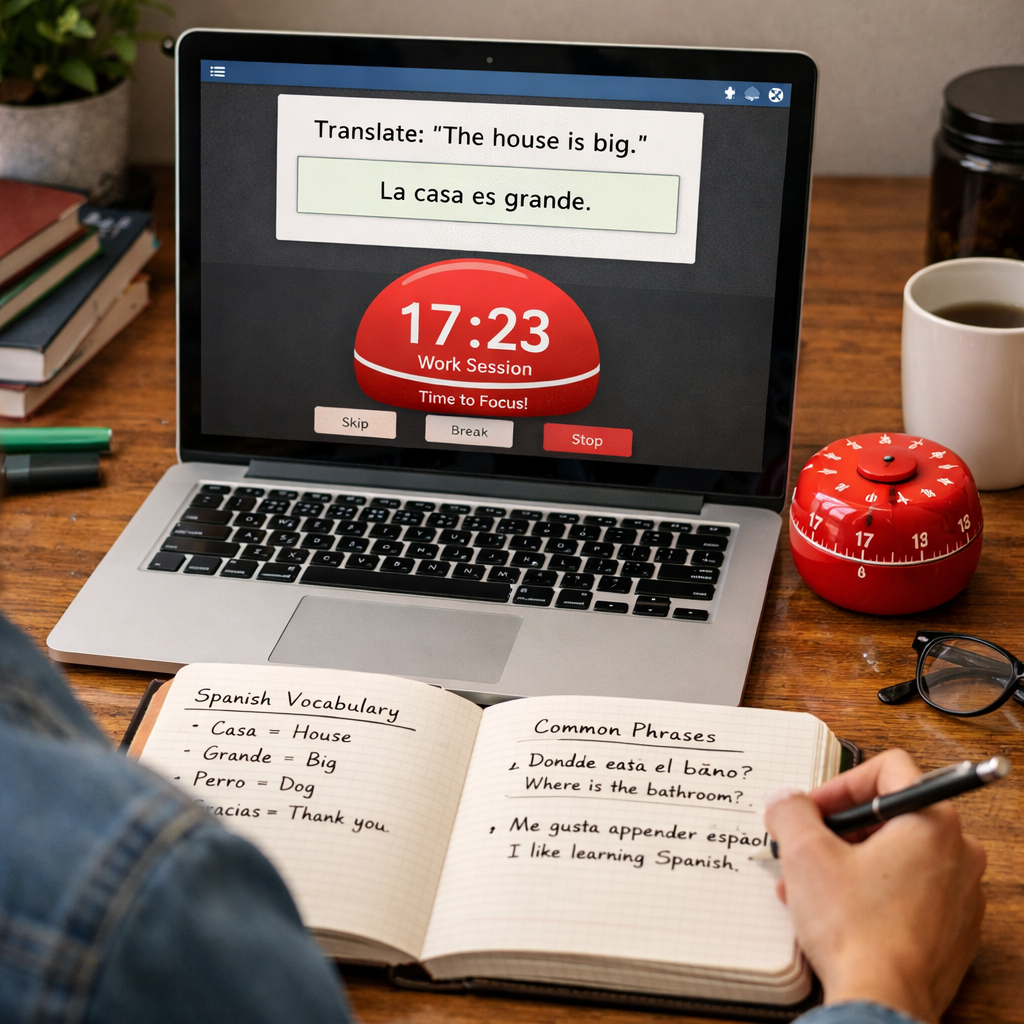
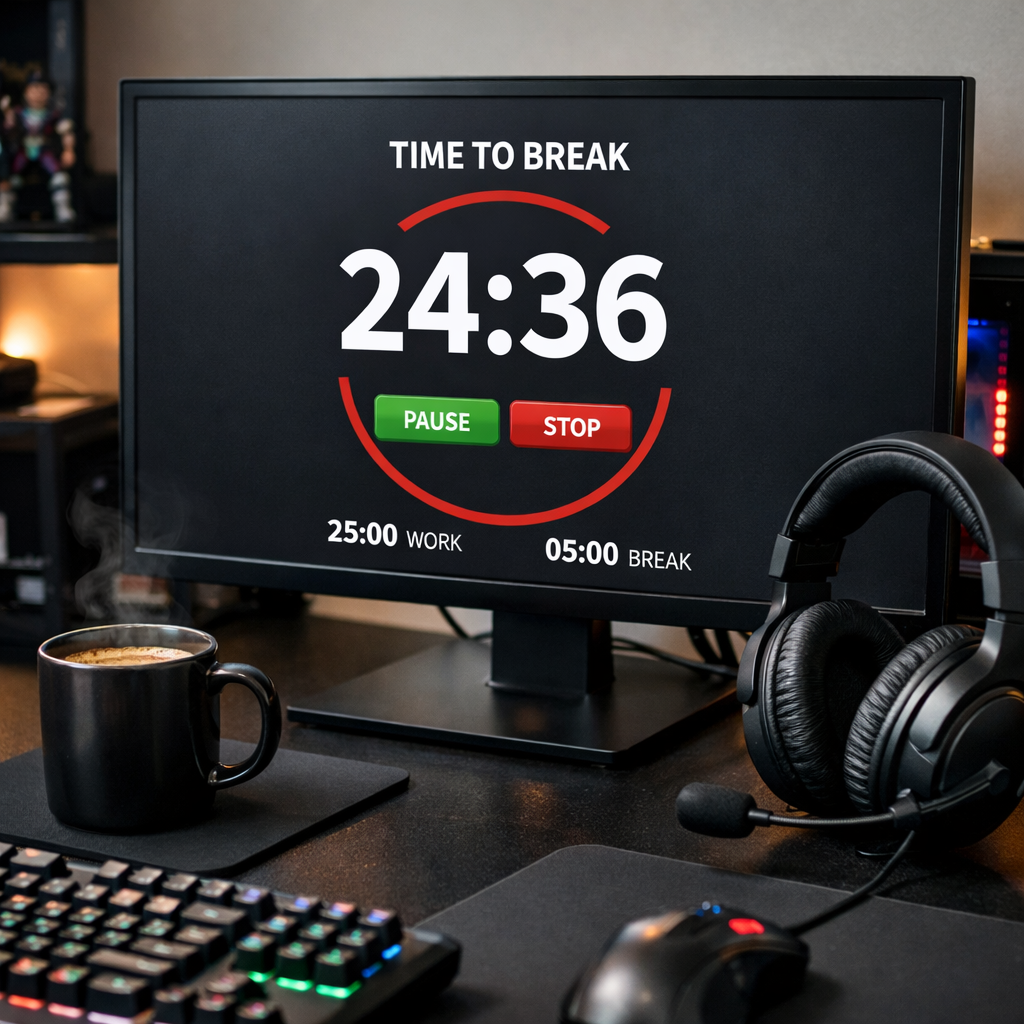
This is probably the most famous one out there. The Pomodoro Technique is all about breaking your work into short, focused bursts, traditionally 25 minutes long, followed by a short 5-minute break. After about four of these work-break cycles, you take a longer break, maybe 15 to 30 minutes. It sounds simple, but it’s surprisingly effective.
- It makes big tasks feel less overwhelming. You’re just focusing on getting through the next 25 minutes, not the whole mountain of work.
- Regular breaks prevent burnout. That short 5-minute break is just enough time to stand up, stretch, grab some water, or just rest your eyes without getting too sidetracked.
- It builds a rhythm. Knowing a break is coming soon can help you push through those moments when you feel like giving up.
The core idea is to work with time, not against it. By setting clear boundaries for work and rest, you train your brain to be more efficient during the work periods and truly relax during the breaks.
Exploring Cube Timers
These are physical timers, often shaped like a cube, where each side is pre-set to a different time interval. You just flip the cube so the desired time is facing up, and it starts counting down. They’re super straightforward and great if you prefer something tangible.
- Simplicity: No apps, no settings, just flip and go.
- Tactile: Some people find physically interacting with a timer more engaging.
- Quick Tasks: Perfect for short review sessions or specific, time-bound activities.
Leveraging Custom Timers
Not everyone’s brain works on a 25-minute cycle. That’s where custom timers come in. These let you set your own work and break intervals. Maybe you find you focus best for 45 minutes, or perhaps you need longer breaks. A custom timer lets you tailor the timing to your personal study style and energy levels.
- Personalization: Adjust intervals to match your focus span.
- Flexibility: Adapt to different types of tasks or subjects.
- Experimentation: Try different combinations to find what works best for you.
Maximizing Your Study Timer Effectiveness

So, you’ve got a timer, maybe it’s a fancy app or just your phone’s stopwatch. That’s great! But just having one isn’t the magic bullet. To really make it work for you, you’ve got to be a bit more intentional about it. It’s like having a really good tool but not knowing how to use it properly – you won’t get the best results.
Setting Clear Goals For Each Session
Before you even hit start on that timer, take a minute. What exactly do you want to get done in this study block? Don’t just say ‘study history.’ Be specific. Maybe it’s ‘read and summarize chapter 3’ or ‘complete 10 practice problems for calculus.’ Having a clear target makes your focus sharper. It gives you something concrete to aim for, and when you hit it, that’s a real win.
Here’s a quick way to think about it:
- What’s the main task? (e.g., Write essay introduction)
- What are the smaller steps? (e.g., Brainstorm ideas, outline points, write thesis statement)
- What does ‘done’ look like? (e.g., A completed outline and a drafted thesis)
Creating A Distraction-Free Environment
This one’s a biggie. Your timer can only do so much if you’re constantly getting pulled away. Think about your study space. Is it quiet? Is your phone buzzing every two minutes? You need to create a zone where your timer is the loudest thing in your head. That means putting your phone on silent, closing unnecessary browser tabs, and letting people around you know you need uninterrupted time. It might feel a bit extreme at first, but trust me, it makes a huge difference.
The less your brain has to switch gears, the more efficient it becomes. Every interruption, no matter how small, costs you momentum.
Adhering To Your Timer Schedule
This is where discipline comes in. When the timer says it’s time to work, you work. No excuses. And when it signals a break, you take that break. Don’t cheat yourself by cutting breaks short or working through them. Your brain needs that downtime to process information and recharge. Likewise, don’t let breaks stretch on forever. When the break timer ends, get back to it. Consistency is key here; it builds a rhythm that your brain will start to expect and adapt to.
Reviewing Your Progress Over Time
Don’t just finish a session and forget about it. Take a moment afterward to think about how it went. Did you meet your goal? Were you able to stay focused for the whole interval? Were there specific times you felt your focus slipping? Jotting down a few notes can be super helpful. You can see patterns, figure out what works best for you, and adjust your timer intervals or break lengths accordingly. It’s all about learning and tweaking the system to fit you perfectly.
| Metric | Session 1 | Session 2 | Session 3 |
|---|---|---|---|
| Goals Achieved | Yes | Mostly | Yes |
| Focus Level | High | Medium | High |
| Distractions | 1 | 3 | 0 |
| Satisfaction | Good | Okay | Great |
Digital And Online Study Timer Solutions
Exploring Digital Timer Options
Digital timers are pretty straightforward, right? You’ve got your basic countdown clock, often found on your phone or a standalone gadget. They’re super handy for keeping track of those focused work blocks. Think of them as your no-frills accountability partner. They’re great for when you just need a simple timer to tell you when to start and when to stop, without a lot of fuss. They’re portable too, so you can take them anywhere, which is a big plus if you study in different spots.
Utilizing Online Productivity Timers
This is where things get a bit more interesting. Online timers are way more than just a clock. Many of them come with extra features that can really help you stay on track. You can often set custom work and break times, which is awesome because not everyone’s study rhythm is the same. Some even let you track how much time you’re actually spending on tasks, which is eye-opening. Plus, they’re accessible from pretty much any device with internet, so no need to download anything extra.
Here are some common features you might find:
- Adjustable work and break intervals
- Notification sounds or visual alerts
- Progress tracking over time
- Integration with to-do lists
The Appeal Of Aesthetic Study Timers
Okay, so studying isn’t just about getting stuff done; it’s also about how you feel while you’re doing it. This is why those "aesthetic" study timers have gotten so popular, especially online. They focus on making your study space look and feel good. We’re talking soft colors, calming animations, maybe even nature sounds. It’s not just about looks, though. A nice-looking timer can actually set a mood that makes it easier to focus and feel more relaxed. It can take some of the stress out of studying, making it feel less like a chore and more like a calm, productive activity. It’s a subtle change, but it can make a big difference in sticking with your study habits.
Creating a pleasant study environment, even with just a visually appealing timer, can significantly impact your motivation and ability to concentrate. It turns a potentially mundane task into a more engaging experience.
Integrating A Study Timer Into Your Routine

So, you’ve got a timer, maybe it’s a fancy digital one, or perhaps just your phone’s stopwatch. That’s great, but how do you actually make it a regular part of your life? It’s not just about having the tool; it’s about making it work for you, day in and day out. Think of it like getting a new gym membership – you have to actually go to the gym for it to do anything, right? Same idea here.
Identifying Your Personal Study Needs
Before you even pick a timer, take a moment to think about how you actually study. Are you someone who can focus for long stretches, or do you get restless after 20 minutes? Do you have specific subjects that require more intense focus than others? Maybe you find that a short, sharp burst of work followed by a quick walk around the block is your jam. Or perhaps you prefer longer, more sustained periods of deep work. Knowing this helps you choose a timer method that actually fits your brain, not just some generic advice you read online. It’s about figuring out what makes you tick, so to speak.
Choosing The Right Study Timer For You
Once you know your needs, picking the right timer becomes easier. If you like structure and clear intervals, the Pomodoro Technique with its 25-minute work/5-minute break cycles might be perfect. If you need something more flexible, a custom timer where you set your own intervals could be the way to go. For those who like physical objects, a cube timer can be a simple, tactile option. And if you’re all about aesthetics and creating a calm study space, there are plenty of online timers with pleasing designs that can make the experience more enjoyable. Don’t feel pressured to use what everyone else is using; find what feels right for your workflow.
Building Consistent Study Habits
This is where the real magic happens. Consistency is key. Start small. If you’re new to timers, maybe begin with just one or two focused sessions a day. Don’t try to overhaul your entire study schedule overnight. Gradually increase the number of timed sessions as you get more comfortable. It’s also super important to actually stick to the schedule you set, including those breaks. Those breaks aren’t optional; they’re built into the system to prevent burnout and keep your mind fresh. Over time, these timed sessions will start to feel natural, and you’ll notice a real difference in how much you get done and how much less stressed you feel about your work.
The goal isn’t to be a robot, but to create a rhythm that supports your focus and prevents exhaustion. It’s about working smarter, not just harder, and finding a sustainable way to get your studying done.
Here’s a quick look at how different timer types might fit different needs:
| Timer Type | Best For |
|---|---|
| Pomodoro Timer | Structured work/break cycles, beginners |
| Custom Timer | Flexible schedules, specific task lengths |
| Cube Timer | Quick tasks, physical interaction |
| Aesthetic Timers | Creating a calming study environment |
| Digital Timers | Portability, precise timing |
Advanced Study Timer Techniques
So, you’ve got the basics down with your study timer. You know how to set it, you’re sticking to the schedule, and you’re seeing some improvement. That’s awesome! But what if you want to take things up a notch? There are ways to really fine-tune your timer use to fit your brain and your life better.
Customizing Intervals For Unique Schedules
Not everyone’s brain works on a strict 25-minute sprint. Maybe you find you get into a deep flow after 40 minutes, or perhaps you can only focus for 15 minutes before needing a stretch. That’s totally fine. The beauty of many modern timers, especially digital ones, is their flexibility. Don’t be afraid to experiment.
- Identify your peak focus times: When do you feel most alert and ready to tackle tough material?
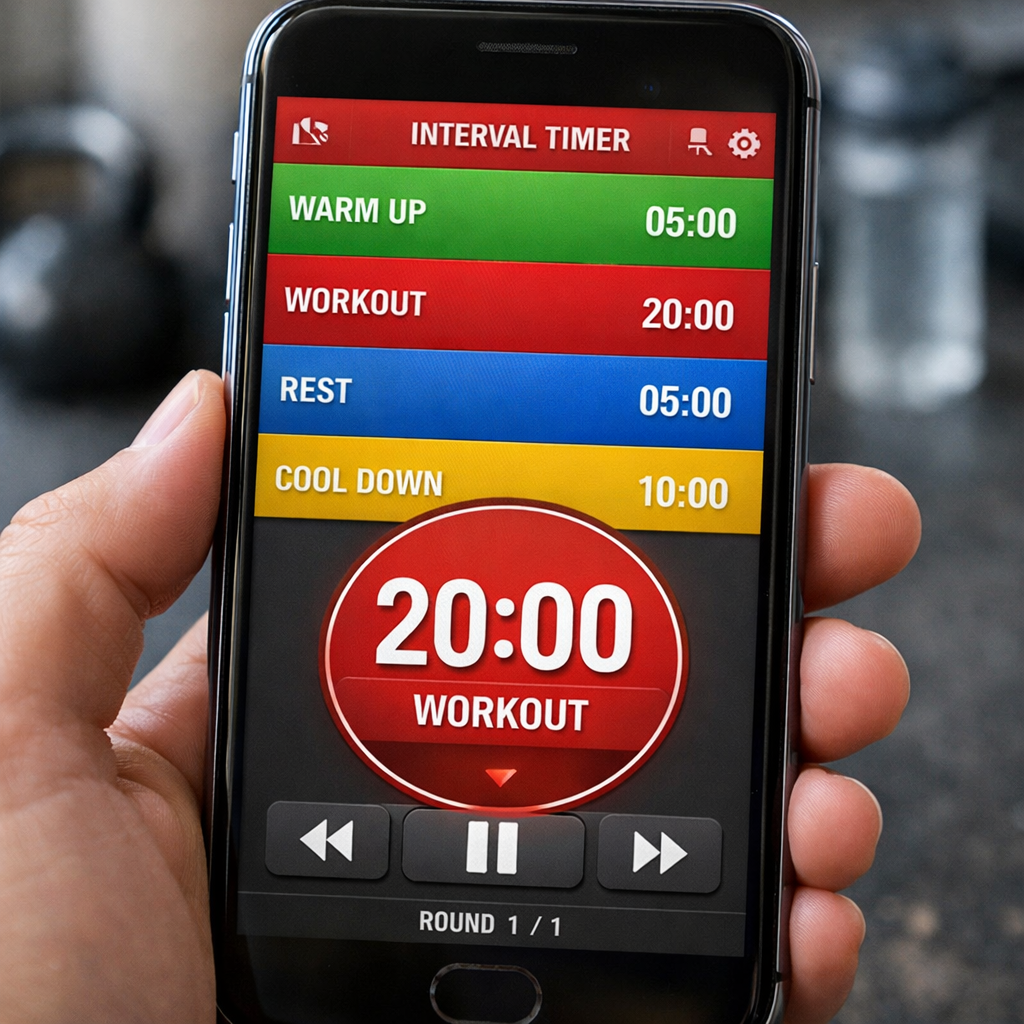
- Experiment with different work/break ratios: Try 40 minutes work/10 minutes break, or even 15 minutes work/5 minutes break for shorter, more intense bursts.
- Listen to your body: If you’re consistently feeling drained at the end of a 25-minute block, shorten it. If you’re hitting your stride at 45 minutes, extend it.
Using Timers For Task Management
Timers aren’t just for blocking out study time; they can also be fantastic for breaking down big projects. Instead of looking at a massive assignment and feeling overwhelmed, you can use your timer to tackle it piece by piece.
Here’s a simple way to approach it:
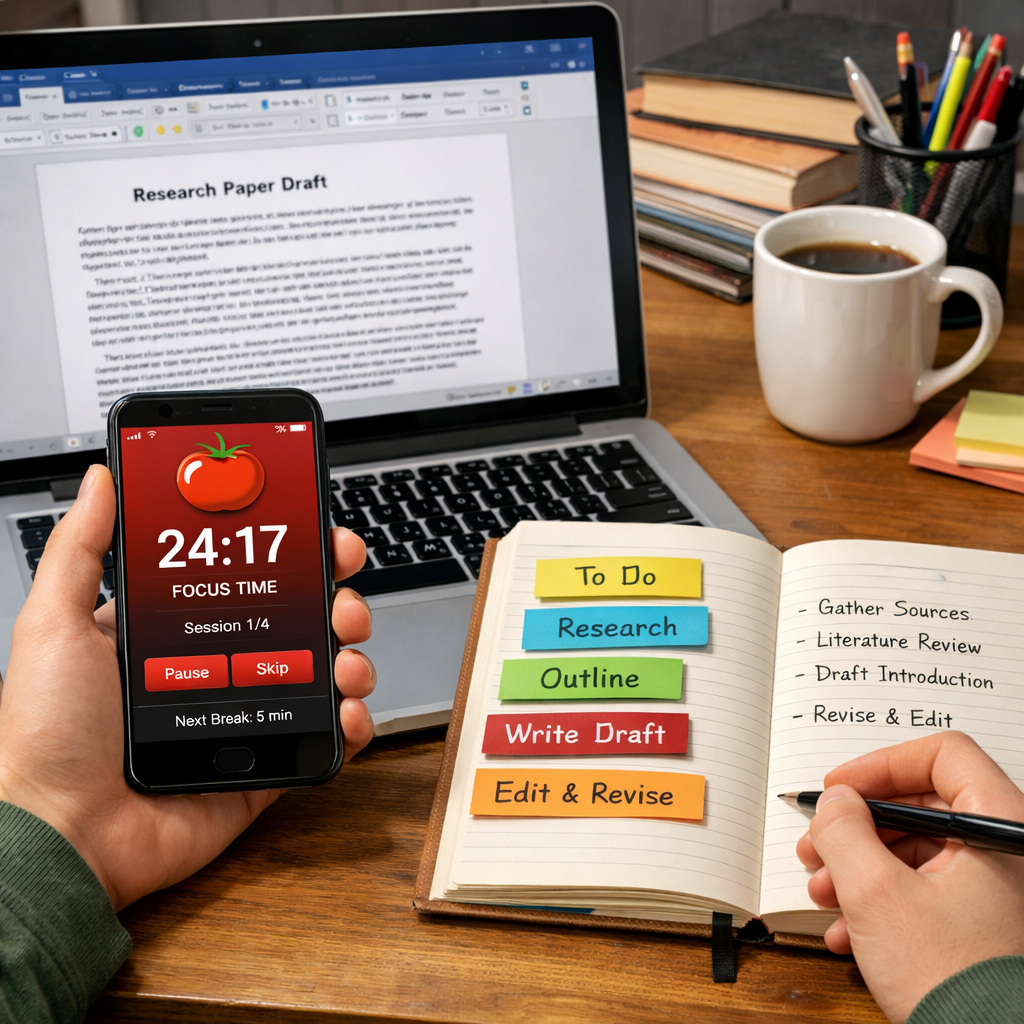
- Break down the task: List out the smaller steps involved in completing the larger assignment.
- Assign a timer block to each step: Estimate how long each small step might take. It’s okay if your estimates are a bit off; you can adjust as you go.
- Focus on completing one step per timer session: This makes daunting tasks feel much more manageable.
The key here is to treat each timer session as a commitment to finishing just one specific part of your project. This prevents you from getting sidetracked by other parts of the assignment and helps build momentum.
Scheduling Effective Break Times
Breaks are just as important as the study sessions themselves. They’re not just a reward; they’re essential for preventing burnout and consolidating information. But not all breaks are created equal.
- Active breaks: Instead of scrolling through your phone, try a quick walk, some stretching, or even just looking out the window. Getting away from your screen can be really refreshing.
- Mindful breaks: Use a few minutes to do some deep breathing or a short meditation. This can help reset your mental state.
- Hydration and snacks: Use your break to grab some water or a healthy snack. Fueling your body properly supports brain function.
Remember, the goal is to return to your study session feeling refreshed and ready to go, not more tired or distracted.
Wrap Up: Your Focus Journey Starts Now
So, we’ve gone over how using a timer can really change how you study. It’s not just about watching the clock tick down; it’s about making your study time count. Whether you pick the popular Pomodoro method, a simple digital timer, or something a bit more fancy like BeforeSunset AI, the main idea is to break things up and give your brain a rest. Don’t be afraid to try different timers and see what feels right for you. The goal is to find a rhythm that helps you get stuff done without feeling totally wiped out. Give it a shot, and you might be surprised at how much more you can accomplish.
Frequently Asked Questions
What exactly is a study timer?
A study timer is basically a tool, like a clock or an app, that helps you manage your study time. It breaks your studying into chunks, usually with short breaks in between. Think of it as a coach that tells you when to focus and when to rest, making sure you don’t get too tired or distracted.
Why should I use a study timer instead of just studying for as long as I can?
Studying for long, unbroken periods can actually make you less productive because your brain gets tired. A study timer helps you stay focused for shorter, more effective bursts. This prevents burnout, keeps your mind sharp, and helps you get more done in less time. Plus, those planned breaks are great for recharging!
What’s the Pomodoro Technique?
The Pomodoro Technique is a super popular way to use a study timer. You work super hard on one task for about 25 minutes, then take a short 5-minute break. After doing this four times, you take a longer break. It’s like a rhythm that keeps you motivated and prevents you from getting bored or overwhelmed.
Are there different kinds of study timers I can use?
Yes, there are! You can use simple physical timers, like cube timers where you flip them to start. There are also tons of digital and online timers, including apps and websites. Many of these look really cool and can even play calming music or show nice visuals, making studying more enjoyable.
How can a study timer help me if I get easily distracted?
Study timers are fantastic for fighting distractions! By setting a timer for a specific task, you train yourself to focus only on that task until the timer goes off. Knowing you have a break coming up soon also makes it easier to resist the urge to check your phone or switch tasks. It creates a clear boundary for focused work.
How do I know if a study timer is really working for me?
The best way to know is to try it consistently! Set clear goals for each study session, stick to your timer’s schedule (work and breaks), and try to minimize distractions. After a week or two, think about how much you accomplished and how you felt. If you’re more productive and less stressed, it’s working!