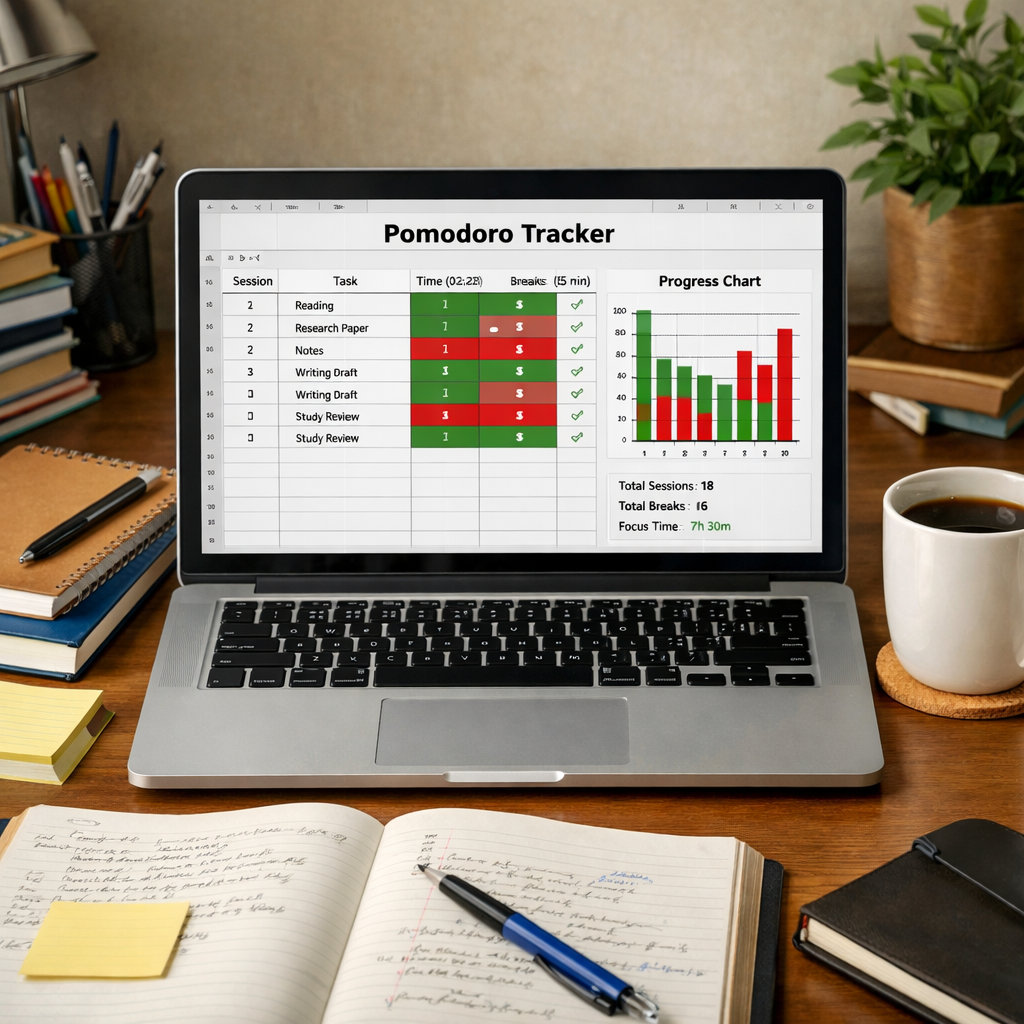
So, you’ve been using Pomofocus and it’s been okay, but maybe you’re looking for something a bit more. Or maybe you’ve never even heard of Pomofocus and are just trying to get your work done without losing your mind. Whatever the case, finding the right tool to help you focus is a big deal. We’re going to look at some great options that go beyond the basics, helping you get more done in 2026. Think of this as your guide to finding that perfect Pomofocus alternative.
Key Takeaways
- Comparing Focus Keeper and Be Focused Pro to see which one is the better Pomodoro app.
- Finding out if Focus Keeper is a better choice than Forest for your productivity needs.
- Looking at the top focus timer apps that have analytics, especially good for teams working together.
- Discovering the best Pomodoro timers for Windows and Mac users in 2026 to get more done.
- Exploring different ways to use the Pomodoro Method and understanding why it actually works for focus.
1. Focus Keeper vs Be Focused Pro: Which Pomodoro App Reigns Supreme for Productivity?
When you’re trying to get work done, having the right tools can make a big difference. Two popular options for using the Pomodoro Technique are Focus Keeper and Be Focused Pro. Both aim to help you concentrate better by breaking your work into timed intervals, but they do it a little differently.
Focus Keeper often feels more straightforward, while Be Focused Pro packs in more features for those who like to tweak things.
Let’s break down what each app brings to the table:
- Focus Keeper: This app is known for its simplicity. You set your work and break times, hit start, and it keeps track. It’s great if you just want a no-fuss timer that does its job. It usually includes basic customization for timer lengths and sounds, and sometimes offers simple task lists.
- Be Focused Pro: This one tends to offer more control. You can often manage projects, assign tasks to specific Pomodoro sessions, and get more detailed reports on your work habits. It might have more options for sound alerts, background themes, and integration with other productivity tools.
Here’s a quick look at some common differences:
| Feature | Focus Keeper | Be Focused Pro |
|---|---|---|
| Ease of Use | Very High | High |
| Project Management | Basic | Advanced |
| Reporting/Analytics | Basic | Detailed |
| Customization | Moderate | High |
Choosing between them really comes down to what you need. If you’re new to Pomodoro or prefer a clean, simple interface, Focus Keeper might be your go-to. But if you want to organize your work by project, track your progress more closely, and have more settings to play with, Be Focused Pro could be the better fit for your workflow.
Ultimately, the ‘best’ app is the one you’ll actually use consistently. Both are designed to help you focus, but their approaches to user experience and feature sets cater to different preferences. Try out the free versions if available to see which one clicks with your personal work style.
2. Focus Keeper vs Forest: Which Productivity App Reigns Supreme?
Alright, let’s talk about two big names in the Pomodoro app world: Focus Keeper and Forest. Both aim to help you get stuff done, but they go about it in pretty different ways. It’s like choosing between a really straightforward tool and something a bit more playful.
Focus Keeper is, well, a keeper of focus. It’s pretty no-nonsense. You set your work intervals, your break times, and it just… times them. No fancy stuff, just the core Pomodoro technique. It’s great if you want something simple that does the job without a lot of fuss. You can customize the timer lengths, which is handy, and it usually has a clean interface. This app is all about getting back to basics and sticking to the plan.
Forest, on the other hand, takes a more creative approach. The whole idea is that you plant a virtual tree when you start a focus session. If you leave the app to check social media or whatever, your tree dies. It’s a pretty effective visual motivator, honestly. The more you focus, the bigger your forest grows. It’s a fun way to gamify staying on task, and it’s popular for a reason. You can even earn virtual coins to plant real trees through their partnership with Trees for the Future.
Here’s a quick look at how they stack up:
- Focus Keeper:
- Simple, direct Pomodoro timer.
- Customizable work/break intervals.
- Minimalist interface.
- Good for users who prefer straightforward tools.
- Forest:
- Gamified focus with virtual tree planting.
- Visual consequence for leaving the app.
- Builds a virtual forest over time.
- Includes real-world tree planting initiative.
So, which one is supreme? It really depends on what you’re looking for. If you just want a solid, no-frills timer, Focus Keeper is a strong contender. But if you need a little extra push, something to make focusing feel less like a chore and more like a game, then Forest might be your winner. It’s about finding the tool that best fits your personal style and helps you actually get that work done.
Ultimately, the best app is the one you’ll actually use consistently. Don’t get too caught up in features; focus on what helps you stay productive day in and day out.
3. Best Focus Timer Apps with Analytics for Teams: Top Picks for Productive Collaboration
When you’re working with a team, especially if folks are spread out or working from home, keeping everyone on the same page and productive can be a real challenge. That’s where focus timer apps with good analytics really shine. They’re not just about telling you to take a break; they give you a clear picture of how time is actually being spent.
These tools help teams understand workflow, identify bottlenecks, and boost overall output.
Here are a few things these apps can do for your team:
- Track Project Time: See exactly how much time is going into different tasks or client projects. This is super helpful for billing and for understanding project scope.
- Analyze Productivity Patterns: Spot when your team is most focused and when distractions tend to creep in. This data can inform scheduling and workflow adjustments.
- Improve Collaboration: With shared insights, teams can better coordinate efforts, especially across different time zones, and stay accountable to deadlines.
- Resource Management: Understand where your team’s time is going, which can help in allocating resources more effectively for future projects.
Let’s look at a couple of popular options that offer these kinds of features:
| App Name | Key Features for Teams | Pricing Model (General) | Best For |
|---|---|---|---|
| Toggl Track | Real-time tracking, detailed reports, project tagging | Freemium/Paid | Teams needing detailed time tracking & reporting |
| Clockify | Unlimited team members, project tracking, time audits | Freemium/Paid | Larger teams, budget-conscious organizations |
Using these apps isn’t about micromanaging. It’s about creating transparency and giving everyone the information they need to work smarter, not just harder. When you can see where the time goes, you can make better decisions about how to use it.
4. Boost Productivity with the Best Pomodoro Timer for Windows in 2026
Alright, so you’re on Windows and looking to get more done? The Pomodoro Technique is still a solid way to go, and having the right timer app makes all the difference. Forget just setting a basic alarm; we’re talking about tools that actually help you manage your work sessions and breaks.
Finding the best one can feel like a chore itself, but it’s worth it. These apps aren’t just fancy stopwatches. They’re designed to keep you on track, minimize distractions, and build better work habits. Think of them as your digital accountability partner.
Here are a few things to look for when picking a Pomodoro timer for your Windows machine:
- Customization: Can you easily change the work and break lengths? Some days you might need longer focus sprints, others shorter bursts.
- Task Management: Does it let you list what you’re working on? This helps you stay focused on the task at hand.
- Reporting: Some apps give you a rundown of how you spent your time. It’s pretty interesting to see where your focus hours actually go.
- Distraction Blocking: The best ones can even block distracting websites or apps during your focus sessions. That’s a game-changer.
The core idea is simple: work in focused bursts, then take short, deliberate breaks. This rhythm helps prevent burnout and keeps your mind fresh. It’s not about working harder, but smarter.
Many of these tools integrate with other productivity software, too. So, whether you’re a student cramming for exams or a professional trying to hit deadlines, a good Pomodoro timer on Windows can really make your day more productive. It’s about building a sustainable workflow, not just powering through tasks.
5. Boost Your Productivity with the Best Pomodoro Timer for Mac in 2026
So, you’re a Mac user looking to get more done? The Pomodoro Technique is a solid way to break up your work, and there are some really good apps out there to help you do just that. Forget just staring at a clock; these tools are designed to keep you on track without feeling like a chore. Finding the right app can make a big difference in how focused you stay throughout the day.
When picking a Pomodoro app for your Mac, think about what you really need. Some people just want a simple timer, while others want more features like task management or detailed reports. Here are a few things to consider:
- Simplicity: Does it have a clean interface that’s easy to use right away?
- Customization: Can you adjust the work and break times to fit your personal rhythm?
- Features: Does it offer extras like task lists, sound alerts, or integration with other apps?
- Analytics: Do you want to see how you’re spending your time and where you can improve?
For Mac users, there are a lot of great options. Some apps are built specifically for the Apple ecosystem, offering a smooth experience. You might find that an app like Be Focused is a good starting point, as it’s often recommended for Mac users.
Here’s a quick look at what makes a good Pomodoro app stand out:
| Feature | Basic Timer | Advanced Timer |
|---|---|---|
| Work Intervals | Yes | Yes |
| Short Breaks | Yes | Yes |
| Long Breaks | Yes | Yes |
| Task Tracking | No | Yes |
| Analytics | No | Yes |
| Cross-Platform | Maybe | Often |
It’s not just about the timer itself, though. How you use it matters. Make sure you’re actually stepping away during breaks, not just switching to social media. A real break means getting up, stretching, or doing something completely different.
The Pomodoro Technique is all about focused bursts of work followed by short rests. This rhythm helps prevent burnout and keeps your mind sharp. It’s a simple idea, but when you stick to it, the results can be pretty surprising.
Ultimately, the best Pomodoro timer for your Mac in 2026 is the one you’ll actually use consistently. Experiment with a few different ones and see which one clicks with your workflow. You might be surprised at how much more you can accomplish.
6. 10 Proven Techniques to Boost Focus and Productivity Using the Pomodoro Method

So, you’ve heard about the Pomodoro Technique, right? It’s that time management thing where you work in focused bursts, usually 25 minutes, followed by short breaks. Simple enough, but how do you really make it work for you, day in and day out? It’s not just about setting a timer; it’s about how you use those intervals.
Here are some ways to get more out of your Pomodoro sessions:
- Plan Your Pomodoros: Before you start, jot down what you want to accomplish in each 25-minute block. This gives you a clear target and prevents you from just staring at the screen.
- Embrace the Short Break: Don’t skip your 5-minute breaks! Get up, stretch, grab some water, or just look out the window. This is key to preventing burnout and keeping your mind fresh.
- Longer Breaks Matter Too: After about four Pomodoros, take a longer break, maybe 15-30 minutes. This is your chance to really recharge before the next set of work intervals.
- Minimize Distractions: This is a big one. Turn off notifications, close unnecessary tabs, and let people know you’re in a focus session. The fewer interruptions, the better.
- Review and Adjust: At the end of the day, take a look at what you accomplished. Did you stick to your plan? Were your estimates for tasks accurate? Use this to improve your planning for tomorrow.
- Task Batching: Group similar small tasks together and tackle them within a single Pomodoro. This reduces the mental overhead of switching between different types of work.
- The ‘Two-Minute Rule’ for Small Interruptions: If a task pops up that takes less than two minutes, do it immediately. Otherwise, add it to your to-do list for a later Pomodoro.
- Experiment with Interval Lengths: While 25 minutes is standard, some people find 45 or even 50 minutes works better for their focus. Play around and see what feels right.
- Use a Physical Timer: Sometimes, the tactile nature of a physical timer can be more grounding than a digital one, helping you stay present.
- Combine with Other Methods: Don’t be afraid to mix Pomodoro with other productivity strategies, like time blocking or task prioritization, to create a system that’s uniquely yours.
The real power of the Pomodoro Technique isn’t just the timer itself, but the intentionality it brings to your work. It forces you to be mindful of how you spend your time and encourages focused effort.
Remember, consistency is more important than perfection. Even if you don’t hit every Pomodoro perfectly, the practice itself will start to train your brain to focus better over time.
7. The Science Behind Timed Work Sessions: Why the Pomodoro Method Works
So, why does this whole timer thing actually work? It’s not just some random fad. The Pomodoro Technique taps into how our brains naturally function when it comes to focus and fatigue. Our attention spans aren’t infinite; they’re more like a muscle that gets tired with overuse.
Think about it. Trying to power through hours of work without a break is a recipe for burnout. Your brain starts to wander, mistakes creep in, and you end up less productive than if you’d just stopped for a bit. The Pomodoro method, with its structured work intervals and short breaks, acts like a series of mini-recharges.
Here’s a breakdown of why it’s effective:
- Combats Mental Fatigue: Those short breaks are crucial. They give your brain a chance to reset, preventing that heavy, tired feeling that makes concentrating impossible. It’s like hitting a refresh button.
- Boosts Focus: Knowing you only have to concentrate intensely for 25 minutes makes it easier to dive into a task without getting overwhelmed. It encourages you to really zero in on what you’re doing.
- Fights Procrastination: Big projects can feel like climbing a mountain. Breaking them down into 25-minute chunks makes them seem much more manageable. You get a sense of accomplishment with each completed interval, building momentum.
- Improves Time Awareness: You start to get a better feel for how long tasks actually take. This helps with planning future work and avoids that constant surprise of running out of time.
The core idea is that by working in focused bursts and taking regular, short breaks, you can maintain a higher level of concentration and output over the course of a day. It’s about working smarter, not just longer.
This method is particularly helpful when you’re facing tasks that feel daunting or when distractions are constantly pulling you away. It provides a simple framework to regain control of your work sessions and make steady progress. It’s a straightforward way to build discipline and structure your day, making those challenging tasks feel a lot less intimidating.
8. Beyond Forest: Top Alternatives for Enhanced Focus and Productivity in 2026
Forest has been a popular choice for a while, gamifying focus by growing trees. But what if you’re looking for something a bit different, or maybe something that tackles distraction in a new way? The good news is, there are plenty of other tools out there that can help you stay on track.
Many apps go beyond just a simple timer. They offer features like blocking distracting websites and apps, providing detailed analytics on your work habits, or even integrating with other productivity tools. Finding the right fit often comes down to understanding your specific needs and how you work best.
Here are a few directions you might want to explore:
- App & Website Blockers: These tools actively prevent you from accessing time-wasting sites and apps during your focus sessions. Some allow custom blocklists and schedules.
- Task Management Integration: Some focus timers link directly with your to-do lists, so you can assign focus sessions to specific tasks.
- Ambient Soundscapes: For some, background noise can be a distraction. Others find that curated soundscapes help them concentrate. Many apps offer this.
- Data & Analytics: Understanding where your time goes is key. Apps that provide reports on your focus periods, distractions, and productivity trends can be super helpful.
If you’re tired of the same old tree-growing routine, it might be time to check out some of the newer options available. Tools like Unpluq, for example, offer a fresh approach to managing digital distractions and building better habits combat phone addiction. It’s all about finding what clicks for you and helps you get more done without feeling overwhelmed.
9. Focus & Concentration

Getting into a state of deep focus isn’t always easy, right? Life throws a lot at us, and sometimes just sitting down to do one thing feels like a battle. We’re talking about that zone where you’re really working, not just looking busy. It’s where the actual productive stuff happens.
The key is building habits that support this kind of concentration. It’s not about magic tricks, but about setting up your environment and your mind for success. Think of it like training for a marathon; you don’t just show up and run 26 miles. You build up to it.
Here are a few things that seem to make a difference:
- Minimize Distractions: This sounds obvious, but it’s harder than it looks. Turn off notifications, close unnecessary tabs, and let people know you need uninterrupted time. Even small interruptions can break your flow.
- Schedule Deep Work: Block out specific times in your calendar for tasks that require serious concentration. Treat these blocks like important meetings you can’t miss.
- Take Strategic Breaks: Working non-stop is a recipe for burnout. Short, planned breaks can actually help you reset and come back stronger. The Pomodoro Technique is a great example of this structured approach.
Sometimes, the best way to concentrate is to accept that you won’t be perfectly focused all the time. Instead, aim for periods of intense work, followed by genuine rest. This rhythm is more sustainable than trying to maintain peak focus for hours on end.
It’s also worth noting that different people have different needs. What works for one person might not work for another. Experimenting with different techniques and tools is part of the process. For instance, some people find that using specific apps, like those that block distracting websites, really helps them stay on track. Others prefer a more analog approach, using a simple timer and a notebook. Finding your personal sweet spot is what matters most. You can explore different approaches to focus, like those discussed by Cal Newport for 2026.
10. Productivity Tips
So, you’ve been using Pomofocus or maybe one of its cousins, and you’re looking for ways to really make your work sessions count. It’s not just about setting a timer, right? It’s about how you use that time.
Here are a few things that have helped me, and hopefully, they’ll help you too:
- Batch similar tasks: Instead of jumping between writing an email, then coding, then answering a Slack message, try to group them. Dedicate a specific block of time to just emails, another to just coding. It cuts down on that mental switching cost.
- Plan your day the night before: Spend five minutes before you log off to jot down the 2-3 most important things you need to get done tomorrow. It makes starting your day so much easier.
- Take real breaks: When that timer goes off, actually step away. Stretch, grab some water, look out the window. Don’t just switch to checking social media on your phone. Your brain needs a genuine reset.
It’s easy to get caught up in the hustle, but sometimes the simplest changes make the biggest difference. Don’t underestimate the power of a well-timed break.
Here’s a quick look at how different types of tasks might fit into a Pomodoro schedule:
| Task Type | Typical Pomodoro Duration | Break Duration | Notes |
|---|---|---|---|
| Deep Work | 25-50 minutes | 5-10 minutes | Minimize interruptions, focus intensely. |
| Admin/Emails | 15-25 minutes | 5 minutes | Can be batched, less intense focus. |
| Creative Tasks | 25-45 minutes | 5-10 minutes | Allow for some flexibility. |
| Meetings/Calls | Fixed duration | N/A | Schedule around focus blocks. |
Remember, consistency is more important than perfection. If you miss a session or a break, just get back on track with the next one. It’s a marathon, not a sprint.
Wrapping Up Your Productivity Journey
So, we’ve looked at a bunch of ways to get more done, going beyond just the basic Pomodoro timer. It turns out there’s a whole world of tools out there, each with its own spin on helping you focus. Whether you need something simple or something with all the bells and whistles, there’s likely an app or technique that fits your style. Don’t be afraid to try a few out. What works for one person might not work for another, and that’s totally fine. The main thing is finding what helps you get into that flow state and actually finish your tasks without feeling totally drained. Happy working!
Frequently Asked Questions
What is the Pomodoro Technique?
The Pomodoro Technique is a time management method. You work in focused bursts, usually 25 minutes long, called ‘pomodoros’. After each pomodoro, you take a short break. This helps you stay focused and avoid getting tired.
Why is the Pomodoro Technique effective?
It works because it breaks down big tasks into smaller, manageable chunks. The short breaks help your brain rest and recharge, preventing burnout. It also creates a sense of urgency, making you more likely to finish tasks.
Are there apps like Pomofocus?
Yes, absolutely! There are many apps similar to Pomofocus. Some are simple timers, while others offer more features like tracking your progress or playing focus music. We’ll explore some of the best ones in this article.
Can I use the Pomodoro Technique for any type of work?
Definitely! It’s great for studying, writing, coding, or any task that requires concentration. You can adjust the work and break times to fit what works best for you and the task at hand.
What’s the difference between Focus Keeper and Be Focused Pro?
Both are popular Pomodoro apps. Focus Keeper is known for its simple, clean design and basic timer functions. Be Focused Pro often includes more advanced features like task management and detailed reports, which can be helpful for tracking your productivity over time.
How can teams use Pomodoro timers?
Teams can use shared timers or apps with collaboration features. This helps everyone work in sync, take breaks together, and stay on the same page. Apps with analytics can show how the team is spending their time and where they can improve.