Feeling like your to-do list is a mountain you can never climb? You’re not alone. So many of us struggle to stay on track, getting pulled in a million directions by distractions. But what if there was a simple, free way to get more done? Enter the Pomodoro Technique and your new best friend: a pomodoro timer online. It’s a game-changer for focus and getting things done without feeling overwhelmed. Let’s check out how this little tool can make a big difference in your day.
Key Takeaways
- The Pomodoro Technique uses timed work intervals (called Pomodoros) separated by short breaks to boost focus and productivity.
- A pomodoro timer online is a free tool that helps you implement this technique easily.
- Using a pomodoro timer online involves setting work periods, taking short breaks, and longer breaks after a few work sessions.
- These timers can be customized with different settings, background music, and integrated to-do lists for a personalized experience.
- Advanced features like desktop notifications and focus modes can further help you stay on task and combat procrastination.
Understanding the Pomodoro Technique
Ever feel like your workday is just a blur of distractions and unfinished tasks? You’re not alone. Many of us struggle to stay focused, especially with the constant pings and temptations of the digital world. That’s where the Pomodoro Technique comes in. It’s a simple yet powerful method for managing your time and attention, designed to help you get more done without burning out.
What Is The Pomodoro Technique?
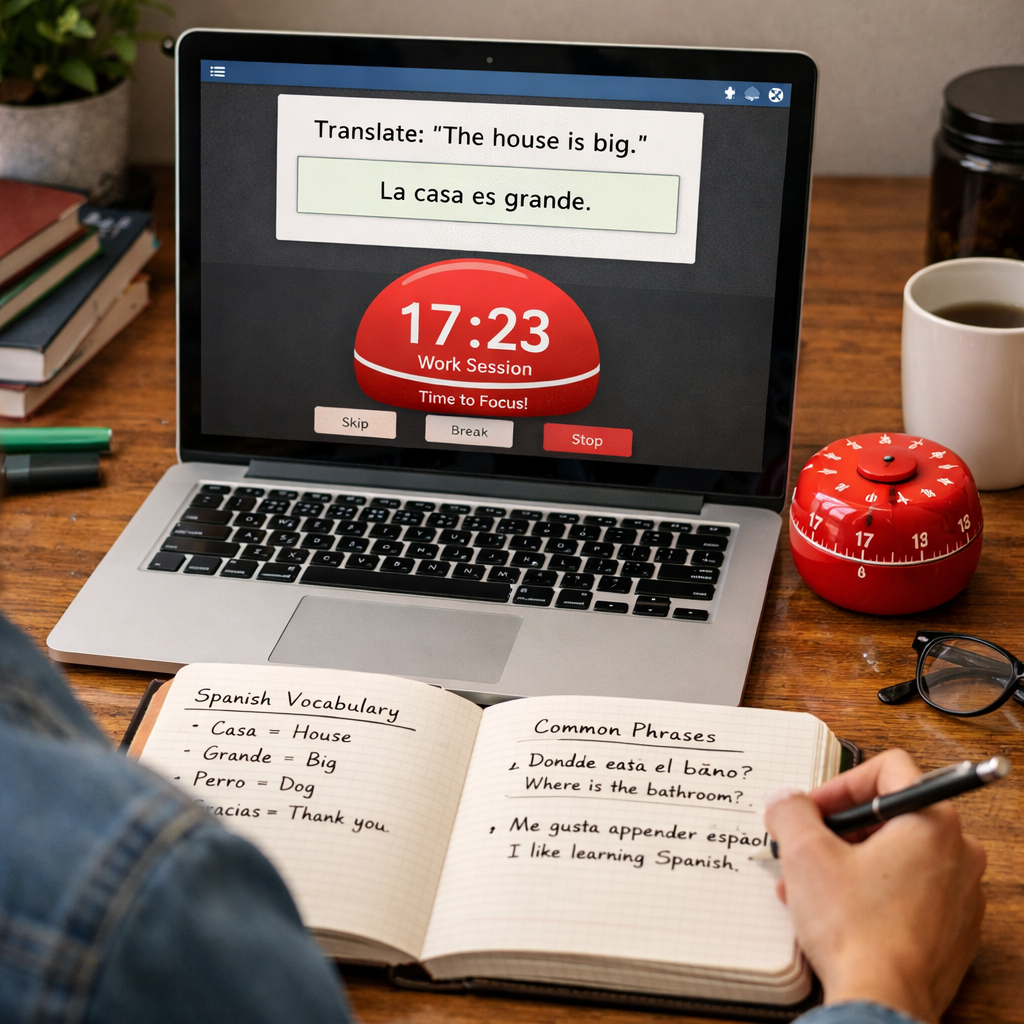
The Pomodoro Technique is a time management strategy developed back in the late 1980s by Francesco Cirillo. The core idea is to break your work into focused intervals, traditionally 25 minutes long, separated by short breaks. Each of these work intervals is called a "pomodoro," which is Italian for "tomato." This name actually comes from the tomato-shaped kitchen timer Cirillo used when he was a student. The goal is to use these timed bursts to tackle tasks with intense concentration, knowing a break is just around the corner.
The Origins Of The Tomato Timer
Francesco Cirillo, the creator of this method, was a university student who found himself easily sidetracked. He wanted a way to improve his focus and get through his studies more effectively. He grabbed a kitchen timer, shaped like a tomato, and decided to work in focused 25-minute blocks. If he got distracted, he’d reset the timer. This simple experiment grew into a structured system that has helped countless people manage their time better. It’s a testament to how simple tools and a bit of discipline can make a big difference.
Who Benefits From This Method?
Honestly, almost anyone who needs to concentrate on a task can benefit. Students trying to study for exams, writers working on their next chapter, developers coding a new feature, or even someone trying to clear out their inbox – if you find yourself easily distracted or prone to procrastination, this technique is likely for you. It’s particularly helpful for people who:
- Struggle to start tasks.
- Get easily sidetracked by notifications or other interruptions.
- Feel overwhelmed by large projects.
- Want to improve their focus and work quality.
- Need to build a more consistent work habit.
It’s not just for people with demanding jobs; it’s for anyone looking to be more intentional with their time and attention.
Leveraging Your Online Pomodoro Timer
So, you’ve got your online Pomodoro timer ready to go. That’s awesome! But how do you actually make it work for you? It’s not just about hitting start and hoping for the best. You need a bit of a plan.
Setting Up Your Work Intervals
This is the core of it all. The standard is 25 minutes of focused work, but don’t feel like you’re locked into that. If 25 minutes feels too long or too short for your current task, adjust it. Maybe you’re just trying to get a quick email out, so 15 minutes might be perfect. Or perhaps you’re deep into coding and 45 minutes feels more natural. The key is to pick a block of time where you can genuinely concentrate without interruption. The goal is focused effort, not just ticking a box.
Here’s a quick way to think about it:
- Short bursts: For tasks that require less intense focus or are very quick.
- Standard sessions: The classic 25-minute block, good for most general tasks.
- Extended focus: For when you’re really in the zone and don’t want to break.
Incorporating Short Breaks
When that timer goes off after your work interval, resist the urge to keep going or check your phone. You need that break. These short 5-minute breaks are designed to give your brain a little breather. Stand up, stretch, grab a glass of water, or just stare out the window for a minute. It’s about stepping away completely so you can come back refreshed. Don’t use this time to check social media or start another work-related task; that defeats the purpose.
Utilizing Long Break Periods
After you’ve completed about four of those focused work sessions, it’s time for a longer break, usually around 15-30 minutes. This is where you can really recharge. Go for a short walk, listen to a song, or do something completely unrelated to your work. Think of it as a mini-reset button for your brain. It helps prevent burnout and keeps your productivity high over the long haul. You can find a simple free Pomodoro web timer that helps manage these intervals for you.
The structure of timed work and breaks is what makes the Pomodoro Technique so effective. It trains your brain to focus intensely for a set period and then allows for genuine rest, preventing mental fatigue and improving overall output.
Maximizing Focus With A Pomodoro Timer Online
Achieving Goals Through Focus
So, you’ve got your Pomodoro timer set up and you’re ready to tackle that big project. The real magic of this technique isn’t just about breaking work into chunks; it’s about what you do during those chunks. The goal is to create a dedicated space for deep work, free from the usual digital distractions. Think of each 25-minute interval as a mini-sprint where your only job is to focus on one specific task. This intense, short burst of concentration can be surprisingly effective. It trains your brain to stay on track, making it easier to get through even the most daunting tasks.
Combating Procrastination Effectively
Procrastination is a sneaky beast, isn’t it? It whispers sweet nothings about ‘later’ and ‘just one more video.’ The Pomodoro timer acts as a firm but fair coach, telling you, ‘No, we’re doing this now.’ By committing to just 25 minutes, the task feels less overwhelming. It’s a manageable chunk of time that makes starting much easier. Once you’re in the flow, you’ll often find you want to keep going, even past the timer’s alarm. If not, that’s okay too! The short break is built-in to help you reset without losing momentum.
Here’s a simple breakdown of how it helps:
- Reduces Overwhelm: Breaking large tasks into small, timed intervals makes them seem less intimidating.
- Builds Momentum: Completing each 25-minute session provides a sense of accomplishment, encouraging you to continue.
- Creates Accountability: The timer acts as a commitment device, making it harder to put off the work.
- Manages Distractions: Knowing a break is coming soon helps you resist the urge to check your phone or browse the web.
The Science Behind Focused Work
Why does this work so well? It taps into how our brains actually function best. Our attention spans aren’t infinite; they’re more like a muscle that gets tired with overuse. The Pomodoro Technique respects these natural limits. By alternating focused work with short breaks, you’re essentially giving your brain regular rests. This prevents burnout and keeps your cognitive resources fresh. It’s a bit like interval training for your mind, building up your capacity for sustained attention over time.
The structure of timed work intervals followed by breaks helps to regulate cognitive load. This prevents mental fatigue and allows for sustained periods of high-quality concentration, ultimately leading to better task completion and reduced errors.
Here’s a look at how the intervals play out:
| Interval Type | Duration |
|---|---|
| Work | 25 minutes |
| Short Break | 5 minutes |
| Long Break | 15-30 minutes |
Remember, after completing four work intervals, you take a longer break. This longer rest is key to fully recharging before diving back into another set of focused work sessions.
Customizing Your Pomodoro Experience

So, you’ve got the basic Pomodoro Technique down, but what if you want to tweak it a bit? That’s where customizing your online timer really shines. It’s not just about hitting start and hoping for the best; it’s about making the tool work for you. This is where you turn a generic timer into your personal productivity powerhouse.
Personalizing Timer Settings
Most online timers let you mess with the default 25-minute work and 5-minute break times. Maybe you find that 25 minutes is just a little too short to get into a deep work groove, or perhaps you need longer breaks to really recharge. Don’t be afraid to experiment. Try 30 minutes of work and 7 minutes of break, or maybe even 45 and 10. The key is finding what keeps you focused without burning out.
Here are some common settings you can adjust:
- Work Interval: The length of your focused work session.
- Short Break: The duration of your brief rests between work intervals.
- Long Break: The extended break after a set number of work intervals.
- Interval Count: How many work intervals before a long break.
Enhancing Focus With Background Music
For some people, silence is golden. For others, a little background noise can actually help drown out distracting sounds and create a more immersive work environment. Many Pomodoro timers come with built-in ambient sounds or allow you to play your own music. Think lo-fi beats, nature sounds, or even white noise. It’s all about creating an auditory bubble that keeps you in the zone. You can find some great playlists designed for focus and concentration online.
Integrating To-Do Lists Seamlessly
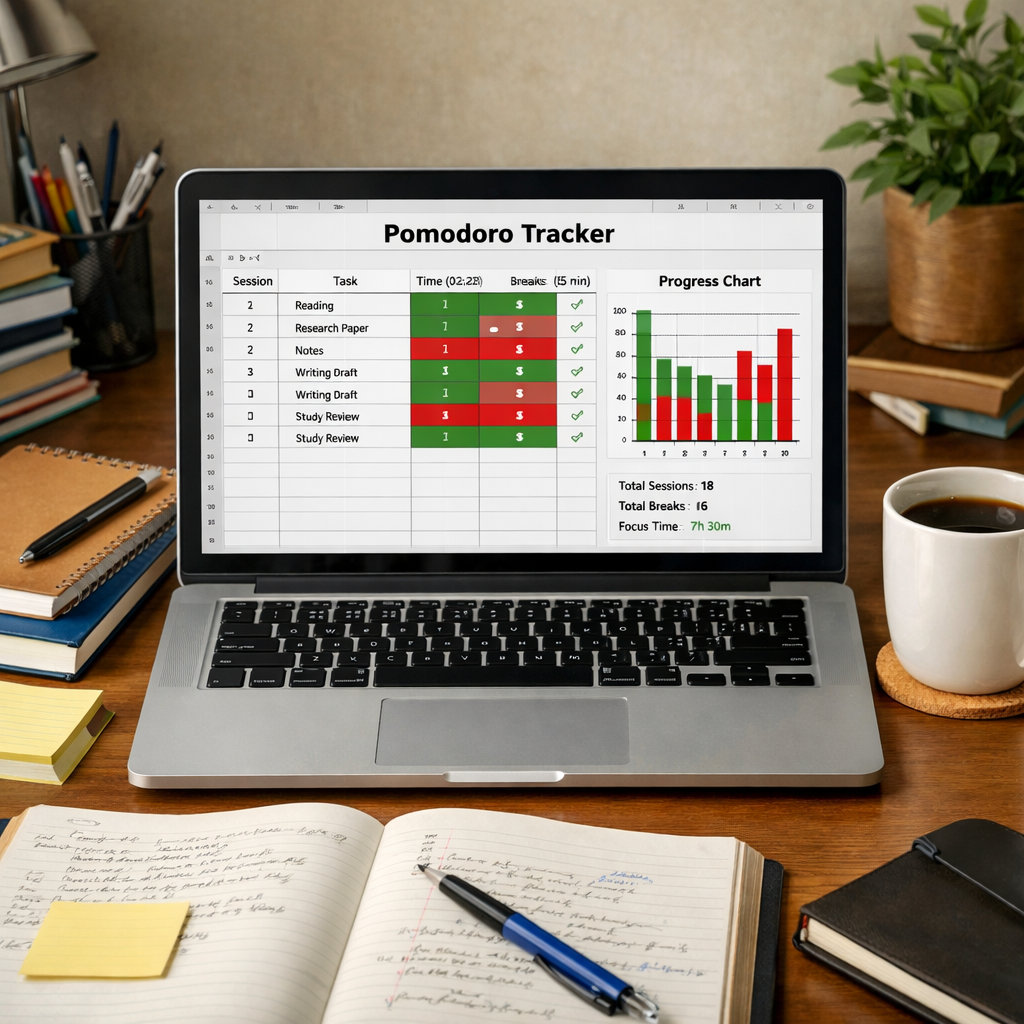
What good is a focused work session if you’re not sure what you’re supposed to be working on? Integrating your to-do list directly into your timer setup is a game-changer. You can often add tasks directly within the timer interface, check them off as you complete a Pomodoro session, and see your progress visually. This keeps your goals front and center and provides a satisfying sense of accomplishment with each completed task.
Having your tasks clearly defined before you start a work interval prevents that "what should I do next?" paralysis. It streamlines the entire process, allowing you to jump straight into productive work without hesitation.
Advanced Features For Enhanced Productivity
Beyond the basic timer, many online Pomodoro tools offer features that really help you lock in. Think of these as the power-ups for your productivity.
Desktop Notifications For Alerts
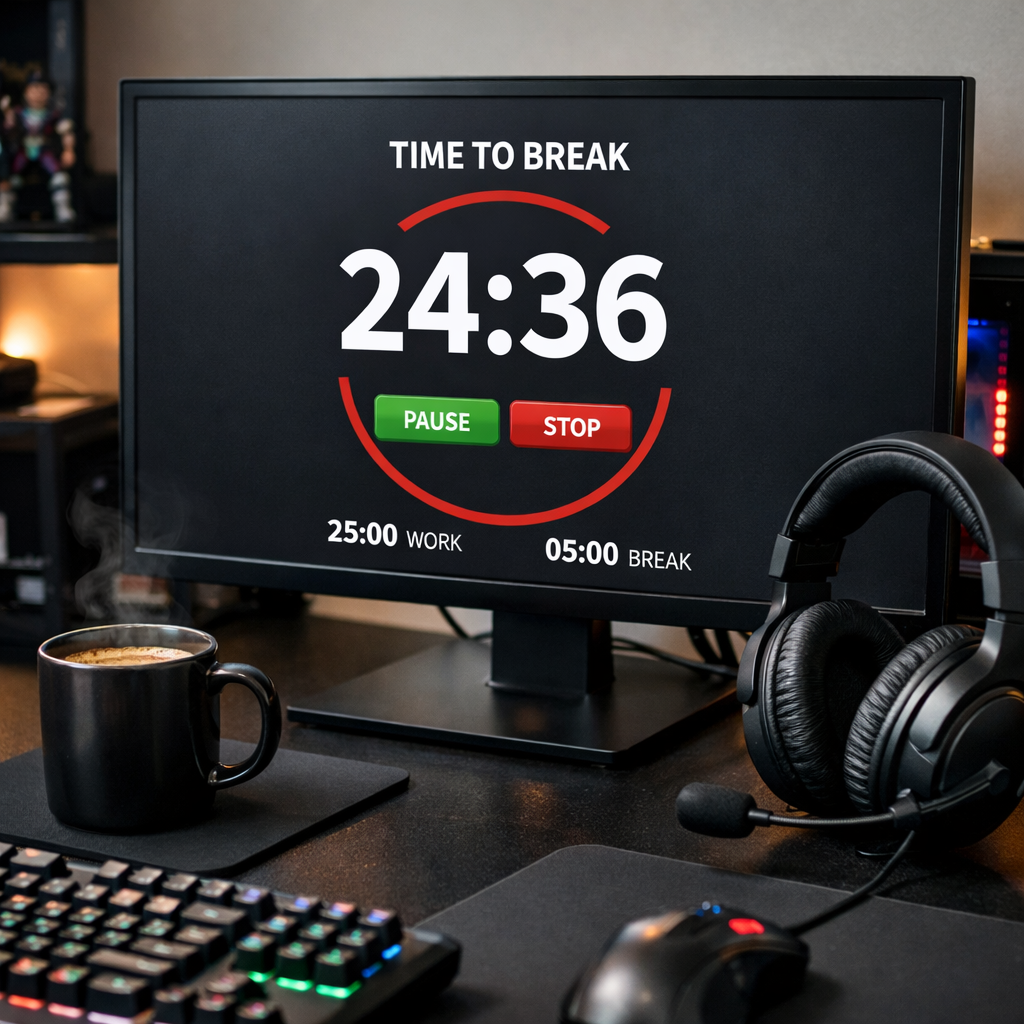
Getting a ping on your computer when a work session ends or a break begins can be super helpful. It means you don’t have to keep one eye on the clock. These alerts can be customized, so you know exactly what’s happening without even looking at the timer itself. It’s a small thing, but it stops you from losing your train of thought.
Exploring Focus Mode Options
Some timers have a dedicated ‘Focus Mode’. This isn’t just about the timer running; it’s about creating an environment. You can often set it up so that only your chosen task is visible, or perhaps certain distracting websites get blocked. It’s like building a little digital fortress around your work.
- Customizable Task Display: See only what you need to for your current task.
- Website Blocking: Temporarily prevent access to time-wasting sites.
- Integrated Music/Sounds: Play background audio directly within the focus session.
- Auto-Start Sessions: Have your work intervals begin automatically after a break.
This mode is designed to minimize external interruptions and internal distractions, allowing for deeper concentration on the task at hand. It’s about creating a dedicated space for focused effort.
Customizing Your Ambient Sounds
While some people like silence, others find background noise helps them concentrate. Many advanced timers let you pick from a selection of ambient sounds – think rain, coffee shop chatter, or white noise. You can usually adjust the volume too. Finding the right sound can make a big difference in how long you can stay focused. If you’re looking for a tool with these kinds of options, checking out the top Pomodoro timer apps might give you some ideas.
Getting Started With Your Pomodoro Timer Online
So, you’ve decided to give this Pomodoro thing a whirl. Awesome! Getting started is pretty straightforward, and honestly, it’s where the magic really begins. It’s not just about setting a timer; it’s about setting yourself up for success.
Deciding On Your Task
Before you even think about hitting that start button, take a moment to figure out what you’re actually going to work on. Trying to tackle too much at once is a recipe for feeling overwhelmed. Pick one specific thing. It could be writing a report, coding a specific feature, or even just clearing out your email inbox. The clearer your task, the easier it is to focus.
Starting Your First Pomodoro Session
Once you’ve got your task, it’s time to set up your timer. Most online timers default to 25 minutes, which is a good starting point. This is your first "pomodoro." During this time, your only job is to work on that single task. No checking social media, no answering non-urgent emails, just pure focus. If you get interrupted, that’s okay, just make a note of it and get back on track. It’s all part of the learning process.
Here’s a quick rundown of what a typical session looks like:
- Choose Your Task: Be specific.
- Set the Timer: Start with 25 minutes.
- Work Undistracted: Focus solely on the task.
- Mark Completion: Give yourself a little checkmark when the timer rings.
- Take a Short Break: Step away for 5 minutes.
Tracking Progress And Completion
Don’t just finish a pomodoro and forget about it. Take a second to acknowledge what you’ve accomplished. Marking off that task, even a small part of it, provides a sense of achievement. This is where you can really see the Pomodoro Technique in action. Over time, you’ll start to notice patterns in how long tasks actually take and how much you can realistically get done in a day. This data is gold for planning future work sessions and understanding your own productivity rhythm.
Wrapping Up
So there you have it. Using a free online Pomodoro timer is a pretty straightforward way to get more done without feeling totally overwhelmed. It’s not some magic bullet, but it helps break things down into manageable chunks. Give it a try for a week and see how it feels. You might be surprised at how much you can accomplish just by focusing for short bursts and taking those little breaks. It’s a simple tool, but sometimes the simple things are the most effective, right?
Frequently Asked Questions
What exactly is the Pomodoro Technique?
Think of it like this: you work super hard for a short burst, then take a quick break. You repeat this, and it helps you focus better and avoid getting tired. It’s like eating a whole pizza in one sitting versus enjoying slices over time.
How do I use a Pomodoro timer online?
It’s simple! First, pick a task you need to get done. Then, set your timer for about 25 minutes. Work only on that task until the timer rings. After that, take a short 5-minute break before starting your next work session.
What should I do during my breaks?
During your breaks, do something relaxing that doesn’t require a lot of thinking. You could stretch, listen to a song, grab a quick snack, or just close your eyes for a bit. The goal is to refresh your mind, not to get more tired.
How often do I take longer breaks?
After you’ve completed four of the short work sessions (called ‘pomodoros’), you get to take a longer break. This is usually around 15 to 30 minutes. It’s your reward for staying focused!
Can I change the timer settings?
Absolutely! Most online Pomodoro timers let you adjust the work times and break times. You can play around with them to find what works best for your focus and energy levels.
Who can benefit from using this technique?
Anyone who needs to concentrate better can use it! Students studying for tests, people working on projects, writers, coders, or anyone who tends to get distracted or put things off can find it really helpful.