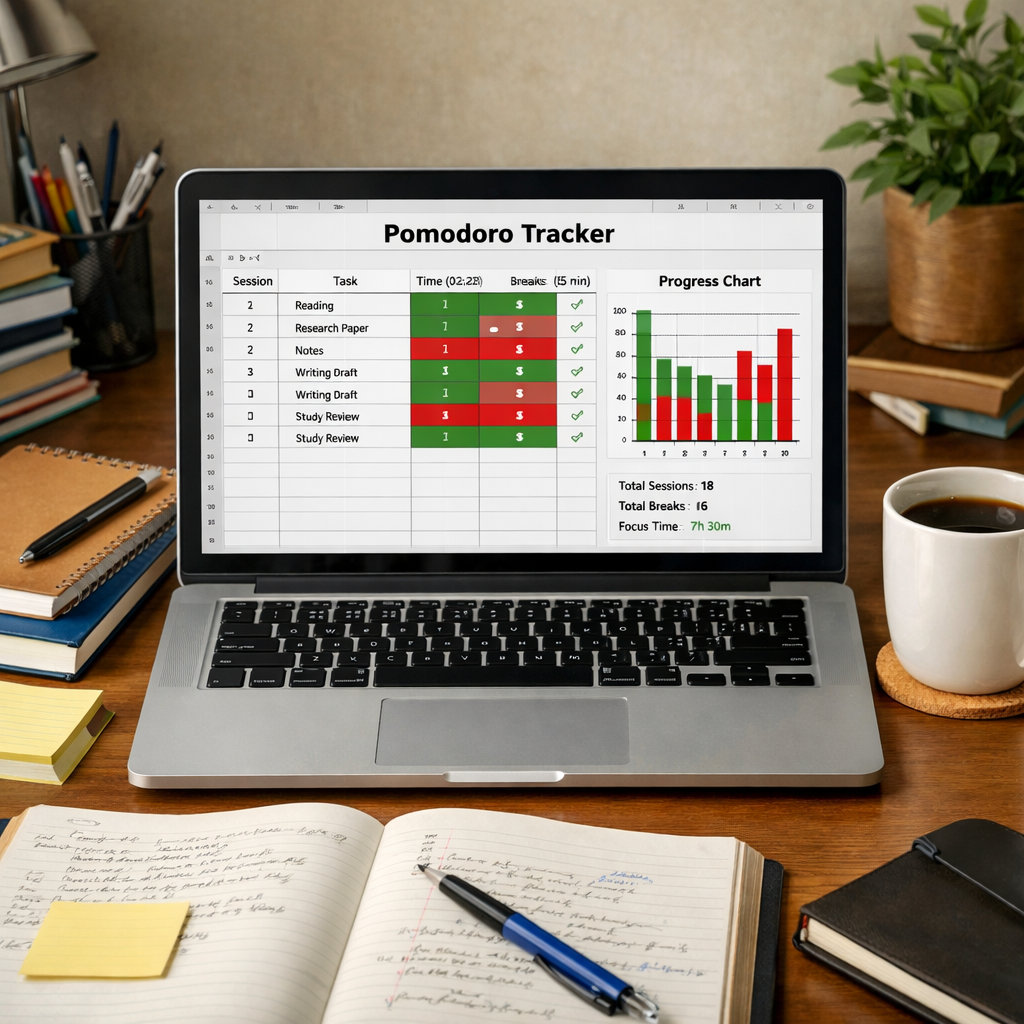
Finding the right tool to help you focus can make a big difference, especially when you’re trying to get work done on your Mac. The Pomodoro Technique, with its simple work-and-break cycles, is a fantastic way to tackle procrastination and stay on track. But not all timers are created equal. We’ve looked at a bunch of them to find the best pomodoro timer for Mac in 2026 that can actually help you get stuff done without getting in your way. Let’s see what made the cut.
Key Takeaways
- For Mac users who want a simple, native experience, apps like Be Focused or Session integrate well with the Apple ecosystem.
- If you need to link your focus sessions directly to your work tasks and projects, consider tools like Focus To-Do or RoundPie (PomoDone) for better organization.
- Toggl Track offers a robust solution for those who need to combine Pomodoro timing with detailed time-tracking and reporting.
- For a no-frills, quick start, web-based options like Pomofocus or Marinara Timer are great for immediate use without much setup.
- Gamified approaches, like Forest, can provide extra motivation for users who benefit from visual rewards and progress tracking.
1. Reclaim.ai
Reclaim.ai isn’t just another timer; it’s more like an intelligent assistant for your workday. It takes the basic idea of the Pomodoro Technique and really updates it for how we work now. This tool helps manage your Pomodoro sessions, keeps your to-do list in order, makes sure you actually get time to focus, and even blocks interruptions from Slack and your calendar.
It has a design that’s meant to spark creativity and keep you focused, with performance stats that can push you through tough tasks. You also get detailed analytics to see how you’re doing with your Pomodoros, breaks, tasks, and streaks. This helps you figure out your own best work rhythm.
Here’s a quick look at what it offers:
- Smart Scheduling: Automatically finds and books focus time in your calendar.
- Distraction Blocking: Syncs with Slack to set your status and block notifications.
- Detailed Analytics: Tracks your work habits to help you understand your productivity.
- Customizable Timer: Adjust Pomodoro intervals, sounds, and even add background audio.
Reclaim.ai feels like it understands the modern struggle of staying focused. It goes beyond just counting down minutes, actively working to protect your attention and organize your day. The analytics are particularly helpful for seeing where your time actually goes.
While the timer itself is a free tool offered by Reclaim.ai, it works even better when you use it with their AI calendar features. You can even link your timer directly into your scheduled focus time events for easy access every session. It’s a great option for anyone who feels swamped and wants a smarter way to manage their time and attention.
2. Focus To-Do
Focus To-Do really shines if you’re someone who likes to keep track of tasks alongside your Pomodoro sessions. It’s not just a timer; it’s a full-blown task manager built right in. This means you can plan out your work, assign Pomodoros to specific tasks, and then see how much time you’re actually spending on each one. It’s pretty neat.
The biggest draw here is how it combines task management with the Pomodoro Technique. You get a clear overview of what needs doing and how much focused time you’re dedicating to it. This can be super helpful for understanding where your time goes.
Here’s a quick look at what it offers:
- Task Management: Create tasks, add notes, set due dates, and organize them with tags. You can even paste lists from other apps, which is a time-saver.
- Timer Features: Start, pause, or skip intervals. You can set it to auto-start the next session and customize break lengths. It also tracks completed intervals.
- Reporting: Get detailed reports on your progress. You can see how your time is distributed across different tasks and projects, which is great for spotting patterns.
- Cross-Platform Sync: Access your tasks and timers on your Mac, iPhone, and Android devices. Everything stays in sync.
While the free version is quite capable, some of the more advanced features, like detailed cross-device sync and in-depth reports, are part of their premium plan. It’s something to consider if you plan on using it heavily for complex projects.
It might feel a little more involved than some of the super-minimalist timers out there, but if you’re looking for an all-in-one solution to manage both your tasks and your focus time, Focus To-Do is definitely worth checking out.
3. RoundPie (PomoDone)
RoundPie, also known as PomoDone, is a really interesting option if you’re already deep into using a task management system. It’s designed to weave Pomodoro sessions directly into your existing workflow. Instead of being a standalone app, it connects with popular tools like Trello, Asana, Todoist, ClickUp, and Jira. This means you can start a Pomodoro timer right from a task you’re already looking at, which feels pretty slick.
For people managing projects or just a lot of tasks, this integration is a big deal. Timers get attached to specific tasks automatically, and the reporting can break down your time by project. It makes keeping track of where your time goes much easier.
Here’s a quick look at what it offers:
- Deep Integrations: Connects with major task and project management platforms.
- Task-Linked Timers: Pomodoro sessions are automatically associated with your tasks.
- Detailed Reporting: Get insights into time spent per task or project.
- Easy Exports: Facilitates accountability and record-keeping.
However, it’s not all sunshine and roses. The interface can feel a bit busy, especially if you’re new to it. And while the desktop and web versions are solid, the mobile experience isn’t quite as polished. Some of the more advanced features, like extended history or certain integrations, are tucked away behind paid plans.
If your daily grind involves juggling tasks across different platforms, RoundPie could be the bridge you need to bring focused work sessions into that system without much fuss. It’s built for the power user who wants their time tracking to live alongside their to-do list.
It’s a good fit for professionals and project managers who want their Pomodoro sessions to sync up directly with their task ecosystem. The free version is functional, but you’ll likely want to explore the paid plans if you rely heavily on its integration capabilities.
4. Toggl Track
Toggl Track is a bit of a powerhouse if you’re already into tracking your time, or if you need to keep a close eye on where your hours are going. It’s not just a simple timer; it’s a full-blown time-tracking suite that happens to have a Pomodoro mode built-in. This means every Pomodoro session you complete can automatically get logged with your projects and tasks. It’s pretty neat for freelancers or teams who have to report their time.
The real strength of Toggl Track lies in its detailed analytics and reporting capabilities. If you’re someone who needs to see exactly how much time you’re spending on different clients or projects, this app really shines. It integrates with other tools you might be using, like Asana or Notion, which can make managing your workload a lot smoother.
Here’s a quick look at what it offers:
- Seamless Integration: Pomodoro sessions link directly to your timesheets and project reports.
- Deep Analytics: Get detailed breakdowns of how your time is spent across various tasks.
- Cross-Platform Sync: Works across your browser, desktop, and mobile devices.
- Third-Party Integrations: Connects with tools like Zapier for further automation.
However, if you’re just looking for a straightforward Pomodoro timer to help you focus for a bit, Toggl Track might feel like a bit much. It’s got a lot of features that you might not end up using, and the Pomodoro function is tucked away a bit in the settings. It’s definitely geared more towards professionals who need robust time tracking alongside their focus sessions.
While Toggl Track offers a robust time-tracking experience, its Pomodoro feature is more of an add-on than the core function. If detailed reporting and billable hours are your main concern, it’s a fantastic choice. Otherwise, simpler timers might be a better fit for just managing focus intervals.
5. Be Focused
Be Focused is a solid choice if you’re looking for a timer that plays nicely with the Apple ecosystem. It’s designed specifically for Mac and iOS, and it syncs up across your devices using iCloud. This means you can start a task on your Mac and pick it up on your iPhone without missing a beat.
What I like about Be Focused is its straightforward approach. You create tasks, assign Pomodoro intervals to them, and then just let the timer run. It’s not trying to be a full-blown project manager, but it does let you add notes, tags, and due dates to your tasks, which is pretty handy for keeping things organized.
Here’s a quick look at what it offers:
- Task Management: Create, organize, and add details like notes and due dates to your tasks.
- Timer Customization: Adjust work session lengths, short breaks, and long breaks. You can even set a daily goal for completed intervals.
- Sync Across Devices: Keep your tasks and progress updated on your Mac, iPhone, and iPad.
- Distraction Blocking: For those who need a little extra help, Be Focused can block distracting websites and apps during your work sessions.
It also has some neat features like global hotkeys for quick timer control and widgets for your desktop or notification center. If you’re someone who appreciates a clean, native interface and wants something that just works without a lot of fuss, Be Focused is definitely worth checking out. It’s free to start, with an optional Pro version for more advanced features like app blocking and data export.
The app aims to keep things simple, focusing on the core Pomodoro technique without overwhelming users with too many options. This makes it easy to get started and maintain focus on your work.
6. Forest
Forest takes a different approach to Pomodoro timers, turning focus into a game. The core idea is simple: you plant a virtual tree when you want to concentrate. As your Pomodoro session progresses, the tree grows. If you get distracted and leave the app, your tree withers and dies. It’s a surprisingly effective way to build discipline.
This gamified approach makes staying focused feel rewarding. Over time, you cultivate a digital forest, a visual representation of your productive hours. It’s less about strict time management and more about building a habit of focused work. Plus, through their partnership with Trees for the Future, your focus sessions can even contribute to planting real trees, adding a layer of real-world impact.
Here’s what makes Forest stand out:
- Visual Progress: Watching your forest grow provides a gentle, ongoing incentive.
- Offline Functionality: It works without an internet connection, so you can focus anywhere.
- Real-World Impact: Planting trees for real adds a meaningful dimension to your productivity.
- Customization: While not as deep as some other apps, you can adjust timer lengths and choose different tree species.
Forest feels more like a mindfulness tool than a strict productivity app. It encourages you to appreciate uninterrupted time by making the act of focusing visually appealing and rewarding.
While Forest is primarily a mobile app (iOS and Android), its unique motivational system makes it a compelling choice for anyone who struggles with phone distractions or simply enjoys a bit of gamification to stay on track.
7. Flocus
Flocus is a bit different from your typical Pomodoro timer. Instead of just ticking away the minutes, it aims to create a whole mood for focus. Think of it as a tool that makes focusing feel less like a chore and more like a calm, restorative activity. It does this by blending the Pomodoro intervals with ambient soundscapes and soft, pleasing visuals.
This approach is great if you find that the environment where you work really impacts your ability to concentrate. Flocus tries to make that environment feel more soothing, which can be particularly helpful for creative tasks or writing sessions where you need to get into a flow state.
- Visually Appealing: It has a nice interface that you can customize with different themes.
- Ambient Sounds: Built-in audio options help create a relaxing atmosphere.
- Gentle Design: It’s lightweight and easy to get started with.
It’s a good choice if you care a lot about the look and feel of your workspace and want your timer to contribute to a peaceful vibe.
While Flocus is free to use, some of the more advanced features, like detailed analytics, are part of their premium plans, which start around $5 a month. It’s worth noting that while it works well in a browser, performance can sometimes slow down if you have a lot of other tabs open. Also, native mobile app support can be a bit limited depending on the version you’re looking at.
Flocus really leans into the idea that how you feel while working matters just as much as the work itself. It’s designed to be grounding and pleasant, which is a nice change from purely utilitarian tools.
8. Pomofocus
Pomofocus is a straightforward, browser-based Pomodoro timer designed to help you zero in on whatever task is in front of you. Whether you’re deep into coding, writing a paper, or just trying to get through a pile of emails, this tool aims to make it easier. It’s inspired by the classic Pomodoro Technique, which, if you’re not familiar, is all about breaking work into focused intervals separated by short breaks.
It’s a web app, meaning you don’t need to install anything, which is pretty convenient. Just open it up in your browser and start timing. You can customize the length of your work sessions and breaks, which is a nice touch. Some people find the standard 25-minute work, 5-minute break structure works perfectly, but others prefer to tweak it. Pomofocus lets you do that.
Here’s a quick look at how it works:
- Set your work interval: Decide how long you want to focus (e.g., 25 minutes).
- Set your break interval: Choose how long your short break will be (e.g., 5 minutes).
- Start the timer: Hit the button and get to work.
- Take your break: When the timer goes off, step away for your break.
- Repeat: Keep cycling through work and break periods.
While it doesn’t have all the bells and whistles of some of the more complex apps out there, its simplicity is its strength. It gets out of your way and lets you focus on the task at hand without a lot of distractions. It’s a solid choice if you just need a timer and don’t want to overcomplicate things.
9. Marinara Timer
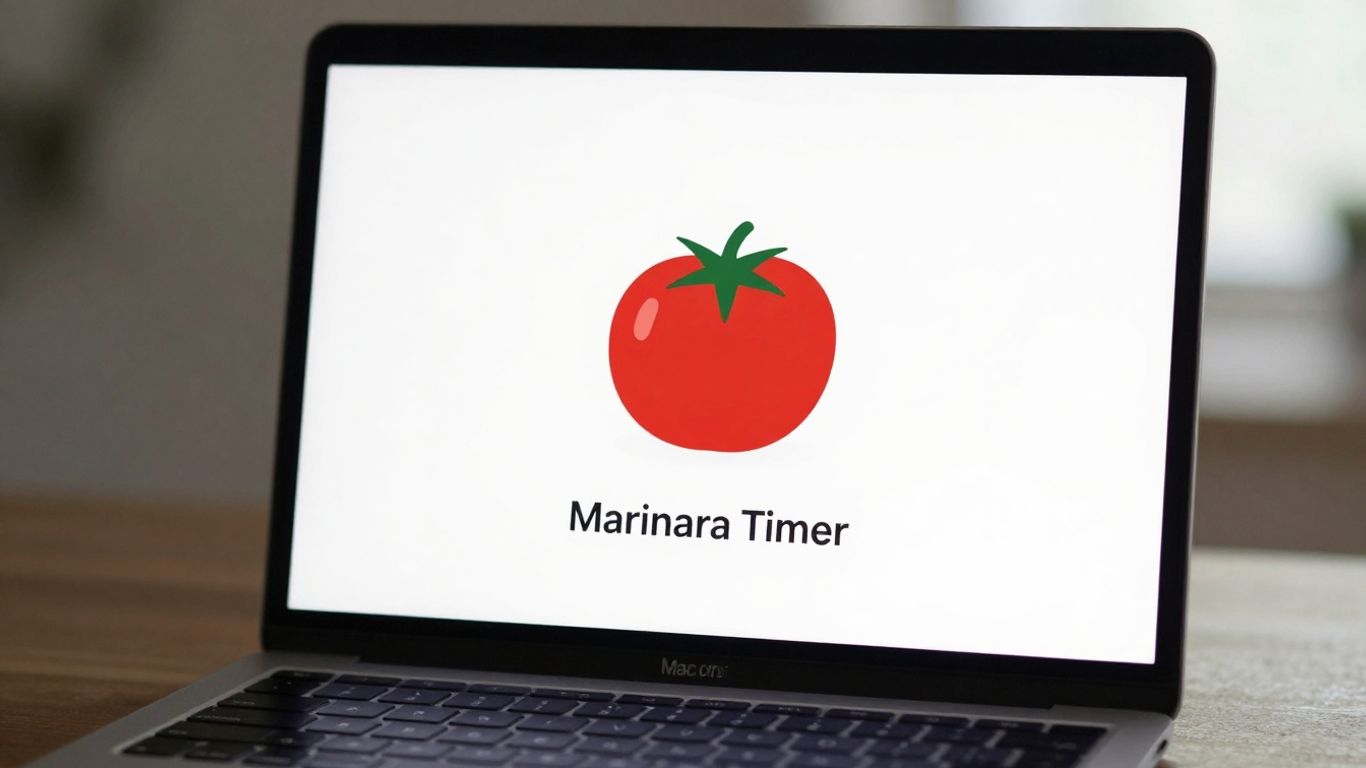
Marinara Timer is a straightforward, no-nonsense option for anyone looking to jump right into the Pomodoro Technique without a lot of fuss. It’s a web-based tool, meaning you can access it from any browser, which is pretty handy if you’re bouncing between different computers or don’t want to install yet another app. It’s designed for speed and simplicity, letting you start timing with minimal setup.
While it doesn’t have all the bells and whistles of some of the more complex productivity suites, Marinara Timer nails the core functionality. You can customize your work and break durations, which is important because the standard 25/5 minute split doesn’t work for everyone. It also offers basic task management, allowing you to link your timed sessions to specific tasks. This helps you keep track of what you’re actually working on during those focused bursts.
Here’s a quick look at what it offers:
- Customizable Timers: Adjust work intervals, short breaks, and long breaks to fit your personal rhythm.
- Task Linking: Associate each Pomodoro session with a specific task to track your progress.
- Browser-Based: No installation required, accessible from any device with a web browser.
- Minimalist Interface: Clean and uncluttered, so it doesn’t become a distraction itself.
It’s a solid choice if you just need a reliable timer that gets out of your way. You won’t find deep analytics or team collaboration features here, but for individual focus, it’s a great starting point.
Sometimes, the simplest tools are the most effective. Marinara Timer proves that you don’t need a complicated setup to benefit from focused work sessions. It just works, and that’s a big win.
10. Pomodor
Pomodor is a straightforward, web-based timer that really nails the core Pomodoro Technique without any fuss. If you’re just dipping your toes into time management methods or only need a timer now and then, this is a solid choice. It’s accessible right from your browser, meaning no downloads or installations are necessary, which is a big plus for quick setup.
The beauty of Pomodor lies in its simplicity and customizability. You can easily tweak the length of your work intervals and breaks, as well as the number of Pomodoros before a longer pause. This flexibility lets you adapt the technique to your personal workflow, rather than forcing yourself into a rigid structure.
Here’s a quick look at what makes it stand out:
- Browser-Based: No installation needed, just open it up and start.
- Customizable Intervals: Set your own work and break times.
- Minimalist Design: Clean interface that doesn’t distract.
- URL Bar Timer: The countdown is visible in the browser tab title, a neat little feature.
It’s a great option if you want a no-frills Pomodoro experience. While it might not have all the bells and whistles of more complex apps, its ease of use and adaptability make it a reliable tool for focused work sessions.
11. Otto
Otto is a browser extension that really brings some personality to the Pomodoro Technique. Instead of just a plain timer, you get a little mascot that does things like struggle to lift weights while you’re working. It’s a nice change from the usual tomato icons you see everywhere else. This app is still pretty new, so some features are still being worked on, but it’s already quite capable.
Otto is a great option if you use Chrome and want a Pomodoro timer with a bit of character. It also has a feature to block distracting websites, which is a big help when you’re trying to stay on task. The free version covers the basics, but there’s a paid option if you want more detailed analytics and other extras.
Here’s a quick look at what Otto offers:
- Customizable work and break intervals.
- Website blocking to minimize distractions.
- A charming mascot that adds a unique touch.
- Integration with your browser for easy access.
While some of the gamification elements might take a little getting used to, they don’t get in the way of the core functionality. It’s a solid choice for anyone looking to add a bit of fun to their focus sessions.
Otto is available as a browser extension and is a good pick for Windows users who might not have as many native Pomodoro app options.
12. Flow
Flow is a pretty straightforward Pomodoro timer that works on Mac and iPhone. It’s got a clean, minimalist look, which is nice because you’re supposed to be focusing, not fiddling with a complicated app. The free version is actually pretty good for just basic Pomodoro timing. You get your standard work and break intervals, and that’s that.
If you want a bit more, the paid version isn’t too pricey, especially if you go for the annual plan. It’s way cheaper than some of the other options out there that charge a lot more per month. So, if you’re an Apple user and just need a timer that does its job without a lot of fuss, Flow is definitely worth a look.
- Simple, clean interface
- Works across Mac and iOS
- Affordable paid plan
- Good free option for basic needs
Flow really nails the basics. It doesn’t try to be a full project management suite or anything. It’s just a timer, and it does that well. For people who want a no-nonsense way to use the Pomodoro Technique, this is a solid choice.
13. Session
Session is an app that really goes all out to be the best Pomodoro timer for Apple devices. It’s got all the standard stuff you’d expect, like adjustable timer lengths and keyboard shortcuts, plus a handy menu bar app. But where it really shines is with its extra features. It syncs timers across your Mac, iPhone, iPad, and even Apple Watch. You also get detailed analytics to see how you’re spending your time, calendar integration, and the ability to block specific apps and websites on your Mac to keep distractions at bay.
What’s pretty cool is that Session is even trying to incorporate to-do list functionality, which is something I usually avoid in timer apps. It’s still in beta, but it can connect with apps like Reminders and Things, letting you see your tasks, track what you’re working on, and mark them as done, all within the timer interface. Plus, it adds a mindful touch with a quick breathing exercise at the start of each session and prompts for reflection at the end of the day.
Session packs in a ton of features, aiming to be the ultimate focus tool for Apple users, even integrating with things like Slack for custom status updates.
Of course, all these features come with a price. There’s a free version that’s perfectly fine for basic Pomodoro needs, but to get the most out of Session, you’ll need a Pro subscription. It’s definitely on the pricier side for a timer app, but if you’re looking for a deeply integrated and feature-rich experience across your Apple ecosystem, it might be worth considering. It’s the kind of app that, despite the cost, you might find yourself using almost every day, especially if you value detailed insights into your work habits and want a tool that supports the Pomodoro® Technique effectively.
14. Taskade
Taskade is a bit different from the other Pomodoro timers on this list because it’s not just a timer. It’s a whole workspace. Think of it like a digital notebook that also has a built-in Pomodoro timer. This means you can plan your tasks, write notes, and then jump right into a focus session without ever leaving the app. It’s perfect if you like having everything in one place.
If you’re already using Taskade for project management or team collaboration, adding the Pomodoro timer is a natural fit. You can start a focus session right from your project board or within a document. It keeps you in the flow, moving from planning to doing without all the app-switching hassle.
Here’s a quick look at what Taskade offers:
- Integrated Workspace: Combines task lists, notes, and a Pomodoro timer.
- In-App Focus Sessions: Run your Pomodoro cycles directly within your projects.
- Collaboration Tools: Work with others on projects and tasks.
- Customizable Timer: Adjust work and break durations to fit your needs.
While the timer itself is pretty straightforward, its real strength is how it fits into a larger productivity system. It’s not the best choice if you just want a simple, standalone timer, but if you’re looking for an all-in-one solution, Taskade is definitely worth checking out.
Taskade aims to keep your workflow smooth by embedding focus tools directly into your planning and collaboration environment. This way, you don’t lose momentum switching between different applications.
15. Focus Keeper
Focus Keeper aims to make productivity feel straightforward and accessible. It uses a colorful, tactile design that feels more like adjusting a dial than staring at a countdown timer, which can really take the pressure off your focus sessions. For those of us glued to screens, staying on task is a constant battle, and Focus Keeper helps by breaking work into timed intervals with short breaks in between. It’s a surprisingly good way to keep motivation up.
The app’s “timer wheel” design gives you a quick sense of momentum, while optional reminders and streak tracking add just enough motivation to keep going. It’s a solid choice for beginners or anyone looking to build a solid routine without getting bogged down in complicated menus.
Here’s a quick look at what it offers:
- Visual Progress: Simple charts and streak tracking help you see your progress and stay motivated.
- Encouraging Feedback: Satisfying sounds and clear visual cues make each session feel rewarding.
- Customizable Sessions: You can adjust work and break times to fit your personal rhythm.
While the free version is functional, it does limit the number of sessions and some features. If you find yourself using it a lot, the premium plan unlocks everything, but it’s nice to know you can try it out without paying upfront.
Focus Keeper is great if you want a friendly, visual, and easy way to start using the Pomodoro Technique without a lot of fuss.
16. Deep Focus Mode
Deep Focus Mode isn’t a specific app, but rather a concept and a set of features found across various Pomodoro timers designed to minimize distractions and maximize concentration. When you activate this mode, the goal is to create an environment where your attention isn’t pulled away by notifications, tempting websites, or other applications. It’s about setting up your digital space to support, not hinder, your work sessions.
Think of it as building a temporary digital fortress around your task. This often involves:
- Blocking distracting websites and applications: Many timers offer integration with your system or browser to prevent access to sites like social media or news outlets during your focus intervals.
- Silencing notifications: This can range from turning off all system alerts to allowing only specific, pre-approved contacts or apps to break through.
- Customizable session lengths: While the classic Pomodoro is 25 minutes, Deep Focus Mode might allow for longer, uninterrupted work blocks if that suits your workflow better.
- Visual cues: Some timers provide subtle visual indicators, like a changing browser tab color or a small, persistent window, to remind you that you’re in a focus session without being overly intrusive.
The effectiveness of Deep Focus Mode hinges on your commitment to the process. It’s a tool to help you, but ultimately, the discipline to stay on task comes from you. Setting it up correctly and respecting its boundaries is key to making it work.
While some apps bundle these features under a single ‘Deep Focus’ button, others allow you to configure them individually. For instance, Be Focused offers robust options for blocking apps and websites, which is a core component of creating a deep focus environment. The idea is to remove as many potential interruptions as possible so you can truly get into a state of flow, similar to what you might experience with a dedicated Flow Focus Pomodoro Timer. It’s about creating intentional pockets of time where your work can take center stage.
17. Any Timer
Sometimes, you just need a timer. Not a whole productivity suite, not a complex task manager with a timer built-in, just a simple countdown. That’s where apps like ‘Any Timer’ come into play. They strip away all the extra bells and whistles to give you a straightforward tool for managing your time blocks.
These timers are perfect for those who find dedicated Pomodoro apps a bit overwhelming or who simply want a no-fuss way to time specific activities. They often focus on the core functionality: setting a duration, starting the timer, and getting an alert when time is up. You won’t find elaborate analytics or team collaboration features here, and that’s okay. The goal is simplicity and speed.
When looking at these kinds of timers, consider these points:
- Customization: Can you easily set custom work intervals and break lengths? Some might offer presets, but flexibility is key.
- Alerts: What kind of notifications do you get? A simple sound, a visual cue, or both?
- Minimalism: Does it stay out of your way? A clean interface and minimal resource usage are usually the hallmarks of a good ‘any timer’ app.
While many apps try to do a lot, the beauty of a simple timer lies in its singular focus. It’s about making time tangible for a specific task, without adding cognitive load. If you’re already managing your tasks elsewhere, a basic timer can be the perfect companion to keep your focus sessions on track.
18. Digital Timer
Sometimes, you just need a straightforward digital timer. No frills, no fancy graphics, just a clear display counting down your work or break periods. These types of timers are often the most basic, but that’s part of their charm. They get the job done without any fuss.
The core appeal of a digital timer lies in its simplicity and directness. You set your time, hit start, and watch the numbers change. It’s a very tangible way to track your progress through a Pomodoro session.
Here’s what you typically find with a good digital timer:
- Customizable Intervals: You can usually set your work session length, short break duration, and long break length to match your personal Pomodoro rhythm.
- Clear Visuals: A large, easy-to-read display shows you exactly how much time is left, helping to create a sense of urgency.
- Audio Cues: Most offer subtle sounds or alerts to let you know when a session or break is ending, so you don’t have to constantly watch the screen.
While some apps try to pack in a ton of features, a good digital timer focuses on doing one thing well: keeping track of time. It’s about removing distractions, not adding more complexity to your workflow. If you find yourself getting lost in too many options, a simple digital timer might be exactly what you need to get back on track.
Many digital timers are also incredibly lightweight, meaning they won’t bog down your system. They often live quietly in your menu bar or as a small, unobtrusive window on your desktop, always accessible but never in the way.
19. Analog Timer
Sometimes, the best way to focus isn’t with a fancy app, but with something a bit more… tangible. That’s where analog timers come in. Think of those classic kitchen timers or even a simple sand timer. They offer a visual, tactile experience that can be surprisingly effective for staying on track.
While they might not have all the bells and whistles of digital Pomodoro apps, analog timers have a certain charm. You can see the time ticking away, and the physical act of winding one up or flipping it over can be a satisfying ritual to start a focus session.
Here’s why an analog timer might work for you:
- Simplicity: No notifications, no complex settings, just time.
- Tangibility: A physical object can feel more real and engaging than a digital display.
- Urgency: Watching the timer count down can create a gentle pressure to stay focused.
- Distraction-Free: It’s just a timer. It won’t tempt you with other features or apps.
While digital tools are great for tracking and analytics, there’s a unique benefit to using a physical timer. It removes the digital clutter and brings you back to the core idea of focused work intervals. It’s a reminder that sometimes, less technology is more productive.
They might not offer detailed reports or sync across devices, but for a straightforward, no-frills approach to timeboxing, an analog timer is a solid choice. It’s a throwback method that still holds up.
20. Stopwatch App
Sometimes, you don’t need all the bells and whistles of a full-blown Pomodoro app. Maybe you just need to time a specific task, like how long it takes to read a chapter or complete a quick exercise. That’s where a simple stopwatch app comes in handy. These apps are straightforward: hit start, hit stop.
They’re perfect for those moments when you need a clear, uncomplicated way to measure elapsed time. While dedicated Pomodoro timers often have complex settings for work intervals, breaks, and long breaks, a stopwatch app cuts straight to the chase. You get a clean display of seconds and minutes ticking by.
Here’s what you might look for in a basic stopwatch app:
- Simplicity: The main goal is to start and stop timing with minimal fuss.
- Lap Functionality: The ability to record lap times can be useful for tracking multiple segments within a single session.
- Clear Display: Easy-to-read numbers are a must, especially if you’re glancing at it quickly.
- Minimal Distractions: No pop-ups, no complex menus, just the timer.
While many productivity apps try to integrate every feature imaginable, sometimes the most effective tool is the one that does one thing and does it well. A stopwatch app falls into this category, offering a pure, unadulterated way to track time’s passage without any added complexity.
21. Menu Bar App
Sometimes, the simplest solutions are the most effective, right? That’s where menu bar apps shine. They tuck away neatly into your Mac’s top bar, always accessible but never in your face. This makes them perfect for quick checks and starting/stopping timers without interrupting your flow.
Think about it: you’re deep in work, and you need to start a Pomodoro. Instead of digging through your applications or switching windows, you just glance up. A quick click, and you’re off. It’s that straightforward.
Here’s what you typically get with a good menu bar Pomodoro timer:
- Always Visible Timer: See your current work or break session countdown right there.
- Quick Controls: Start, pause, skip, or reset timers with a single click or keyboard shortcut.
- Task Integration (Sometimes): Some apps let you manage simple to-do lists or track tasks directly from the menu bar.
- Customizable Sounds: Get notified when a session ends without being startled.
While they might not have all the bells and whistles of a full-blown application, their convenience is hard to beat. For many, having a timer that’s just a click away is all they need to stay on track. It’s a small addition to your desktop that can make a big difference in how you manage your time. If you’re looking for a no-fuss way to implement the Pomodoro Technique, a dedicated menu bar app is definitely worth considering.
22. Browser App
Sometimes, the simplest approach is the most effective. When you’re looking for a way to use the Pomodoro Technique without installing anything extra, a browser-based timer is a fantastic option. These apps live right in your web browser, meaning you can access them from any computer without a download. They’re perfect for getting started or for times when you’re on a shared machine.
Many browser timers offer a clean interface that displays the countdown directly in the tab title, so you always know where you stand without even looking at the page. You can usually customize the work and break intervals to fit your personal workflow. Some even let you block distracting websites, which is a nice bonus.
Here’s what you can typically expect:
- Customizable Intervals: Adjust work, short break, and long break times.
- Minimalist Display: Countdown often shows in the browser tab title.
- Task Integration: Some allow basic task lists within the timer.
- Cross-Platform Access: Use it on any computer with a web browser.
The beauty of a browser app is its accessibility. You don’t need to worry about syncing across devices or installing software. Just open your browser, head to the site, and start timing your focus sessions. It removes a lot of the friction that can sometimes come with adopting a new productivity method.
For those who just want to try out the Pomodoro Technique or prefer not to clutter their system with apps, a solid browser timer is an excellent choice. It’s a straightforward way to bring structure to your day.
23. Mobile App
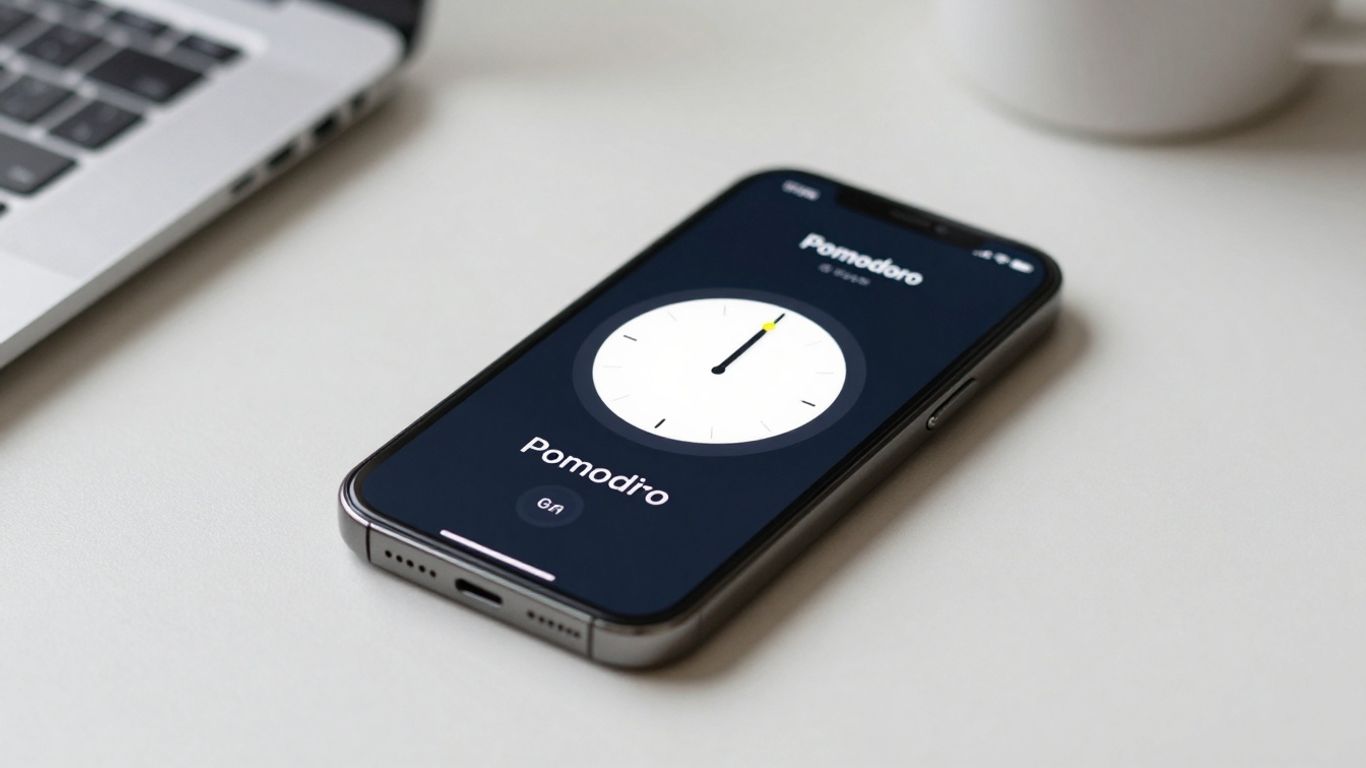
When you’re on the go, your phone is probably your most constant companion. So, it makes sense to have a Pomodoro timer right there in your pocket. Many of the apps we’ve talked about have mobile versions, which is super handy for keeping your focus sessions consistent whether you’re at your desk or grabbing a coffee.
Having a mobile app means you can start a focus session anywhere, anytime. This is great for those unexpected moments when you find yourself with a free 25 minutes and want to knock out a quick task. Plus, if you’re using an app that syncs across devices, like Focus To-Do, your progress and tasks will be updated no matter which device you use.
Here’s what you might look for in a good mobile Pomodoro app:
- Syncing: Make sure it syncs with your desktop or web app so your data is always current.
- Customization: Can you adjust work and break times? Some apps let you set different timers for different tasks.
- Task Management: Does it let you create and manage your to-do list directly within the app?
- Notifications: Does it give you gentle nudges when it’s time to switch gears?
Some mobile apps offer features like blocking distracting apps during focus sessions, similar to their desktop counterparts. This can be a lifesaver when you’re trying to concentrate in a busy environment.
It’s all about having that flexibility. You don’t want to be tied to your computer to get your Pomodoro sessions in. Having a solid mobile option means your productivity system is always with you.
24. Desktop App
When you’re really trying to buckle down and get work done on your Mac, having a dedicated desktop app for your Pomodoro timer can make a big difference. These apps live right on your computer, so you don’t have to worry about switching browser tabs or losing your place. They often come with more features than web-based options, like better integration with your operating system or more robust distraction blocking.
Desktop apps offer a focused environment right on your machine. They’re built to be there when you need them, without the usual distractions that come with browsing the web.
Here’s what you might find in a good desktop Pomodoro app:
- Customizable Timers: Set your work intervals, short breaks, and long breaks exactly how you like them. Some apps even let you set different timer lengths for different tasks.
- Task Management: Many desktop apps let you create to-do lists and track your progress directly within the timer interface. You can add notes, set due dates, and organize your day.
- Analytics and Reports: See how you’re spending your time. These apps can show you total focus time, session counts, streaks, and trends over time, helping you understand your productivity patterns.
- Distraction Blocking: Some advanced desktop apps can block distracting websites or even specific applications during your focus sessions, really helping you stay on track.
- System Integration: Look for apps that integrate well with macOS, perhaps offering widgets or menu bar access for quick control.
While many apps offer web and mobile versions, a dedicated desktop application often provides a more stable and feature-rich experience for Mac users. It’s about having that tool readily available and deeply integrated into your workflow without needing an internet connection for core functionality.
Some desktop apps are free, while others have paid versions with more advanced features. It’s worth checking out a few to see which one fits your workflow best. For instance, apps like Be Focused or Focus To-Do are known for their solid desktop presence on Mac.
25. Web-Based Timer and more
Sometimes, you just need a timer, plain and simple, without all the bells and whistles. That’s where web-based timers shine. They’re super accessible – just open your browser, and you’re good to go. No downloads, no installations, just pure focus.
These timers strip away the complexity, letting you get straight to your work. They often offer basic customization for your work and break intervals, and some even let you jot down a quick to-do list right there. It’s all about getting started fast.
Here’s a quick look at what you can expect:
- Simplicity: Usually, you just hit ‘start’ and the timer begins. No complicated setup.
- Accessibility: Works on any device with a web browser.
- Basic Features: Customizable work/break times, sometimes a simple task list.
- No Sign-up Needed: Many let you start timing immediately.
While they might not have all the fancy analytics or integrations of dedicated apps, web-based timers are fantastic for those who want a no-fuss approach to the Pomodoro Technique. They’re perfect for quick focus sessions or when you’re on a computer that isn’t yours.
Think of them as your go-to for immediate productivity boosts. They get the job done without getting in your way.
Wrapping Up Your Focus Journey
So, there you have it. Finding the right Pomodoro timer for your Mac isn’t about picking the flashiest app; it’s about finding a tool that just clicks with how you work. Whether you need something super simple to get started fast, or a more detailed tracker to really dig into your habits, there’s definitely an option out there that fits. Remember, the Pomodoro Technique itself is pretty straightforward, and the best timer just makes it even easier to stick with. Give a few of these a try and see which one helps you get more done without feeling like a chore. Happy focusing!
Frequently Asked Questions
What exactly is the Pomodoro Technique?
The Pomodoro Technique is a simple way to get more done by working in short, focused bursts. You set a timer for about 25 minutes, work hard until it rings, and then take a short break. After a few of these work sessions, you take a longer break. It’s like breaking down big tasks into smaller, manageable chunks so you don’t get overwhelmed.
Why use a special Pomodoro app instead of just any timer?
While any timer works, special Pomodoro apps make things easier. They automatically switch between work and break times, keep track of how many focus sessions you’ve completed, and help you stay on track without constantly checking the clock. They smooth out the process so you can focus on your work.
Can I change the work and break times?
Yes, absolutely! While the classic method uses 25-minute work periods and 5-minute breaks, many apps let you adjust these times. Some people prefer longer work sessions for writing or creative tasks, while shorter ones might be better for quick, repetitive jobs. It’s all about finding what works best for you.
Do I need a timer app if I already have a to-do list?
A Pomodoro timer isn’t meant to replace your to-do list but to work with it. The timer helps you focus on one task from your list for a set amount of time. Some apps even let you link timers directly to your tasks, making it easier to see how long things actually take.
How do I choose the ‘best’ Pomodoro timer for myself?
The best timer for you depends on your personal style and needs. If you want lots of data and team features, try Toggl Track. If you like visual rewards, Forest or Flocus might be good. For a super simple start, Pomofocus or Marinara Timer are great. If you’re deep in the Apple ecosystem, Be Focused or Session could be a good fit.
Are these apps complicated to set up?
Most of the best Pomodoro apps are designed to be super easy to use, with minimal setup required. The goal is to reduce distractions, not add them. You can usually just open the app, hit start, and begin focusing. More advanced features are there if you want them, but they aren’t necessary to get started.