
Feeling like your brain is a pinball machine sometimes? Yeah, me too. Keeping focused can be a real challenge, especially when you’ve got ADHD. You know those big tasks that just feel impossible to start? Or maybe you get so into something that you forget to eat or sleep? It’s a lot. But what if there was a simple way to break things down and actually get stuff done without feeling totally drained? We’re going to talk about the Pomodoro Technique, and how using it for ADHD might just be a game-changer. It’s not magic, but it’s a pretty cool trick for managing your time and focus.
Key Takeaways
- The Pomodoro Technique breaks work into short, focused bursts, usually 25 minutes, followed by short breaks. This structure helps manage ADHD by making tasks feel less overwhelming and preventing burnout.
- Regular breaks are built into the Pomodoro method, which is great for the ADHD brain. They help prevent mental fatigue and keep you from getting bored, which can lead to losing focus.
- This technique can boost productivity by using your ability to hyperfocus. You channel that intense focus into short, defined work periods, making real progress.
- The timer aspect of the Pomodoro Technique helps with time blindness, a common ADHD symptom. It creates a clear sense of urgency and makes you more aware of how time is passing.
- You can adjust the Pomodoro Technique to fit your personal needs. Experiment with different work and break times, minimize distractions, and use tools like timers to make it work best for your specific ADHD challenges.
Understanding the Pomodoro Technique for ADHD
So, you’ve heard about the Pomodoro Technique, right? It’s this time management thing where you work in short bursts, usually 25 minutes, and then take a quick break. Sounds simple enough, but for folks with ADHD, it can be a real game-changer. The idea is to break down your day into these manageable chunks, which can make tasks feel way less overwhelming. It’s like giving your brain a clear roadmap instead of just a giant, confusing mess.
What is the Pomodoro Technique?
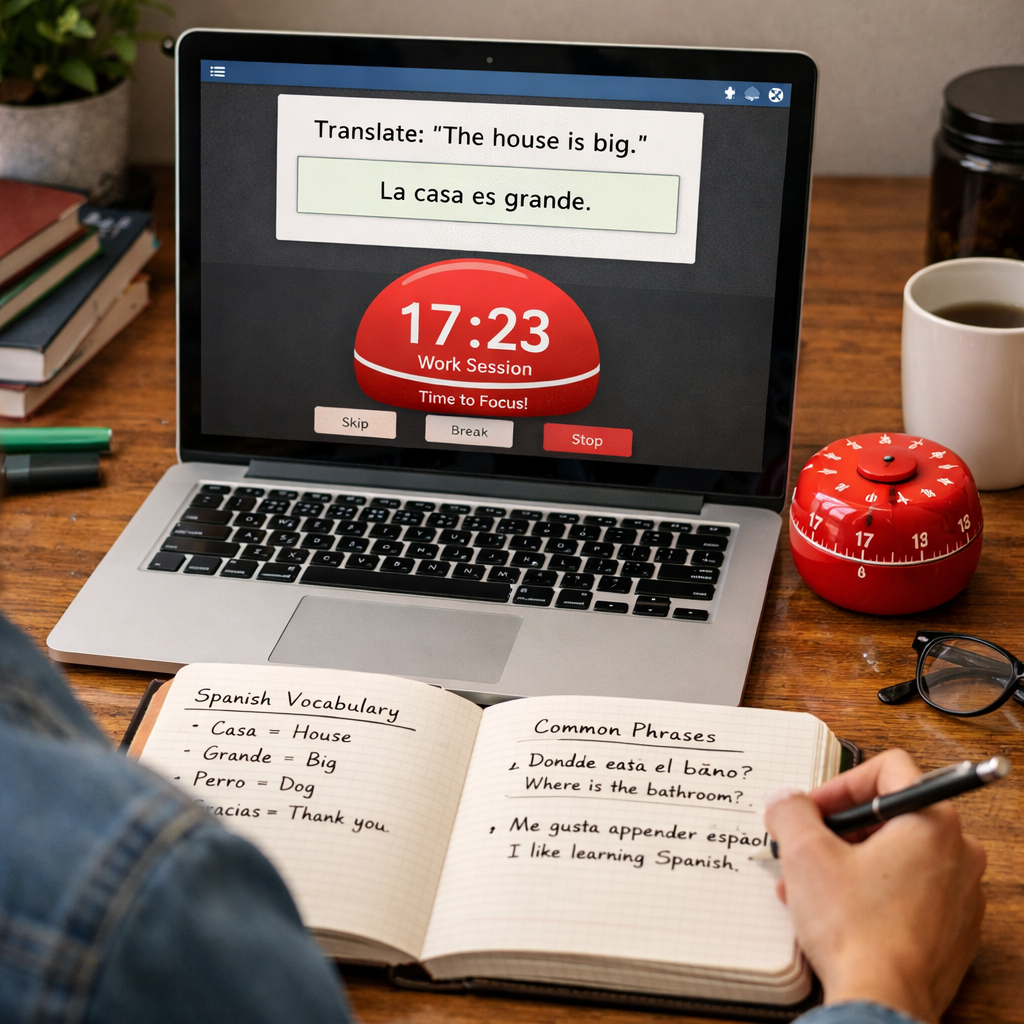
The Pomodoro Technique is a method developed back in the 1980s by Francesco Cirillo. He used a kitchen timer (a "pomodoro" in Italian) to chop up his work into focused intervals. The core idea is to tackle tasks in short, dedicated sprints, followed by short rests. This approach helps you stay focused and avoid that feeling of being completely swamped. It’s a structured way to get things done, and it’s surprisingly effective for managing your time.
How the Pomodoro Technique Works
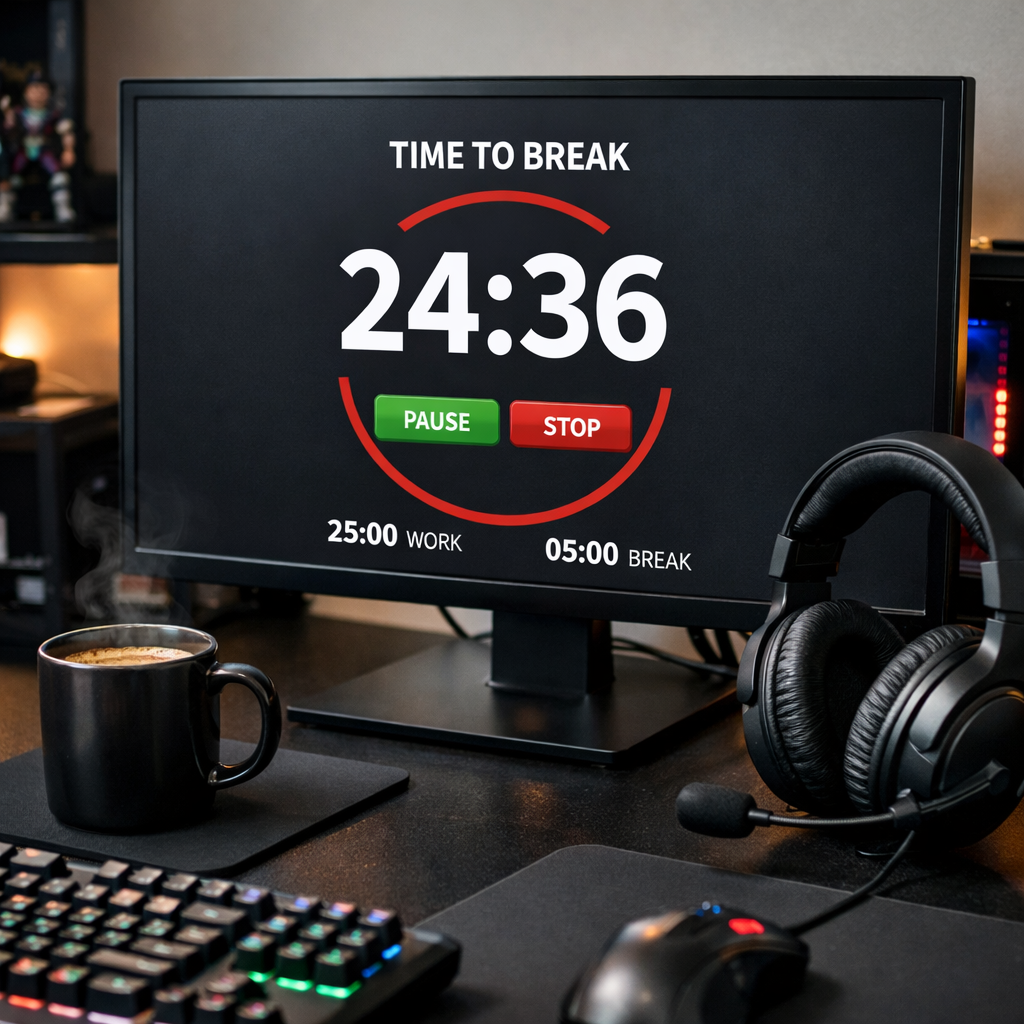
Basically, you set a timer for a specific work period, typically 25 minutes. During that time, you focus only on the task at hand. No checking emails, no scrolling social media, just pure focus. When the timer rings, you take a short break, usually 5 to 10 minutes. This break is important – it lets your brain reset. After a few of these work-break cycles, you take a longer break. This rhythm helps prevent burnout and keeps your mind fresh. It’s all about creating a sustainable pace for your work.
The Six-Step Pomodoro Process
Here’s a quick rundown of how it generally works:
- Make a list: Jot down what you need to get done for the day. Pick the most pressing task first.
- Set the timer: Aim for 25 minutes of focused work.
- Work: Dive into your chosen task until the timer goes off.
- Break time: Take a short break, about 5-10 minutes. Stretch, grab some water, whatever helps you relax.
- Repeat: Do this cycle again. After about four work sessions, take a longer break, maybe 20-30 minutes.
- Keep going: Continue this pattern until your tasks are complete.
This structured approach can really help quiet the mental noise that often comes with ADHD, making it easier to start and finish tasks without getting sidetracked. It’s about working with your brain, not against it.
This method can be a real help for anyone struggling with focus, and it’s particularly useful for individuals with ADHD who can benefit from the clear structure it provides. It helps build momentum and makes large projects feel much more approachable.
Benefits of Pomodoro for ADHD Success

So, why is this whole Pomodoro thing actually good for folks with ADHD? It’s not just some random productivity hack; it really taps into how our brains work, or sometimes, how they don’t work.
Structured Focus Periods for the ADHD Brain
Our brains, especially with ADHD, can sometimes feel like a race car with faulty brakes. We might zoom off on tangents or struggle to get going at all. The Pomodoro technique steps in with a clear structure. It says, ‘Okay, for the next 25 minutes, we’re going to focus on this one thing.’ This kind of defined block of time is way less overwhelming than a giant, undefined task. It gives our brains a clear target, making it easier to actually start and stay on track.
Built-in Breaks to Prevent Burnout
Anyone who’s tried to push through a task for too long knows that feeling of hitting a wall. For people with ADHD, this can happen even faster. We can get mentally drained, leading to that ‘brain fog’ or just feeling completely stuck. Pomodoro builds in short breaks automatically. These aren’t just random pauses; they’re planned moments to step away, reset, and give your brain a breather. This helps stop that feeling of being totally wiped out before you’re even halfway done.
Boosting Productivity Through Hyperfocus
Here’s a cool thing about ADHD brains: when we’re really interested in something, we can sometimes hyperfocus. It’s like our brain suddenly has laser-like concentration. The Pomodoro technique can actually help us tap into this. By setting a timer for a focused work period, we create an environment where that hyperfocus can kick in for a specific, useful amount of time. It’s about channeling that intense focus into productive work, rather than letting it run wild on something unrelated.
Enhancing Time Awareness and Urgency
Time blindness is a real thing for many with ADHD. It’s like time just slips away without us noticing. The ticking timer in the Pomodoro technique acts as a constant, gentle reminder that time is passing. This can create a subtle sense of urgency, pushing us to get things done within the allotted time. It helps us get a better grip on how long tasks actually take, which is a huge win for planning and managing our days.
Implementing Pomodoro for ADHD Effectively
So, you’ve decided to give the Pomodoro Technique a shot for your ADHD. That’s awesome! But just knowing the steps isn’t always enough, right? We need to actually make it work for us. It’s not about being super rigid; it’s about finding a rhythm that helps you get things done without feeling totally overwhelmed. Let’s break down how to really make this technique stick.
Setting Clear Goals for Each Session
Before you even hit the timer, take a minute to figure out what you want to accomplish in that next work block. Vague goals like "work on project" are a recipe for getting lost. Instead, try something specific. Think about what a realistic, achievable chunk of progress looks like for you in, say, 25 minutes. It could be writing a single paragraph, solving one math problem, or drafting the first three bullet points for a report. Having a clear target makes it much easier to know if you’re on track and gives you a little win when you hit it.
Choosing Optimal Time Intervals
The classic Pomodoro is 25 minutes of work and 5 minutes of break. But honestly, for ADHD brains, that might feel like a marathon or a blink of an eye, depending on the task and your focus level that day. Don’t be afraid to experiment. Maybe 15 minutes is more realistic for a tough task, or perhaps you’re in a flow state and can push to 40 minutes. The key is to find intervals that allow you to concentrate without feeling like you’re going to explode from boredom or frustration. It’s okay to adjust!
Creating a Distraction-Free Environment
This one is huge. Our brains are wired to notice everything. So, before you start a Pomodoro, do a quick scan of your surroundings. What’s likely to pull you away? Phone notifications? That pile of mail on your desk? A noisy roommate? Try to minimize these. Put your phone on silent or in another room, close unnecessary tabs on your computer, and maybe even use noise-canceling headphones if you have them. It’s about setting yourself up for success, not fighting a losing battle against every little ping and flicker.
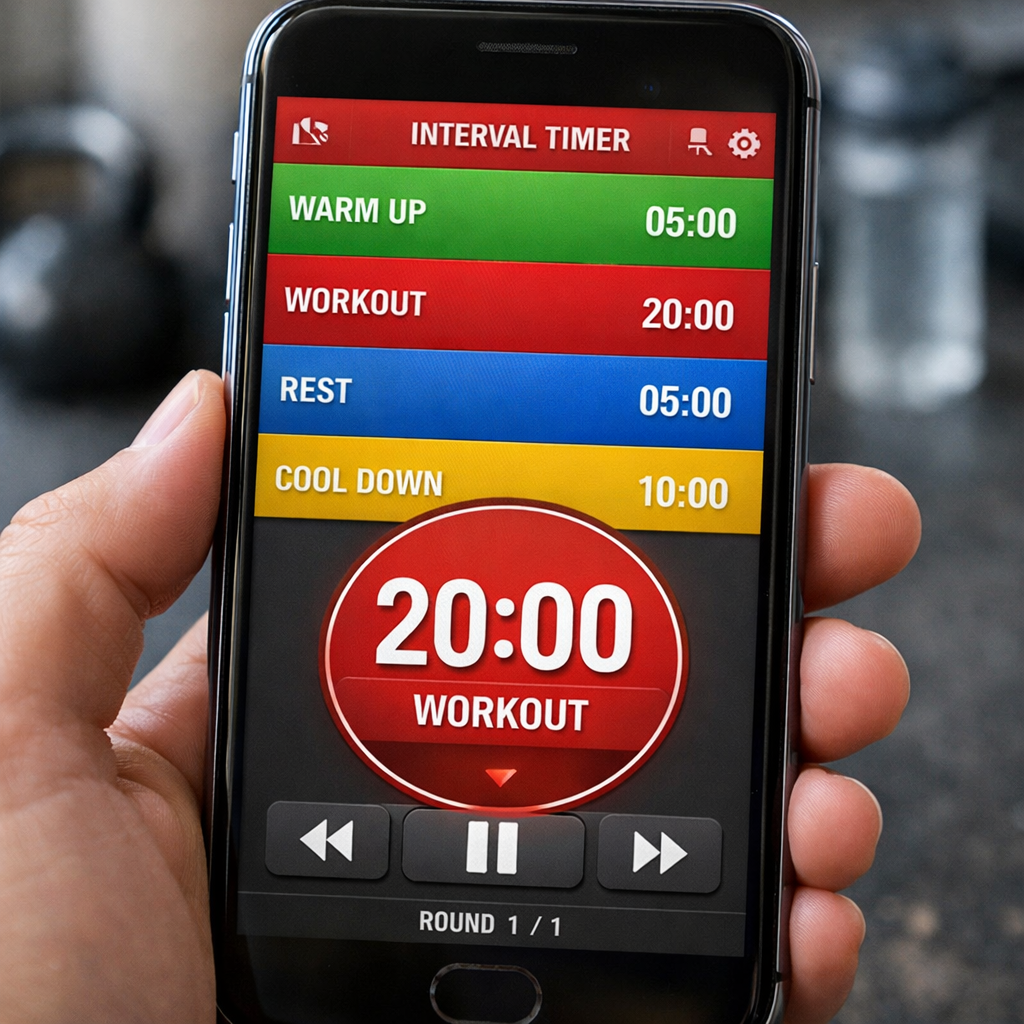
Utilizing Timer Apps and Visual Aids
Sometimes, just a basic kitchen timer works fine. But for many of us, a dedicated app can be a game-changer. Many Pomodoro apps have features like:
- Customizable timers: Set your own work and break lengths.
- Task tracking: Log what you worked on during each Pomodoro.
- Visual countdowns: Seeing the time tick down can be motivating (or a gentle nudge to stay on task).
- Sound alerts: Choose sounds that aren’t jarring but still signal the end of a session.
Visual aids, like a simple to-do list where you can cross off completed Pomodoros, can also provide a satisfying sense of progress. It’s about making the abstract concept of time more concrete and manageable.
The goal isn’t to become a robot following a strict schedule. It’s about using these structured bursts of focus and planned breaks to work with your ADHD brain, not against it. Flexibility and self-awareness are your best friends here.
Adapting Pomodoro for Individual ADHD Needs
The Pomodoro Technique is great, but it’s not a one-size-fits-all kind of thing, especially when you’re dealing with ADHD. What works for one person might not work for another, and that’s totally okay. The key is to tweak it so it fits you and your brain.
Starting Gradually and Building Momentum
Don’t try to do too much too soon. If you’re new to this, maybe start with just a couple of Pomodoros a day. See how that feels. You can slowly add more as you get used to it. It’s like building up your focus muscles. Trying to jump into a full day of Pomodoros right away can feel overwhelming and might just make you want to quit before you even start.
Flexibility with Work and Break Durations
That standard 25-minute work, 5-minute break thing is a guideline, not a strict rule. If you find yourself really in the zone and 25 minutes isn’t enough to finish a thought or a small task, it’s okay to go a little longer. Just try not to let it turn into hours. On the flip side, if 25 minutes feels like an eternity, shorten it! Maybe try 15 or 20 minutes. The same goes for breaks. If 5 minutes isn’t enough to actually reset, take 10. The goal is to make it work for your focus levels.
Breaking Down Large Tasks
Big projects can feel like climbing Mount Everest. The Pomodoro Technique helps by breaking things down, but sometimes even the ‘small’ steps are still too big. If a task feels too daunting, break it down even further. Instead of ‘Write Report,’ maybe it’s ‘Outline Report,’ then ‘Write Introduction,’ then ‘Research Section 1,’ and so on. Each of these can become its own Pomodoro.
Tailoring Intervals for Children with ADHD
Kids with ADHD often have shorter attention spans. For them, the 25-minute interval is probably way too long. You might start with 5 or 10-minute work periods, followed by a short break. As they get better at focusing for those shorter bursts, you can gradually increase the work time. Making it a game or using fun timers can also help keep them engaged.
The most important thing is to experiment. What feels right for your focus and energy levels on any given day? Listen to your body and your brain. If something isn’t working, change it. Don’t force yourself into a rigid structure that makes you feel stressed or defeated. The Pomodoro Technique is a tool to help you, not a master to obey.
Navigating Common Pomodoro Challenges with ADHD

Okay, so the Pomodoro Technique sounds pretty sweet, right? Work for a bit, break for a bit, get stuff done. But let’s be real, when you’ve got ADHD, sometimes it feels like the technique itself throws up roadblocks. It’s not always a smooth ride, and that’s totally normal. We’re going to talk about some of the bumps you might hit and how to smooth them out.
Managing Interruptions During Focus Time
Interruptions are basically the arch-nemesis of focused work, especially for us. Whether it’s a notification pinging on your phone, a colleague stopping by your desk, or even just a random thought popping into your head, they can completely derail a Pomodoro session. The goal of 25 minutes of uninterrupted focus can feel impossible sometimes.
- Communicate your needs: Let people around you know when you’re in a focus block. A simple sign on your door or a quick heads-up to coworkers can make a big difference.
- Quick capture: If an interruption is a thought or a task that pops up, jot it down immediately on a notepad or a digital list. Then, tell yourself you’ll deal with it after the Pomodoro. This gets it out of your head without breaking your flow.
- Re-center: If you do get pulled away, don’t beat yourself up. Take a few deep breaths, maybe do a quick stretch, and then restart your Pomodoro. It’s better to restart than to abandon the session.
The key here isn’t to eliminate all interruptions, which is often impossible, but to develop strategies to minimize their impact and quickly return to your task.
Overcoming Rigidity in the Technique
Sometimes, the strict 25-minute timer can feel like a straitjacket. You might be in the middle of a really productive flow, just about to finish a thought or a crucial step, and BAM! The timer goes off. It can feel super counterproductive to stop right then.
- Flexibility is key: The Pomodoro Technique is a tool, not a dictator. If you’re really
Maximizing Pomodoro Breaks for ADHD Recovery
So, you’ve been crushing those Pomodoro sessions, right? Awesome! But here’s the thing, those breaks aren’t just filler time; they’re actually super important, especially when you’ve got ADHD. Think of them as pit stops for your brain. Without them, you’re just going to run on empty, and that’s no good for anyone.
The Importance of Meaningful Breaks
For folks with ADHD, sustained focus can be a real challenge. The Pomodoro Technique gives you these built-in pauses, and it’s vital to use them wisely. These breaks are your chance to reset and recharge, preventing that dreaded burnout. If you just power through, you’ll likely hit a wall, and then getting back on track feels impossible. It’s about working smarter, not just harder, and these breaks are a big part of that strategy. They help manage your energy levels so you can actually get more done over the long haul.
Activities to Recharge During Short Breaks
Those 5-minute breaks after each Pomodoro are short, so you need to make them count. The goal is to step away from your task and do something completely different, something that actually helps you relax or re-energize. Avoid activities that can easily suck you in, like scrolling through social media or checking emails – that’s a fast track to losing your focus. Instead, try these:
- Move your body: Stand up, stretch, do a few jumping jacks, or walk around the room. Getting your blood flowing can make a big difference.
- Hydrate or grab a quick snack: A sip of water or a small, healthy snack can give you a little boost.
- Mindful breathing: Just a minute or two of deep, slow breaths can help calm your nervous system.
- Look out a window: Give your eyes a break from the screen and focus on something in the distance.
The key is to do something that feels like a genuine break, not just a different kind of work. It should be quick, refreshing, and easy to stop when the timer goes off.
Utilizing Longer Breaks for Deeper Rest
After about four Pomodoros, you get a longer break, usually 15-30 minutes. This is your opportunity for a more substantial reset. Don’t just sit there thinking about work. Use this time to really disconnect and recharge. Maybe you can step outside for some fresh air, listen to a song you love, or do a quick mindfulness exercise. If you’re finding it hard to switch off, consider using a visual timer to help you transition back to work. This longer pause is crucial for maintaining your focus and preventing mental fatigue throughout the day.
Tracking Progress and Maintaining Motivation
Okay, so you’ve been using the Pomodoro Technique, and it’s actually helping you get stuff done. That’s awesome! But how do you keep that momentum going? It’s easy to start strong and then fizzle out, right? That’s where tracking what you’re doing and finding ways to stay motivated really comes into play.
Monitoring Completed Pomodoros and Tasks
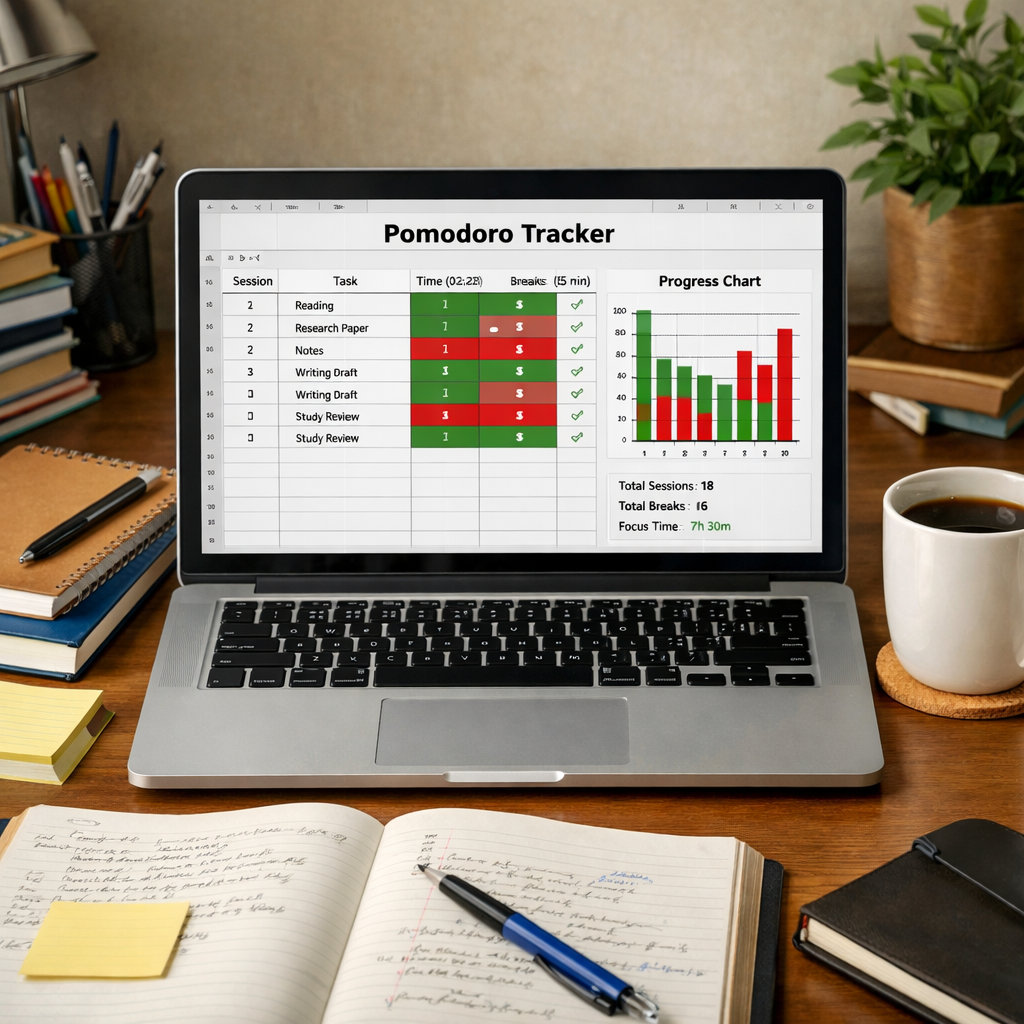
It sounds simple, but actually writing down or ticking off each Pomodoro you finish can be surprisingly powerful. It’s not just about seeing a number grow; it’s about acknowledging that you put in focused time. You can use a notebook, a simple spreadsheet, or even a dedicated app. The key is to make it easy to record. Did you finish that report section? Mark it down. Completed three Pomodoros on your coding project? Great, log it.
Here’s a quick way to think about what to track:
- Pomodoros Completed: Just the raw number of focus intervals you got through.
- Tasks Finished: What specific things did you actually get done during those Pomodoros?
- Progress Made: For bigger tasks, how much closer are you? Did you write 500 words? Solve one complex problem?
Using Progress for Enhanced Motivation
Seeing your progress laid out visually is a big deal, especially when your brain might be telling you that you’re not getting anywhere. It’s like collecting points in a game. Each completed Pomodoro or task is a small win. These little victories add up and can give you that dopamine boost you need to keep going. When you feel stuck, looking back at how much you’ve already accomplished can be a real game-changer. It reminds you that you can do this.
Sometimes, the biggest hurdle isn’t the task itself, but convincing yourself to start. Seeing a list of completed items, even small ones, builds a positive feedback loop. It shows your brain that effort leads to tangible results, making the next step feel less daunting.
Building Accountability Through Tracking
Tracking also helps build accountability, both to yourself and maybe to others. If you’re working on a project with a friend, you can share your progress. Or, you can simply hold yourself accountable by reviewing your tracked progress at the end of the day or week. Did you meet your Pomodoro goals? If not, why? This reflection isn’t about beating yourself up; it’s about learning what works and what doesn’t so you can adjust your strategy for next time. Maybe you need shorter work intervals, or perhaps your breaks weren’t quite long enough to recharge. Tracking gives you the data to make those smart adjustments.
Wrapping Up: Your Pomodoro Journey
So, that’s the Pomodoro Technique. It’s not some magic bullet, but it’s a really solid tool for folks with ADHD. By breaking things down into these short work sprints and then taking real breaks, you can actually get stuff done without feeling totally wiped out. Remember, it’s all about finding what works for you. Play around with the times, get rid of distractions as much as you can, and don’t beat yourself up if you get off track. Just start again. This method can seriously help you feel more in control of your day and get more done. Give it a shot, stick with it, and see what happens.
Frequently Asked Questions
What exactly is the Pomodoro Technique?
Think of the Pomodoro Technique as a way to break down your work into small, manageable chunks. You focus hard on one task for a set amount of time, like 25 minutes, and then take a short break. It’s like using a timer to get things done without getting overwhelmed.
How does this help someone with ADHD?
For people with ADHD, focusing for a long time can be tough. This technique helps because it uses short bursts of work, which matches how the ADHD brain often focuses best. The planned breaks also stop you from getting tired or bored, which are big challenges with ADHD.
What if I get distracted during a work session?
It’s okay if distractions pop up! The best thing to do is quickly write down what’s distracting you and then get right back to your task. If you’re really struggling to focus, it’s fine to pause for a moment, take a few deep breaths, and then start a new work session.
Can I change the work and break times?
Absolutely! The standard times are 25 minutes of work and 5 minutes of break, but you can totally adjust them. If 25 minutes is too long, try 15 or 20 minutes. If you need more time to get into a task, maybe extend it a bit. It’s all about finding what works best for you.
What should I do during my breaks?
Breaks are super important! Instead of just scrolling on your phone, try something that actually helps you relax and recharge. You could stretch, walk around for a bit, listen to a song, or do some quick exercises. The goal is to give your brain a real rest.
How do I know if it’s working for me?
Keep track of how many work sessions, or ‘Pomodoros,’ you complete and what you get done. Seeing your progress can be really motivating! It also helps you see if you need to tweak the times or how you approach tasks. It’s a learning process, so be patient with yourself.