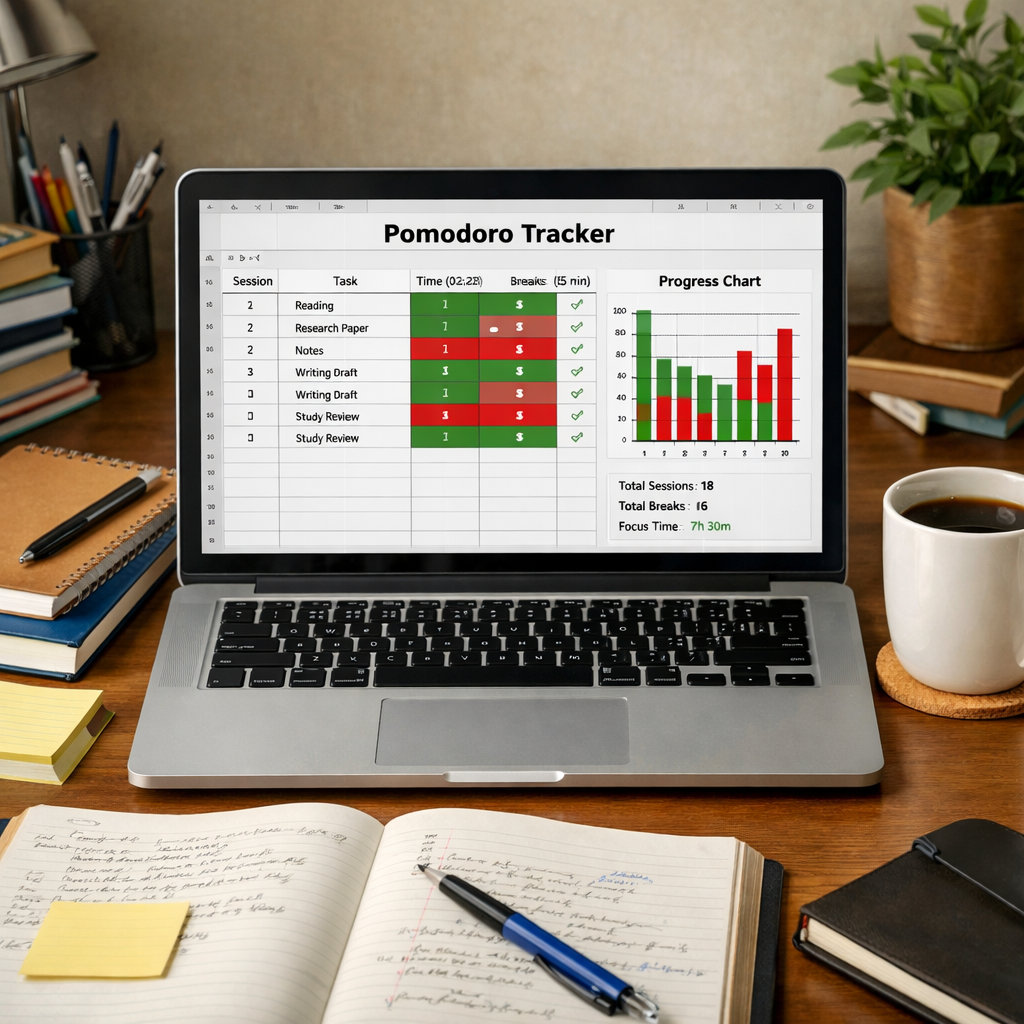
Trying to get work done can be tough, right? Sometimes you just need a little nudge to stay on track. That’s where a good free study timer online comes in handy. These tools can really help you focus and stop you from getting sidetracked. We’ve checked out a few options that might just be what you need to get more done.
Key Takeaways
- Focus To-Do is a tool that mixes task management with a Pomodoro timer. It helps you organize what you need to do and then use timed sessions to work on it.
- Pomodoro Timer Online offers features like background music and custom timers to make studying or working less of a drag. It’s designed to help you avoid putting things off.
- TomatoTimers provides a simple, looping Pomodoro timer. It’s easy to use for breaking down work into focused intervals with short breaks in between.
- Pomofocus is a browser-based timer that lets you customize your work and break times. It’s built to help you concentrate on tasks like studying or coding.
- Focus Mode is presented as a quick way to get into a concentrated state. It allows you to set up your preferred tasks, timer settings, and even ambient sounds.
1. Focus To-Do
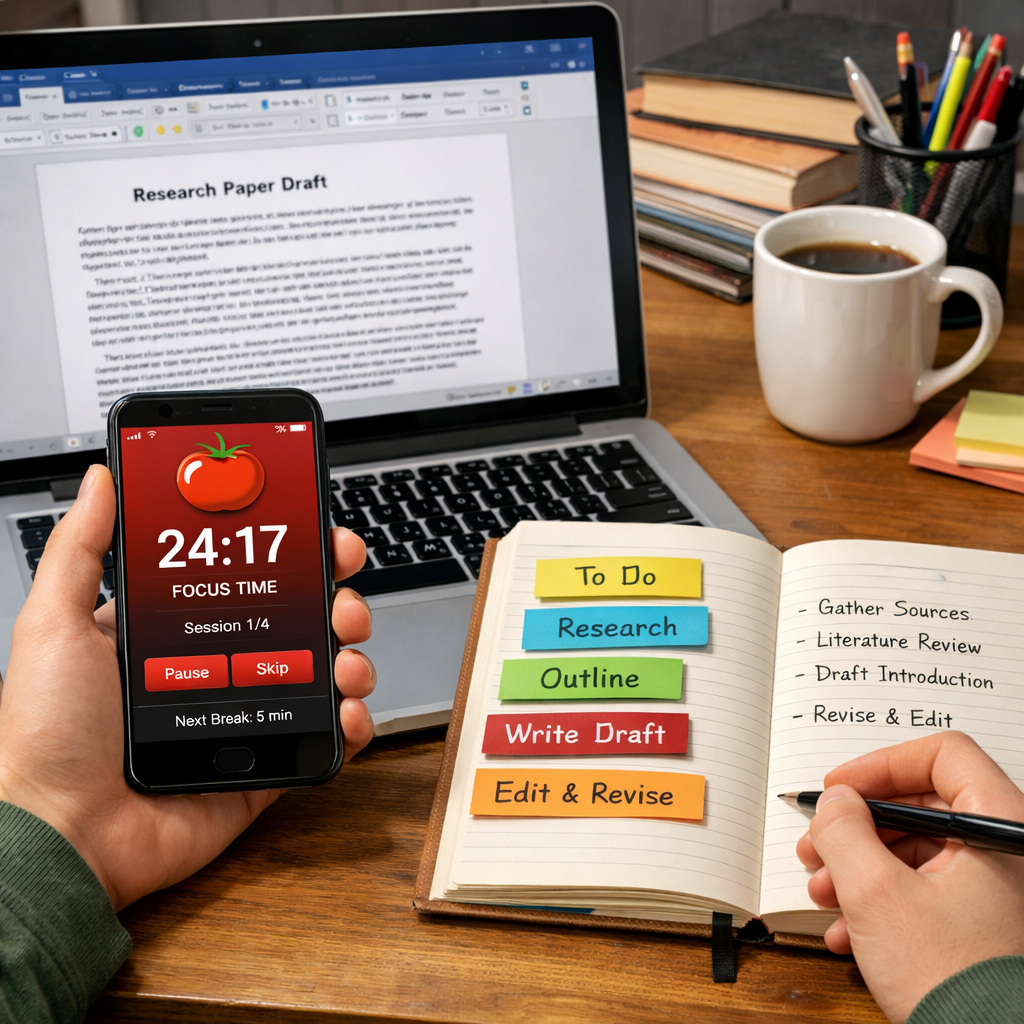
Focus To-Do is an interesting app because it doesn’t just offer a timer; it bundles task management right in there with it. So, you can actually make a list of what you need to do, and then use the built-in Pomodoro timer to tackle those tasks one by one. It’s designed to help you stay on track and actually get stuff done, which is pretty neat.
Here’s a quick look at what it offers:
- Task Organization: You can create lists, set reminders, and even break down big tasks into smaller sub-tasks. It also lets you set priorities so you know what to hit first.
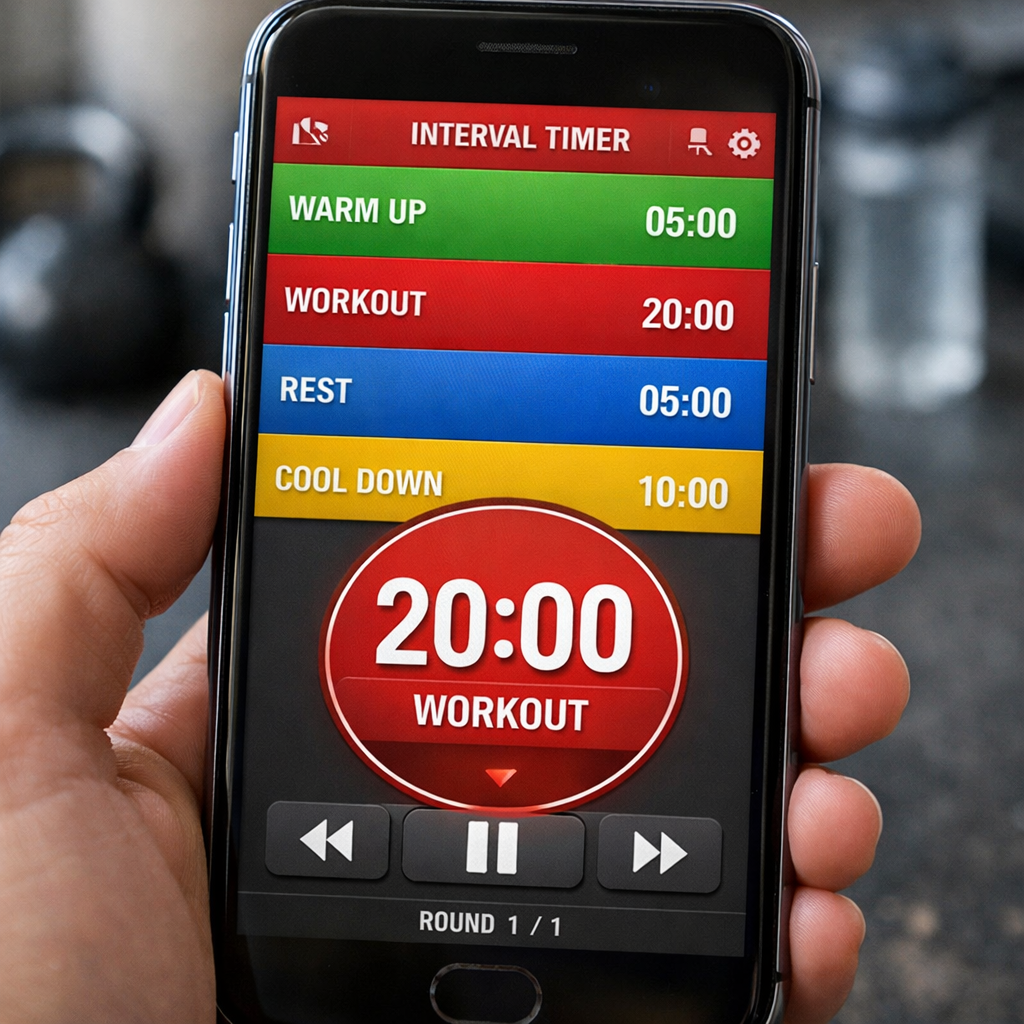
- Pomodoro Timer: It has a customizable timer for work sessions and breaks. You can pause and resume sessions, and it even gives you a heads-up before a timer ends.
- Progress Tracking: The app provides reports on how you’re spending your time and what tasks you’ve completed. This can be helpful to see where your time is going.
- Cross-Platform Sync: Your tasks and timer settings sync across your phone, computer, and even your smartwatch, so you can pick up where you left off no matter what device you’re using.
The idea is to combine the focus of the Pomodoro Technique with a practical to-do list. This way, you’re not just staring at a timer, but actively working through a plan you’ve already made. It aims to make productivity feel less like a chore and more like a structured process.
It’s a solid option if you like having everything in one place. You can set your tasks, estimate how many Pomodoro sessions they might take, and then dive in. Plus, it has features like preventing your screen from locking during a session, which is a small but useful touch when you’re really trying to concentrate.
2. Pomodoro Timer Online
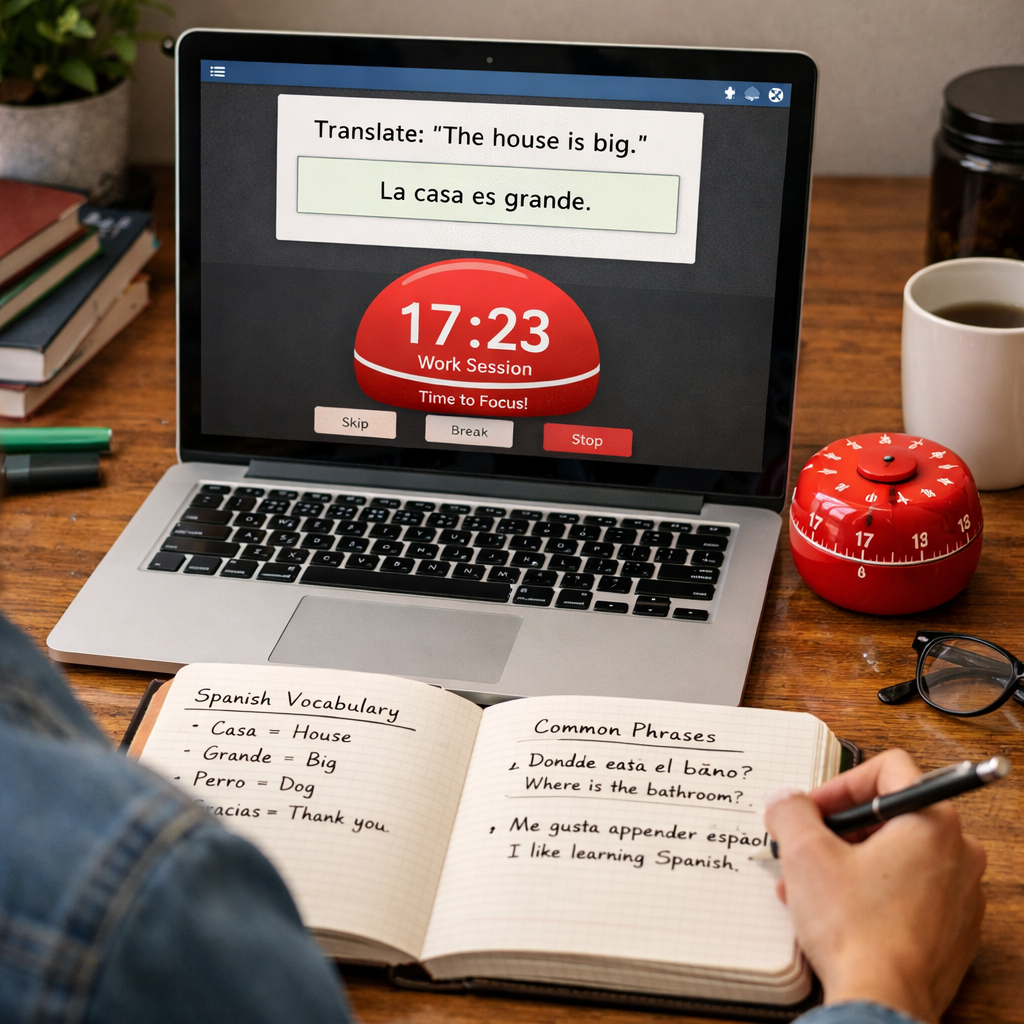
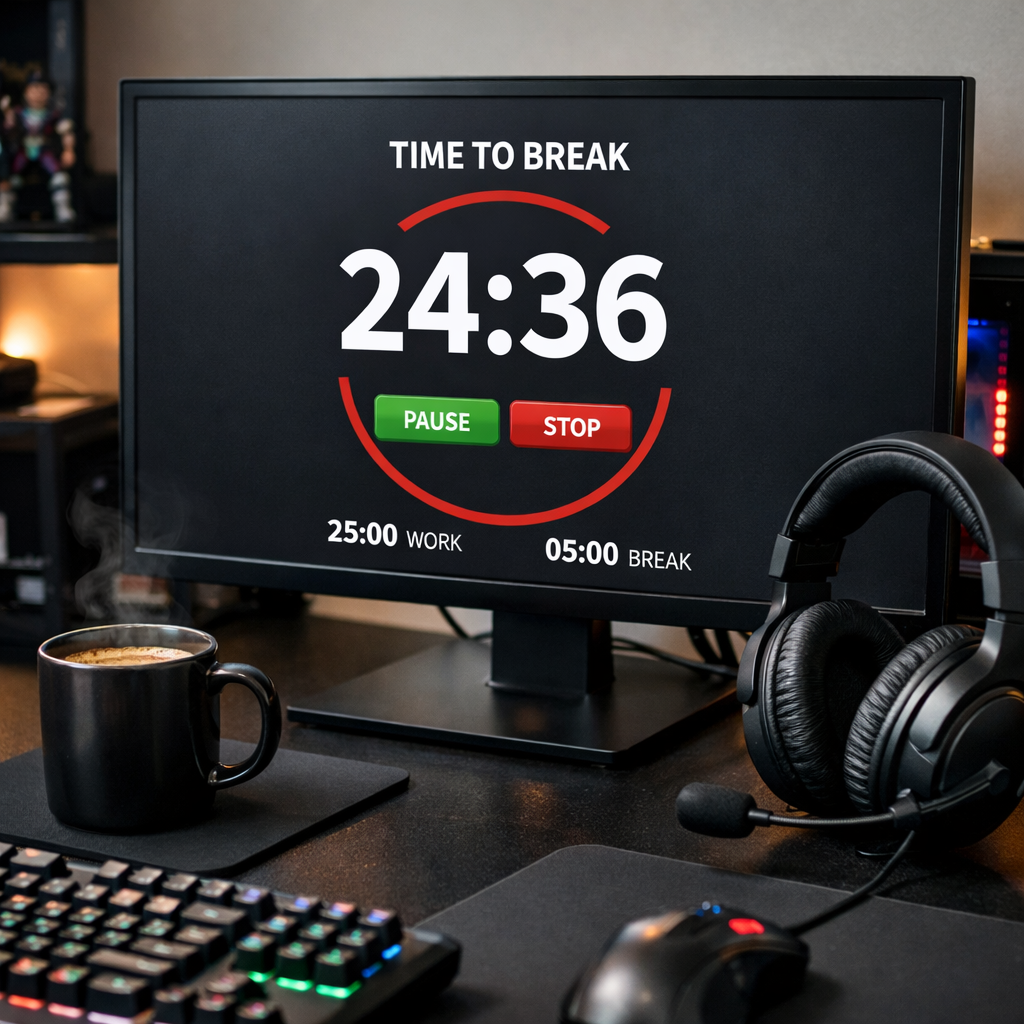
If you’re looking for a straightforward way to structure your study or work sessions, the Pomodoro Timer Online is a solid choice. This method, developed back in the late 80s, uses a timer to chop up your work into focused bursts, usually 25 minutes long, with short breaks in between. It’s all about making productivity feel less like a marathon and more like a series of manageable sprints.
Here’s a typical breakdown of how it works:
- Decide on a task: Pick what you need to get done.
- Set the timer: Aim for a 25-minute work interval, often called a ‘pomodoro’.
- Work without distractions: Focus solely on your chosen task until the timer rings.
- Take a short break: Step away for about 5 minutes to rest your mind.
- Repeat: After completing four work intervals, take a longer break, maybe 15-30 minutes.
Many online versions let you customize these times, add background sounds, or even include a to-do list right there. It’s a simple system, but the regular breaks really help prevent burnout and keep your concentration sharp. You can find a fun and simple Pomodoro Timer Online to help you focus on tasks like writing or coding.
The core idea is to create a rhythm that works with your brain’s natural attention span, rather than fighting against it. By building in those short, mandatory breaks, you’re essentially giving yourself permission to step away, which paradoxically makes it easier to return to the task with renewed focus.
3. TomatoTimers
TomatoTimers is a straightforward online tool that uses the Pomodoro Technique to help you get more done. It’s pretty simple to use, which is nice when you just want to get to work without a lot of fuss. You can set your work intervals and break times, and it just keeps going.
This timer is great for anyone who likes a no-frills approach to time management.
Here’s a quick rundown of how it works:
- Decide on a task you need to tackle.
- Set the timer for a work period, usually 25 minutes.
- Focus on your task until the timer signals the end.
- Take a short break, typically 5 minutes.
- After completing four work periods, take a longer break.
There’s a handy ‘loop’ button that lets you run through these steps automatically, so you don’t have to keep resetting things. It’s a solid option if you find yourself getting sidetracked easily and need a clear structure to your study or work sessions.
The Pomodoro Technique itself is all about breaking down your work into manageable chunks, separated by short breaks. This helps prevent burnout and keeps your mind fresh, making it easier to stay focused for longer periods.
4. Pomofocus
Pomofocus is a pretty neat online tool that’s basically a customizable Pomodoro timer. It works right in your browser, so no need to download anything, which is handy. The whole idea behind it is to help you zero in on whatever you’re working on, whether that’s studying, writing, or even coding. It takes inspiration from the Pomodoro Technique, which is that time management thing where you break work into chunks.
Here’s how it generally works:
- Pick a task: Decide what you need to get done.
- Set the timer: Usually, this is set for 25 minutes. This is your focus block.
- Work: Try to stay focused on your task until the timer goes off.
- Take a break: When the timer rings, take a short break, maybe 5 minutes.
- Repeat: After a few of these cycles, you take a longer break.
The main goal is to make your work sessions more productive by using these timed intervals. It’s a simple concept, but it can really make a difference in how much you get done without feeling totally burned out. It’s all about building a rhythm for your work.
5. Focus Mode

Focus Mode is a pretty straightforward tool that aims to help you get into your work groove quickly. It’s like a digital switch you can flip to get serious about a task. You can set it up with your specific to-do list, how long you want to focus, the look and feel you prefer, and even some background sounds or music to keep you company.
It’s designed to cut down on the time it takes to just start working. Instead of fiddling with settings each time, you can have your ideal focus environment ready to go. This means less procrastination and more actual doing.
Here’s a quick rundown of what you can usually tweak:
- Task Selection: Choose what you need to get done.
- Timer Settings: Decide on your work interval and break lengths.
- Visual Theme: Pick a color scheme or background that works for you.
- Soundscape: Select ambient sounds or music to aid concentration.
The idea is to minimize distractions and create a personalized bubble of productivity.
Sometimes, the hardest part of any task is just getting started. Tools like Focus Mode try to remove those initial hurdles, making it easier to transition from thinking about work to actually doing it. It’s about setting up your environment so that focus becomes the default state.
If you’re looking for a way to streamline your study or work sessions, giving a tool like this a try might be worthwhile. It’s about making the transition into deep work as smooth as possible, so you can spend more time on the actual task at hand. You can find similar tools that help with aesthetic focus timers if that’s your jam.
Wrapping Up Your Productivity Journey
So, there you have it. Finding the right free online study timer can really make a difference when you’re trying to get stuff done. These tools, often based on simple ideas like the Pomodoro Technique, help break down your work into manageable chunks. They give you focused bursts of time followed by much-needed breaks, which is way better than staring at a screen for hours. Whether you pick one that just times your work sessions or one that also helps you manage tasks, the goal is the same: less procrastination and more accomplishment. Give a few of them a try and see which one fits your study style best. You might be surprised at how much more you can achieve with a little structured time management on your side.
Frequently Asked Questions
What is the Pomodoro Technique?
It’s a way to study or work better by breaking your time into chunks. You focus hard for about 25 minutes, then take a short break. After a few of these work periods, you take a longer break. It helps you avoid getting tired and keeps you on track.
How do I use a Pomodoro timer?
First, pick a task you want to finish. Then, set the timer for 25 minutes and work only on that task. When the timer rings, take a 5-minute break. After doing this four times, take a longer break of about 15 minutes. It’s like a game for your brain to stay focused!
What should I do during my short breaks?
During your short breaks, do something relaxing that doesn’t use your brain too much. You could stretch, get a drink of water, listen to a song, or just walk around for a bit. The goal is to rest your mind so you’re ready for the next work session.
Can I change the timer lengths?
Yes, many of these timers let you change how long you work and how long your breaks are. While the classic method is 25 minutes of work and 5 minutes of break, you can adjust it to fit what works best for you and your tasks.
Are these timers really free?
Most of the timers mentioned are free to use for their main features, like setting work and break times. Some might offer extra features if you pay, but you can get a lot done with just the free version.
Why are these timers good for students?
Students often have lots of homework and studying to do. These timers help you avoid distractions, manage your time better, and make sure you actually take breaks so you don’t burn out. Seeing your progress can also be really motivating!