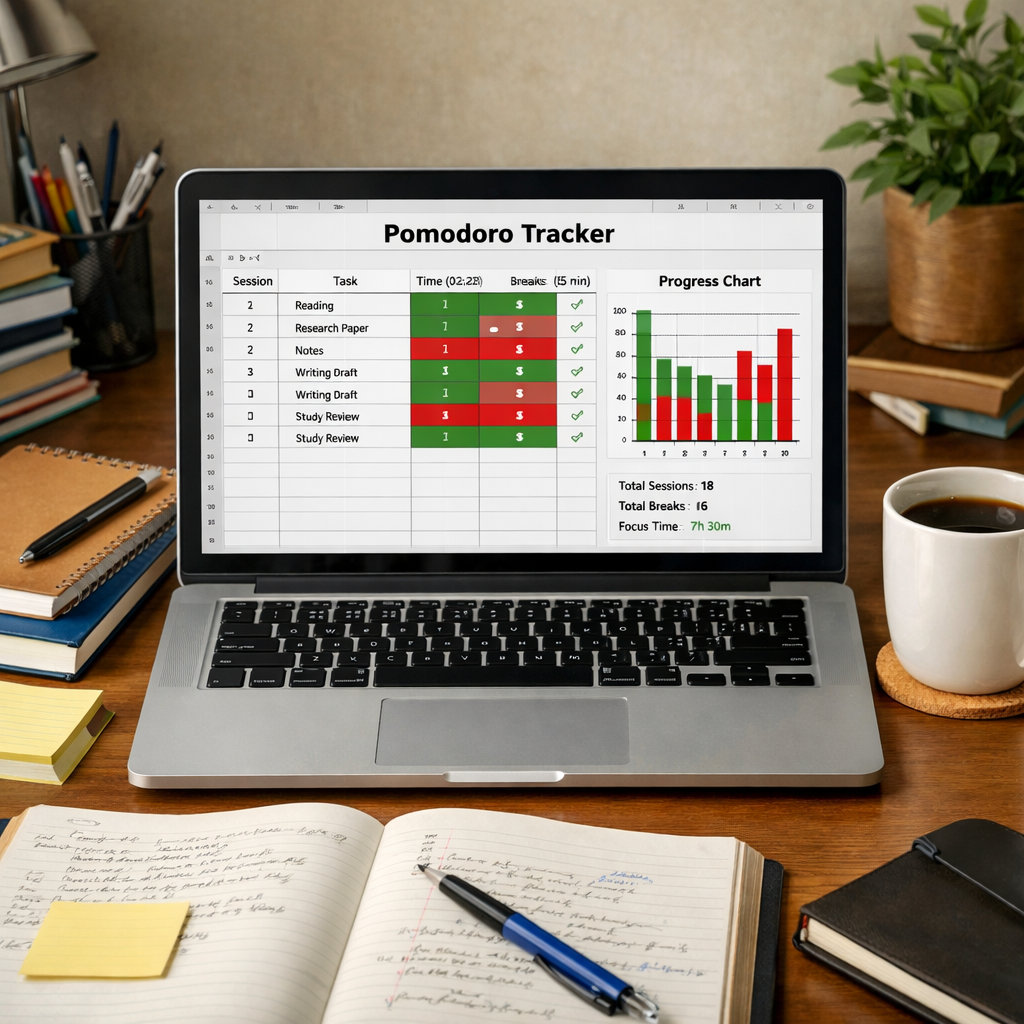
Look, we all know Focus To-Do. It’s one of those apps that pops up when you search for task management. But what if it’s not quite hitting the mark for you? Maybe you’re looking for something a bit different, or perhaps you just want to see what else is out there. Finding the right tool to keep your tasks in order can feel like a big deal, because honestly, who has time to mess around with complicated software? We’ve checked out a bunch of options, and here are some solid Focus To-Do alternatives that might just become your new favorite.
Key Takeaways
- Todoist offers a good balance of features and ease of use, making it a strong choice for many users, with a generous free plan.
- TickTick stands out with its built-in calendar and timer functions, useful for those who like to plan and time their tasks.
- Microsoft To Do is a great option if you’re already deep in the Microsoft ecosystem, offering smooth integration with apps like Outlook.
- Akiflow acts as a central hub, pulling tasks from various other apps into one place, which can really cut down on notification overload.
- Google Tasks is ideal for those who spend most of their time in Gmail or Google Calendar, keeping your to-dos right where you need them.
Exploring Powerful Focus To-Do Alternatives
Focus To-Do is a solid app, but sometimes you just need to try something new, right? Maybe you’re looking for a slightly different approach to managing your tasks, or perhaps you’ve outgrown its features. It happens! The good news is there are plenty of other task managers out there that do things a bit differently. Let’s check out a few that might just become your new favorite.
Todoist: Balancing Power and Simplicity
Todoist is a really popular choice, and for good reason. It manages to pack in a lot of features without feeling overwhelming. You can create projects, add tasks, set due dates, and even assign priorities. It’s great for personal to-do lists, but it also scales up nicely for small teams.
- Projects: Organize your tasks into different categories.
- Labels: Add extra context or tags to your tasks.
- Filters: Create custom views to see specific tasks.
- Recurring Tasks: Set up tasks that repeat daily, weekly, or monthly.
Todoist really shines when you need a tool that’s both capable and easy to pick up. It’s one of those apps that just works, and it’s available on pretty much every platform you can think of. If you’re looking for a reliable workhorse, give Todoist a look.
TickTick: Integrated Calendars and Timers
TickTick feels like it’s trying to be a bit of everything, and it does a pretty good job of it. It’s got your standard to-do list features, but it also throws in a calendar view and built-in timers. This makes it a good option if you like to see your tasks laid out on a schedule or if you use techniques like the Pomodoro Technique.
TickTick offers a nice blend of task management and time tracking features, which can be really helpful for people who like to plan their days down to the minute.
It also has some neat integrations, like with Zapier, which lets you connect it to other apps you use. This means you can automatically create tasks from emails or other events. It’s a solid choice if you want a bit more than just a basic list.
Microsoft To Do: For the Microsoft Ecosystem User
If you live and breathe Microsoft products, then Microsoft To Do is probably worth a serious look. It’s free, and it integrates really well with things like Outlook. For instance, any email you flag in Outlook can automatically show up as a task in Microsoft To Do. That’s pretty handy if you’re constantly managing your inbox.
- Outlook Integration: Flagged emails become tasks.
- My Day Feature: A dedicated space for tasks you want to focus on today.
- Cross-Platform Sync: Works across Windows, Mac, web, and mobile.
- Customization: You can even set different background images for your lists.
It’s a clean and friendly app, and while it might not have every single advanced feature of some other apps, its integration with the Microsoft suite makes it a compelling option for many.
Consolidating Your Workflow with Task Managers
Sometimes, your to-do list gets scattered across a bunch of different apps. You’ve got work tasks in one place, personal stuff in another, and maybe even random notes from meetings that need action items. It can get messy, fast. That’s where task managers designed for consolidation really shine. They aim to pull everything together, so you’re not constantly jumping between different windows or trying to remember where you put that one important note.
Akiflow: The Ultimate Task Consolidator
Akiflow is built with the idea of bringing all your scattered tasks into one central spot. Think of it as a universal inbox for your to-dos. It connects with a lot of other tools you probably already use – like email, Slack, Notion, Todoist, Asana, and Trello. When you get a message in Slack that needs follow-up, or an email that requires action, Akiflow can pull it in as a task.
Once everything is in Akiflow, you can organize it into projects and folders. The real magic happens when you map these tasks onto your calendar. It makes planning your day much clearer because you can see what needs doing and when, all in one view. This avoids that feeling of being overwhelmed by notifications from everywhere.
Akiflow’s strength is in its ability to act as a central hub, reducing the need to constantly switch between different applications to manage your tasks and schedule.
Key features that help consolidate your workflow:
- Universal Inbox: Gathers tasks from various connected apps into one place.
- Calendar Integration: Allows you to schedule tasks directly onto your calendar, visualizing your workload.
- Keyboard Shortcuts: Speeds up actions like creating tasks or scheduling, minimizing context switching.
- Extensive Integrations: Connects with popular tools like Slack, Gmail, Notion, and more.
Superlist: A Sleek and Minimalist Approach
Superlist takes a different route to consolidation, focusing on a clean, minimalist design. While it might not have the sheer number of integrations as Akiflow, it offers a streamlined experience for managing tasks, notes, and projects in a unified way. It’s about making the process of organizing your work feel less like a chore and more intuitive.
It’s particularly good if you appreciate a simple interface that doesn’t bombard you with options. You can create different lists, add details to your tasks, and keep everything organized without a steep learning curve. The goal here is to provide a calm, organized space for your thoughts and to-dos, making it easier to focus on what matters most.
Streamlining Task Management for Google Users
Google Tasks: Seamless Gmail and Calendar Integration
If you’re already deep in the Google ecosystem, using Gmail for your emails and Google Calendar for your schedule, then Google Tasks is a pretty natural fit. It’s free, and it lives right where you need it, often tucked away in the sidebar of Gmail and Calendar. This means you don’t have to jump between a bunch of different apps to get things done.
Adding tasks is quick, especially if you’re already in Gmail. You can even drag an email directly into Google Tasks to turn it into a to-do item. Plus, seeing your tasks pop up on your Google Calendar can really help with planning your days. It’s not the most feature-packed app out there, but for basic task management that’s always handy, it’s hard to beat.
Here’s a quick look at what Google Tasks offers:
- Direct Integration: Lives within Gmail and Google Calendar.
- Quick Task Creation: Turn emails into tasks with a simple drag-and-drop.
- Calendar View: See your tasks alongside your scheduled events.
- Subtasks: Break down larger tasks into smaller steps.
- Due Dates & Reminders: Keep track of deadlines.
Google Tasks is best for people who want their to-do list to be part of their existing workflow without adding another complex system to learn. It’s straightforward and gets the job done if you’re already a Google user.
While it’s pretty basic, Google Tasks does have some neat tricks. You can "star" important tasks, and it syncs across your devices, so your list is there whether you’re on your computer or your phone. For those who use Google’s AI, Gemini, you can even ask it to add tasks or break them down for you. It’s not going to replace a super complex project management tool, but for everyday to-dos, it’s a solid, no-fuss option.
Elegant Design and Intuitive Task Handling
Things: A Focus on Clean User Interface
Sometimes, the best way to manage tasks isn’t about cramming in every possible feature. It’s about making the core experience feel good. That’s where an app like Things really shines. It’s built with a strong emphasis on how things look and how easy they are to use, right from the start. If you appreciate a clean, uncluttered interface that just works, Things might be your next favorite tool.
Things is designed to be straightforward. You create tasks, organize them into projects, and set deadlines. It doesn’t try to be a project management suite for a Fortune 500 company. Instead, it focuses on making your personal to-do list feel manageable and even pleasant. The design is minimalist, with clear typography and thoughtful use of space. This makes it easy to see what needs your attention without getting lost in a sea of options.
Here’s a quick look at what makes Things stand out:
- Clear Project Organization: Group your tasks logically into projects. This helps keep related items together, making it easier to tackle them.
- Today and Upcoming Views: See what’s on your plate for today and what’s coming up soon. This helps you plan your days without feeling overwhelmed.
- Checklists within Tasks: For tasks that have multiple steps, you can create simple checklists right inside the task itself. It’s a small detail, but it makes a big difference.
- Reminders: Set reminders so you don’t forget important deadlines or appointments.
The app’s design philosophy is all about reducing friction. Every button, every menu, every animation is there to help you get things done faster and with less mental effort. It feels less like a chore and more like a helpful assistant.
While Things doesn’t have the complex features of some other task managers, like advanced collaboration tools or intricate tagging systems, its strength lies in its focused approach. It’s perfect for individuals who want a beautiful, reliable way to manage their daily tasks and personal projects without a steep learning curve.
Personalized Productivity and Daily Planning
Sometimes, the sheer volume of tasks can feel overwhelming. You look at your to-do list, and it just keeps growing. It’s easy to get discouraged when you feel like you’re not making progress. This is where tools that focus on daily planning and a mobile-first experience can really make a difference. They help you break down your day into manageable chunks and keep you on track, no matter where you are.
Any.do: Daily Planning and Mobile-First Experience
Any.do stands out for its clean interface and its emphasis on making daily planning straightforward. It’s built with the idea that managing your tasks should be simple and accessible, especially when you’re on the go. The app syncs across all your devices, so your updated list is always at your fingertips. It’s a solid choice if you prefer a tool that feels intuitive right from the start.
- Smart Reminders: Set location-based or time-based reminders so you don’t forget important tasks.
- Recurring Tasks: Easily set up tasks that repeat daily, weekly, or monthly.
- Daily Planner: A dedicated section helps you organize your day, focusing on what needs to get done now.
- Cross-Platform Sync: Access and manage your tasks from your phone, tablet, or computer.
The real power of a task manager isn’t just in listing things. It’s in how it helps you actually do them. Tools that guide you through planning your day, like Any.do does, can be incredibly effective for building momentum.
Any.do also offers features like shared lists, which are great for coordinating with family or colleagues. The integrated calendar sync is another plus, allowing you to see your tasks alongside your scheduled events. This kind of consolidated view helps prevent overbooking and ensures you have a realistic plan for your day. If you’re looking to get a better handle on your daily schedule and want a tool that works well on your phone, Any.do is definitely worth checking out. You can even plan ahead for the final month of the year with its routine-building features.
So, What’s Your Next Task Manager?
Look, finding the perfect task manager is kind of like finding the right pair of shoes. What works for one person might feel totally off for another. We’ve talked about a bunch of different options, from the super simple to the more feature-packed. Maybe Todoist’s straightforward approach is your jam, or perhaps you’re drawn to Microsoft To Do’s slick integration if you’re already deep in the Microsoft world. Or maybe something like Akiflow, which pulls everything together, sounds like a lifesaver. The main thing is to just try a few out. Don’t get stuck in analysis paralysis. Give a couple a spin for a week or so and see what sticks. Your brain works in its own way, and the best tool is simply the one you’ll actually use to get things done. Happy tasking!
Frequently Asked Questions
What is a task management app?
A task management app is like a digital to-do list that helps you keep track of everything you need to do. You can write down tasks, set deadlines, and organize them so you don’t forget anything important. Think of it as a helpful assistant for your brain!
Why should I try alternatives to Focus To-Do?
Focus To-Do is great, but everyone works differently! Trying other apps can help you find one that fits your style better. Maybe you need something simpler, or something that connects with other apps you use. It’s all about finding the tool that makes *you* most productive.
What’s the difference between Todoist and TickTick?
Todoist is known for being powerful yet easy to use, with a cool feature that understands what you type. TickTick is similar but also includes a built-in calendar and timer, which can be super handy for planning your day.
Is Microsoft To Do good for people who use Microsoft products?
Yes! If you use things like Outlook or other Microsoft apps a lot, Microsoft To Do works really well with them. It’s like they were made to be used together, making your work flow smoother.
What is Akiflow and why is it called a ‘consolidator’?
Akiflow is special because it can pull tasks from all your different apps (like email, Slack, and other task managers) into one single place. It ‘consolidates’ them, so you don’t have to jump between lots of programs to see everything you need to do.
How do I choose the best task manager for me?
The best way is to try them out! Think about what’s most important to you. Do you like simple designs? Do you need to connect with other apps? Do you want lots of features or just the basics? Test a few for a day or two to see which one feels right for how you get things done.