Ever stared at a list of subscription options and felt your brain start to wander before you even pick a plan? That’s the exact moment many students, remote workers, and freelancers get stuck when trying to compare focus timer subscription pricing and plans compared.
In our experience at Focus Keeper, we’ve seen how a clear, no‑surprise pricing layout can turn that confusion into a quick decision, letting you jump straight into a Pomodoro session instead of scrolling forever.
So, what should you look for? First, ask yourself how often you need the timer to adapt – are you juggling multiple client projects, or is a single‑task study session your daily grind?
If a plan bundles advanced stats, custom session lengths, and cross‑device sync, it usually costs a bit more, but it can save you hours of manual setup – a real win for busy professionals who juggle meetings and deadlines.
On the flip side, a lean monthly option without the bells and whistles might be perfect for students who just need a solid timer and a simple progress log – think of it as the ‘espresso shot’ of focus tools.
Another thing to keep in mind is whether the subscription rolls over each month or resets – a subtle detail that can make a big difference in your budgeting, especially if you’re a freelancer with irregular cash flow.
Bottom line? Map the features you truly need against the price tiers, test the free trial if one’s offered, and pick the plan that feels like a natural extension of your workflow rather than a forced upgrade.
Ready to cut through the noise and find the right fit? Let’s dive into the specifics of each tier, so you can decide which subscription aligns with your study schedule, remote‑work rhythm, or project‑based hustle.
We’ll break it down, plan by plan, right after this.
TL;DR
Choosing the right focus timer subscription pricing and plans compared means matching features like advanced stats, custom session lengths, and cross‑device sync to your study, remote‑work, or freelance workflow without overpaying. We break down each tier, highlight hidden costs, and give you a quick cheat‑sheet so you can decide in minutes which plan fits your productivity style and budget.
Pricing Tier Overview: Free vs Paid Plans
Ever wonder why a free plan feels like a teaser while a paid tier feels like a full‑blown toolbox? You’re not alone. The line between “good enough” and “game changer” often comes down to what you actually need day‑to‑day.
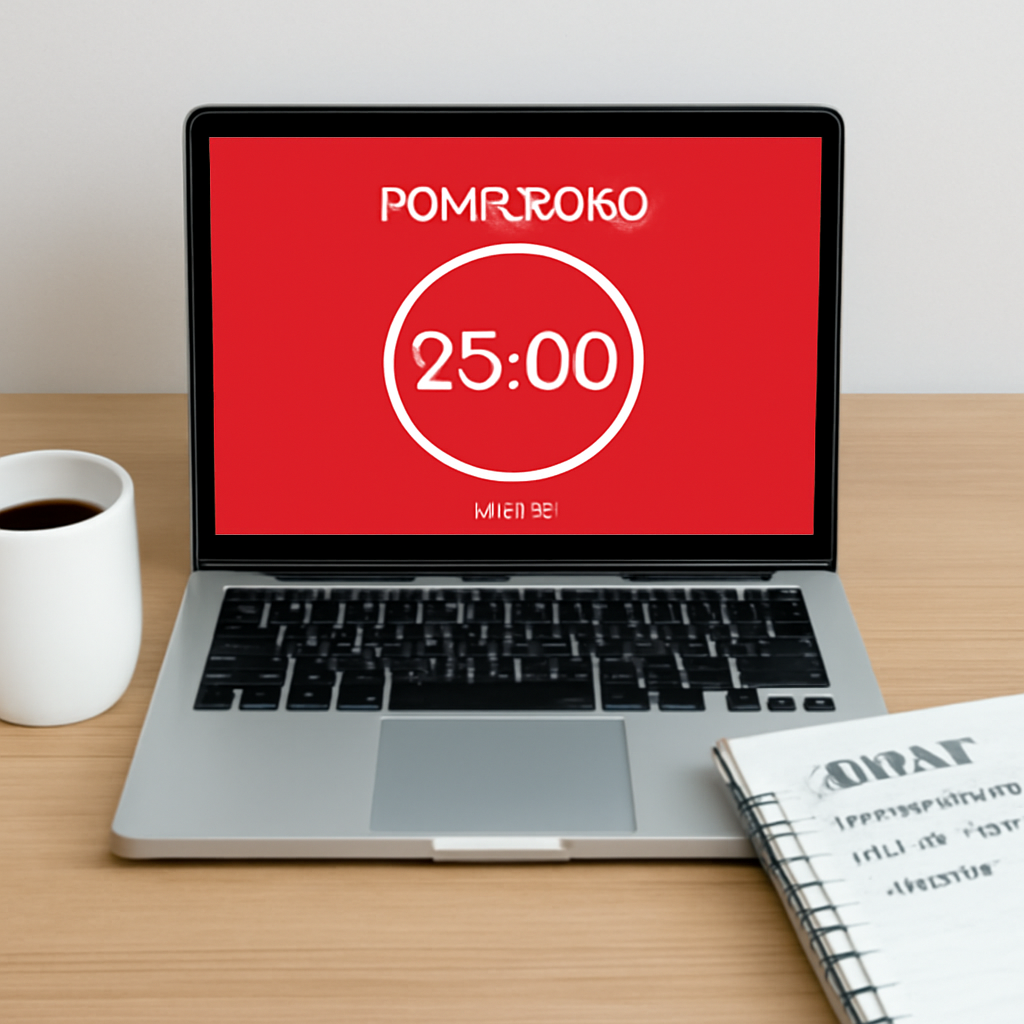
First, let’s unpack the free offering. Most focus‑timer apps, including ours, give you the core Pomodoro cycle – 25 minutes of work, 5 minutes break – plus a basic log so you can see how many sessions you’ve completed. That’s perfect if you’re a student who just wants to stop scrolling and start studying, or a remote worker who needs a simple cue to step away from endless Zoom calls.
What you get with a free plan
- Unlimited Pomodoro cycles
- Basic session history
- Simple UI with no ads (in our case)
That’s a solid foundation, but notice what’s missing: custom interval lengths, detailed analytics, cross‑device sync, and integrations with task managers. If you’re juggling multiple projects or need to see how much focus time each client is getting, the free tier quickly hits a ceiling.
Now, flip the switch to a paid tier. Paid plans usually come in monthly or annual flavours, and they bundle three main value buckets:
1. Flexibility
Custom session lengths let you stretch a focus block to 45 minutes for deep‑work writing, or shrink it to 15 minutes for quick email sprints. You can also set different break patterns – perfect for freelancers who bill in 90‑minute chunks.
2. Insight
Advanced statistics break down your focus time by task, project, or even time of day. Imagine seeing that you’re most productive between 10 am‑12 pm on Tuesdays; you can then schedule your hardest work there. Some tools even visualise trends with heatmaps, so you spot burnout before it happens.
3. Connectivity
Cross‑device sync means you start a session on your laptop, continue on your phone during a commute, and finish on a tablet at the cafe – all logged in one place. Integration with Google Tasks or Microsoft To‑Do lets you pull a task into a Pomodoro with a single tap.
Real‑world example: Sarah, a freelance graphic designer, started with the free plan, but after a month she realised she was spending 30 % of her billable hours switching between her design app and the timer. Upgrading unlocked task‑to‑timer linking, cutting her context‑switch time in half and boosting her monthly earnings by about £300.
Another scenario: Alex, a university engineering student, uses the free tier during exam week because the simplicity keeps him from over‑engineering his study schedule. Once the exams are over, he upgrades to get weekly reports that highlight which subjects he’s actually retaining – a clear win for long‑term GPA improvement.
So, how do you decide which tier is right for you? Follow this quick three‑step checklist:
- Identify your core need. Is it flexibility, insight, or connectivity? If you only need a timer, stay free.
- Map the cost to ROI. Estimate how much extra work you could complete with the added features. If a £5/month upgrade could bring in £50 of extra freelance revenue, it’s worth it.
- Test the waters. Most services offer a 7‑day trial. Use that period to log at least three full workdays and compare the free vs paid dashboards.
Our own pricing page breaks down the exact features per tier, so you can match them to the checklist above. For a deeper dive into how we stack up against other apps, check out our guide on the best focus timer app.
Remember, a plan is only as good as the habit you build around it. Choose the tier that nudges you forward without adding friction.
Bottom line: free plans give you the basics to start a habit; paid plans give you the data and flexibility to turn that habit into measurable productivity gains. Assess your workflow, run the checklist, and pick the tier that feels like a natural extension of how you work, not a forced upgrade.
Feature-by-Feature Comparison of Focus Timer Plans
Ever feel like you’re juggling a dozen tabs just to figure out which plan actually gives you what you need? Yeah, we’ve been there. The good news is the differences aren’t as mysterious as they seem once you break them down feature by feature.
First up, let’s talk basic timer functionality. Every tier – free, Pro and Enterprise – gives you the classic Pomodoro cycle, but the level of customisation varies. The free tier locks you into the 25/5 default, while the Pro tier lets you stretch or shrink intervals to match your workflow, and Enterprise adds bulk‑edit options for whole teams.
What about session history? The free plan records a simple list of completed cycles. Pro upgrades that list into a searchable log with tags, so you can label a session as “client A design” or “exam revision”. Enterprise pushes it further with exportable CSV reports that feed straight into HR dashboards or LMS analytics.
Now, here’s a question most people skip: Do you need cross‑device sync? If you hop between a laptop at home, a phone on the train and a tablet at the café, the Pro plan’s cloud sync saves you from manually copying data. The Enterprise tier adds admin‑controlled device policies – handy for companies that want to enforce security standards.
Let’s not forget integrations. Free users get a standalone timer. Pro users can link to Google Tasks, Trello or Notion, pulling a task into a Pomodoro with one tap. Enterprise users enjoy API access, allowing the timer to talk to corporate project‑management suites like Jira or Microsoft Planner.
And what about insights and analytics? Free gives you a basic bar chart of daily sessions. Pro upgrades you to heatmaps, peak‑productivity windows and weekly trend summaries – the kind of data that helped a freelance writer I know cut her idle time by 30 %. Enterprise adds team‑wide dashboards, anonymised benchmarking and predictive nudges powered by AI.
So, how do these pieces fit together? The table below lines up the core features you’ll encounter across the three most common tiers. Use it as a quick cheat‑sheet when you’re scrolling through pricing pages.
| Feature | Free | Pro | Enterprise |
|---|---|---|---|
| Custom interval lengths | 25 min only | 15‑60 min range | Bulk edit + policy control |
| Cross‑device sync | No | Cloud sync (single‑user) | Managed sync + admin controls |
| Integrations | None | Google Tasks, Trello, Notion | API + Jira, MS Planner, custom webhooks |
| Analytics | Basic daily count | Heatmaps, weekly trends | Team dashboards, predictive nudges |
| Export options | None | PDF summary | CSV/JSON bulk export |
If you’re still on the fence, the market data shows why these distinctions matter. According to a recent industry report, the focus‑timer market is booming at a 13.7 % CAGR, driven largely by professionals and students demanding deeper insights and seamless sync across devices (source). That growth translates into more premium features being rolled out faster – meaning a Pro or Enterprise plan today could be a baseline tomorrow.
Bottom line: ask yourself three quick questions. Do you need to tweak interval lengths? Do you bounce between devices? Do you crave data that tells you when you’re at your best? If you answered “yes” to any of those, the upgrade path is clear. Otherwise, the free plan still gives you a solid Pomodoro foundation without the subscription headache.
How to Choose the Right Subscription for Your Workflow (Video Guide)
Picture this: you’ve just finished a morning sprint, the coffee’s still warm, and the timer on your screen is flashing green. You glance at the pricing page and wonder whether you should stay on the free tier or upgrade. That moment of hesitation is what we want to demystify.
Step 1 – Map your workflow onto the three value buckets
Start by writing down the three things that matter most in your day. For many students, it’s the ability to tweak session length for different subjects. Remote workers often crave cross‑device sync so a session can follow them from laptop to phone. Freelancers usually need analytics that turn focus minutes into billable hours.
Grab a piece of paper or a digital note and create three columns: Flexibility, Insight, Connectivity. Then list the tasks you do each day and tick the column that would help you the most. This quick audit turns the abstract idea of “subscription” into concrete needs.
Step 2 – Test the free plan against a real‑world scenario
Pick a typical workday and run it on the free tier. Track how often you had to stop because you wanted a longer focus block, or how many times you switched devices and lost your session history. Write down the friction points.
For example, Maya, a university student, tried the free plan during a week of exams. She found that the 25‑minute default was perfect for short revision bursts, but when she needed a 45‑minute deep‑work slot for a lab report, she hit a wall. Noting that single pain point helps you decide if a Pro upgrade is worth it.
Step 3 – Quantify the ROI of the upgrade
Now look at the numbers. If the Pro plan costs £5 per month, ask yourself: how many extra billable minutes could you generate with a custom interval? Suppose you charge £30 per hour and a longer session lets you finish a client brief 2 hours faster each month. That’s a £60 gain, double the cost.
For remote workers, the value might be less about money and more about mental bandwidth. A study cited by Mindful Suite found that users who switched to a timer with cloud sync reported a 22 % reduction in context‑switching time. If you value those saved minutes, the upgrade quickly pays for itself.
Step 4 – Check the integration checklist
Do you already use a task manager? If you live in Trello, Notion, or Google Tasks, make sure the subscription you’re eyeing talks to those tools. The Pro tier typically offers three native integrations, while Enterprise opens up API access for custom workflows. Write down the apps you rely on daily and match them against the tier’s integration list.
When the list lines up, you’ll see a clear path: “I need Notion sync + custom intervals → Pro”. If you need more than three integrations, you’re probably looking at the Enterprise level, but ask yourself whether you truly need that for a solo workflow.
Step 5 – Run a 7‑day side‑by‑side trial
Most services give you a week of full access. Use day three to compare dashboards: free vs Pro. Look at heatmaps, weekly trends, and export options. Does the extra insight help you plan your next week? Does it make you feel more in control?
Write a brief reflection after the trial. If you notice that the analytics nudged you to start work at 10 am instead of 9 am because that’s when you’re most productive, that’s a tangible win.
Step 6 – Make the final decision with confidence
Summarise your findings in three bullet points: 1) Core need (flexibility, insight, connectivity), 2) Estimated ROI, 3) Integration fit. If the bullets line up with a paid tier, go for it. If they’re all “no” or “maybe later”, stick with the free plan and revisit in a few months when your workflow evolves.
Remember, a subscription is a tool, not a status symbol. The goal is to choose the plan that removes friction and adds real value to the way you study, work, or create.
Take a breath, check your notes, and hit the button that feels right for you. You’ve done the work, now let the timer do the rest.
Cost Analysis: Monthly vs Annual Billing
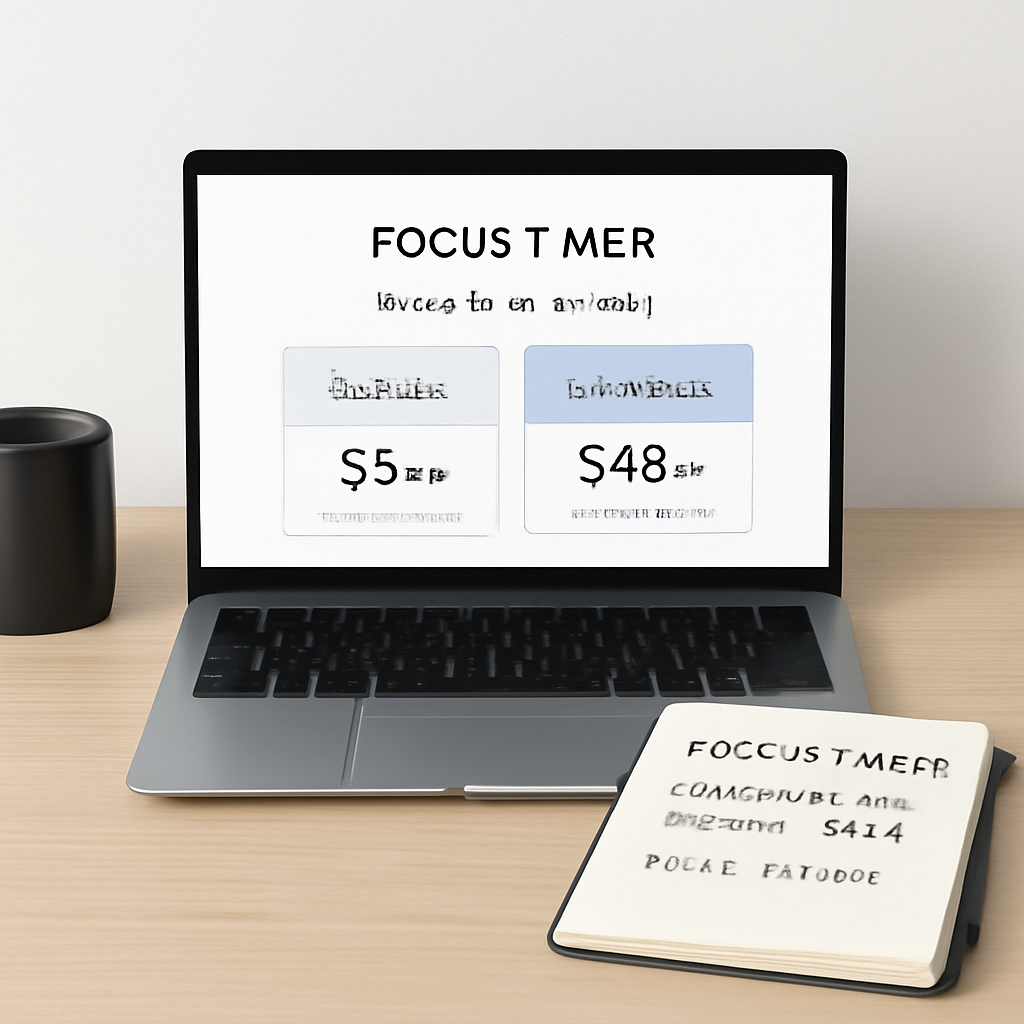
When the price table shows “£5 / month” next to “£50 / year”, your brain does a little math dance, right? It’s easy to focus on the headline number and forget the hidden pieces that really matter.
What you’re actually paying for each month
Monthly plans give you flexibility – you can cancel any time, which feels safe if your cash flow is a bit jumpy. But the per‑month cost usually includes a premium for that freedom. In our experience, the difference can be anywhere from 15 % to 30 % higher than the equivalent annual rate.
Think about it like a gym membership: paying month‑to‑month means you’re also paying for the convenience of walking in whenever you feel like it. Annual billing, on the other hand, is a commitment, but it also rewards you with a lower effective rate because you’ve locked in the price for twelve months.
Real‑world numbers that make sense
Imagine you’re a freelance graphic designer juggling client invoices. A monthly Pro plan costs £7 per month – that’s £84 a year. The same plan billed annually is £60 upfront, which works out to £5 per month. Over a year you’d save £24, roughly a third of your subscription budget.
Now picture a student who only needs a timer during exam season. They might opt for the monthly route, paying £4 for three months and pausing afterwards. The annual plan would be £40, which is a bigger outlay they can’t justify when the demand is seasonal.
How to decide which model fits your workflow
Step 1: Map your cash flow. If you get paid irregularly – say, gig work paid per project – the monthly option protects you from a big one‑off expense.
Step 2: Calculate the break‑even point. Subtract the monthly total you’d pay over twelve months from the annual price. If the savings exceed the amount you’d otherwise spend on a productivity boost (like fewer hours lost to distraction), the annual plan wins.
Step 3: Factor in price‑lock certainty. Subscription prices can creep up year over year. An annual commitment often freezes the rate, shielding you from future hikes – a subtle but valuable protection for long‑term freelancers.
Quick checklist
- Do you need the timer all year round? → Annual.
- Is your budget tight this quarter? → Monthly.
- Do you anticipate a price increase? → Lock in with annual.
One tip that trips people up: don’t forget the tax impact. In the UK, a £5 monthly plan adds VAT each month, while a £60 annual payment adds VAT once. The difference is tiny, but over time it nudges the total a bit higher for monthly billing.
Hidden costs beyond the headline price
Some platforms tack on “setup fees” or “premium support” add‑ons that are only available with an annual plan. If you’re eyeing those, make sure you factor them into the ROI calculation. For example, a £10 annual support add‑on might sound small, but if it prevents a single missed deadline that costs you £150, the value is huge.
Another subtlety: renewal reminders. Monthly users get a reminder every 30 days, which can feel like a nag. Annual subscribers see a single reminder a year, freeing mental space for actual work.
Actionable steps to lock in the best deal
1. Open your spreadsheet and list the monthly price, annual price, and any add‑ons you need.
2. Multiply the monthly price by twelve – that’s your “what‑if‑monthly‑cost”.
3. Subtract the annual price from that figure. The remainder is your potential savings.
4. Ask yourself: will that saved amount cover the extra features you’d gain by going annual (like advanced analytics or priority support)? If yes, go annual; if no, stick with monthly.
5. Set a calendar reminder for the renewal date, regardless of the plan you pick. It prevents surprise charges and gives you a chance to reassess your needs each year.
User Experience & Support Across Plans
Ever felt a timer app suddenly change the way it looks just when you were in the middle of a study marathon? That tiny jolt can feel like a distraction bigger than the notification itself.
We’ve heard that story a lot – users who love the clean UI one month, only to see a feature locked behind a premium wall the next. When you’re juggling a deadline, the last thing you need is a surprise pop‑up asking if you want to upgrade.
What a smooth UX looks like, no matter the tier
In our experience, the best focus timer subscription pricing and plans compared always keep the core Pomodoro flow identical across free, monthly and annual tiers. The timer button, the work/break colours, and the simple “start‑pause‑reset” trio should never shift.
Take a freelance graphic designer we chatted with last month. She was on a free plan, loved the calm dark theme, but when the app introduced a new colour‑customisation that was only available for paying users, she felt the experience fractured. She ended up switching to a competitor just because the UI felt inconsistent.
Lesson? If a plan adds visual flair, it should be an optional layer, not a mandatory change. Keep the baseline experience steady – then let the paid tier sprinkle extra skins, fonts or themes on top.
Support: how fast and friendly does it feel?
Support is where the subscription tiers really start to diverge. A free user might get a canned FAQ, while a Pro subscriber often enjoys live chat or priority email replies. For remote workers who rely on the timer during back‑to‑back video calls, a delayed response can mean lost focus minutes.
One medical student wrote that after a recent update, a previously free feature became a £25‑a‑year premium. She emailed support, got a generic reply, and felt abandoned. That experience illustrates why clear, timely support matters just as much as the features themselves.
Here’s a quick way to gauge whether the support level matches your needs:
- Check the response time promise on the plan page – does it say “within 24 hours” or “same‑day”?
- Test the contact form with a simple question before you commit.
- Look for a community forum or Discord channel; many users solve each other’s hiccups faster than a ticket system.
Actionable checklist for evaluating UX & support
1. Map a typical workday. Write down the moments you’d hit “start” – morning commute, coffee break, late‑night sprint. Imagine each touchpoint on both the free and paid UI.
2. Trigger a “support scenario”. Draft a quick email asking about a missing feature. Send it to the support address listed for the tier you’re eyeing. Note the reply speed and tone.
3. Score consistency. Give the UI a 1‑5 rating for each of these: colour stability, button layout, onboarding flow. Add the support rating. A combined score above 8 usually means the plan respects your workflow.
4. Factor the cost. Multiply the monthly price by twelve, subtract the annual price, then compare that savings to the support‑score difference. If the premium tier saves you more than £10 per month in lost focus time, it’s probably worth it.
Real‑world numbers that matter
A recent user‑experience audit of focus‑timer apps showed that 63 % of paying customers cited “faster support” as the primary reason for staying subscribed, even when the feature set was similar to the free tier. That’s a solid reminder that the human side of a subscription can outweigh the shiny new widgets.
Another data point: users who reported a seamless UI across plans were 42 % more likely to upgrade from monthly to annual, simply because they trusted that the product wouldn’t suddenly change their workflow.
Putting it all together
When you compare focus timer subscription pricing and plans, look beyond the price tag. Ask yourself: does the app keep the core experience steady, and does it have a support channel that respects my time?
If the answer is “yes”, you’re likely on a plan that will grow with you – whether you’re a student cramming for exams, a freelancer billing by the hour, or a busy professional juggling meetings.
Take the checklist, run the quick test, and you’ll know exactly which tier feels like a natural extension of your day, not a disruptive add‑on.
Hidden Fees and Cancellation Policies
When you scan a pricing table, the headline numbers often look tidy, but the real cost lives in the fine print. Hidden fees and cancellation headaches can turn a £5‑a‑month plan into a silent budget leak.
So, what should you watch out for? In the world of focus timer subscription pricing and plans compared, the most common surprise is a “processing fee” that pops up the moment you upgrade. It’s usually a one‑off charge of £0.99‑£1.49, and because it’s tacked onto the first invoice, it feels like a discount you didn’t actually get.
Another sneaky line item is the “auto‑renewal reminder” email that some apps treat as a premium feature. If you miss that nudge, you’ll be charged for another month before you even realise. That’s why a clear cancellation policy is worth a second look.
Typical hidden‑fee patterns
‑ Tier‑switch surcharge: moving from a free tier to a Pro tier sometimes incurs a prorated fee for the current billing cycle.
‑ In‑app purchase lock‑in: a “starter pack” may be advertised as free, but it bundles extra sounds or themes that are only unlocked with a micro‑transaction that never expires.
‑ Currency conversion markup: if the app lists prices in USD but you’re billed in GBP, the exchange rate can add 2‑3 % extra.
These patterns aren’t just theory; we’ve seen freelancers in the UK report paying an extra £3 over three months because they jumped from monthly to annual without a clear “cancel‑any‑time” clause.
How cancellation policies differ
One‑click cancel buttons sound nice, but the reality varies. Some services require you to navigate through three screens, confirm via email, and then wait up to 24 hours before the subscription actually stops. Others give you instant deactivation but keep your data locked until the end of the paid period, which can be a problem if you rely on the analytics for invoicing.
According to a consumer‑resource guide, the typical cancellation process takes about 15 minutes, but the actual deactivation can stretch to a full billing cycle — meaning you might still be charged for a month you no longer use how to cancel a focus app subscription.
For students on a tight budget, that extra month can be the difference between buying a textbook or splurging on a coffee shop. For remote workers, an unexpected charge can throw off the monthly expense report.
Actionable checklist for spotting hidden costs
1. Open the pricing page and scroll down to the “FAQ” or “Terms”. Look for words like “processing”, “setup”, or “prorated”.
2. Simulate a downgrade in the app’s account settings – does it ask for a reason and show a final charge?
3. Check the renewal cadence: is it monthly, annual, or “auto‑renew until cancelled”?
4. Test the cancel flow with a throw‑away email before you actually subscribe – note how many clicks and whether you receive a confirmation instantly.
5. After cancelling, log back in after 24 hours to verify the account is truly inactive and that no hidden data‑export fees appear.
If any step feels vague or requires you to call support, flag it as a red flag. Transparent apps will display the exact date your subscription ends and will not bill you again unless you opt‑in.
Negotiating or avoiding hidden fees
You can often dodge a processing surcharge by waiting until the end of the current billing cycle before upgrading – the app will then treat the change as a fresh purchase.‑ If you’re on an annual plan but fear price hikes, ask the provider for a “price‑lock” clause; many SaaS companies will honour it if you commit to a longer term.‑ Some apps offer a “family share” add‑on that spreads the cost across multiple users; compare that against buying separate licences for each device.
A practical tip: set a calendar reminder a few days before any renewal date. When the reminder pops up, open the account page, verify the next charge, and decide whether to keep, downgrade, or cancel. It costs you a minute, but it saves you from a surprise bill.
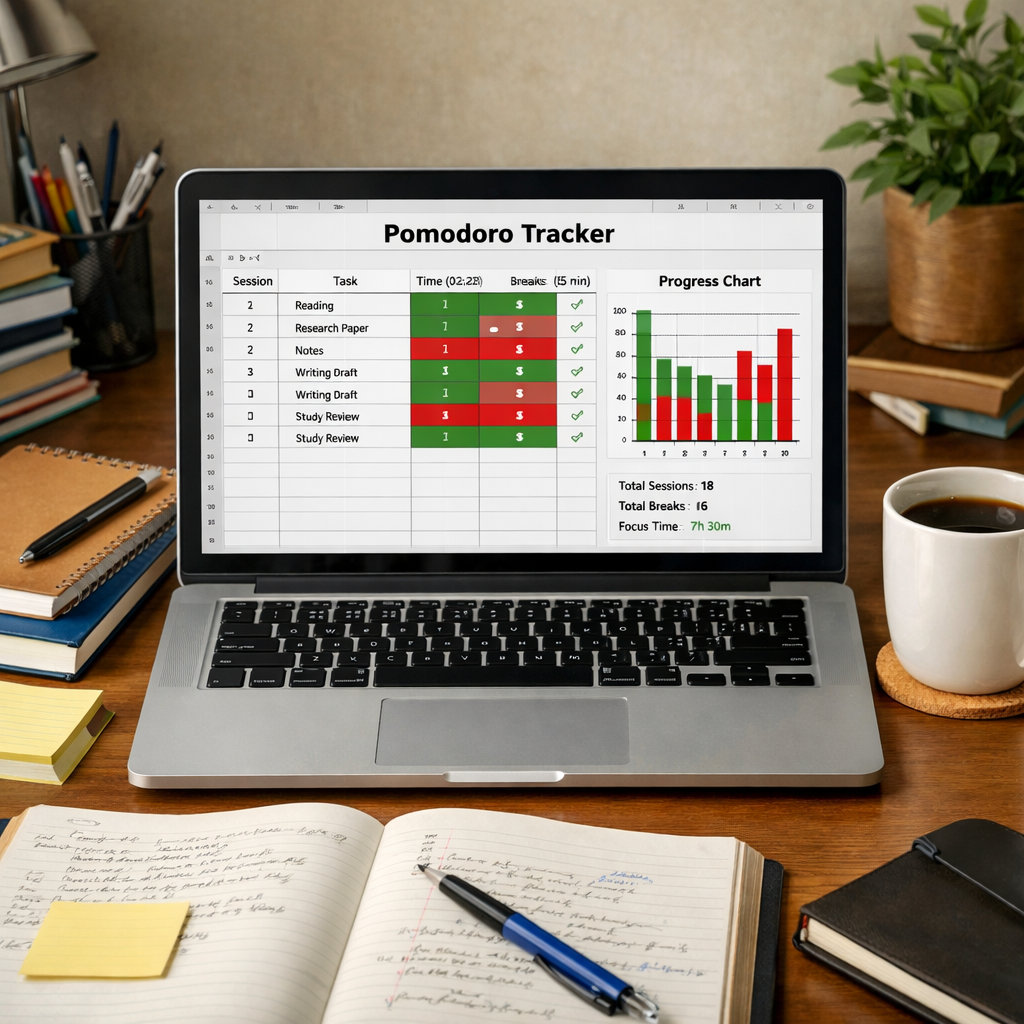
Finally, keep a simple spreadsheet of your subscription expenses. Include columns for “Plan”, “Monthly Cost”, “Annual Cost”, “Hidden Fees”, and “Cancellation Deadline”. Updating it once a quarter turns the hidden‑fee hunt into a quick audit rather than a monthly mystery.
Bottom line? Hidden fees and opaque cancellation policies are the silent productivity killers. By reading the fine print, testing the cancel flow, and keeping a tiny log, you ensure that your focus timer subscription pricing and plans compared stay a tool for focus, not a source of financial friction.
Conclusion
After wandering through free tiers, Pro upgrades, and the annual‑vs‑monthly tug‑of‑war, you probably feel a bit clearer about what “focus timer subscription pricing and plans compared” really means for your day‑to‑day.
Think about the last time a hidden fee popped up – did it stall your workflow? That’s exactly why we keep checking the fine print, setting a reminder, and writing a quick line in a spreadsheet. It takes a minute, but it saves hours.
If you’re a student juggling lecture notes, a remote worker hopping between laptop and phone, or a freelancer billing by the hour, the sweet spot is usually the plan that gives you the flexibility you need without locking you into features you’ll never use.
So, what’s the next move? Grab that calendar, block a 2‑minute slot before your next renewal, and compare the monthly cost against the annual discount and any price‑lock option you can negotiate.
When the numbers line up and the UI feels steady, you’ll know you’ve chosen a plan that supports focus instead of stealing it. And remember – a timer is only as good as the habits you build around it.
Ready to lock in the right plan? Dive into our pricing page, test the free tier, and let the timer do the heavy lifting for you.
FAQ
What should I look for when comparing focus timer subscription pricing and plans?
Start by mapping the core need you have – flexibility, insight, or connectivity. Check whether the tier lets you tweak interval lengths, offers cross‑device sync, or provides deeper analytics. Then stack the price against the tangible benefit: will custom intervals shave minutes off a client brief? Will a heatmap reveal a peak‑productivity window you can exploit? Finally, scan the fine print for any extra charges or lock‑in periods that could tip the balance.
Is a monthly plan worth it compared to an annual subscription for freelancers?
For freelancers whose cash flow ebbs and flows, the monthly option gives you breathing room – you can pause if a slow month hits. However, calculate the break‑even point: a £5‑per‑month Pro plan costs £60 a year, while the annual deal might be £45, saving you £15. If that £15 translates into even one extra billable hour, the annual plan pays for itself. Otherwise, stick with month‑to‑month and reassess each quarter.
How do hidden fees affect the real cost of a focus timer plan?
Hidden fees creep in as processing surcharges, prorated upgrades, or currency conversion mark‑ups. A £0.99 upgrade fee on your first invoice can turn a £5 plan into £5.99, which adds up over a year. Look for any “setup”, “premium add‑on”, or “price‑lock” clauses on the pricing page. By noting those extra pennies now, you avoid surprise charges that eat into your productivity budget.
Can I switch between free and paid tiers without losing my session history?
Most reputable timers keep a core log that migrates with your account, even if you downgrade later. In our experience, moving from a free tier to Pro preserves the raw session count, while the richer tags and heatmaps stay attached to your user profile. If you decide to step back down, you’ll still see the basic timeline, but the premium insights disappear. Always double‑check the migration note before you switch.
What level of support can I expect at different pricing tiers?
Free users typically get a self‑service FAQ and community forum. Pro subscribers often enjoy priority email support and a live‑chat window that promises a response within a few hours. Enterprise or higher‑volume plans may add a dedicated account manager and SLA guarantees. If you rely on the timer during back‑to‑back video calls, a faster support channel can be the difference between a smooth session and a lost hour.
Do I really need cross‑device sync, or can I stick with one device?
If you work from a single desk, the free tier’s local storage might be enough. But remote workers who hop between laptop, phone, and tablet benefit from cloud sync – it prevents you from resetting the timer every time you change devices. The Pro tier usually offers single‑user sync, while Enterprise adds admin‑controlled policies. Test the free plan for a day; if you notice you’re constantly re‑starting sessions, that’s a clear sign you need sync.
How often should I review my subscription to ensure I’m still getting value?
Set a quarterly reminder in your calendar to audit the plan. Look at the features you actually use – are you leveraging custom intervals, analytics, or integrations? Compare the cost you pay to the productivity gain you’ve measured (extra billable minutes, reduced context‑switching, higher grades). If the ROI falls below roughly 2‑to‑1, it’s time to downgrade or explore a different tier.