
Figuring out how to manage your time when your brain works a little differently can feel like a puzzle. For those of us with ADHD, just getting started on a task or knowing when to take a break can be tricky. This is where smart break planning comes in. It’s not about forcing yourself into a rigid schedule, but about working *with* your brain to stay focused and avoid burnout. Let’s look at some ways to make breaks work for you, not against you.
Key Takeaways
- Understand that ADHD brains need different kinds of breaks. Novelty and quick feedback are super helpful for staying engaged.
- Use tools like timers and visual schedules to create structure. They help you know when to work and when to rest, making tasks less overwhelming.
- Try methods like the Pomodoro Technique for focused work bursts. Short work periods followed by short breaks can really boost productivity.
- Make your breaks count! Moving your body, engaging your senses, or doing a quick mindfulness exercise can help you recharge effectively.
- Organize your space and break down big tasks. A tidy workspace and small, manageable steps make it easier to get things done and reduce stress.
Understanding ADHD Brain Needs for Effective Breaks
Recognizing Focus Challenges and Strengths
It’s easy to get caught up in what ADHD makes difficult, like staying on task or managing time. But our brains are also wired for some pretty amazing things, like creativity and thinking outside the box. The trick is to figure out how to work with our brain’s natural tendencies, not against them. When we’re trying to focus, it’s not always about forcing ourselves to sit still and concentrate for hours. Sometimes, it’s about understanding that our focus might come in bursts, and that’s okay.
Think about it: you wouldn’t try to hammer a screw, right? It just doesn’t work. Our brains are similar. What works for one person might not work for another, especially with ADHD. We have unique strengths, like being able to hyperfocus on things we’re passionate about, or coming up with novel solutions. The challenge is often in the day-to-day stuff, like starting a task or switching gears. Recognizing these patterns is the first step to finding strategies that actually help.
- Hyperfocus: The ability to become intensely absorbed in a task you find interesting.
- Creativity: Often leads to unique ideas and problem-solving approaches.
- Energy Bursts: Periods of high productivity followed by a need for rest.
- Distractibility: A tendency to get sidetracked by external stimuli or internal thoughts.
It’s not about fixing what’s ‘wrong’ with an ADHD brain, but about understanding its unique operating system and finding the right tools and environments to make it run smoothly. This means acknowledging both the challenges and the incredible strengths.
Aligning Break Strategies with ADHD Operations
When we talk about breaks, it’s not just about stopping work. For brains with ADHD, breaks are more like essential pit stops. They’re not a luxury; they’re a necessity for maintaining focus and preventing burnout. Long stretches of uninterrupted work can feel like trying to run a marathon without any water stations – eventually, you just hit a wall. Our brains often work best in shorter, more intense bursts, followed by periods of rest and recovery. This is where understanding how our ADHD brain operates comes in handy.
Instead of generic break advice, we need strategies that acknowledge our need for novelty, movement, and a quick reset. Think of it like this: if your brain is constantly scanning for new information or getting easily bored, a break needs to offer something different to re-engage it. This might mean a short walk outside, listening to a song, or even just a few minutes of quiet reflection. The key is that the break should be genuinely refreshing, not just another thing to get through.
- Short, Frequent Breaks: Better than long, infrequent ones for maintaining focus.
- Variety in Breaks: Switching up break activities keeps them interesting.
- Movement-Based Breaks: Help expend restless energy and improve blood flow to the brain.
- Sensory Breaks: Engaging senses can provide a quick reset.
The Importance of Novelty and Immediate Feedback
Our ADHD brains often crave newness. Routine can sometimes feel stifling, and the same old tasks can quickly become boring, making it hard to stay engaged. This is why incorporating novelty into our work and break periods can be a game-changer. Novelty doesn’t have to mean a complete overhaul; it can be as simple as changing your workspace, listening to a new playlist, or trying a different type of break activity.
Another big factor is immediate feedback. We tend to do better when we can see the results of our efforts fairly quickly. Waiting a long time for feedback can feel like shouting into the void – you don’t know if anyone’s listening or if your efforts are even making a difference. This is why techniques that offer quick wins or visible progress are so effective. When you get that little hit of satisfaction from completing a small step or seeing a timer count down, it fuels your motivation to keep going. It’s like a little dopamine boost that tells your brain, "Hey, this is working!"
Structuring Your Day with Time Management Techniques

Okay, so managing time when your brain works a little differently can feel like trying to herd cats. It’s not impossible, but you need the right tools and a bit of a plan. The goal here isn’t to become a rigid robot, but to create a framework that helps you focus when you need to and gives you permission to switch gears without feeling guilty.
Leveraging Timers and Alarms for Structure
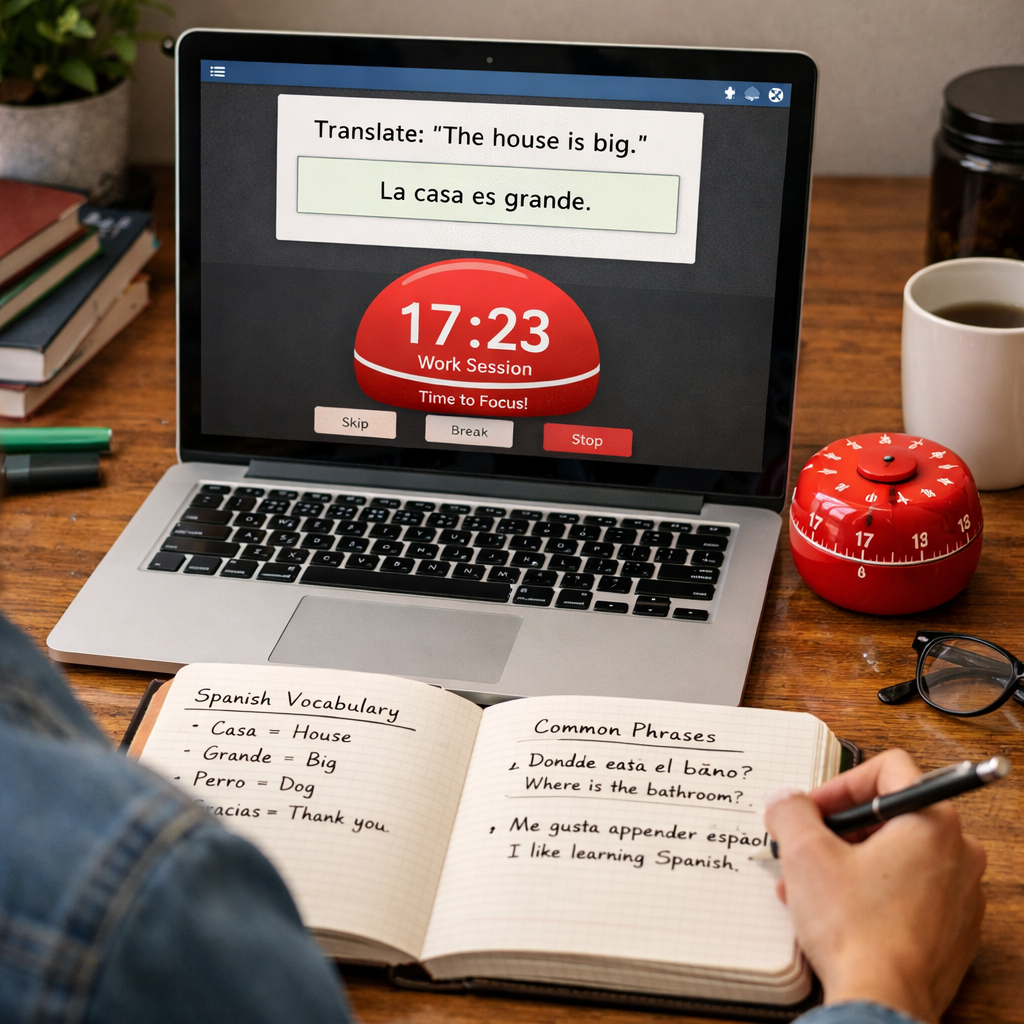
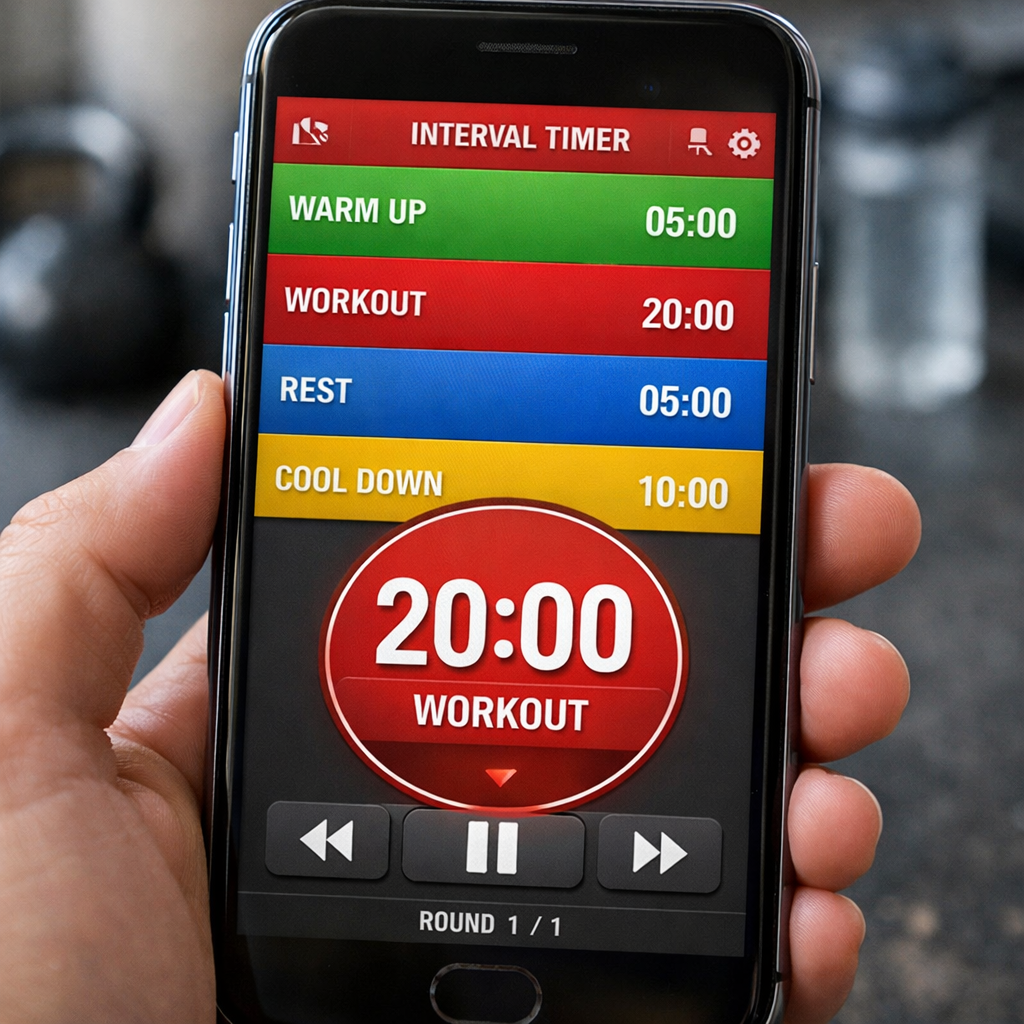
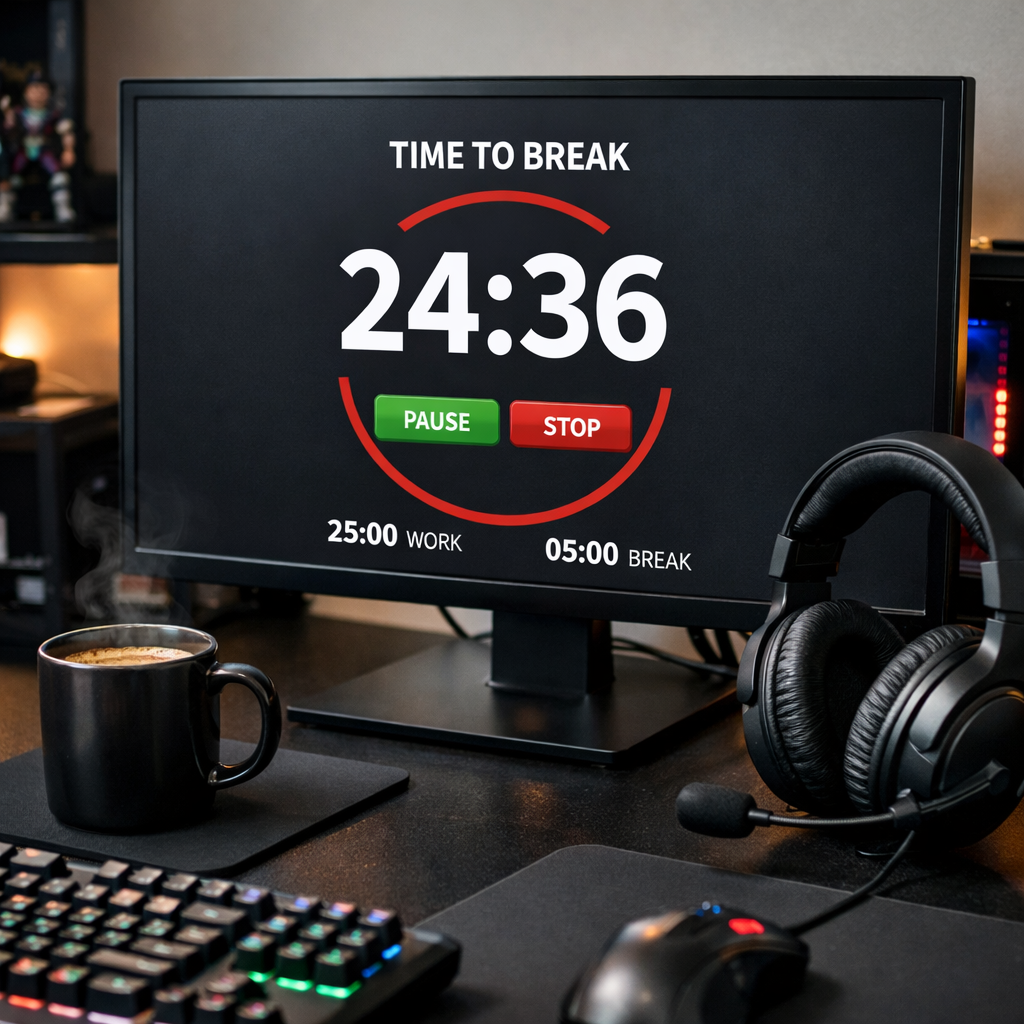
Timers and alarms are your best friends when it comes to ADHD time management. They act as external cues, helping you initiate tasks and transition between them. Think of them as gentle nudges rather than strict overseers. You can set a timer for a focused work sprint, say 25 minutes, and then have a built-in reminder for a short break. This creates a predictable rhythm that can really cut down on that "where did the time go?" feeling.
- Start/Stop Cues: Use alarms to signal when to begin a task and when to wrap it up. This helps overcome the inertia of starting and the difficulty of stopping when you’re in the zone.
- Transition Reminders: Set alarms a few minutes before a scheduled break or the end of a work block to give your brain a heads-up.
- Task Pacing: Time your tasks to get a better sense of how long things actually take, which helps with future planning.
Relying solely on your internal clock can be tricky with ADHD. External cues like timers and alarms provide a much-needed anchor to the present moment and help you stay on track without constant mental effort.
The Power of Visual Timers
Traditional clocks can sometimes be too abstract or easy to ignore. Visual timers, on the other hand, make time tangible. You can see it passing, whether it’s a colored bar shrinking on a digital display or sand draining in an hourglass. This visual feedback is incredibly helpful for people with ADHD because it provides a concrete representation of time. It’s less about the abstract concept of minutes and more about seeing the actual progress (or lack thereof).
- Sand Timers: Simple, effective, and satisfying to watch. Great for short bursts of activity.
- Digital Visual Timers: Many apps and devices show time as a countdown bar or changing colors, offering a clear visual cue.
- Color-Coded Timers: Some timers change color as time elapses, providing an intuitive way to gauge remaining time.
Utilizing Calendars and Reminders for Deadlines
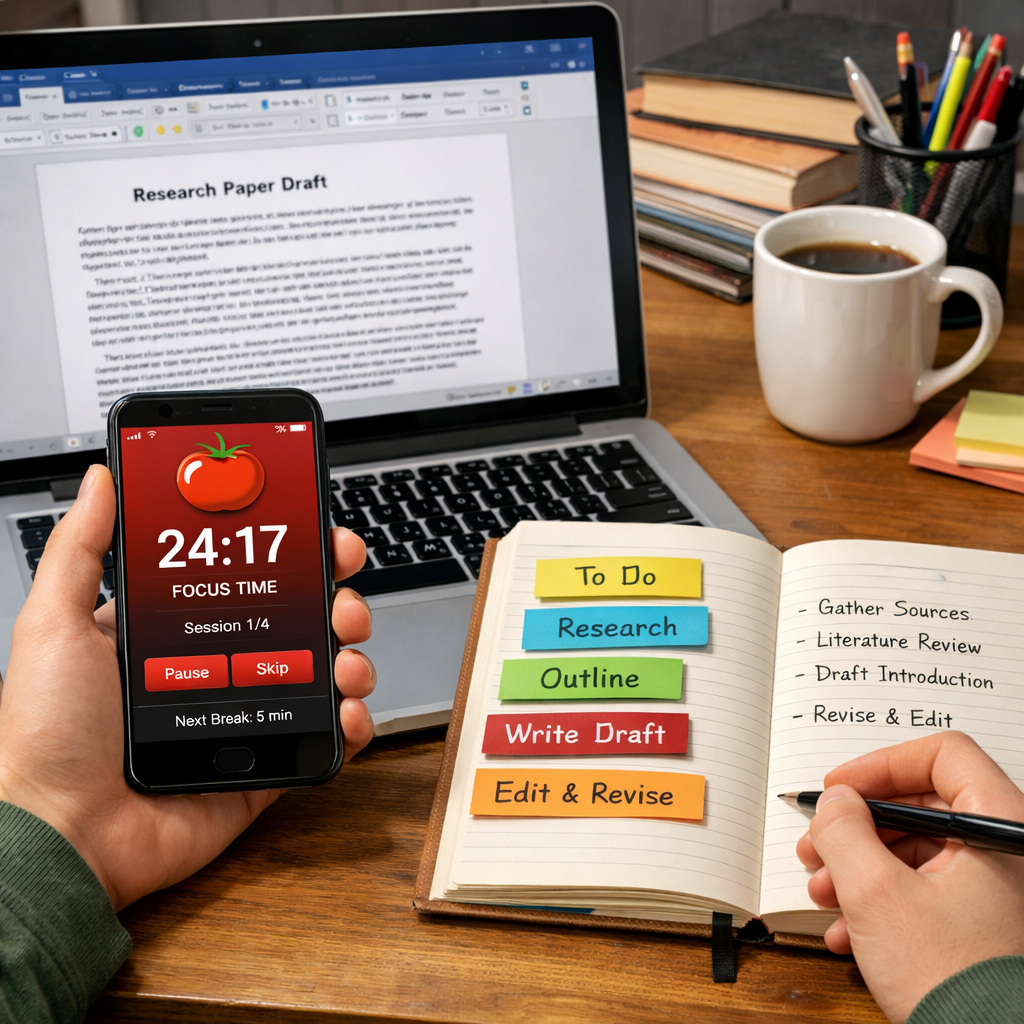
Calendars aren’t just for appointments; they’re powerful tools for managing deadlines and planning your workload. When you have a big project, breaking it down into smaller steps and assigning deadlines to each step on your calendar makes it feel much less overwhelming. Reminder apps on your phone or computer can then ping you about these upcoming deadlines, preventing that last-minute panic. It’s about getting things out of your head and into a system you can trust.
| Task Type | Deadline Strategy |
|---|---|
| Large Projects | Break into milestones, schedule each milestone |
| Daily Tasks | Set recurring reminders for important daily items |
| Appointments | Schedule with buffer time before and after |
| Study Sessions | Block out specific times and set a start alarm |
Implementing Break Planning for ADHD Success
Okay, so we’ve talked about why breaks are important, but how do we actually do them when our brains work a little differently? It’s not just about stopping work; it’s about making that stop count. For folks with ADHD, breaks aren’t a luxury, they’re a necessity for staying on track. Without them, focus just evaporates, and then you’re stuck staring at a blank screen or a pile of papers, feeling totally lost.
The Pomodoro Technique for Focused Sprints
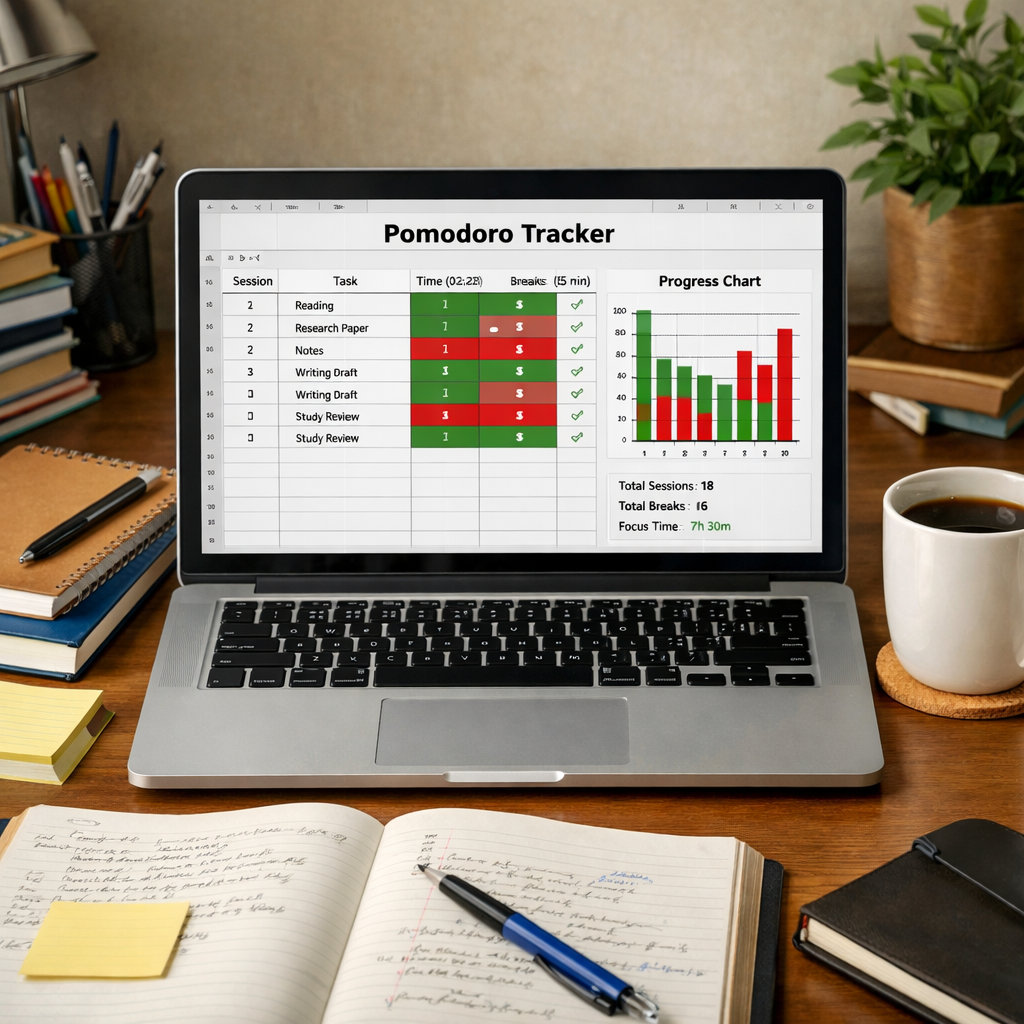
This one’s a classic for a reason. The Pomodoro Technique is basically a way to work in short, focused bursts. You set a timer for, say, 25 minutes, and you work on one thing and only that one thing. No checking emails, no scrolling social media, just pure focus on the task. When the timer rings, you get a short break, usually 5 minutes. It sounds simple, but that structured sprint and immediate reward of a break can really help keep your brain engaged. After about four of these work sprints, you take a longer break, maybe 15-30 minutes. It breaks down big tasks into manageable chunks and gives you a clear signal when it’s time to switch gears.
Incorporating Short, Energizing Breaks
Those 5-minute breaks aren’t just for staring into space. They’re your chance to actually recharge. Think about what energizes you. Maybe it’s a quick walk around the block, doing a few jumping jacks, or even just listening to one upbeat song. The key is to make them active and engaging, not just a passive pause. You want to come back feeling a little more alert, not more drained. Even just standing up and stretching can make a difference. It’s about giving your brain a different kind of stimulation for a few minutes.
Building in Buffers Between Activities
This is a big one that often gets overlooked. We tend to schedule things back-to-back, and for an ADHD brain, that’s a recipe for overwhelm. You need a little breathing room between tasks or meetings. Think of it as a transition zone. This buffer time lets you mentally shift gears, grab a drink, jot down a quick thought, or just take a few deep breaths. It prevents that feeling of being constantly rushed and helps you start the next thing with a clearer head. Even 5-10 minutes can make a world of difference in how smoothly your day flows.
Strategies for Enhanced Focus During Work Periods
Minimizing Distractions in Your Environment
Okay, so we all know that for brains with ADHD, distractions are like little shiny objects that pull our attention away. It’s not about being bad at focusing; it’s just how the brain is wired. The trick is to make your workspace work for you, not against you. Think about where you usually try to get stuff done. Is it near the TV? Is there a lot of foot traffic? If so, that’s probably not your best spot.
Finding a quiet corner is a good start. Sometimes, noise-cancelling headphones can be a lifesaver, especially if you live with other people or pets. And here’s a weird thing: some folks with ADHD actually focus better with a little background noise, like soft instrumental music or white noise. It’s worth experimenting to see what helps you tune things out, rather than just trying to force silence.
And your phone? That’s a big one. Notifications are basically attention grenades. Put it on silent, or better yet, leave it in another room while you’re trying to get into a work groove. If you’re on a computer, there are apps that can block distracting websites for a set amount of time. It feels a bit like cheating, but hey, whatever gets the job done.
Using Fidget Tools to Channel Restlessness
It’s totally normal to feel restless or need to move when you have ADHD. Trying to sit perfectly still for long periods can actually make it harder to focus. That’s where fidget tools come in. They’re not just for kids; they can be super helpful for adults too. The idea is to give your hands something simple to do so your brain can concentrate on the task at hand.
Think of things like a stress ball, a small fidget cube, or even just a smooth stone you can rub between your fingers. Even doodling on a notepad can work. The key is that it shouldn’t be so interesting that it pulls your attention away from what you’re supposed to be doing. Playing a video game, for example, isn’t really a fidget tool; it’s a whole other activity.
Here are a few ideas:
- Stress Balls: Great for squeezing under your desk when you feel tension building.
- Fidget Cubes/Spinners: Offer a variety of tactile sensations and movements.
- Putty or Clay: Can be molded and manipulated quietly.
- Chewing Gum: Provides oral sensory input and can help with focus for some.
It’s about finding something subtle that satisfies that need to move without becoming a distraction itself. If you notice yourself tapping your foot a lot or clicking a pen, a dedicated fidget item might be a better outlet.
The Role of Body Doubling for Accountability
This one sounds a bit odd at first, but it’s surprisingly effective for many people with ADHD. "Body doubling" means simply having another person present in the same space while you work, even if they’re not directly interacting with you or your task. It could be a friend studying in the same room, a family member doing their own work nearby, or even a virtual co-working session over video call.
The quiet presence of another person can create a subtle sense of accountability. It’s like having a gentle social pressure that helps you stay on track without needing constant reminders or direct supervision. Knowing someone else is there, also engaged in their own activity, can make it easier to resist distractions and initiate tasks.
It’s not about them supervising you; it’s more about the shared environment. This can be particularly helpful for tasks you tend to put off. You might find that just sitting down to work at the kitchen table while your partner cooks dinner, or joining an online study group where everyone is just quietly working, makes a big difference in your ability to get things done.
Making Breaks Recharging and Productive

Okay, so we’ve talked about planning your work periods, but what about the breaks themselves? This is where things can get a little tricky, right? It’s easy to let a break stretch into an hour of scrolling or just zone out completely. But the goal here is to make these pauses actually help you, not just be a time-out. We want them to be genuinely recharging and, dare I say, productive in their own way.
Engaging All Your Senses During Downtime
Think about it: your brain is probably overloaded with visual and auditory input from your work. So, for a break, try switching things up. Instead of just staring at another screen, maybe step outside for a few minutes. Feel the breeze, listen to the birds, or even just notice the colors around you. If you’re stuck inside, put on some music that makes you feel good, or even just focus on the taste of a snack or a drink. It’s about giving your brain a different kind of stimulation, something that pulls you out of the work-task mode and into the present moment. This sensory shift can be surprisingly effective at clearing your head.
The Benefits of Movement and Physical Activity
Sitting still for too long, especially when you’re trying to focus, can feel like being stuck in mud. That’s where movement comes in. You don’t need to run a marathon during your break, but even a few minutes of stretching or a quick walk around the block can make a huge difference. It gets the blood flowing, which, surprise, helps your brain work better. Think of it as a system reboot. Try incorporating some simple exercises like jumping jacks, a few yoga poses, or even just dancing to a song. It’s a great way to burn off some of that restless energy that ADHD brains often have, making it easier to settle back into your work later. It’s also a good way to break up long periods of sitting, which we all know can be a challenge.
Mindfulness Practices for Mental Reset
This might sound a bit out there, but hear me out. Mindfulness isn’t just for gurus on mountaintops. It’s really about paying attention to what’s happening right now, without judgment. For us, this can mean taking just a few minutes to focus on your breathing. Seriously, just breathe in, breathe out. Notice how your body feels. It’s a way to hit the pause button on the mental chatter that can sometimes feel overwhelming. Even a short guided meditation, like those you can find online, can help calm your nervous system and bring you back to a more centered state. It’s like giving your brain a little spa treatment, helping you return to your tasks feeling more refreshed and less frazzled. Practicing this regularly can help you manage ADHD symptoms better over time, leading to improved focus and impulse control [3eea].
Breaks aren’t just about stopping work; they’re about actively preparing yourself to return to it with more energy and clarity. Think of them as strategic pauses, not just downtime.
Here’s a quick rundown of what makes a break truly effective:
- Sensory Shift: Engage senses other than those used for your primary task.
- Movement: Get your body moving, even for a few minutes.
- Mindful Pause: Take a moment to reset your mental state.
- Novelty: Try something different from your usual routine, if possible.
Organizing Your Space and Tasks for Better Flow
Let’s be real, sometimes our brains feel like a browser with 50 tabs open, right? Keeping things tidy and tasks in order can feel like a monumental effort when your focus is all over the place. But here’s the thing: a little bit of organization can make a huge difference in how smoothly your day goes. It’s not about being perfect; it’s about creating systems that work with your ADHD, not against it.
Creating an Orderly and Clutter-Free Workspace
Think of your workspace as the command center for your brain. If it’s a mess, your thoughts can feel like a mess too. It doesn’t take much to make a big impact. Spending just five minutes at the end of each day to clear your desk, put away stray papers, or organize your pens can prevent that frantic search for something later. Giving everything a designated
Building Motivation Through Rewards and Routines
Let’s be real, staying motivated when your brain works a little differently can feel like a constant uphill battle. That’s where building solid routines and using smart reward systems really shines. It’s not about forcing yourself into a box, but about creating a predictable structure that actually helps your brain stay on track and feel good about what it’s doing.
Implementing Positive Reinforcement Systems
Think of positive reinforcement as giving your brain a little high-five when it does something right. It’s about noticing the good stuff and giving yourself a pat on the back, whether that’s a big win or just getting through a tough task. This isn’t just about getting a treat; it’s about training your brain to associate effort with good feelings, which makes you more likely to do it again.
- Acknowledge Small Wins: Did you finish that email you’ve been dreading? Great! Give yourself a moment to feel good about it. Maybe take a 5-minute stretch break or listen to one song you love.
- Tangible Rewards for Bigger Goals: For larger projects or consistent effort, a more substantial reward can be super effective. This could be anything from an hour of guilt-free gaming to buying that book you’ve had your eye on.
- Verbal Self-Praise: Don’t underestimate the power of just telling yourself, "Nice job!" or "I did that!" It sounds simple, but it really helps.
Sometimes, the biggest hurdle is just starting. When you build in rewards for taking those first steps, you make the whole process feel less daunting. It’s like giving yourself a little nudge forward.
Establishing Consistent Daily Routines
Having a routine can feel like a superpower when your focus tends to wander. It creates a predictable rhythm to your day, so you don’t have to constantly decide what to do next. This reduces decision fatigue and frees up mental energy for the actual tasks.
Here’s a basic structure that works for many:
- Morning Kick-off: A consistent wake-up time, followed by a simple routine like making your bed, having breakfast, and maybe a quick walk. This sets a positive tone.
- Work Blocks: Schedule specific times for focused work, interspersed with planned breaks. Knowing when your work time starts and ends can make it easier to dive in.
- Evening Wind-Down: A routine to signal the end of the workday and prepare for rest. This could include tidying up your workspace, planning for the next day, and engaging in relaxing activities.
The Impact of a Stable Sleep Schedule
Sleep is HUGE. Seriously, it affects everything from focus to mood to how well you can manage your energy. When your sleep is all over the place, your ADHD symptoms can feel way worse. Trying to get consistent sleep isn’t always easy, but it makes a massive difference.
- Set Bedtime and Wake-up Times: Even on weekends, try to stick to a similar schedule. This helps regulate your body’s natural clock.
- Create a Relaxing Pre-Sleep Routine: Avoid screens for an hour before bed. Try reading, gentle stretching, or listening to calming music.
- Optimize Your Sleep Environment: Make sure your bedroom is dark, quiet, and cool. This makes it easier to fall asleep and stay asleep.
Putting It All Together
So, we’ve talked about a bunch of ways to make breaks work for you, especially if your brain is wired a bit differently. It’s not about finding one magic trick, but more about building a toolkit that fits you. Remember, breaks aren’t just downtime; they’re active parts of getting things done. Experiment with short bursts, try different kinds of recharging, and don’t be afraid to switch things up when something isn’t working. The goal is to find a rhythm that helps you focus when you need to and truly rest when you don’t. Be patient with yourself, celebrate the small wins, and keep adjusting until you find what makes your day flow better.
Frequently Asked Questions
Why are breaks so important for people with ADHD?
Breaks are like pit stops for your brain! People with ADHD often find it hard to stay focused for long stretches. Taking short, regular breaks helps their brain reset, preventing burnout and making it easier to get back to the task with fresh energy. It’s like giving your brain a mini-recharge so it can keep going strong.
What’s the Pomodoro Technique, and how does it help with ADHD?
The Pomodoro Technique is a way to work in short bursts. You focus hard for about 25 minutes, then take a 5-minute break. It’s great for ADHD because it breaks big tasks into smaller, less scary chunks. Knowing a break is coming soon makes it easier to start and stay focused during those 25 minutes.
How can I make my breaks actually refreshing and not just more distractions?
To make breaks truly helpful, try doing something that really pulls you away from your work. Moving your body, like stretching or a quick walk, is fantastic. Engaging your senses, like listening to a song or having a healthy snack, can also help. The goal is to do something different that wakes up your brain, not just scroll through your phone.
What are some simple ways to organize my workspace for better focus?
Keeping your study or work area tidy is super important! Try to have a designated spot that’s mostly free of clutter. Use things like checklists for tasks or visual aids like a calendar to see what’s coming up. Giving everything a place makes it easier to find what you need and stops you from getting sidetracked by a mess.
How can I use timers and alarms effectively for ADHD?
Timers and alarms are like having a helpful coach. You can set them for focused work periods (like the Pomodoro Technique) and for your breaks. Visual timers, which show time passing, can be especially useful because you can actually see how much time you have left. They help you start tasks and know when it’s time to switch gears.
What is ‘body doubling,’ and why might it help someone with ADHD?
Body doubling means working or studying in the same space as another person, even if you’re not working on the same thing. Their quiet presence can create a gentle sense of accountability, making it easier to start tasks and stay on track. It’s like having a silent buddy who helps you focus without direct pressure.