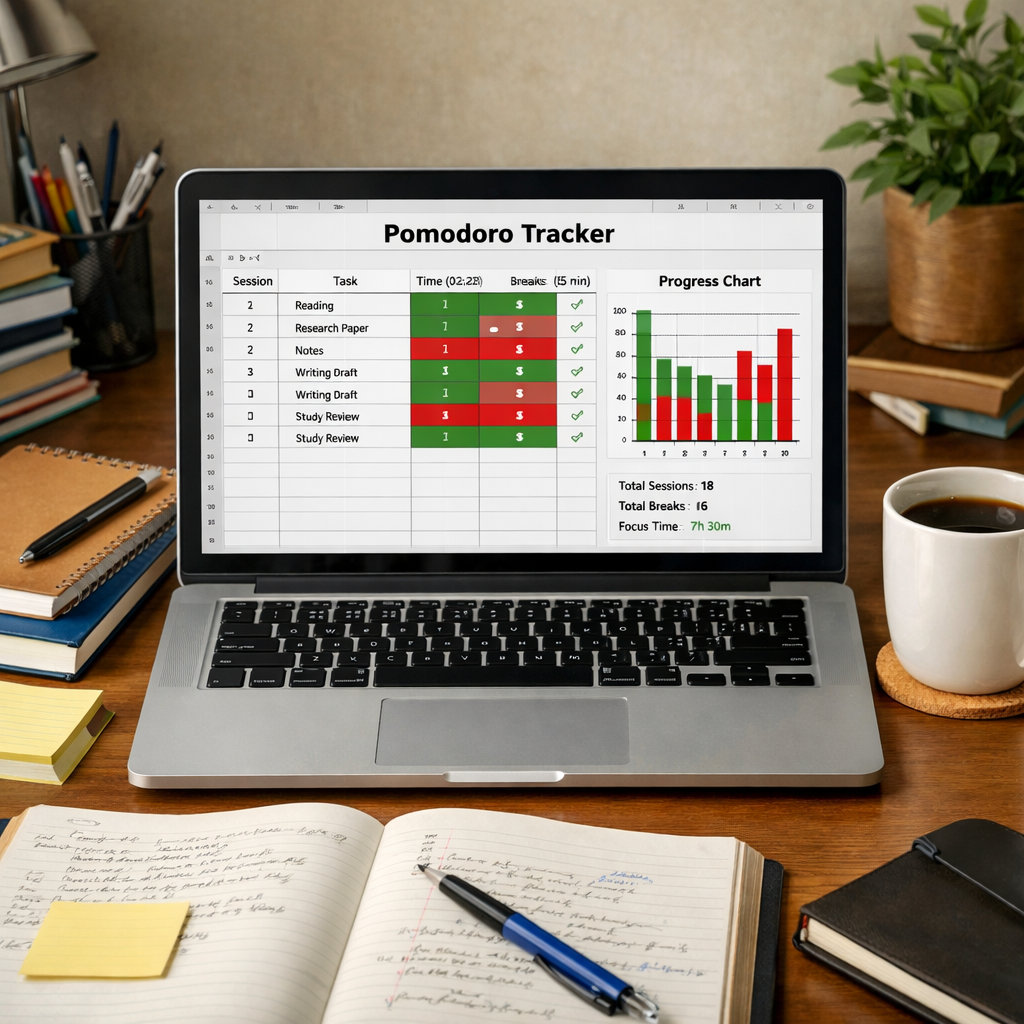

Feeling like time just slips away? If you’ve got ADHD, keeping track of the clock and getting things done can feel like a constant uphill battle. It’s totally normal to struggle with focus, planning, and just knowing where the day went. But here’s the good news: there are ways to make things work better for your brain. We’re going to look at some practical ADHD time management tips that can help you get a handle on your schedule and actually get stuff done, without feeling totally overwhelmed.
Key Takeaways
- Build a solid routine by starting with your non-negotiable tasks and adding wind-down periods, using visual aids to keep you on track.
- Try time blocking to break your day into specific chunks for tasks, which helps with focus and makes big projects feel less daunting.
- Use structured work intervals, like the Pomodoro Technique, and take regular breaks to keep your energy up and avoid burnout.
- Combat ‘time blindness’ with external tools like visual timers and alarms for transitions, and even music playlists to mark time.
- Make future goals feel more real by imagining how completing tasks now will benefit you later, helping you choose future success over present distractions.
Establish Structure With Daily Routines

When your brain feels like a browser with 50 tabs open, a solid routine can be a lifesaver. It’s like having a map for your day, so you don’t get lost wandering around. Building a routine isn’t about being rigid; it’s about creating predictable anchors that help you know what’s coming next, which is super helpful when focus is a challenge.
Build Your Day Around Non-Negotiables
Think of these as the fixed points in your day – the appointments, meetings, or even just the time you absolutely have to leave the house. These are the things that have to happen, no matter what. Once you know these, you can start to fill in the gaps. It’s a good idea to put these in your planner or calendar first. Don’t forget to add a little buffer time before and after each one. This accounts for travel, getting settled, or just that moment of ‘oh right, I need to do that’ before you switch gears. It stops that frantic rush that can throw off your whole day.
- Schedule fixed appointments first.
- Add transition time before and after.
- Factor in travel if needed.
Incorporate End-Of-Day Wind-Down Activities
Just like mornings need a gentle start, evenings need a calm finish. This is about signaling to your brain that it’s time to slow down. It can be anything from reading a book for 20 minutes to doing some light stretching. The goal is to create a buffer between the day’s demands and sleep. This helps you actually relax and get better rest, which then makes the next day easier to manage. It’s easy to just crash on the couch, but a little intentional winding down makes a big difference.
A consistent wind-down routine helps your brain transition from active tasks to rest, making it easier to fall asleep and improving the quality of your sleep. This, in turn, positively impacts your focus and energy levels the following day.
Utilize Visual Reminders For Consistency
Our brains with ADHD often benefit from seeing things. Written lists are good, but visual cues can be even better. Think about putting a clock in every room you spend time in, or a sticky note on the bathroom mirror reminding you of the time you need to leave. For things like taking medication or putting out the trash, a brightly colored reminder card can be surprisingly effective. It’s about making the important stuff visible, so it doesn’t just slip your mind when you get distracted by something else.
Master Focus With Time Blocking Strategies
Okay, so let’s talk about time blocking. If you’ve got ADHD, you know how easy it is for time to just… slip away. One minute you’re planning to do one thing, and the next, you’re wondering where the last two hours went. Time blocking is basically a way to fight back against that. It’s about taking your day and chopping it up into specific chunks, assigning each chunk to a particular task or activity. Think of it like making a visual map for your day, so you always know where you’re supposed to be and what you’re supposed to be doing.
Understand The Power Of Time Blocking For ADHD
For folks with ADHD, this structured approach can be a real lifesaver. It gives you that clear roadmap that your brain often craves, cutting down on the "what should I do next?" anxiety. When you have a specific block of time dedicated to, say, answering emails, you’re less likely to get sidetracked by a random thought or a notification. It helps make those future tasks feel more concrete and less like vague ideas floating around in your head. Plus, ticking off those completed blocks gives you a nice little hit of accomplishment, which can be a big motivator.
Time blocking isn’t about rigid control; it’s about creating a flexible framework that supports your focus and reduces the mental load of constant decision-making. It’s about making your intentions visible and actionable.
Allocate Dedicated Chunks For Specific Tasks
When you’re setting up your time blocks, try to be realistic. It’s super common to underestimate how long things actually take, especially with ADHD. So, build in some extra time – seriously, add a buffer. If you think a task will take 30 minutes, block out 45. This helps prevent that feeling of being constantly behind. Also, try grouping similar tasks together. If you have a bunch of errands to run, or several emails to send, put them all in one block. This reduces the mental energy it takes to switch gears between different types of activities.
Here’s a simple way to start:
- Brain Dump: Write down everything you need to do.
- Schedule Fixed Stuff: Put in appointments, meetings, or anything else that’s already set.
- Block Out Tasks: Assign specific time slots for your other tasks, remembering to add those buffer times.
- Include Breaks: Don’t forget to schedule short breaks between blocks to rest your brain.
Prioritize High-Impact Activities First
Think about what really matters. What tasks will move the needle the most on your goals? Schedule those during your peak focus times, which for many people with ADHD, might be earlier in the day. If you have a big project that requires deep concentration, don’t try to tackle it when you’re already feeling drained. Put it in a prime spot. This way, you’re using your best energy for the most important work, rather than letting it get eaten up by less critical tasks or distractions. It’s about working smarter, not just harder, and making sure your effort is going towards what counts.
Enhance Productivity Through Structured Work Intervals
Sometimes, just looking at a giant to-do list can make you want to hide under the covers. That’s totally normal, especially when your brain works a bit differently. The good news? We can break things down into smaller, more manageable chunks. This is where structured work intervals come in handy. They’re like mini-challenges that help you get stuff done without feeling completely overwhelmed.
Try The Pomodoro Technique For Manageable Work
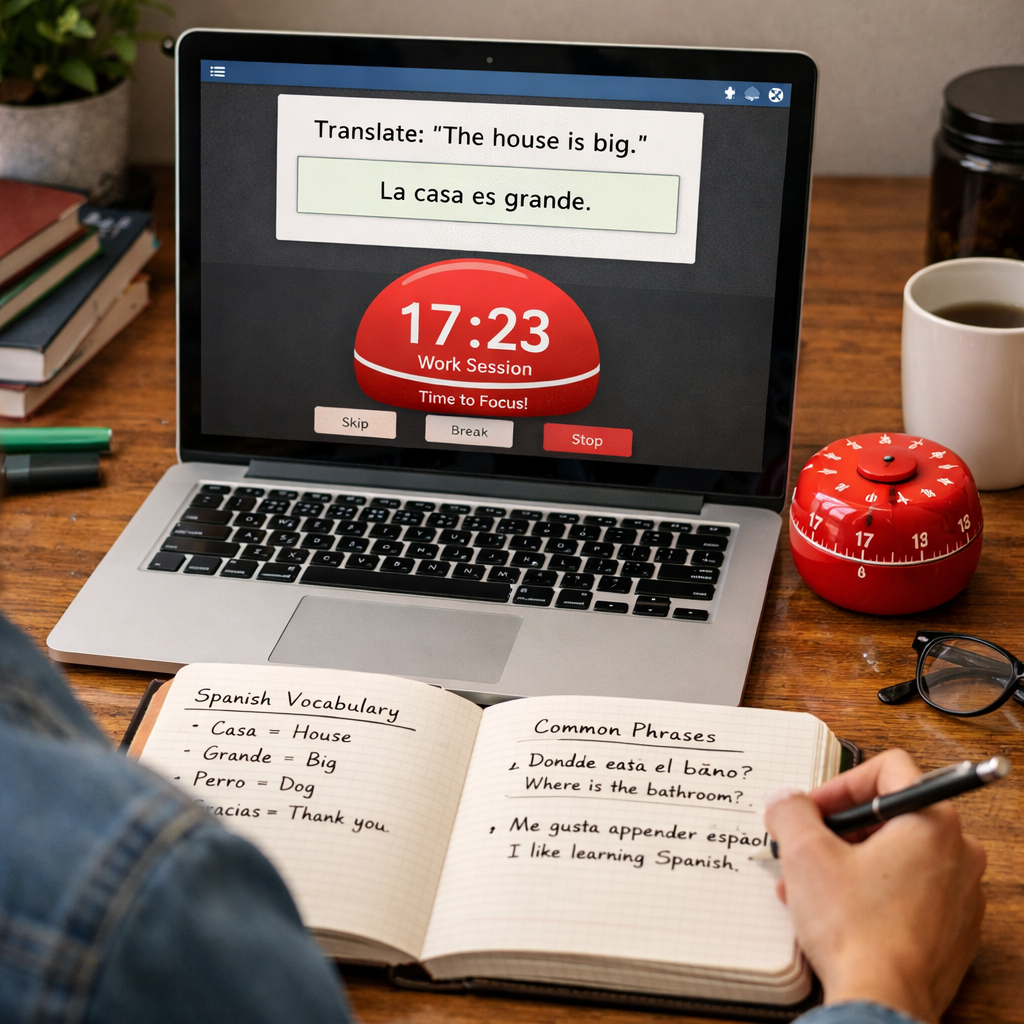
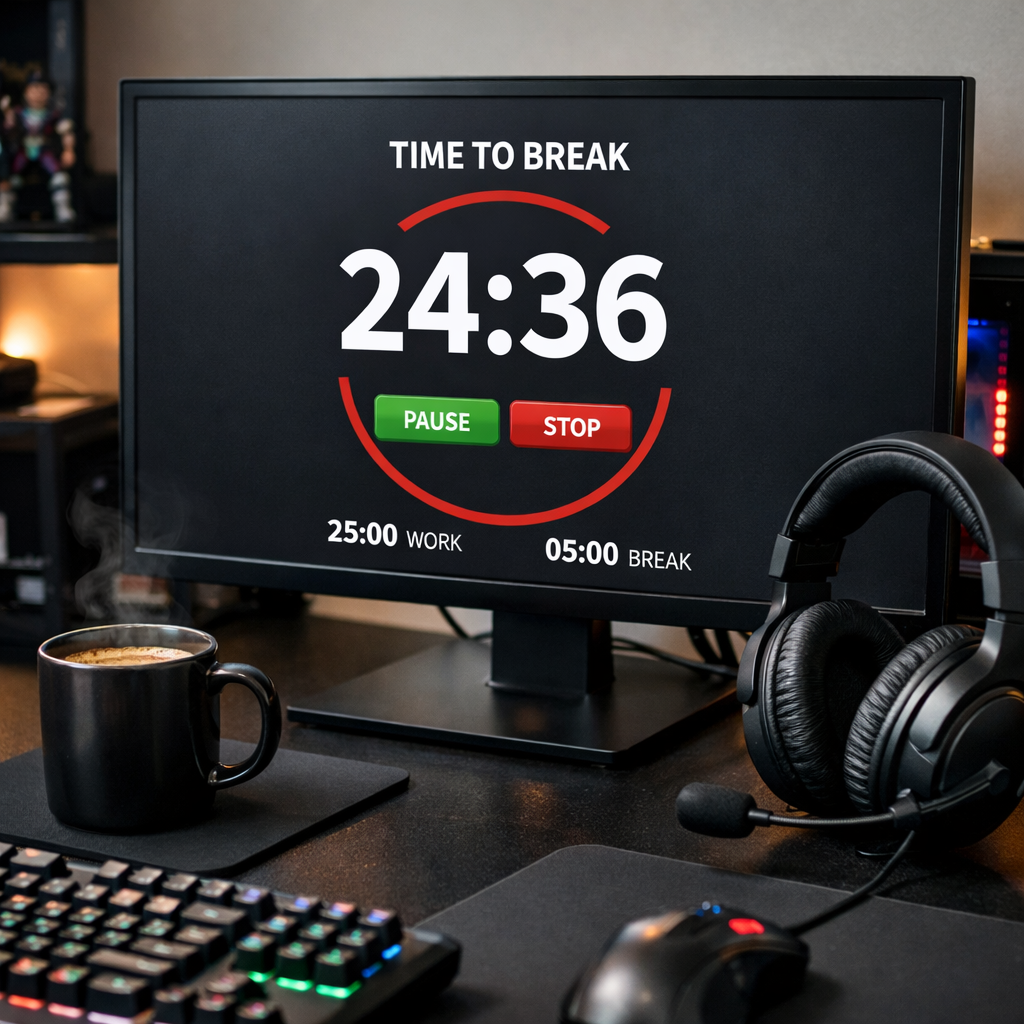
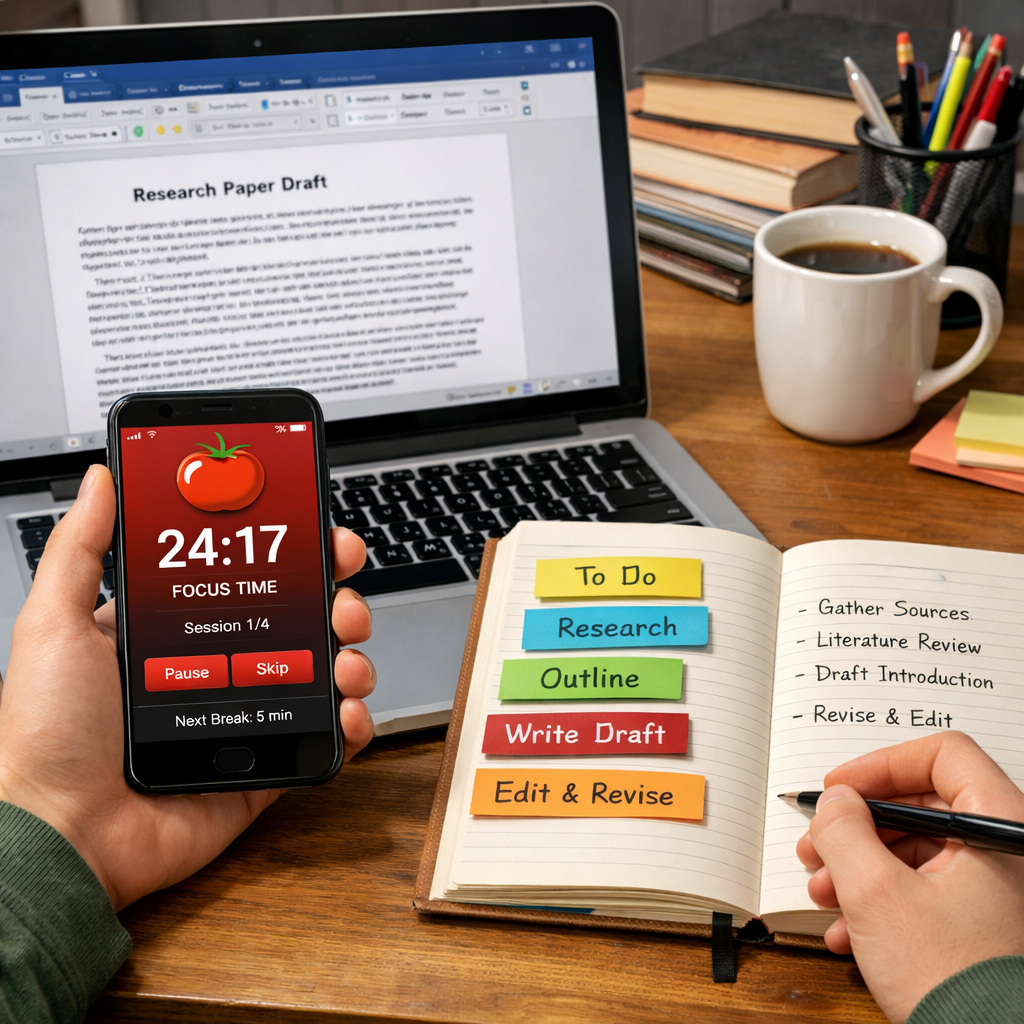
This one’s pretty popular, and for good reason. The Pomodoro Technique is simple: you work on one task for a set amount of time, then take a short break. A common setup is 25 minutes of focused work followed by a 5-minute break. After about four of these work-break cycles, you take a longer break, maybe 15 to 30 minutes. It sounds almost too simple, but that ticking clock can actually help you zero in on what you need to do. Plus, those planned breaks are built-in rewards that stop you from burning out.
Leverage Frequent Breaks To Sustain Energy
Think of breaks not as slacking off, but as refueling. When you have ADHD, your energy levels can bounce around. Short, frequent breaks help you reset your brain and keep your focus from completely tanking. It’s about working smarter, not just longer. These pauses give your mind a chance to wander a bit, which can actually spark new ideas or help you solve problems you were stuck on. So, don’t feel guilty about stepping away for a few minutes – it’s part of the productivity plan!
Combine Techniques For Optimal Rhythms
Here’s where it gets interesting. You don’t have to stick to just one method. Maybe Pomodoro works for some tasks, but for others, you need longer stretches. You could try pairing the Pomodoro Technique with time blocking. For example, you might block out an hour for a big project, and then within that hour, use Pomodoro intervals to keep yourself on track. Or, maybe you find that listening to a specific playlist helps you get into a focused groove for 45 minutes. The key is to experiment and see what combination makes you feel most productive. It’s all about finding your personal rhythm.
The goal isn’t to create a rigid schedule that you can never deviate from. It’s about building a flexible framework that supports your focus and energy, allowing you to get more done without feeling constantly drained or defeated. Be kind to yourself and adjust as needed.
Combat Time Blindness With External Cues
Time blindness, that tricky feeling of losing track of hours or underestimating how long things take, is a real hurdle for many with ADHD. It’s like your internal clock is just a bit fuzzy. But the good news is, we can use outside help to keep us grounded. Think of these as your trusty sidekicks in the battle against the disappearing minutes.
Utilize Visual Timers And Analog Clocks
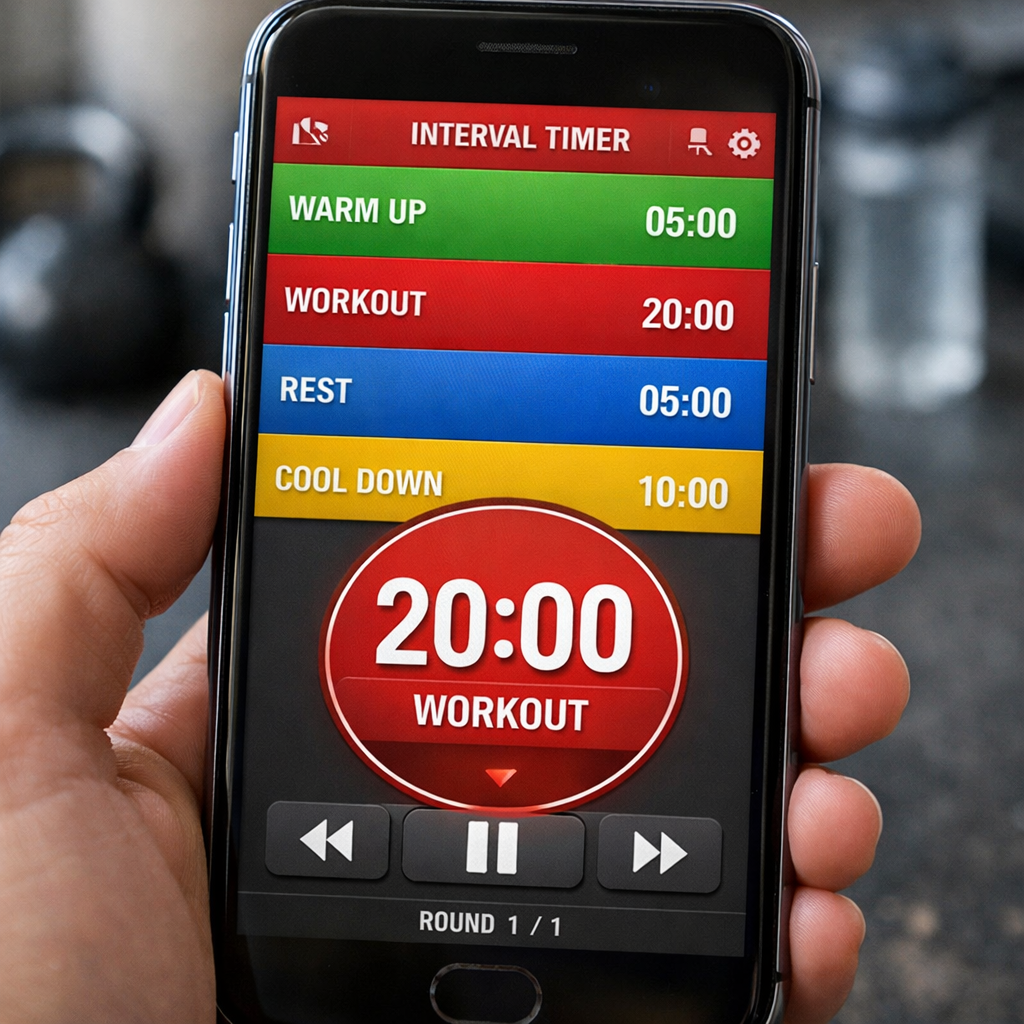
Sometimes, you just need to see time passing. Digital timers can be a bit abstract, just a number counting down. Visual timers, on the other hand, show time as a shrinking block of color or a moving hand. This makes the concept of time more concrete. An old-school analog clock on the wall can also be a lifesaver. Watching the second hand tick around, or the minute hand inching forward, gives you a physical sense of time’s movement. It’s less about the exact minute and more about the steady progression.
- Set a visual timer for focused work sessions.
- Place an analog clock in your main workspace.
- Use a timer for transitions between tasks.
Create Chain-Of-Event Alarms For Transitions
Switching gears can be tough. Instead of just one alarm for
Maximize Motivation By Visualizing Future Consequences
It’s tough, right? The present moment, with all its immediate distractions and pleasures, often feels way more real and important than some fuzzy future outcome. For folks with ADHD, this pull towards the ‘now’ can be incredibly strong, making it hard to get started on tasks that don’t offer instant gratification. We know, intellectually, that finishing that report today will make tomorrow easier, but the allure of scrolling through social media or grabbing a snack is just… louder.
Detail Future Feelings To Boost Motivation
This is where we get a bit creative. Instead of just thinking, ‘I should do this,’ try to really feel what it will be like later. Imagine yourself on Friday morning, relieved and prepared for that big presentation because you put in the work on Thursday. Now, contrast that with how you’d feel if you waited until the last minute – stressed, rushed, and maybe even a little embarrassed. The more vividly you can picture those future emotions, the more power they have to pull you into action today. It’s like giving your future self a voice that can actually be heard over the noise of the present.
Tip The Balance Towards Future Goals
Think of it as a constant tug-of-war between what you want now and what you want most. The present always has a strong argument, but we need to intentionally give the future a fighting chance. This isn’t about denying yourself enjoyment; it’s about making sure your future self isn’t constantly cleaning up the messes of your present self. It’s about making conscious choices that align with the bigger picture you have for your life, rather than just reacting to whatever pops up.
Make Future Consequences Feel More Immediate
Since future rewards or punishments often feel too far away to matter, we need ways to bring them closer. One way is to create mini-rewards for completing steps along the way. Finishing a section of a project? Treat yourself to a 10-minute break listening to your favorite podcast. This creates a more immediate sense of accomplishment. Another trick is to use accountability partners. Knowing someone else is expecting an update can make the consequence of not doing the work feel much more real, even if the ultimate deadline is weeks away. You can also try setting up a system where you visually track your progress, like moving sticky notes on a board from ‘To Do’ to ‘Done.’ Seeing that physical movement can make the progress feel more tangible and immediate.
The struggle isn’t usually a lack of knowing what to do, but a difficulty in doing it when the immediate reward isn’t there. We need to build bridges from the present to the future, making the benefits of our actions feel closer and more impactful.
Here’s a simple way to think about it:
| Scenario | Immediate Feeling | Future Feeling (Positive) | Future Feeling (Negative) |
|---|---|---|---|
| Start Project Now | Mild discomfort/boredom | Relief, pride, accomplishment | Stress, regret, rushing |
| Procrastinate | Immediate pleasure/distraction | Anxiety, panic, exhaustion | N/A |
This kind of comparison helps to highlight what’s really at stake. It’s about making the future consequences of your current actions feel less like abstract concepts and more like real, tangible outcomes. For more on managing distractions and using cues, check out productivity hacks for ADHD.
Streamline Your Schedule With Advanced Techniques
So, you’ve got the hang of the basics, maybe even some time blocking down. That’s awesome! But what if you want to really fine-tune things, make your schedule work even harder for you? There are some neat tricks that can make a big difference, especially when your brain likes to do its own thing.
Employ Color-Coding For Clarity
This one’s pretty simple but surprisingly effective. Think of your calendar as a visual map of your day. By assigning different colors to different types of activities – say, blue for work tasks, green for personal appointments, and yellow for exercise – you can see your week at a glance. It helps you spot imbalances quickly. Is there too much blue? Maybe you need to schedule some green time. It makes your schedule less of a chore and more of a helpful guide.
Implement Theme Days For Task Specialization
This is where things get really interesting. Instead of jumping between different kinds of tasks all day, every day, try dedicating entire days to specific categories. You could have "Admin Mondays" where you tackle all your emails, paperwork, and planning. Then maybe "Creative Fridays" for brainstorming, writing, or projects that need a different kind of brainpower. This reduces that mental whiplash you get from constantly switching gears. Your brain can settle into a groove for that type of work, which can really boost focus and get more done. It’s like giving your brain a specific job for the day.
Plan For Reflection And Progress Tracking
This might sound a bit counterintuitive when you’re trying to be productive, but setting aside time to think about your productivity is super important. Schedule short blocks, maybe 15-30 minutes at the end of each week, to look back. What worked well? What didn’t? Were your time estimates accurate? Did you stick to your plan? This isn’t about beating yourself up; it’s about learning. You can adjust your strategies based on what you discover. It helps you build a system that actually fits you, not just some generic advice. This kind of self-awareness is key to making any time management system stick long-term. It’s about continuous improvement, not perfection. You can even use this time to plan out the upcoming week, making sure your priorities are clear and your schedule reflects them. This proactive approach helps prevent that feeling of being overwhelmed when Monday morning rolls around. It’s a small investment that pays off big time in sustained productivity and reduced stress.
Making your schedule work for you means being willing to experiment and adapt. What looks good on paper might not always work in practice, and that’s okay. The goal is to build a system that supports your unique way of thinking and working, not to force yourself into a rigid box. Flexibility is your friend here.
This process of reviewing and adjusting is where you really start to master your schedule. It’s not just about filling time; it’s about filling it wisely. By using these advanced techniques, you’re not just managing time, you’re shaping your days to support your focus and get more of what matters done. It’s about making your schedule a tool that helps you thrive, not just survive. Remember, consistency is more important than perfection, and these methods can help you build that consistency. You might find that combining these strategies with something like the Pomodoro Technique can create a powerful rhythm for your workday.
Leverage Tools And Accountability For Success
Sometimes, even with the best plans, sticking to them feels like an uphill battle. That’s where external support and the right tools come in. Think of them as your personal pit crew, helping you stay on track when your own motivation starts to sputter.
Explore Specialized Productivity Apps
There’s a whole world of apps out there designed to make managing your time and tasks less of a headache. Many are built with the unique challenges of ADHD in mind. For instance, apps can help you track how long you actually spend on things, which is a game-changer for understanding where your time goes. Some even have built-in timers or project management features that can keep you focused. It’s about finding what clicks with your brain and makes sticking to your schedule feel more doable. A great example is Toggl Track, which is specifically designed to boost accountability through its task planning and time-tracking capabilities.
Utilize Body Doubling For Task Completion
This might sound a little odd at first, but working alongside someone else can make a huge difference. It doesn’t mean they have to help you with your task; just their presence can create a sense of accountability. It’s like having a silent study buddy. This can minimize distractions and make it easier to switch between different activities. You can do this in person with a friend or even virtually with a coworker. Scheduling regular virtual work sessions can be a simple way to build this into your week.
Regular Review And Adjust Your System
Your system isn’t meant to be set in stone. Life happens, and what works one week might need tweaking the next. Setting aside time, maybe weekly, to look at what went well and what didn’t is super important. Did a certain time block consistently get pushed back? Maybe it needs to be longer, or perhaps the task needs to be broken down further. This reflection helps you adapt and improve your approach over time. It’s about making your schedule work for you, not the other way around.
Don’t be afraid to experiment. What works for one person with ADHD might not work for another. The key is to keep trying different tools and strategies until you find a combination that helps you feel more in control of your time and less overwhelmed by your to-do list.
Putting It All Together
So, we’ve talked about a bunch of ways to get a better handle on your time when your brain works a little differently. It’s not about being perfect, right? It’s more about finding what works for you, whether that’s setting up alarms, using timers, or just getting everything out of your head and onto paper. Remember those routines we mentioned? They can really help make things feel less chaotic. And don’t forget about breaks – they’re not lazy, they’re necessary! It takes practice, for sure, but by trying out these tips, you can start to feel more in control of your day and get more done without feeling so overwhelmed. Keep experimenting, be kind to yourself, and celebrate the small wins along the way.
Frequently Asked Questions
What is time blocking, and why is it good for ADHD?
Time blocking is like making a plan for your day by dividing it into specific time slots for different tasks. For people with ADHD, this is super helpful because it gives you a clear path, making it easier to focus and get things done without feeling overwhelmed by a giant to-do list. It helps you see exactly what you need to do and when.
How can routines help someone with ADHD manage their time?
Routines are like a helpful guide for your day. When you have a set schedule for things like waking up, eating, and winding down, it makes your day more predictable. This means you don’t have to constantly decide what to do next, which saves your brain energy and makes it easier to stick to your tasks.
What’s the Pomodoro Technique, and how does it help with focus?
The Pomodoro Technique is a way to break down work into short, focused bursts. You work hard on one thing for about 25 minutes, then take a short break. After a few of these work sessions, you get a longer break. This helps your brain stay focused because it knows a break is coming, and it makes big tasks feel less scary.
What does ‘time blindness’ mean for people with ADHD?
Time blindness is when it’s hard to tell how much time has passed or how long a task will take. It’s like time just slips away! This can make people late or cause them to underestimate how long things will take. Using timers and visual cues helps make time more real.
How can visualizing future feelings help with motivation?
Sometimes, the good feelings we get from finishing something later don’t seem as important as the fun we could have right now. By imagining in detail how good you’ll feel when a task is done, or how bad you’ll feel if you don’t start, you can make those future feelings seem more real and urgent, which helps you get started.
What are some tools that can help with ADHD time management?
There are lots of helpful tools! You can use special apps designed for productivity, visual timers that show time passing, alarms for reminders, and even music playlists to mark time. Sometimes, just having a friend work nearby (called ‘body doubling’) can also help you stay on track and get things done.