
When you stare at a page of notes, the brain’s natural tendency is to skim until the next distraction pulls you away. That’s why most students finish a chapter and still feel fuzzy about the key points. The trick? Force your mind to fetch information instead of just passively rereading.
Have you ever crammed a night before a test only to find the concepts slipping through your fingers the next day?
What if the secret to solid learning isn’t more hours on the desk but a simple habit that trains your brain to remember? Let’s dive in.
Active recall study techniques flip the script: you ask yourself questions, try to retrieve the answer, then check for accuracy. The act of retrieval builds a stronger memory trace than rereading alone.
A favorite is the flashcard method, but with a twist: use spaced repetition to space those retrieval attempts. That’s how apps like Anki schedule a quick review just before you’re about to forget.
Does that sound too geeky for a busy student or a freelancer juggling multiple deadlines?
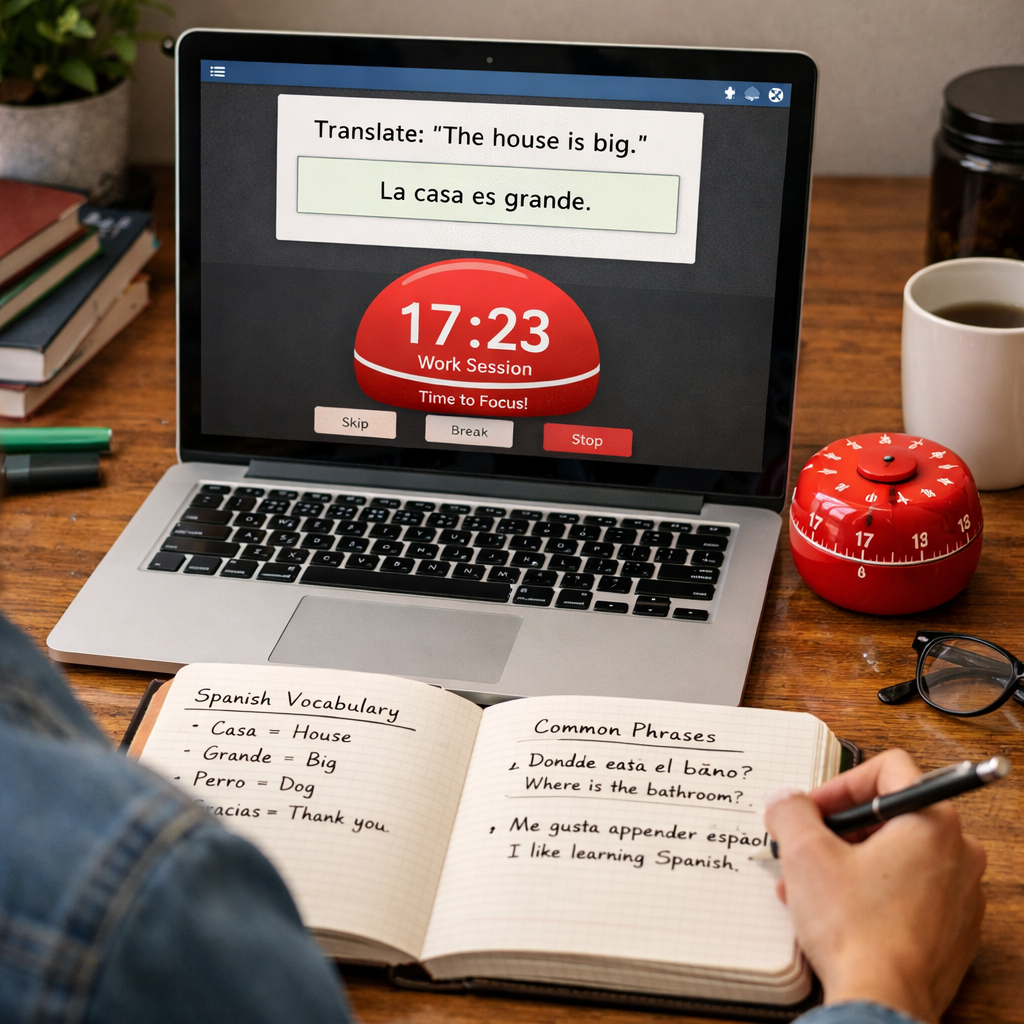
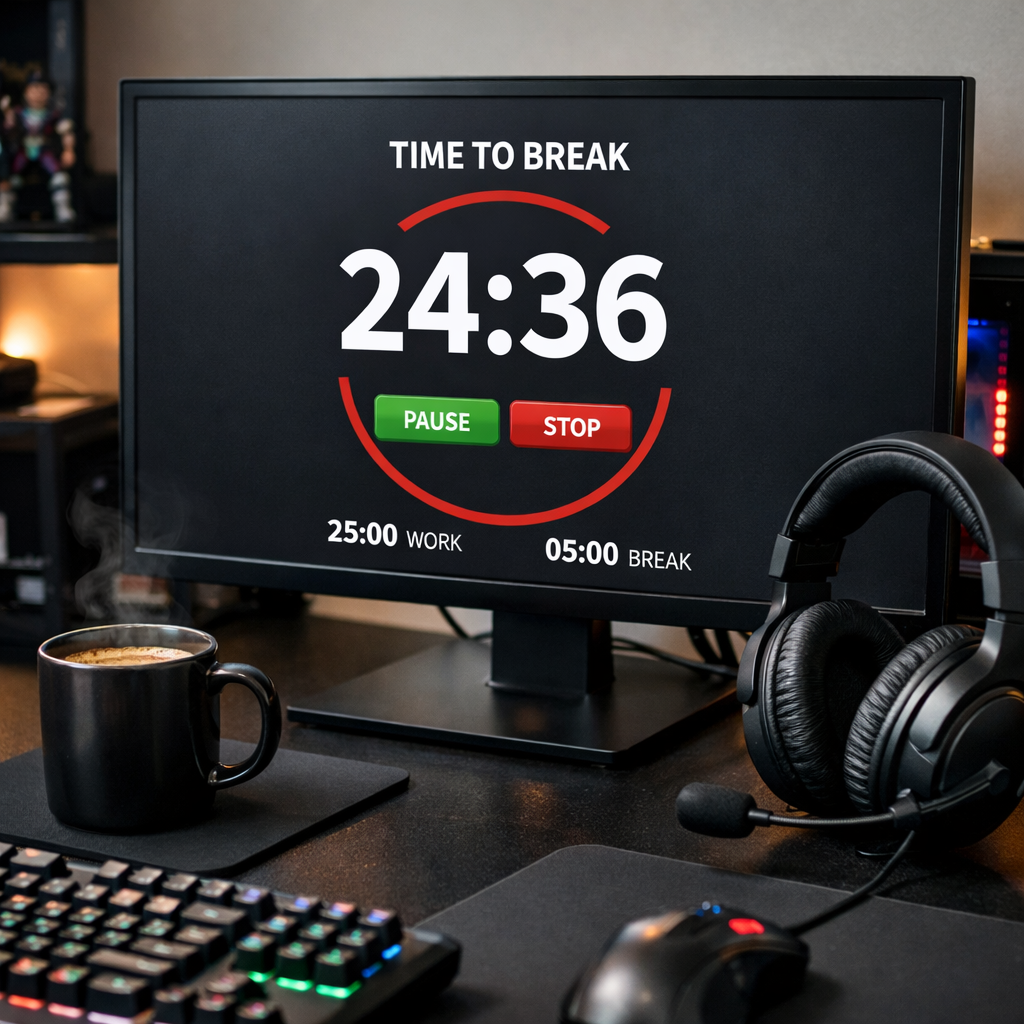
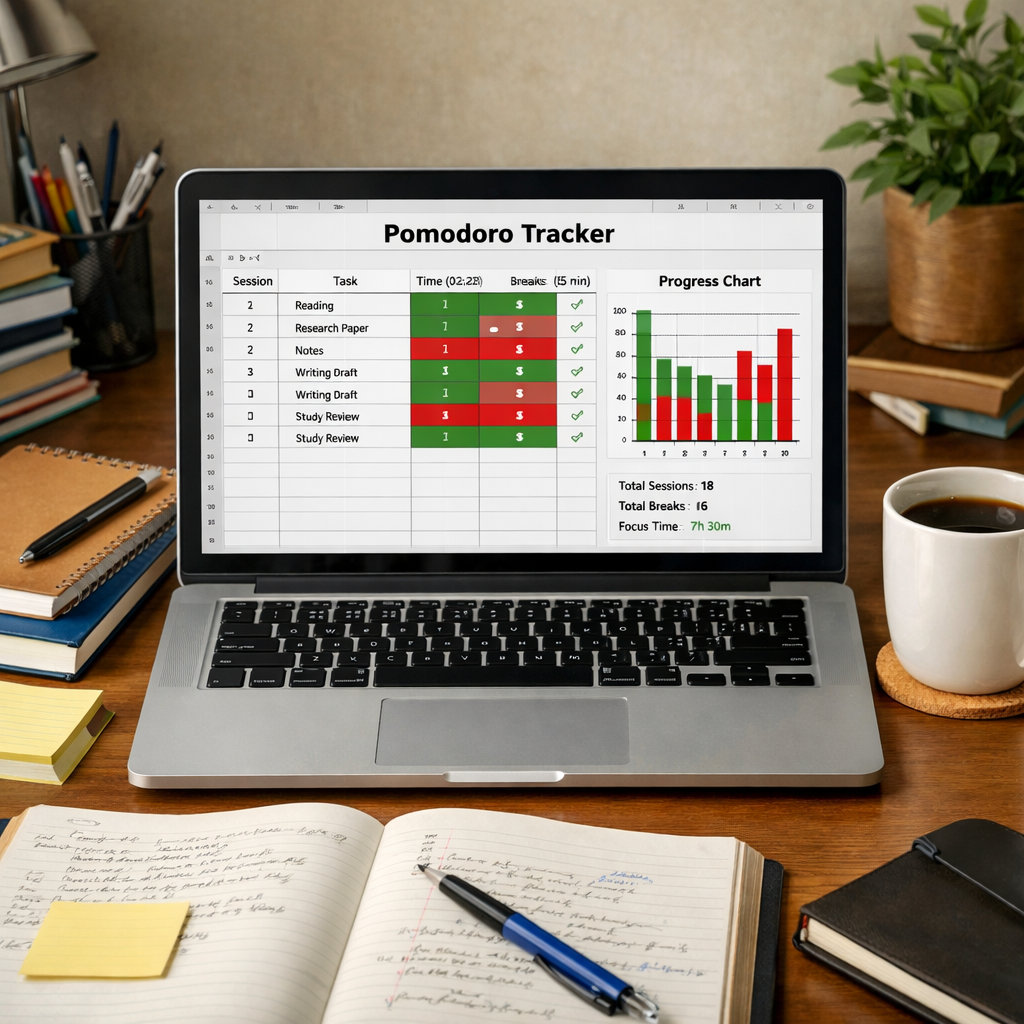
Not at all. Pair active recall with Pomodoro intervals—study for 25 minutes, then take a 5‑minute break. During the break, mentally quiz yourself on what you just covered.
What happens when you keep this rhythm? Your brain starts to anticipate the next question, and you get a sense of progress that fuels motivation.
Start small: after every chapter, set a timer for five minutes, close your notes, and jot down three questions you’d like to remember. Then, test yourself. If you’re wrong, read the answer, and repeat.
Remember, the goal isn’t to cram all the facts in one go but to build a network of memories that surface effortlessly. Try this routine tonight, and notice how fresh the material feels tomorrow.
TL;DR
Active recall study techniques turn passive reading into active memory building by forcing you to retrieve information on cue. Pair these flashcard‑style quizzes with Pomodoro bursts to keep focus sharp, boost retention, and turn cramming into a sustainable habit you’ll actually enjoy and you’ll feel more confident about exams today.
Step 1: Understand the Science Behind Active Recall
Imagine you’re trying to remember where you left your keys. Your brain goes through a quick mental search, right? That’s the same basic trick active recall uses—forcing your memory to work on the spot.
Active recall flips passive reading into a back‑and‑forth conversation with your brain. Instead of skimming the same line over and over, you ask yourself the question, try to answer, then check the answer. It’s like training a muscle; the more you flex it, the stronger it gets.
Studies show that retrieval practice is the single most effective way to cement information. When you pull a fact from memory, the brain builds a new pathway, making future access faster and easier. The hard part? It feels harder at the moment, but that “brain‑burn” is exactly what signals learning is happening.
So why does this feel so tough? Because the brain prefers the easy route—just re‑exposing the same content. Active recall forces you to hit the “hard” lane, which is where growth really happens.
For students juggling a textbook, for remote workers racing deadlines, or freelancers juggling multiple projects, the trick is the same: use short bursts of focused retrieval followed by a quick pause. That pause is where the brain consolidates.
In our experience, pairing this with a Pomodoro‑style timer keeps the energy high. After a 25‑minute study session, you take a 5‑minute mental quiz—no notes in sight. It feels like a game, and the brain loves gamified challenges.
Now, how do you start? Grab a piece of paper or a digital note. Write down a single concept or question you want to remember. Read it, cover the answer, and try to recall it. If you stumble, read the answer, then repeat the process. Repeat this for 3‑5 questions each session.
We’ve seen that students who stick to this routine notice a drop in cramming anxiety and an uptick in exam confidence. Remote workers report clearer focus when they break their day into retrieval chunks, and freelancers say it helps keep projects moving smoothly without the “brain fog” that comes from endless note‑scrolling.
Here’s a quick mental checklist you can copy right now: 1. Pick a concept, 2. Write a question, 3. Cover the answer, 4. Recall, 5. Check, 6. Repeat. That’s the skeleton of active recall.
Ready to try it? Download a quick template from YT Summarizer to create a concise list of key points, then test yourself with the same process.
We’re also excited to share a fresh prep guide that blends active recall with AI insights. Check out the Coach Prep Core GPT course for a step‑by‑step video walk‑through.
For those building a Shopify store, you can speed up content creation by pairing active recall with an automated content generator. The automated Shopify content tools review lists top options that can draft product descriptions after you feed in key facts.
Here’s a quick video that visualizes the whole retrieval cycle.
Take a minute to watch, then hit that 25‑minute timer and give active recall a whirl.

Step 2: Create a Structured Review Schedule
Remember the buzz from the last section? Active recall is great, but without a rhythm it’s just a scattershot. That’s why we’re putting a calendar to work in this step.
Pick Your Rhythm
Start by picking a base interval that feels doable. A 2‑day, 4‑day, or 7‑day window works for most folks.
Map the Spacing
Lay out your review days on a simple sheet or a sticky‑note grid. On day one you hit the new material, on day two you test yourself, then day five is a quick refresher, and day ten is a deeper dive.
Set Micro‑Deadlines
Break each review into 10‑minute bursts. That’s the sweet spot for focus and prevents the brain from sliding into autopilot. Use a timer, hit 10 minutes, jot down what you remembered, and then move on.
Track and Adjust
Keep a tiny log: date, topic, score, and a note about why it felt hard or easy. Over weeks you’ll spot trends—maybe the anatomy unit needs a second review at day four instead of day five. Tweaking is normal; the goal is a schedule that feels natural, not rigid.
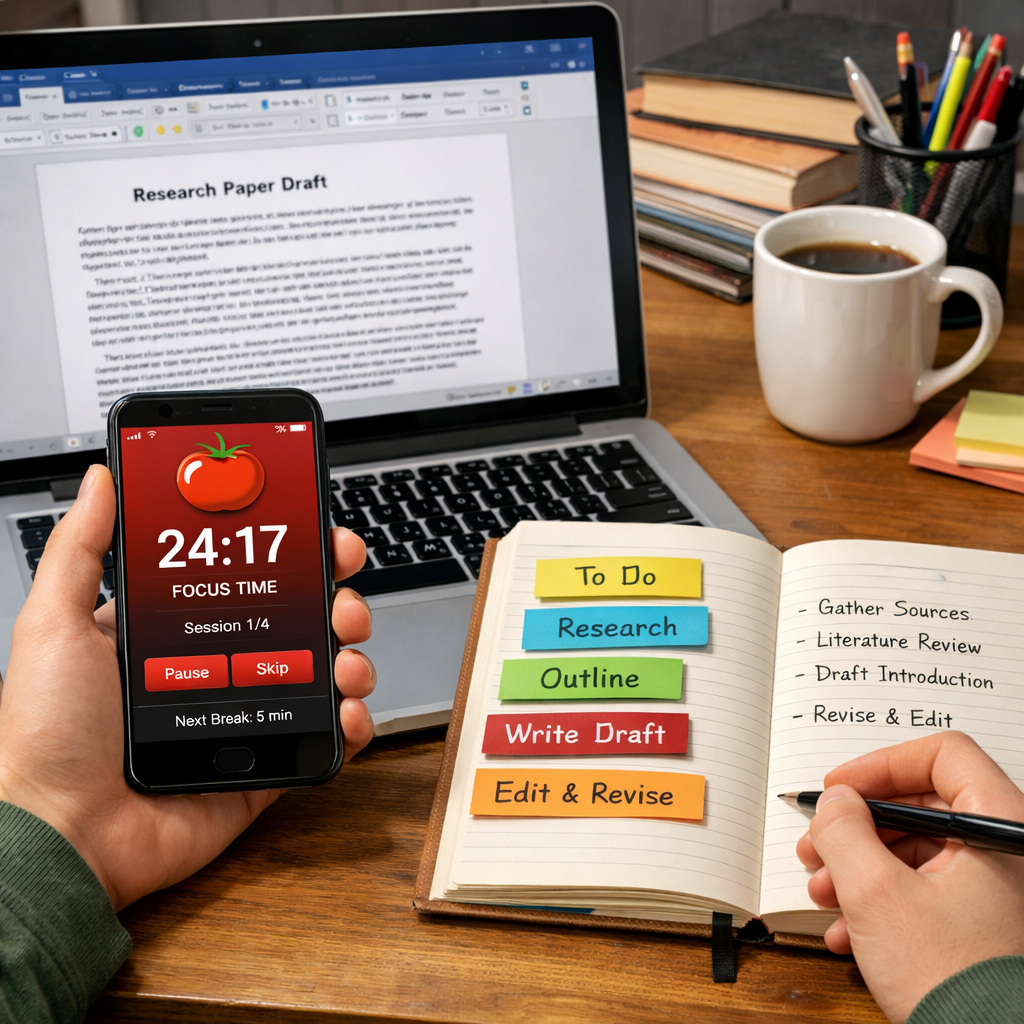
Now, here’s the kicker: pair this structure with Pomodoro. The Focus Keeper app nudges you to work 25 minutes, break 5. Slip your active recall flashcards into those 25‑minute bursts and you’re literally training the brain on autopilot.
Try it tonight: set the calendar, pick your rhythm, and fire up Focus Keeper. By tomorrow you’ll see a smoother flow, less cramming, and a pocket full of confidence. Ready to see the difference?
Use the Calendar as a Cue
When the calendar pops up, it’s not just a reminder—it’s a trigger that signals the brain to shift gears. Mark each review slot in a color that matches the difficulty of the topic: red for tough concepts, blue for review. That visual cue keeps you on track and reduces decision fatigue.
Leverage Alerts for Consistency
Most phones let you set a notification for a specific time. Use those alerts to start your 25‑minute Pomodoro right on the dot. If you skip the alarm, the habit’s lost—so make the alert a hard stop that’s almost impossible to ignore.
Reflect After Each Cycle
Spend the last 1‑2 minutes jotting what stuck and what didn’t. This quick reflection turns every session into a feedback loop, sharpening the next review and keeping the momentum alive.
The trick is to spread reviews just before your brain’s memory starts to waver. That’s the sweet spot of the forgetting curve. By nudging your brain at those moments, you lock the knowledge in more deeply. For a deeper dive into why this works, check out this guide.
If you’re a spreadsheet person, create a sheet with columns for date, topic, and review score. If you prefer a digital tool, a simple notetaking app will do the trick. The key is consistency, not complexity.
Step 3: Compare Popular Active Recall Methods
Now that you know the science, let’s look at the tools that bring it to life. Think of them as different flavors of the same core idea: pull the knowledge out of your head, then let your brain fire back. Below, we break down three of the most common approaches so you can pick the one that vibes with your workflow.
Flashcards: The Classic Workhorse
Flashcards force you to retrieve a single fact or definition. You write a question on one side, the answer on the other, and flip as often as you need. The beauty? You can mix in spaced‑repetition logic so the system reminds you just before the forgetting curve kicks in.
Use them when you’re tackling vocab lists, dates, formulas, or any bite‑size chunk that can be boiled down to a cue–answer pair. The visual cue + instant feedback loop makes it a quick win for daily micro‑sessions.
Self‑Quizzing Through Prompt‑Based Retrieval
Instead of static cards, write open‑ended prompts that mirror exam questions. For instance, after studying a chapter on photosynthesis, ask yourself, “Explain the steps of the light‑dependent reaction.” You answer without peeking at notes, then check accuracy.
This method trains you to produce full explanations, which is exactly what professors expect. It’s great for higher‑order thinking and works well with group study or one‑on‑one coaching.
Full‑Length Practice Tests: The Simulation Sprint
When a real exam is on the horizon, a mock test replicates timing, format, and pressure. You write the whole paper—multiple‑choice, short answer, problem sets—within a set time frame, then score yourself.
It’s the ultimate reality check; it highlights weak spots, tests stamina, and builds confidence. Try it a week before the exam and review the results to fine‑tune your strategy.
For more on how to structure each type of recall practice, read What is active recall strategies?
| Method | How It Works | Strengths | Ideal For |
|---|---|---|---|
| Flashcards | Question‑answer pairs with optional spaced‑repetition. | Fast, portable, great for rote memorization. | Vocabulary, dates, formulas. |
| Prompt‑Based Self‑Quiz | Open‑ended questions mimicking exam prompts. | Builds explanatory skills, deeper recall. | Conceptual chapters, discussion questions. |
| Full‑Length Practice Tests | Timed, full‑scale mock exams. | Real‑world pressure, comprehensive review. | Pre‑exam prep, performance anxiety reduction. |
Remember, the best method isn’t the one that feels easiest—it’s the one that keeps you pulling information naturally. If lecture videos pile up, consider summarizing them quickly with YouTube Video Summarizer with AI to feed into your flashcards or prompts. The key is to keep the brain in the retrieval game, not the passive reread mode.
Step 4: Incorporate Spaced Repetition with Active Recall
So you’ve nailed the basic retrieval loop—now it’s time to stretch that brain muscle with spaced repetition. Think of it like watering a garden: one splash keeps a plant alive, but you need a rhythm to make it thrive.
In our experience, pairing spaced intervals with active recall turns a quick hit into a lasting habit. Let’s break it down into bite‑sized moves that fit into any schedule, whether you’re a student, a remote worker, or a freelancer juggling a dozen projects.
Start Small, Think Big
First, pick a core set of flashcards or prompts—just a dozen or two for the day. The goal isn’t to cram; it’s to create a pool that you’ll revisit. When you answer one, the brain nudges you to review it again when it’s on the verge of slipping.
Use an app that can handle spaced schedules or even a simple calendar. The trick is to let the system remind you a few minutes before the forgetting curve kicks in, so you’re not left guessing when to study again.
Set a Smart Rhythm
Mark your first review right after the session—maybe 10‑15 minutes later. Then schedule the next revisit at 24 hours, then 3‑4 days, and finally a week. That 1‑2‑4‑10‑21‑45‑90 sequence is a proven pattern that most people find natural.
If you’re using Focus Keeper’s Pomodoro blocks, slot a 25‑minute study burst, take a five‑minute break, then pop back in with the same set of cards. The short bursts keep fatigue low, and the break gives your brain a chance to consolidate.
Track Your Wins
Keep a quick log—date, topic, score, and a note on why it felt tough or easy. When you see a trend, you can tweak the spacing: maybe a concept needs a second review a day later, or you can skip a repetition if you’ve nailed it.
What’s great is that you don’t have to be obsessive. A two‑column table, a sticky note, or even a note in your phone will do. The key is to see progress, not overwhelm.
Try recording a tiny anecdote: “I remembered the definition of photosynthesis after the first review, but the application step was shaky.” Those little stories help you remember where the gaps are, so you can target them next time.
Keep the Habit Alive
Every time you finish a session, ask yourself: “Did I feel the knowledge surfacing?” If the answer is “not quite,” add a quick micro‑quiz tomorrow. If you’re hitting it every day, the material starts to feel like a second skin.
Remember, the point isn’t perfection, it’s consistency. The spaced‑repetition engine will do the heavy lifting, and your active recall pushes the memory deeper each time.

Bottom line: Treat spaced repetition as a gentle nudge, not a deadline. Set up the schedule, plug it into your Pomodoro rhythm, and let the brain do the rest. The result? Long‑lasting retention that feels almost effortless when the exam clock starts ticking.
Step 5: Use Retrieval Practice with Flashcards and Mnemonics
We’ve already talked about how the brain loves to pull information out, so now let’s turn that into a concrete habit.
Why does retrieval practice feel like a workout? Because every time you pull a fact from memory, the neural circuit that holds it gets a little stronger. The University of York’s Subject Guides break that down nicely—check out their overview of active recall for a quick refresher.
First, build flashcards that ask one clear question on the front and keep the answer on the back. Keep it bite‑size; a single fact or a quick formula is ideal. Use paper, a notebook, or a simple app—just make sure the cue is obvious so the brain can launch the retrieval engine.
Want to make the answer stick? Turn the fact into a mnemonic. For example, to remember the four phases of photosynthesis, you could use the phrase ‘Light, Carbon, Oxygen, Light’ and picture a sunlit greenhouse. The mental image gives you a shortcut to the whole sequence.
Timing is everything. After you finish a study block, give yourself a 5‑minute ‘brain break,’ then grab a handful of cards. If you’re using Pomodoro, slot a 25‑minute review right after a 5‑minute break. If you’re not on a timer, aim for a 10‑minute micro‑review every hour. Need a visual walkthrough? Watch this quick demo on setting up flashcards on YouTube.
During each micro‑review, do a quick mental quiz—no peeking. If you get it wrong, flip the card, read the answer, and then repeat the question in a different way. This forces the brain to retrieve from multiple angles, cementing the memory.
Here’s a quick checklist you can print or jot on your phone:
- Pick 10 cards for today.
- Set a timer for a 25‑minute review.
- Answer, flip, repeat.
- Note any patterns that trip you up.
- Plan a second review in 24 hours.
Remember, consistency beats intensity. Even a single 10‑minute session a day outperforms a frantic all‑night cram. Keep the cycle going, and you’ll find the material surfacing on its own during exams. Give it a try tonight and see how much easier the next day feels.
One trick that really ramps up retention is to pair a mnemonic with a spaced‑review schedule. For example, write the mnemonic on one side of the card and the answer on the back. After you ace it, schedule the next review 24 hours later, then after 3 days, then a week. The brain locks the shortcut in, and when the exam buzz comes, the memory pops up like a familiar tune.
Step 6: Apply Active Recall in Real‑World Exam Settings
We’ve already built the muscle with micro‑sessions, now it’s time to bring that muscle into the exam room. Think of the test like a sprint: you’ve got a set of questions and a clock, and the only thing that can give you the edge is a practiced, rapid-fire recall. The trick? Keep the same Pomodoro rhythm but add a few tactical tweaks that make the practice feel like the real thing.
Set the Scene
Grab a copy of your past exam papers, or if you’re a student, just flip through your syllabus to pull out key topics. Mark the questions you’ve struggled with before, and make a list of them. That’s your “exam‑ready” deck.
Turn the Clock Into a Coach
Instead of a free‑form review, set a timer for 25 minutes. Tell yourself you only have 25 minutes to hit each question, just like the actual test. When the timer buzzes, move on. The mental pressure of the countdown forces your brain to retrieve faster and more efficiently.
Have you noticed how the brain likes a little urgency? It’s the same feeling you get when you’re sprinting through a timed quiz. That urgency primes the hippocampus to fire, making the retrieval stronger.
Simulate the Pressure
After you finish a question, pause for a second and picture the exam hall. Picture the light, the quiet hum, the weight of the pen. That sensory cue helps cement the answer in the same context it’ll be needed. Then move on to the next question.
So, what should you do if a question trips you up? Flip the card, read the answer, and then write a one‑sentence summary in your own words. This “re‑encoding” step is the secret sauce that turns passive recall into active memory consolidation.
Review with Purpose
At the end of the 25‑minute burst, jot down which questions felt easy and which felt fuzzy. Plan a quick 5‑minute break, then do a second 25‑minute sprint focused on the fuzzy ones. That second pass is where the spaced repetition kicks in, but it’s still framed as an exam scenario, so it stays relevant.
Remember, the goal isn’t to get every answer perfect on the first go. It’s to train your brain to retrieve quickly under time pressure and to recognize gaps early.
Wrap Up the Session
Close the session by writing a short reflection: “Today’s biggest challenge was X. Next time I’ll use Y.” That reflection is your personal feedback loop and keeps you accountable.
For remote workers or freelancers who juggle multiple projects, you can slot this practice into the same 25‑minute Pomodoros you use for work tasks. The key is consistency: a quick review each day keeps the memory fresh for the next exam.
By treating your review like the real thing, you’re not just practicing recall—you’re rehearsing the entire exam experience. The confidence that comes from this practice is the real win. Give it a shot before your next test and notice how the questions feel like open doors instead of closed locks.
FAQ
What exactly is active recall study technique and why does it matter?
Active recall is the act of pulling information out of your head instead of passively rereading it. It forces your brain to re‑engage the neural pathways that hold the knowledge, making the memory firmer and more durable. That’s why students who test themselves regularly score higher on exams—they’re training the brain to fetch facts quickly, not just recognize them.
Can I use active recall while juggling work deadlines as a freelancer?
Absolutely. Start with a quick 10‑minute Pomodoro of focused review, then take a short break to mentally quiz yourself on the key points you just covered. Repeating that cycle a few times keeps the information fresh without stealing hours from client work. In our experience, freelancers who integrate this habit see their study sessions shrink by up to 30 %.
What’s a good way to structure flashcards for active recall?
Write a clear question on one side and a concise answer on the other. Keep each card bite‑size—one fact, one definition, one formula. After answering, immediately flip to check. If you miss, reread the answer and then try again the next day. This “test‑learn‑retest” loop is the core of effective spaced repetition.
How does active recall work in group study settings?
Turn the group into a quiz circle. One person asks a question, another answers, then the group provides feedback or a different angle. This not only forces recall but also exposes you to varied phrasing. The social pressure of answering in front of peers keeps the retrieval effort high, reinforcing the memory more than silent practice.
Is active recall useful for long‑term retention or just quick cramming?
It’s both. The technique builds a foundation that lasts—each retrieval makes the memory path stronger, so you’re less likely to forget after weeks or months. Even when you’re cramming, a brief active recall session can boost recall accuracy for the material you’ll need in the next test.
How can I combine active recall with Pomodoro intervals without losing focus?
Set a timer for 25 minutes of study, then use the 5‑minute break to mentally quiz yourself on what you just covered. The brief pause lets your brain consolidate before the next burst. Repeat this pattern; you’ll find the rhythm naturally increases concentration, and you’ll finish each cycle with a clear sense of what you remember and what needs more work.
What are the biggest mistakes people make when using active recall?
Two common pitfalls: 1) Skipping the “wrong answer” step—if you don’t check immediately, the memory weakens. 2) Overloading with too many cards at once—this overwhelms retrieval effort. Keep the deck small, review consistently, and always revisit the material before it starts to slip.
Conclusion
Let’s wrap this up with a quick reality check: active recall study techniques aren’t some fancy trick— they’re a habit you can weave into any 25‑minute Pomodoro burst. Think about the last time you crammed and felt the memory slide. That’s why the brain loves retrieval over rereading: it’s a workout, not a passive scroll.
So, what’s the game plan? Pick one flashcard set or open‑ended prompt, hit the timer, and give yourself 5 minutes of brain‑break to mentally quiz. If you stumble, flip, re‑hear, and then test again tomorrow. Repeat. The rhythm is the secret sauce: it keeps focus high while the memory deepens.
For students, it means fewer all‑night sessions. For remote workers, it’s a quick way to keep project details fresh. Freelancers juggling gigs see their mental load shrink because the brain never has to start from zero. Busy pros find a few focused bursts a day can replace endless email chains.
In short, the magic isn’t in the tools, it’s in the consistency. Treat each 25‑minute window as a mini‑exam and watch retention climb. You’ve got the pieces; now it’s time to put them together.
Give yourself credit for every small win; that momentum builds a study rhythm that lasts.