Ever sat in a quiet library, notebook open, only to find yourself drifting into the rabbit‑hole of social media or the next Netflix episode? You’re not alone. Most students, freelancers, and remote workers hit the same wall: the brain loves novelty, and the mind resists staying glued to a single task long enough to produce real progress.
That’s where a solid study schedule steps in. It’s more than a calendar; it’s a map that tells you where to put your focus, when to take a breath, and how to turn hours of learning into measurable outcomes. Think of it like a GPS for your brain – it prevents you from wandering aimlessly and keeps you on track even when life throws curveballs.
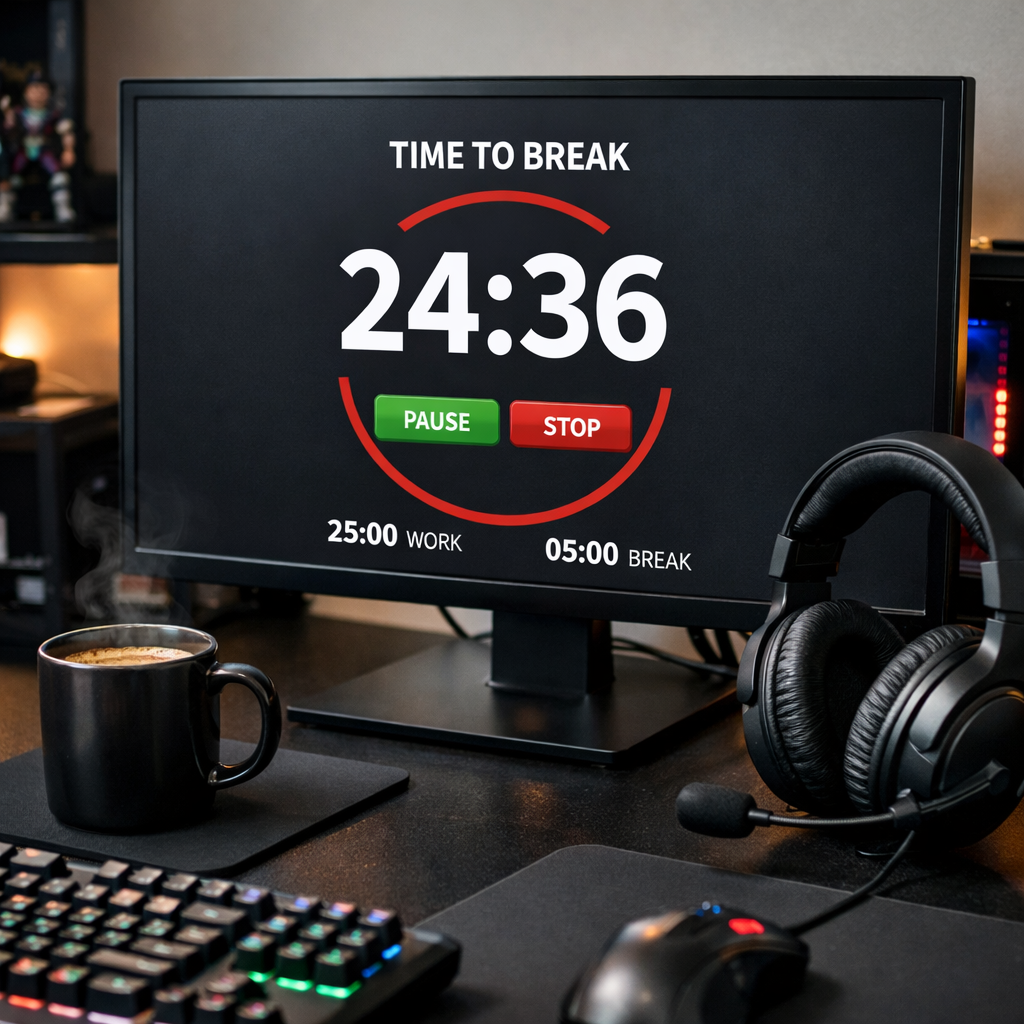
But what exactly does it look like? Picture this: you have a big exam in a month. Instead of cramming, you allocate 25‑minute blocks, interspersed with 5‑minute power naps. Every block is dedicated to a single topic, and each day ends with a quick 10‑minute review. That’s a schedule built on the Pomodoro Technique – the core of our tool, Focus Keeper.
Building one is surprisingly simple. Start by listing all the subjects, assignments, and deadlines. Next, estimate how many blocks you’ll need per topic. Finally, slot those blocks into your weekly calendar, leaving room for meals, exercise, and those dreaded “urgent calls.” For a step‑by‑step walkthrough, you can check out What is study schedule? – it breaks everything down into bite‑size pieces and shows you how to align your blocks with your personal rhythm.
Why is this so powerful? Because when the brain sees a clear, finite plan, it’s less tempted to wander. You also create a rhythm that your body starts to anticipate, turning study into a habit rather than a chore. Over time, you’ll notice fewer “I need to start” moments and more “I’m already halfway there” feelings.
And if you’re juggling video lectures, podcasts, or even YouTube tutorials, consider using a summarizing tool to distill the key points before you dive into a Pomodoro session. A handy resource that many students find useful is YTSummarizer – it turns lengthy videos into concise summaries so you can focus on what matters without losing precious time.
Ready to take the first step? Start by writing down what you need to learn, pick a 25‑minute block, and let Focus Keeper guide you through the rest. You’ll be amazed how much you can get done when you give your brain a clear, purposeful route.
TL;DR
Building a study schedule isn’t about rigid grids—it’s a flexible roadmap that keeps your brain focused and your mood upbeat. Pick 25‑minute blocks, slot them around meals and breaks, then review each day. This simple rhythm turns cramming into a calm, productive habit for students, freelancers, and remote workers alike.
Step 1: Identify Your Learning Goals
Let me be honest: you can’t nail a study schedule until you know what you’re aiming for. When you’re staring at a pile of topics, the brain feels paralyzed by choice. But when you name the exact outcomes you want, momentum shows up like magic.
If you’re a student, a remote worker, or a busy professional, this step matters more than you think. Goals turn vague ambition into concrete targets you can track. Without them, even the best pomodoro blocks start to drift and you end up chasing busierwork rather than real learning.
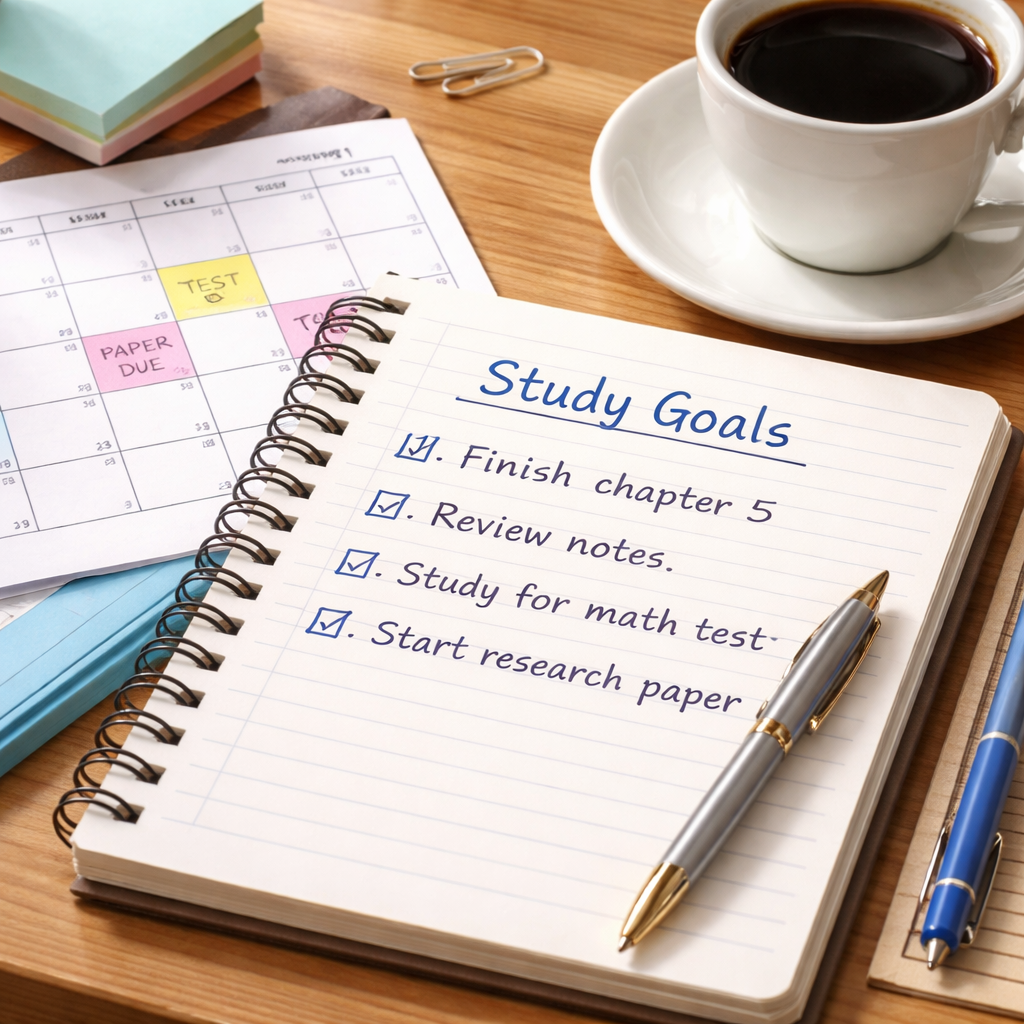
So, what should you do first? Start with three to five learning goals that are specific, measurable, and time-bound. For example, “explain the three core concepts of photosynthesis to a friend” or “solve 10 practice problems without notes.” The point isn’t perfection; it’s clarity you can act on.
Here’s what a solid goal looks like in 2026 terms: clear verb, precise content, and a deadline. You might say, “by the end of four weeks, I can summarize chapter 4 in my own words and teach it to a study buddy.” That scope is small enough to manage in a weekly block, but big enough to matter.
In our experience, grounding goals in real tasks helps you translate intent into action. It’s why Focus Keeper centers on turning goals into chunks you can tackle in a 25‑minute window. When you know exactly what you’re proving to yourself, you’ll reach for the next block before you even realize it.
Define the outcomes, not the hours
Think about the observable skill you’ll demonstrate, not the hours you’ll log. A goal like “understand concept X” is far less actionable than “draw and explain concept X, including its three applications, in 3 minutes.” The second framing makes it easier to test progress and stay motivated during a tough week.
Next, connect each goal to a deadline. If you’re building a three‑month plan, identify monthly milestones and weekly targets. That cadence matters because small wins compound into confidence and momentum.
Map your goals to topics, then estimate how many 25‑minute blocks you’ll need for each. You don’t need perfect precision—just a reasonable order of magnitude so your calendar doesn’t feel empty or overwhelming.
Alright, quick check: do you know your top three goals for the next four weeks? If not, grab a notebook and sketch them out. Then we’ll translate those goals into Focus Keeper blocks, so your study time becomes purposeful rather than a mystery you’re hoping to solve.
That video walks you through turning goals into concrete Pomodoro blocks. It’s a quick sanity check to make sure your plan isn’t just ambitious, but doable in the real world of your schedule.
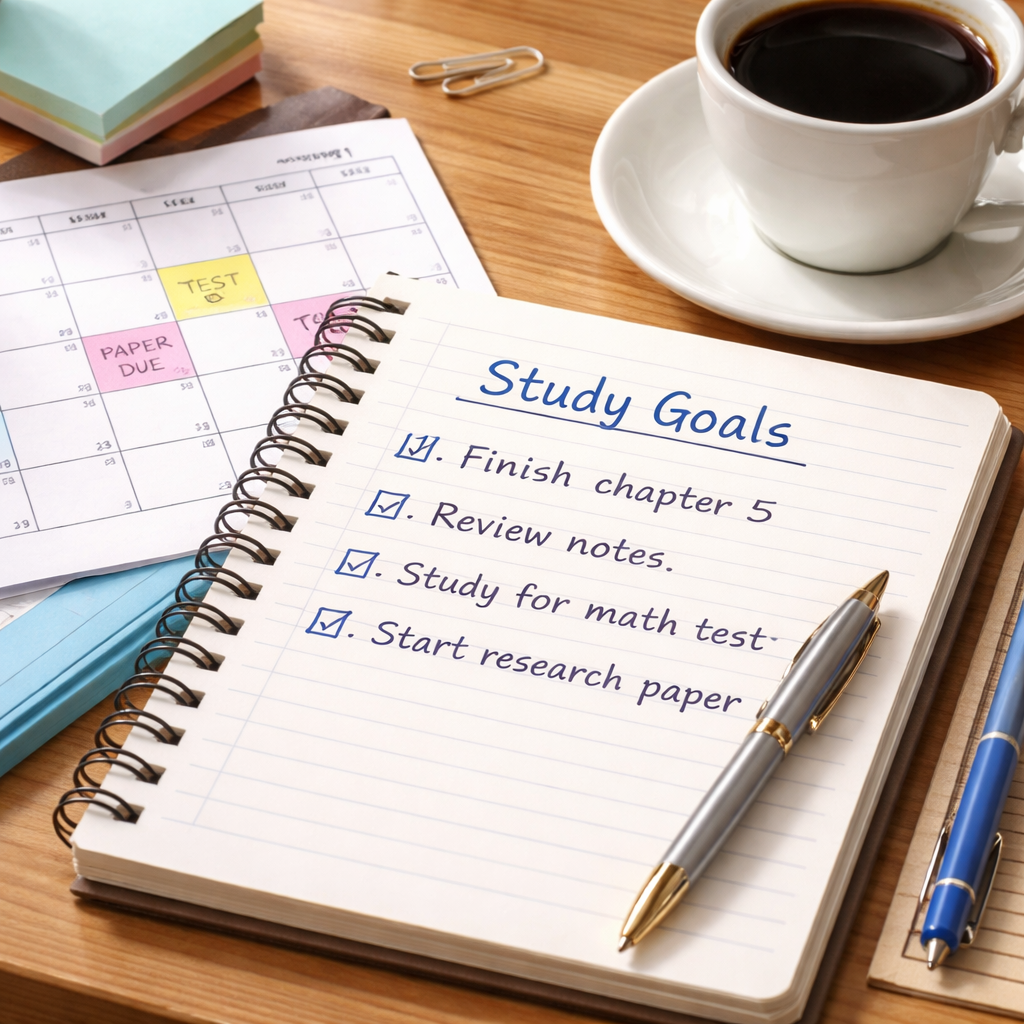
One more nudge: keep your goals flexible. Life shifts, deadlines change, and sometimes you’ll need to adjust the scope. The beauty of a goal-centered approach is that it stays useful even when the specifics wobble. You’re building a system, not chasing a fixed ideal.
In short, identify three to five precise learning goals, attach a realistic deadline, and sketch how you’ll demonstrate mastery. That’s the foundation for a study schedule you’ll actually use—and that keeps you moving forward, not just busy.
Step 2: Map Your Available Time
Okay, you’ve got your goals sketched out. Now it’s time to ask: how much real, uninterrupted brain‑fuel do you actually have on the calendar? That question is the hinge between a plan that looks great on paper and one that actually works every single day.
First, grab a blank sheet or open a note app—anything that feels low‑pressure. Don’t over‑think it; this is just a map, not a masterpiece.
Mark every fixed commitment: classes, meetings, family dinners, workout sessions, even that 7 p.m. call from a client. Write them as blocks with start and end times. You’ll see the holes that need filling.
Now, slide in the 25‑minute Pomodoro intervals. A quick rule of thumb: aim for at least three blocks before lunch and three after. If you’re a night owl, shift the bulk to late evening, but keep one in the early morning if you’re a morning person. Remember, the Pomodoro technique works best when the intervals line up with natural energy peaks.
Ask yourself, Do I really need that 30‑minute lunch break? If you’re hungry, a quick walk or a coffee can recharge you without eating into your study time. If you’re a multitasker, a 15‑minute stretch can feel like a mini‑break without killing the rhythm.
Here’s a real‑world example. Sarah, a freelance graphic designer, starts her day at 8 a.m. She slots a 25‑minute Pomodoro to review the client brief, then a 5‑minute break. She repeats that cycle three times, finishes a 20‑minute buffer, and then jumps to a 25‑minute coding session. By mapping her day, she spots that her afternoon slump hits around 2 p.m. She plugs a 25‑minute Pomodoro into that slot and, surprisingly, the rest of the day runs smoother.
Another case: Tom, a remote software engineer, has a daily stand‑up at 10 a.m. He charts his day and sees a large gap from 11 a.m. to 3 p.m. He breaks that block into four Pomodoros, adding a quick walk between every two. The result? He finishes his sprint tasks earlier and has time for a quick catch‑up call at 5 p.m.
To keep the map flexible, use a color code: green for study, blue for meetings, red for breaks. A visual cue lets you spot bottlenecks instantly. If you’re using a digital calendar, most platforms let you drag and drop blocks—just like a puzzle.
Don’t forget the ‘buffer’ zones. Life is messy. A 10‑minute buffer before a meeting lets you finish a Pomodoro cleanly without a scramble. And a 15‑minute buffer after a big deadline helps you reflect on what worked.
What if a deadline sneaks up last minute? Keep a small ‘overflow’ zone in the evening. Reserve it for the occasional urgent task. It keeps the bulk of your day intact while giving you breathing room.
Now, a quick sanity check: Are the Pomodoros clustered around the times you’re naturally alert? If you’re a night person, shift more blocks to the evening. If you’re a morning lark, start with the toughest material right away.
Finally, at the end of the week, sit with the map for five minutes. Celebrate the blocks you hit, tweak the ones that felt rushed, and roll into the next week with a clearer picture.
Step 3: Choose the Right Study Techniques
Now that you’ve mapped out your goals and time, it’s time to pick the tactics that’ll turn those blocks into real progress.
Know Your Learning Style
Everyone’s brain does a slightly different dance. Some folks read the whole chapter, then feel a gap; others need to hear it, talk it, or move around while they learn. A quick self‑check can save you from picking a technique that feels like a chore.
Ask yourself: do you feel more engaged when you write notes, draw diagrams, or rehearse aloud? If you’re the “write it to remember it” type, flashcards or mind‑maps will light up your brain. If you’re a mover, try walking through the material or turning it into a short video you record.
Mix It Up With Active Techniques
Passive rereading is a major time‑wasp. Active learning pushes your brain to form connections instead of just skimming. You can turn any topic into an active session by asking questions, solving problems, or teaching someone else.
Try the Feynman Technique: pick a concept, explain it as if you’re teaching a friend who knows nothing about it, and spot the gaps. When you hit a hole, go back to the source, fill it in, and try explaining it again. It’s a quick way to make the material stick.
Another quick win is the flashcard method. Write the question on one side, answer on the other, and quiz yourself. Flip through a set of 10–15 cards every 15 minutes during a Pomodoro. You’ll feel a rhythm that keeps your focus humming.
And for those visual learners, diagramming is a lifesaver. Sketch a flowchart that connects the key points of a lecture. Even a doodle can trigger memory pathways that plain text never touches.
Why Active Learning Works With Pomodoro
The Pomodoro Technique thrives on short bursts of deep focus. Active learning dovetails perfectly: each 25‑minute block is a micro‑lesson you can finish with a quick reflection or practice question.
Start each Pomodoro by setting a tiny, specific goal: “Explain the causes of the French Revolution in my own words.” End it by jotting one question you still have. That habit turns the timer from a timer into a mini‑assessment.
When you combine active methods with timed intervals, you keep the brain in a constant state of productive challenge—exactly what Focus Keeper’s design aims for. The app’s visual timer and gentle nudge help you stay on track without feeling like a clock‑watch.
Get the Most of Your Time
Use the Pomodoro rhythm to alternate between study and short breaks. During breaks, stretch, sip water, or look out the window. This movement resets your attention span, making the next 25 minutes feel fresh.
Try a “study‑technique swap” after a week. If you’ve been mainly reading, add in a quick quiz or a teaching session. If you’re doing a lot of problem sets, pair them with a summary or a peer discussion. Small switches can keep the routine from feeling stale.
Finally, review your techniques at the end of each week. Ask yourself, “Which method helped me remember the most? Which felt forced?” Then tweak your upcoming blocks accordingly.
Want a deeper dive into how active learning can supercharge your study sessions? Explore 17 active learning strategies that are easy to slot into your Pomodoro schedule.
So, what’s the next move? Pick one active technique you feel drawn to, fit it into a 25‑minute slot, and watch the knowledge stick. Your brain will thank you, and your schedule will stay tight and purposeful.
Step 4: Build Your Weekly Plan
Now that you’ve mapped your goals and your calendar, it’s time to stitch those pieces into a living, breathing weekly plan.
Think of it like cooking a batch of meals for the week. You list the ingredients, then you decide which day each dish goes on, balancing flavors and timing. The same goes for study blocks.
First, pull out a blank sheet or open a digital note. If you’re a student, maybe you’ll use a whiteboard; if you’re a freelancer, a spreadsheet might be easier.
Mark your high‑priority goals at the top. For a remote worker, that might be “complete the client audit” or “finish the data visualization tutorial.” For a busy professional, maybe “review the quarterly report” or “plan the next team sprint.”
Now, slot those priorities into your calendar. Start with the most urgent or the one that feels most draining—tackling it when your energy is fresh makes the rest of the week smoother.
Use color coding: green for deep work, blue for meetings, yellow for breaks. Seeing the colors shift on your screen or paper instantly tells you if you’re over‑loading or under‑utilizing a day.
Don’t forget the “buffer” slots. A 10‑minute buffer before a meeting lets you finish a Pomodoro cleanly. A 15‑minute buffer after a deadline is a moment to jot what worked or didn’t.
Try this quick template: Monday—9 am–12 pm: Study block 1, break, Study block 2; 1–2 pm: Lunch break; 2–5 pm: Meetings + project work. Repeat the pattern, tweaking as life throws curveballs.
One thing that trips people up is assuming all days need the same pattern. Your brain isn’t a clock. If you’re a night owl, schedule heavier tasks for the evening and lighter, review‑type work in the morning.
Here’s a mini‑story. Maya, a freelance copywriter, used to cram her weekly content calendar at 10 pm. She switched to a structured plan: 10 am–12 pm for research, 1–3 pm for drafting, and 4–5 pm for client emails. She noticed her deadlines became easier to meet and she felt less burnt out.
Remember that your weekly plan isn’t a rigid contract. It’s a framework you tweak weekly. After a Friday review, jot down what fell through and why. Maybe you’re under‑estimating the time a research paper needs—then adjust the next week.
When you hit a snag, ask yourself: “Did I over‑promise or under‑plan?” If you’re constantly missing blocks, trim the scope of a goal or add a buffer. If you’re breezing through, you might have room to add another study block.
Also, integrate micro‑breaks inside long blocks. The Pomodoro Technique encourages a 5‑minute pause after 25 minutes, but you can extend the pause to 10 minutes if you need a stretch or a quick walk—just make sure to time it back to the next block.
Do you ever feel stuck? Use the “one‑minute rule.” Pick a task, set a timer for one minute, and start. If you’re still on it after a few minutes, you’ve proven the task is worth the block. If you’re not, move on and re‑evaluate.
Finally, wrap the week with a quick recap. List the blocks you hit, the ones you missed, and the lessons learned. A simple bullet list can guide you into next week’s plan.
And here’s the kicker: the more you practice this planning ritual, the faster your brain will align with your schedule. Your mind starts expecting the rhythm, turning study into a habit, not a chore.

Step 5: Optimize and Review
We’ve already built your blocks, mapped your day, and filled in the content. Now it’s time to fine‑tune and make sure everything keeps humming. Think of this step as the final polish on a freshly built bike: you’re checking the brakes, tightening the seat, and making sure the gears shift smoothly.
1. Run a Mini‑Trial
Pick one Pomodoro set—maybe the hardest chapter or the biggest project deadline—and run it through the Focus Keeper timer. Notice if you’re losing focus halfway, if the timer feels too long, or if the break feels rushed. Don’t be shy about tweaking the 25‑minute length; 20 or 30 minutes can work if it feels natural.
So, what should you do next? Write a quick note: “I felt drained after 18 minutes, so I’ll shorten the next block.” That tiny adjustment can save you a headache later.
2. Add Buffers Wisely
Life loves to slip in the unexpected. When you review your calendar, look for 5‑minute gaps that can become safety nets. If you have a 9‑am lecture followed by a 9:30‑meeting, a 15‑minute buffer lets you finish a Pomodoro cleanly and walk into the meeting fresh.
Did you know that 40% of students report that “just a few minutes of downtime” keeps them from burning out? A quick buffer can be that lifesaver.
3. Sync with Your Energy Peaks
Not everyone’s brain wakes up at 6 a.m. If you’re a night owl, front‑load the tough material in the evening. If you’re a morning person, tackle the heavy stuff before the coffee kicks in.
Here’s a trick: use the Focus Keeper dashboard to see when you’re hitting your most productive streaks. If the data shows you’re at 70% focus from 3‑5 p.m., slot your toughest review then.
4. Review Like a Coach
At the end of each week, set aside 10 minutes to walk through your calendar. Highlight the blocks that stuck, the ones that slipped, and the goals that felt off‑target. Ask yourself: “Was the buffer too long? Did I mis‑estimate the time needed?”
Then, tweak the next week’s plan. This cycle of reflection and adjustment is what turns a static schedule into a living, breathing tool.
5. Keep an Eye on the Big Picture
Every few weeks, step back and look at your cumulative progress. Are you meeting your milestones? Are certain topics still hanging? If a theme keeps popping up, maybe you need more practice or a different study technique.
Remember, optimization isn’t about adding more work—it’s about making what you already have work smarter.
Quick Checklist Before You Hit “Go”
- Have you tested each Pomodoro length?
- Are buffers placed around high‑energy times?
- Is the schedule realistic for your life?
- Did you review and tweak last week’s plan?
- Is there a visual cue (color code) to spot over‑booking?
Tool Spotlight: Study Planner Research
Want a deeper dive into how planners can shape your success? A recent guide on this study planner resource shows that integrating visual cues and buffer zones reduces 40% of student‑reported stress.
| Feature | Tool/Method | Why It Helps |
|---|---|---|
| Time‑boxing (Pomodoro) | Focus Keeper timer | Breaks work into digestible chunks, boosts focus |
| Color‑coded blocks | Digital calendar or paper planner | Instant visual status, reduces decision fatigue |
| Buffer zones | 5‑15 minute slots | Prevents spill‑over, keeps rhythm intact |
Now you’ve got the final tweaks. Grab your planner, fire up Focus Keeper, and give yourself the chance to glide from block to block without stumbling. If the plan feels off, revisit step three and adjust. You’ve earned this smooth ride.
Step 6: Stay Motivated and Flexible
We’ve built the schedule, mapped the day, and fine‑tuned the blocks. Now it’s time to keep the engine running without the burn‑out that creeps in after weeks of steady grinding.
Listen to the rhythm of your own energy
Every day feels different. The morning coffee might wake you up, but the afternoon slump hits hard. Instead of forcing a rigid 25‑minute block when your brain is buzzing, match the task to the time of day.
Think of a freelance designer who clocks a 2‑hour coding sprint right after lunch, when their mind is fresh. A student might tackle the toughest math problem at 9 a.m. before the first bell rings.
Build in smart buffers
Life throws curveballs. A client call, an unexpected family call, a sudden spike in email. Buffer slots of 5‑15 minutes between blocks give you breathing room to finish a Pomodoro cleanly or shift a task without scrambling.
When you finish a 25‑minute study, pause for a breath, stretch, or grab a glass of water. A quick stretch keeps circulation up and prevents the “I’m stuck” mental block.
Shake up the routine when motivation dips
Feeling the study grind? Swap the technique you’re using. If you’ve been doing straight reading, try a quick Feynman recap or flashcard drill. Mixing methods keeps the brain guessing and reduces fatigue.
Picture a student who flips from reading to a 5‑minute mind map after 20 minutes of notes. The fresh visual cue jumps back the focus spike and gives a new sense of progress.
Set mini‑celebrations for every win
When you hit a block or finish a topic, reward yourself with a small treat: a coffee break, a 5‑minute walk, or a quick check on a favorite social feed. These micro‑celebrations reinforce the habit and keep motivation alive.
Don’t over‑indulge, but give yourself a moment of “I did this” pride. That tiny dopamine hit is a powerful ally against procrastination.
Use the data that Focus Keeper gives you
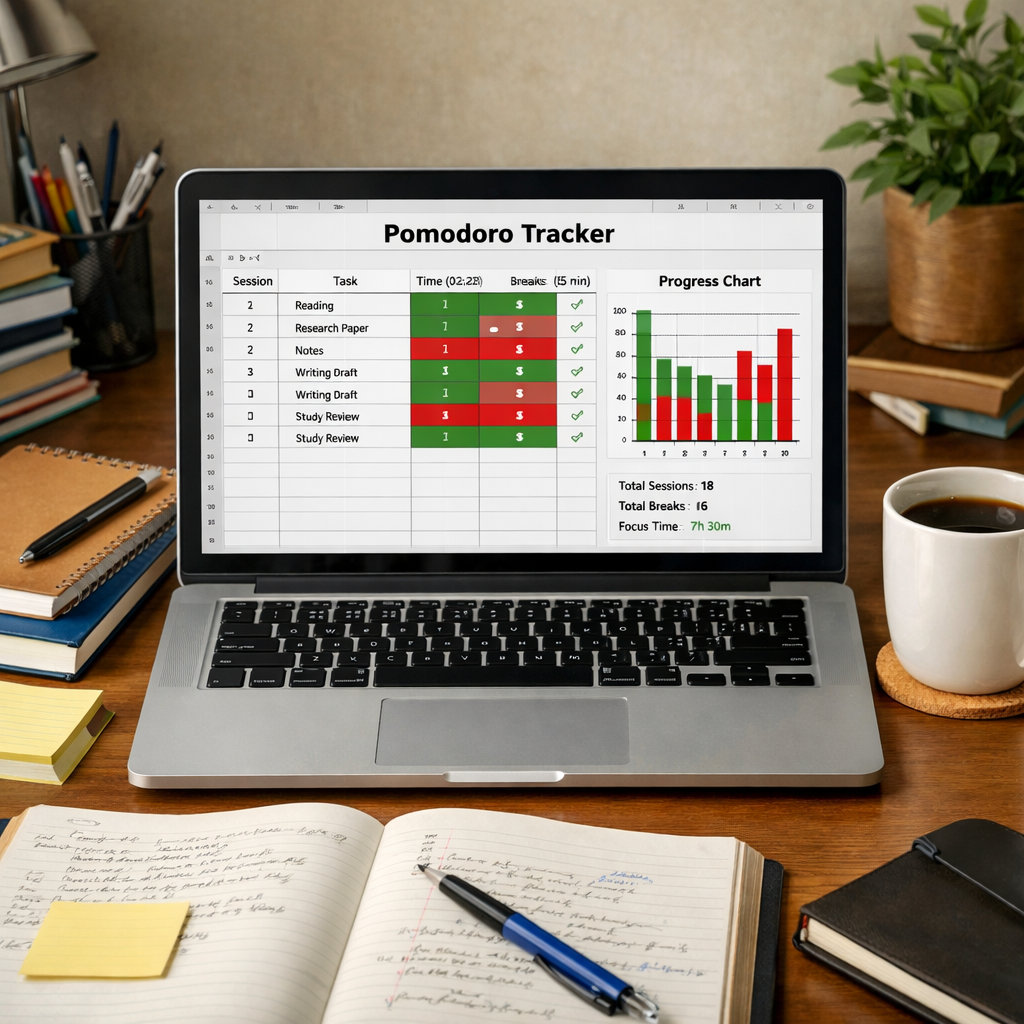
Your timer isn’t just a stopwatch. It records focus streaks, pause frequency, and peak productivity times. Open the dashboard, note the 70 % focus window, and slot your hardest review during that slice.
Seeing the numbers in action turns abstract motivation into concrete evidence that the schedule works.
Keep the endgame in view
Revisit your learning goal each week. If a topic keeps slipping, it might need a shorter, more frequent block or a different learning method. Flexibility is not a sign of failure—it’s a strategy for success.
Remember, a schedule that can shift when life changes keeps you on track longer than a rigid plan that breaks when an email pops up.
Quick actionable checklist
- Match tasks to your natural energy peaks.
- Insert 5‑15 minute buffers between blocks.
- Switch learning techniques every few weeks.
- Celebrate each completed block.
- Review Focus Keeper metrics weekly.
- Adjust goals if a topic feels out of reach.
Want to dive deeper into how motivation shifts over long study periods? This resource explains how to keep the drive up through the semester.
Need a practical example of a flexible schedule? Read how busy students build adaptable plans.
And remember, consistency beats intensity. Even a single 25‑minute block each day builds momentum faster than a marathon of late‑night cram. Stick with the rhythm, tweak when needed, and watch the results roll in.
FAQ
What is the first step I should take when I’m overwhelmed by a pile of assignments?
Start by jotting every task on a single sheet—no filtering, just everything. Then, for each line, add a quick 5‑minute estimate of how long you think it will take. Once you see the list, pick the top three that carry the biggest weight or deadline. Those become the anchors for your daily Pomodoro blocks, so the rest of the day has a clear purpose.
How do I decide where to slot my 25‑minute Pomodoros in a day that’s already full?
Map out the fixed commitments first—meetings, meals, and any unavoidable calls. Then look for natural energy peaks, like the morning after coffee or the early evening before wind‑down. Place your hardest study blocks during those peaks. Keep a 5‑minute buffer on either side to finish a Pomodoro cleanly and transition without rushing.
Can I mix study techniques, like reading and flashcards, within the same schedule?
Absolutely. Design a mini‑cycle: spend 15 minutes reading, then 10 minutes on flashcards, and finish the 25‑minute slot with a quick recap or practice problem. The variety keeps your brain engaged, and the Pomodoro rhythm ensures each activity gets a focused burst without feeling like a marathon.
What should I do if I hit a mental wall halfway through a Pomodoro?
Pause the timer, breathe, and do a 30‑second stretch or look out the window. When you return, write down the single question that’s blocking you. Tackling that question immediately often clears the fog, and the 5‑minute break gives your brain a reset so the next 25 minutes feel fresh.
How can I track whether my schedule is actually boosting my focus?
Use the Focus Keeper dashboard to log focus scores for each block. Notice the times when you hit your highest scores—those are your sweet spots. Over a week, compare the number of completed blocks to the ones you planned. If you’re missing many, adjust the length of the Pomodoro or shift the block to a different part of the day.
What’s a quick way to re‑energize after a long study day?
Schedule a 10‑minute walk, a short stretch routine, or a quick creative doodle right after your last block. These micro‑breaks reset dopamine levels and prevent burnout. Even a quick sip of water or a few minutes of deep breathing can make the transition from study mode to downtime smoother and keep your motivation steady.
Conclusion
All right, we’re at the finish line. You’ve mapped goals, timed blocks, and learned the rhythm of the Pomodoro. It feels a bit like a workout but for your brain.
What’s next? Start treating those blocks like appointments you can’t miss. The clock is a friend, not a foe, when you let it guide you.
You’ve seen that a 5‑minute stretch after 25 minutes lifts focus more than any caffeine boost. Keep that ritual simple and repeat it daily.
Remember, the goal isn’t perfection—just progress. When a block feels fuzzy, jot the hiccup and tweak the next one. Flexibility beats rigidity any day.
If you’re a student, use the first two blocks of the morning to tackle the toughest chapter. Remote workers, slot the hardest task right after the team stand‑up.
Wrap up each day with a quick 5‑minute review: what worked, what didn’t, and one win you can brag about. Celebrate those wins like a mini victory dance.
Finally, keep the momentum by setting a 30‑second reminder for tomorrow’s first block. The habit will grow faster than you think—just keep showing up.
You’ve got this. Your schedule is the map, not the destination. Let it guide, adjust, and enjoy the journey.