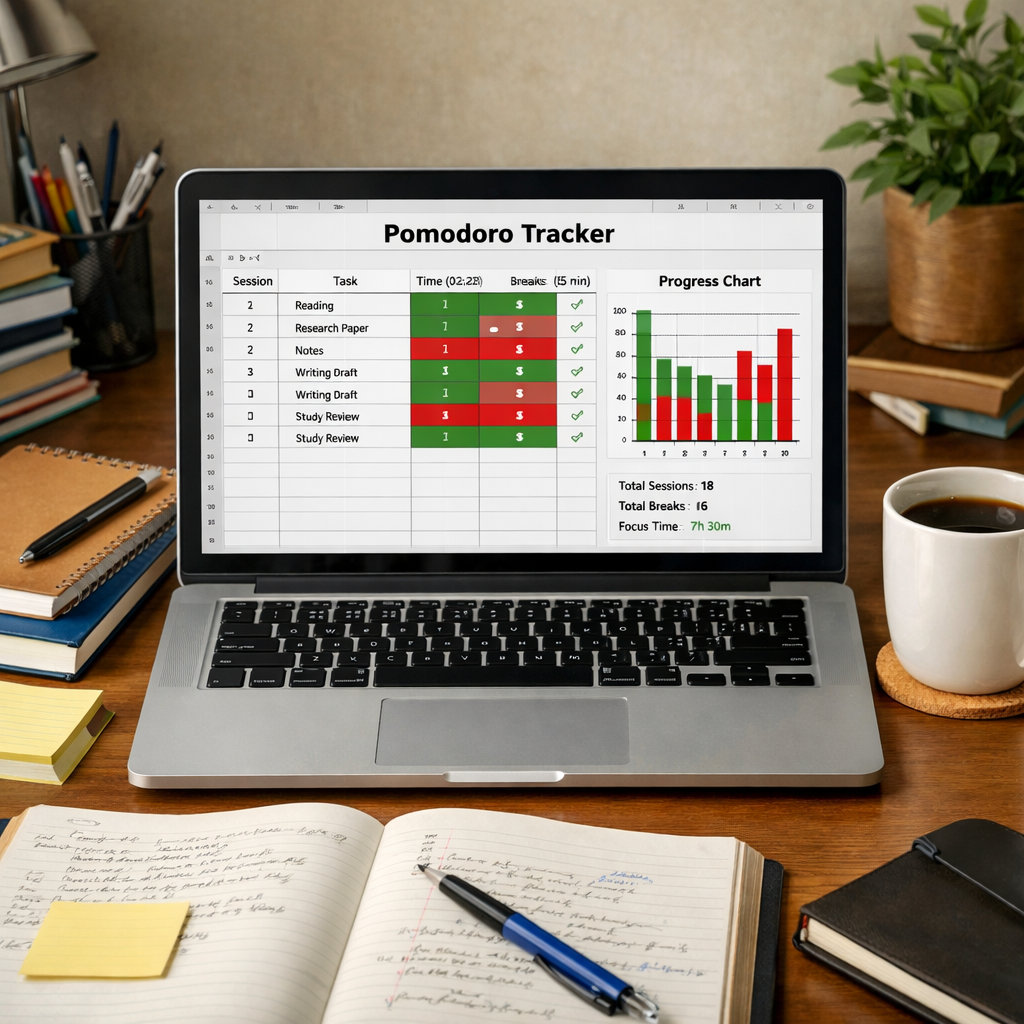

Trying to get work done with ADHD can feel like a constant battle against your own brain. You know you need to focus, but your mind keeps wandering. It’s frustrating, right? Well, what if I told you that working in short, focused bursts could actually be the secret weapon you need? This approach, often called time-chunking or interval training for your brain, is a game-changer for managing ADHD productivity. Forget trying to force yourself into long, unbroken stretches of work. Instead, let’s explore how short work intervals ADHD can help you harness your focus and get more done, without feeling completely drained.
Key Takeaways
- Short work intervals, often around 20-30 minutes, can be highly effective for individuals with ADHD, helping to maintain focus and prevent overwhelm.
- Structuring your day with time-chunking, including specific strategies for morning, afternoon, and end-of-day transitions, supports consistent productivity.
- Utilizing tools like visual task management systems, external timers, and gamification can provide the necessary external structure and dopamine hits for ADHD brains.
- Learning to harness hyperfocus responsibly by segmenting projects and setting clear boundaries prevents it from becoming a distraction or causing burnout.
- Creating an ADHD-friendly work environment by minimizing distractions, incorporating movement, and optimizing lighting, alongside building sustainable habits with self-forgiveness, is key to long-term success.
Embracing Short Work Intervals ADHD

Okay, so let’s talk about this whole ‘short work intervals’ thing, especially when your brain is wired a bit differently, like with ADHD. For a long time, the standard advice was to just ‘focus harder’ or ‘push through.’ That rarely works, right? It’s like trying to hold water in a sieve. The real game-changer for many of us with ADHD isn’t about brute force focus, but about working with our natural attention rhythms. This means embracing the power of short, intense bursts of work, followed by intentional breaks. It’s about acknowledging that sustained, unbroken concentration can be a huge ask, and instead, we can build productivity around our capacity for focused energy.
The Power of Focused Bursts
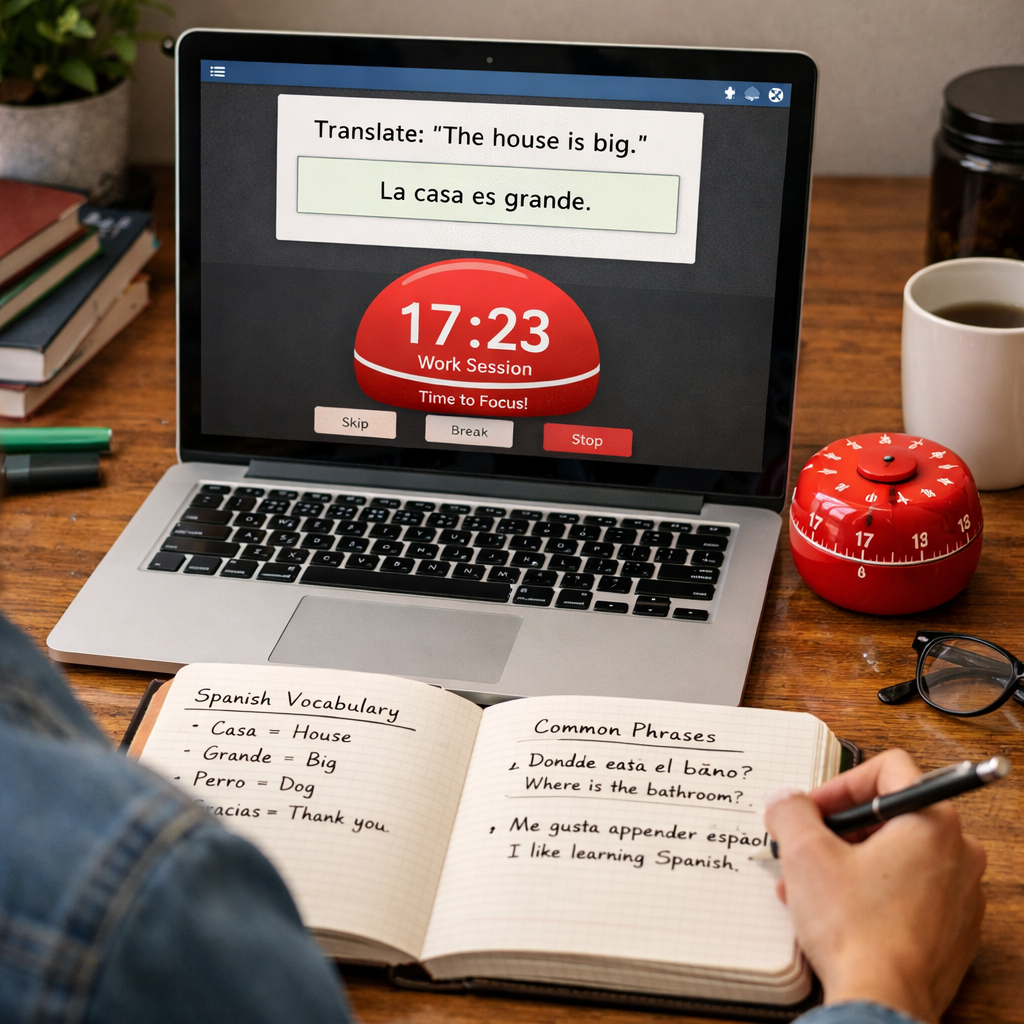
Think of your attention span like a muscle. You wouldn’t try to lift a car with it, but you can definitely do a few reps with a manageable weight. Short work intervals, often called ‘time-boxing’ or inspired by techniques like the Pomodoro method, are designed to work with this. Instead of aiming for an hour of uninterrupted work, you aim for 15, 20, or 25 minutes of really dialed-in effort. During these bursts, the goal is to be fully present with the task at hand. Because the time is limited, it feels less daunting, and the urgency can actually help cut through distractions. The key is to make these bursts count, giving them your undivided attention.
Understanding ADHD and Attention Spans
It’s not that people with ADHD can’t focus; it’s that our focus is often involuntary and highly variable. We might hyperfocus on something that grabs our interest, losing all track of time, but struggle to start or stay on task with something less stimulating. This isn’t a moral failing; it’s how our brains are wired. Traditional work structures, which often demand long periods of sustained, self-directed attention on potentially uninteresting tasks, can feel like a constant uphill battle. Recognizing this variability is the first step. We need strategies that work with this pattern, not against it.
The goal isn’t to force your brain into a box it wasn’t built for, but to create a system that allows your unique strengths to shine while managing the challenges.
Tailoring Intervals to Your Needs
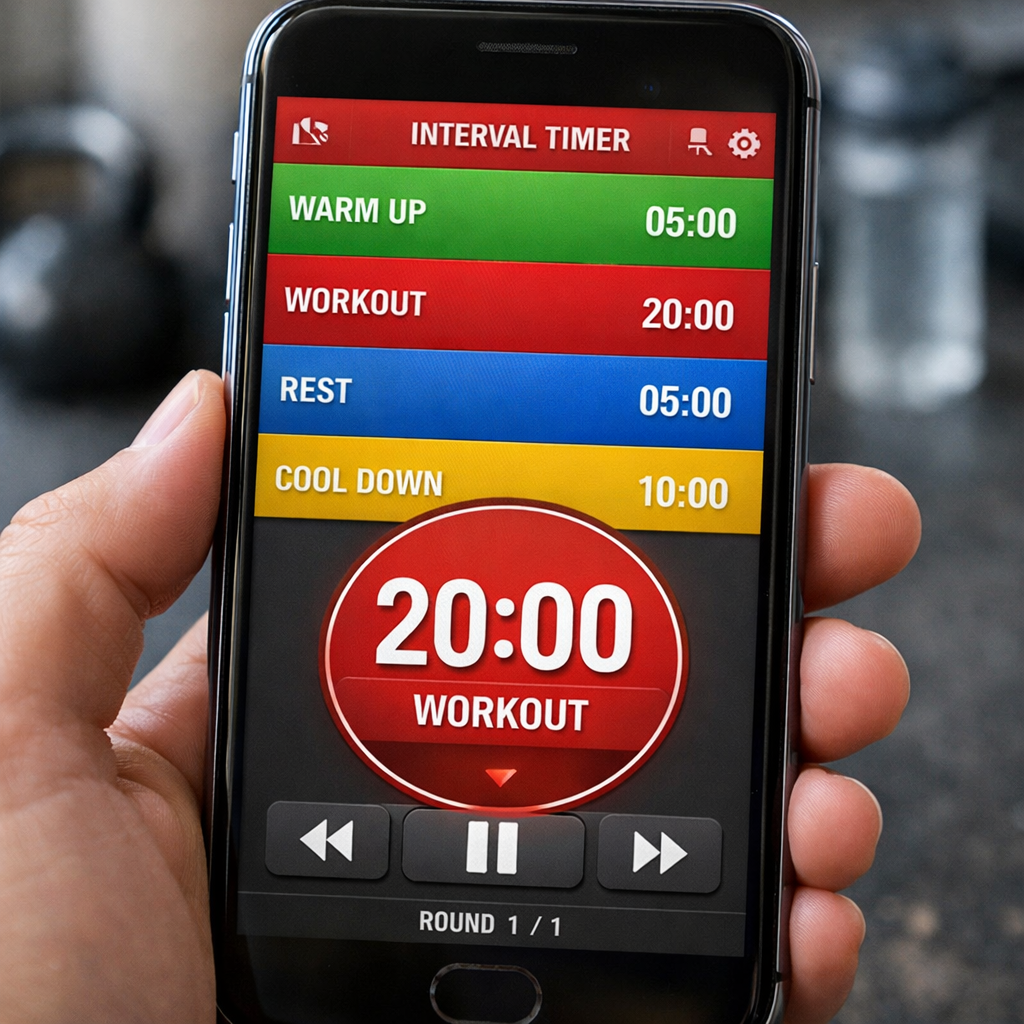
Here’s the thing: there’s no one-size-fits-all magic number for work intervals. What works for one person might not work for another, and what works for you on a Monday might not work on a Friday. It’s about experimentation. Some people find 25 minutes on, 5 minutes off to be perfect. Others do better with shorter bursts, maybe 15 minutes on and 3 minutes off. The important part is to:
- Start small: Don’t try to go from zero to 30-minute intervals overnight.
- Listen to your body and brain: Notice when your focus starts to wane. That’s your cue for a break.
- Experiment with different timings: Try 10, 15, 20, or 25-minute work blocks and see what feels most productive.
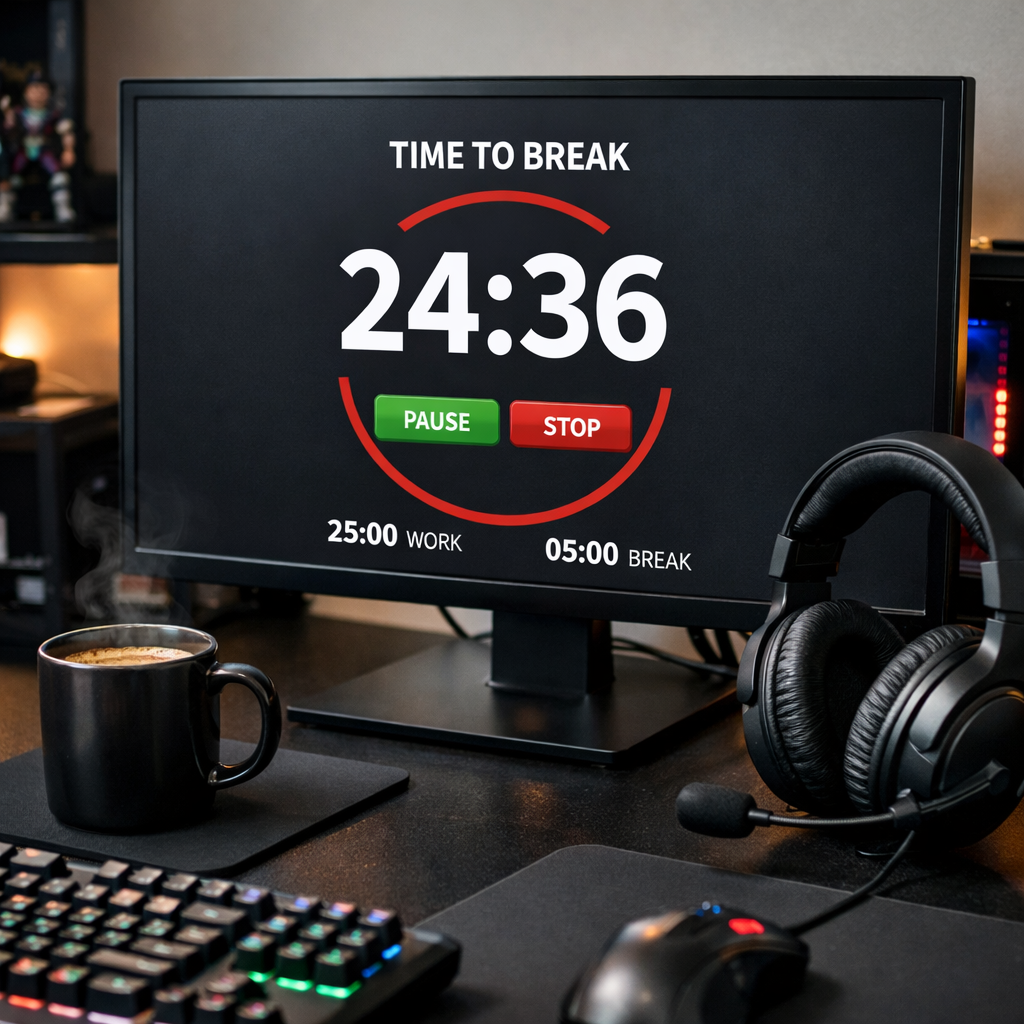
- Use a timer: An external timer is your best friend here. It provides a clear signal for when to start and, more importantly, when to stop and rest.
This approach turns productivity into a series of manageable sprints, making big projects feel less overwhelming and helping you maintain momentum throughout the day.
Structuring Your Day with Time-Chunking
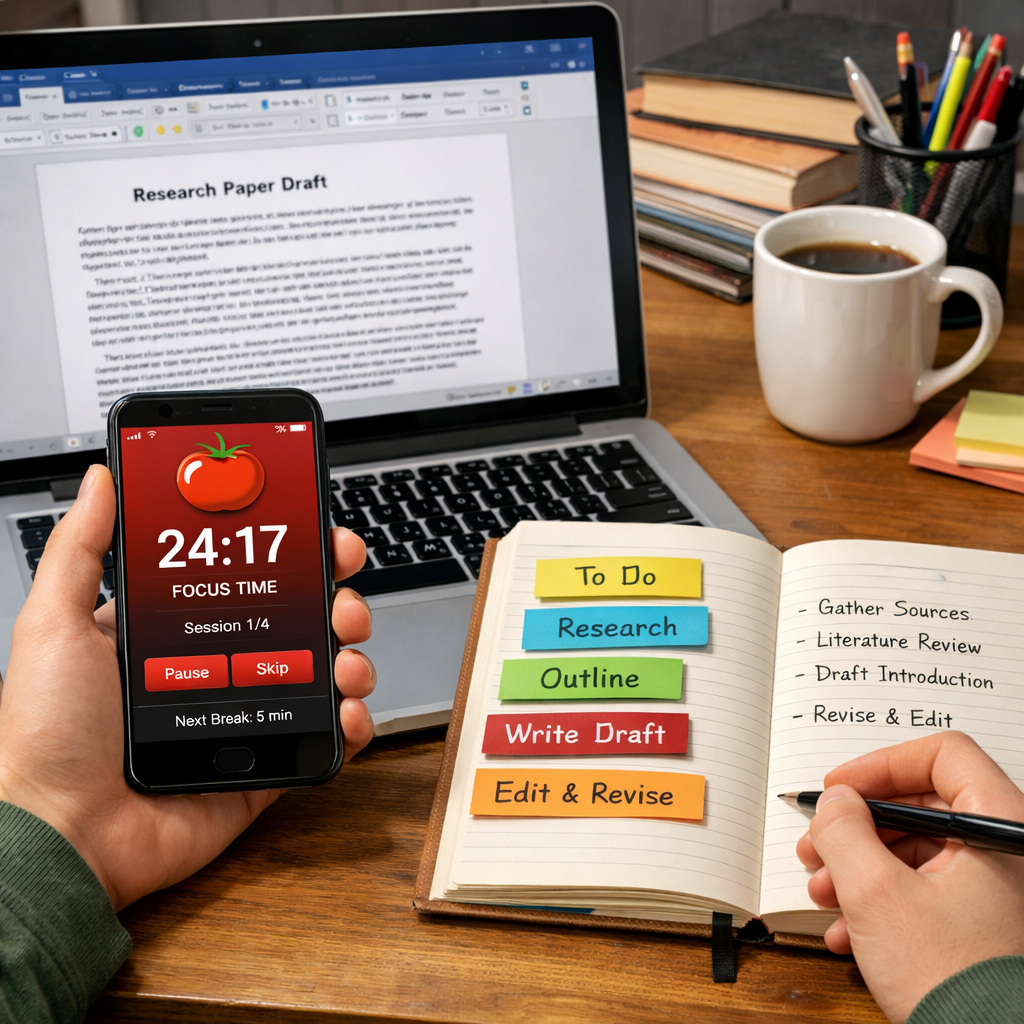
Okay, so we’ve talked about the power of short bursts, but how do you actually fit those into a whole day? That’s where time-chunking comes in. Think of it like breaking down a big, overwhelming project into smaller, manageable pieces. Instead of just "work on report" for three hours, you’re looking at "write introduction – 25 mins," "research section 1 – 25 mins," and so on. This makes things feel way less daunting.
Morning Productivity Boosts
The morning is often prime time for focus, especially if you’ve prepped the night before. Lay out your clothes, get your workspace ready, and jot down your top three priorities. Starting with a small, quick win can set a really positive tone for the rest of the day. Try to resist the siren song of your phone’s notifications right away; that email checking can wait a bit. You want to build momentum, not get sidetracked before you even begin.
Navigating Afternoon Energy Dips
Let’s be real, afternoons can be tough. That post-lunch slump is a common enemy. This is where active breaks become your best friend. Get up, stretch, walk around for a few minutes, or just grab some water. Even a quick five-minute walk outside can do wonders for resetting your focus and mood. Think about brain-friendly snacks too – things with protein and less sugar can help keep your energy more stable, preventing those jarring crashes.
Intentional End-of-Day Transitions
Wrapping up your workday is just as important as starting it. A good "shutdown routine" helps your brain switch gears. This means closing out your emails, tidying up your desk a bit, and updating your task list so you know exactly where to pick up tomorrow. Spending just five minutes reflecting on what went well and what could be better can make a big difference over time. Then, consciously transition away from work – maybe with a hobby or some relaxation. Your ADHD brain needs clear boundaries between "work mode" and "personal time."
Breaking your day into these smaller, focused chunks isn’t just about getting more done; it’s about making the process less stressful and more sustainable. It’s about working with your brain, not against it.
Leveraging Tools for ADHD Productivity
Okay, so sometimes our brains just don’t want to cooperate, right? That’s where tools come in. They’re not magic bullets, but they can seriously help bridge the gap when focus feels like a slippery fish. Think of them as your personal assistants, but way less likely to spill coffee on your keyboard.
Visual Task Management Systems
For those of us with ADHD, ‘out of sight, out of mind’ is a real thing. If a task isn’t staring you in the face, it might as well have vanished into another dimension. That’s why visual systems are gold. They keep your to-dos front and center, making it harder to forget what needs doing.
- Kanban Boards: These are great for seeing the flow of work. You can have columns like ‘To Do,’ ‘Doing,’ and ‘Done.’ Moving a task card from one column to the next gives you a little hit of accomplishment.
- Whiteboards and Sticky Notes: Don’t underestimate the power of a good old-fashioned whiteboard or brightly colored sticky notes. Jot down your most important tasks and stick them where you can see them constantly. Seriously, put them on your monitor, your fridge, your bathroom mirror – wherever you’ll see them.
- Floating Task Managers: Apps like Forget are designed to keep a task list visible on your screen without being annoying. It’s like a persistent reminder that doesn’t demand your full attention until you’re ready for it.
External Timers and Alarms
Time can be a tricky concept when you have ADHD. Hours can fly by, or minutes can drag on forever. External timers are your best friend for creating structure and signaling transitions.
- The Pomodoro Technique (with a twist): The classic 25 minutes on, 5 minutes off can be a starting point. But honestly, you might find 15 minutes on, 3 minutes off works better, or even 45 minutes on, 10 minutes off. Experiment to find your sweet spot.
- Visual Timers: These are fantastic because you can see time literally disappearing. It’s less abstract than just a number ticking down.
- Phone Alarms or Smart Speakers: Set recurring alarms not just for starting work, but for taking breaks, switching tasks, or even just standing up and stretching. These act as external cues to help you re-center.
Gamification for Dopamine Hits
Let’s be real, sometimes tasks are just plain boring. Our brains crave novelty and reward, and gamification taps into that. It turns mundane chores into something a bit more engaging.
- Habit Tracking Apps: Apps like Habitica turn your daily tasks into a role-playing game. You level up, earn rewards, and battle monsters (metaphorically, of course) as you complete your to-dos.
- Reward Systems: Decide on small, immediate rewards for completing specific tasks or work intervals. This could be a short break to listen to a song, a quick scroll through social media, or a tasty snack.
- Progress Bars: Seeing a visual representation of your progress, like a filling progress bar in an app or even just coloring in a box on a checklist, can be surprisingly motivating.
Relying on tools isn’t about being dependent; it’s about being smart. These aids help manage the executive function challenges that come with ADHD, allowing your natural strengths to shine through. They provide structure and external cues that your brain might not generate internally, making tasks feel more manageable and less overwhelming.
Remember, the goal isn’t to find one perfect tool, but to build a toolkit that works for you. What helps one person might not help another, so don’t be afraid to try different things until you find what clicks.
Harnessing Hyperfocus Responsibly
Hyperfocus can feel like a superpower for those with ADHD. When you’re in the zone, you can accomplish an incredible amount. But it’s a double-edged sword, right? It’s easy to get so lost in one task that the rest of your day, or even your week, just disappears. We need to learn how to use this intense focus without letting it derail everything else.
Segmenting Large Projects
Big projects can feel overwhelming, and that’s often when hyperfocus kicks in, but it can lead to getting stuck on one tiny piece. The trick is to break down those massive tasks into smaller, manageable stages. Think of it like eating an elephant one bite at a time. You can hyperfocus on completing just one stage, like research or outlining, before you even think about the next. This gives you a clear endpoint for your intense focus session and makes the overall project feel less daunting. It’s about creating defined goals within the larger goal.
Setting Boundaries for Deep Work
This is where setting up some guardrails becomes really important. You want to allow yourself to get into that flow state, but you also need to know when to pull back. A good way to do this is to schedule your deep work sessions. Decide beforehand how long you’ll dedicate to a specific task. Maybe it’s 90 minutes, maybe it’s two hours. Once that time is up, you need to have a plan for what comes next, even if it’s just a short break.
Using Alarms to Re-Center
This might sound simple, but it’s incredibly effective. Set alarms! Seriously. Use your phone, a kitchen timer, or a dedicated app. Set them to go off every hour, or even every 45 minutes, during your focused work periods. When the alarm rings, it’s your cue to pause, take a breath, and check in. Are you still on track? Do you need to switch tasks? Have you forgotten to eat or drink water? These little nudges help you stay grounded and prevent you from losing hours without realizing it. It’s a way to gently pull yourself back from the edge of hyperfocus when needed. Learning to manage ADHD hyperfixation involves identifying triggers and establishing boundaries [e35c].
Here’s a quick look at how to structure your hyperfocus sessions:
- Define the Task: Clearly state what you aim to achieve in this session.
- Set a Timer: Decide on a duration and set an alarm.
- Work Intensely: Dive in and focus solely on the defined task.
- Alarm Rings: Pause, assess, and decide on the next step (break, switch tasks, continue).
- Transition: Move to your next planned activity, whether it’s another work block or a break.
Creating an ADHD-Friendly Work Environment

Okay, so you’ve got your work intervals sorted, maybe you’re even using a timer. That’s awesome! But let’s talk about the space you’re actually in. Your surroundings play a bigger role than you might think, especially when your brain likes to jump around. Making your workspace work for you, instead of against you, can be a total game-changer.
Minimizing Visual and Auditory Distractions
Think about it: if your desk looks like a tornado hit a craft store, and there’s a constant buzz of notifications or background noise, your brain is going to have a field day trying to focus on just one thing. It’s like trying to listen to a whisper in a rock concert. We need to dial that down.
- Declutter Ruthlessly: Start with your desk. Seriously, take everything off. Put back only what you absolutely need for the task at hand – your laptop, maybe a notebook, a pen. Everything else? Into drawers, cabinets, or a designated ‘out of sight’ spot.
- One-Task Focus: Only have materials related to your current project visible. If you’re writing a report, put away the supplies for that side project you were thinking about yesterday.
- Sound Shield: Invest in some decent noise-canceling headphones. They’re not just for blocking out office chatter; they can mute the neighbor’s lawnmower or the TV your roommate is watching.
- Background Noise Control: If silence is too loud, try a white noise machine or an app that plays gentle sounds like rain or a fan. Sometimes a steady, predictable sound is way less distracting than random noises.
The goal here isn’t to create a sterile, boring environment, but one that actively supports your focus by removing unnecessary sensory input. It’s about making it easier for your brain to latch onto what matters.
Incorporating Movement into Your Workspace
If you find yourself fidgeting, pacing, or just feeling antsy, that’s your ADHD brain telling you it needs to move. Fighting that urge is exhausting. Instead, let’s work with it.
- Standing Desk Option: If possible, a desk that lets you switch between sitting and standing is fantastic. It keeps the blood flowing and can help you feel more alert.
- Active Seating: Consider a stability ball or a wobble cushion. They engage your core and allow for subtle movement while you’re seated, channeling that restless energy.
- Desk Pedals: For those who really need to burn energy, under-desk cycles or elliptical machines can be surprisingly effective for getting some movement in without leaving your workspace.
Optimizing Lighting and Ambience
Lighting can seriously mess with your mood and energy levels. What works for one person might not work for another, so some experimentation is key.
- Natural Light is King: If you can, position your desk near a window. Natural light is great for your mood and can help regulate your sleep cycle.
- Light Temperature: Some people focus better with cooler, bluer light, while others prefer warmer, softer light. Try different bulbs or smart lighting systems to see what feels best for you at different times of the day.
- Avoid Glare: Make sure your screen isn’t reflecting light from windows or overhead fixtures. This can cause eye strain and make it harder to concentrate.
Building Sustainable Productivity Habits
Okay, so we’ve talked a lot about how to be productive with ADHD, using short bursts and fancy tools. But let’s be real, sticking with anything long-term can feel like trying to herd cats, right? Especially when your brain decides it’s more interested in that dust bunny over there than the important report due tomorrow. Building habits that actually last isn’t about willpower alone; it’s about being kind to yourself and making tiny, consistent changes.
The Importance of Self-Forgiveness
First off, let’s get this straight: ADHD is not a moral failing. Some days, you’ll be on fire, crushing tasks like a productivity ninja. Other days? You might struggle to even get out of bed, and that’s perfectly okay. Beating yourself up when you slip is the fastest way to derail any progress. Instead, try to treat yourself like you would a friend who’s having a rough time. Acknowledge the difficulty, take a breath, and then figure out what small step you can take right now. It’s not about being perfect; it’s about being persistent.
Making Micro-Adjustments Daily
Forget trying to overhaul your entire life overnight. That’s a recipe for burnout. The real magic happens in the small stuff. Think about it: if a particular work interval length isn’t working, don’t just ditch the whole system. Maybe it’s just five minutes too long, or maybe you need a different kind of break. Try tweaking it by just a minute or two each day, or swap your usual stretch break for a quick walk around the block. These tiny shifts are way easier for your brain to accept and adapt to, and they add up over time.
Here’s a quick way to think about it:
- Identify one small thing that felt off yesterday.
- Brainstorm one tiny change you could make today.
- Try that change without judgment.
- Notice how it feels – no pressure to make it permanent.
Seeking Support and Community
Seriously, you don’t have to go it alone. Finding your people can make a huge difference. This could be a friend who also struggles with focus, an online forum for people with ADHD, or even a coach who really gets it. Sharing your wins (no matter how small!) and your struggles with others who understand can be incredibly motivating. Plus, sometimes just hearing that someone else is dealing with the same weird brain quirks you are can make you feel a lot less alone. It’s like having a built-in cheering squad and a problem-solving team all rolled into one.
Wrapping Up: Your New Productivity Toolkit
So, we’ve talked a lot about how breaking work into smaller chunks, like those short bursts of focus with breaks in between, can really make a difference, especially if your brain works a bit differently. It’s not about working harder, but smarter, using your natural energy cycles to your advantage. Think of it as giving your brain the structure it needs without feeling overwhelmed. By trying out these techniques, you’re not just trying to get more done; you’re building a more sustainable way to work that respects how you actually function. It might take a little experimenting to find what works best for you, but the payoff – feeling more in control and less stressed about your tasks – is totally worth it. Give these short interval methods a shot, and see if they don’t help you conquer your day.
Frequently Asked Questions
What are short work intervals and why are they good for ADHD?
Short work intervals, like the Pomodoro Technique, mean working hard for a short time, then taking a quick break. For people with ADHD, this is helpful because it’s easier to focus for a short burst than for a long time. The breaks help reset your brain so you can focus again.
How can I figure out the best work interval length for me?
Everyone’s brain is a little different. Start with a common time, like 25 minutes of work and 5 minutes of break. See how that feels. If it’s too long, try shorter work times, maybe 15 or 20 minutes. If you can focus longer, great! The key is to find what keeps you focused without getting too tired or bored.
What’s the best way to structure my day using these short intervals?
You can use time-chunking to plan your day. For example, dedicate your morning to tasks that need more focus, like creative projects. In the afternoon, when energy might dip, tackle easier tasks or meetings. Always plan in your short work intervals and breaks throughout.
Can tools really help with ADHD productivity?
Yes, absolutely! Tools like visual timers, task apps that show your progress, or even simple alarm clocks can be super helpful. They act as reminders to switch tasks or take breaks, which is something our brains with ADHD can struggle with on their own.
What is hyperfocus and how do I use it without losing track of other things?
Hyperfocus is when you get really, really into a task and can focus intensely for a long time. It’s great for big projects! To use it wisely, break big tasks into smaller parts and focus on just one part at a time. Set alarms to remind yourself to check in, take a break, or switch to another important task so you don’t forget everything else.
How do I make sure these new habits stick?
It’s important to be kind to yourself. Some days will be better than others. Instead of getting upset, just try to make small changes each day to get back on track. Celebrate your successes, even the small ones, and don’t be afraid to ask for help or join a group of others who understand.