
Dealing with ADHD can make focusing feel like a constant uphill battle. You know you need to get things done, but a million other things seem to pop into your head, or the world around you just pulls your attention away. It’s not about lacking willpower; it’s about how your brain works. The good news is, there are smart ways to manage this and actually reduce distractions ADHD throws your way. Let’s explore some simple, real-world tips to help you get more done without feeling so scattered.
Key Takeaways
- Set up your space to help you focus. This means clearing out clutter and finding a quiet spot, maybe even using headphones to block noise. It’s all about making your environment work for you, not against you.
- When random thoughts pop up, jot them down quickly in a notebook or on a sticky note to deal with later. This ‘parking lot’ technique helps clear your mind so you can get back to what you were doing.
- Give your brain the stimulation it needs. This could be using colorful pens, listening to background noise like white or brown noise, or even using a fidget toy. Just make sure it helps you focus, not distract you more.
- Tackle the hardest tasks when you have the most energy. Breaking big projects into smaller steps and using timers can also make things feel less overwhelming and keep you on track.
- Be kind to yourself. Everyone gets distracted sometimes, and beating yourself up only makes it harder to focus. Understanding your ADHD is the first step to finding what works for you.
Create A Focused Environment
When you’ve got ADHD, your brain can feel like a busy highway with cars going in every direction. Sometimes, the outside world just adds to the chaos. That’s where creating a focused environment comes in. It’s all about setting up your physical space so it works with you, not against you. Think of it as building a little sanctuary where your thoughts can settle down.
Minimize External Distractions
This is probably the most obvious one, right? We’re talking about anything that pulls your attention away from what you’re trying to do. It could be the TV blaring in the next room, a chatty coworker, or even just a messy desk. The goal here is to actively reduce these interruptions. It might mean closing your door, putting up a ‘do not disturb’ sign, or even just tidying up your immediate area. Even small changes can make a big difference in keeping your focus locked in.
Establish A Dedicated Workspace
Having a specific spot just for work or study can really help signal to your brain that it’s time to concentrate. It doesn’t have to be a whole separate room, though that’s ideal if you can swing it. It could be a particular corner of a room, or even just a specific desk. The key is that this space is for focused tasks only. When you sit down there, your brain starts to get into the right mindset. Try to keep it as clutter-free as possible, too. A tidy space often leads to a tidier mind.
Utilize Noise-Canceling Tools
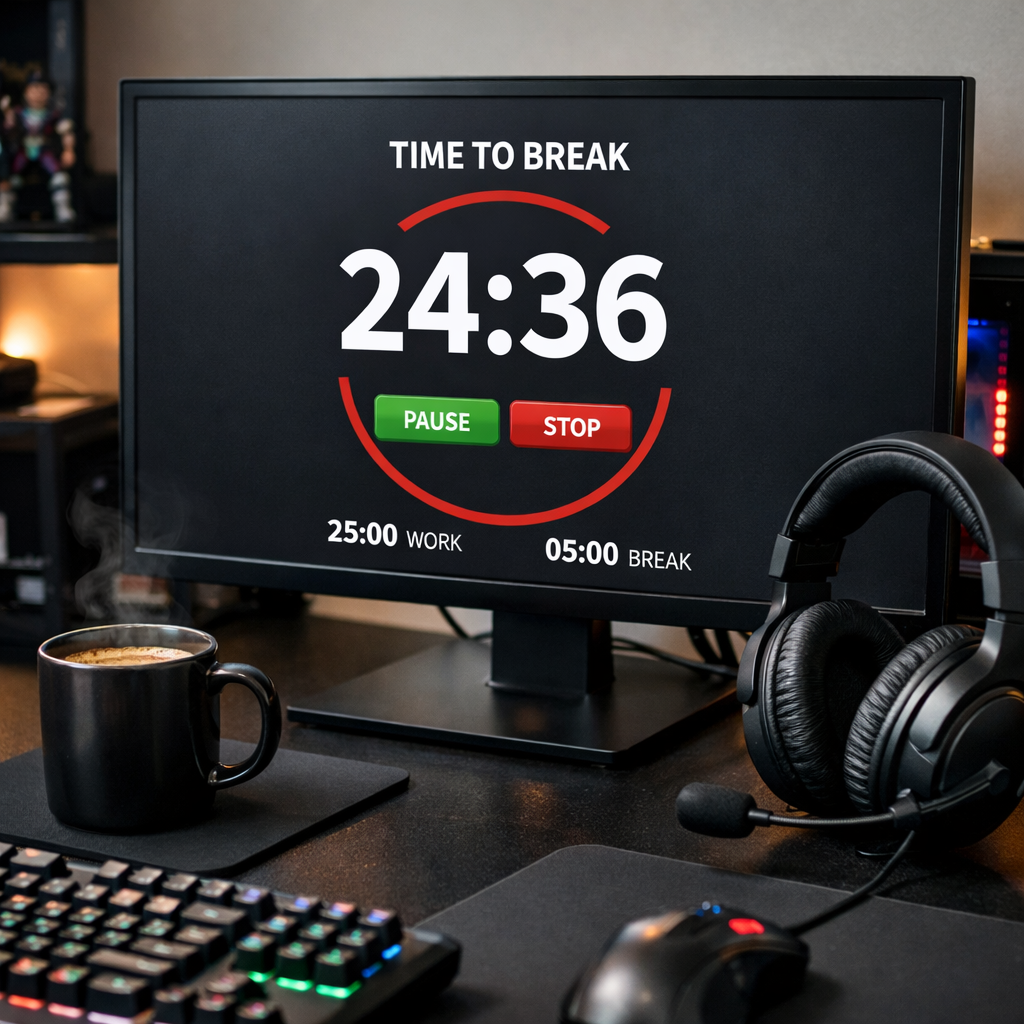
Sound can be a major distraction, especially for those of us with ADHD. If you’re sensitive to noise, or if your environment is just plain loud, noise-canceling tools can be a lifesaver. This could mean investing in a good pair of noise-canceling headphones. Some people find that listening to specific types of music, like instrumental or ambient sounds, can also help block out distractions and create a more focused atmosphere. Experiment to see what works best for you – sometimes it’s complete silence, other times it’s a controlled soundscape.
Building a focused environment isn’t about perfection; it’s about making intentional choices to reduce the external noise that competes for your attention. Small adjustments can lead to significant improvements in your ability to concentrate and get things done.
Manage Internal Distractions
Sometimes, the biggest distractions aren’t the noisy neighbors or the buzzing phone, but the thoughts bouncing around inside our own heads. For those of us with ADHD, this can feel like a constant battle. Our minds can jump from one idea to the next, or get stuck on a worry, making it tough to stick with a task. But there are ways to handle these internal interruptions.
Employ The Parking Lot Technique
This is a simple but effective way to deal with those random thoughts that pop up when you’re trying to concentrate. Think of it like a real parking lot – you pull over your thought, park it for a bit, and then come back to it later.
- Grab a notebook or a piece of paper. Keep it handy, maybe on your desk or in your pocket.
- When a thought distracts you, quickly jot it down in your "parking lot." It could be anything – a reminder to call someone, an idea for a project, or even just a random worry.
- Don’t dwell on it. Once it’s written down, give yourself permission to let it go and return to your main task.
- Schedule a time to review your parking lot. Later, when you have a break or finish your work session, you can look at your parked thoughts and decide what to do with them.
This method helps clear your mental space without making you feel like you’re losing important ideas.
Address Racing Thoughts
When your mind feels like it’s running a marathon, it’s hard to focus on anything else. These racing thoughts can be overwhelming and even a little anxiety-inducing. Instead of trying to force them away, which often makes them louder, try acknowledging them.
Sometimes, the best approach is to simply notice the thought, say to yourself, "Okay, I’m having that thought about X," and then gently guide your attention back to what you were doing. It’s like training a puppy – you don’t scold it for wandering, you just kindly redirect it.
If a thought is particularly persistent or upsetting, you might set a specific time later in the day to really think about it. This gives your brain the reassurance that it will get its turn, but not right now. For example, you could say, "I’ll worry about that bill at 5 PM," and then try to get back to your work.
Practice Self-Compassion
It’s easy to get frustrated with ourselves when we can’t focus, especially when our minds are doing their own thing. But beating yourself up only makes things worse. Remember that having ADHD means your brain works a bit differently, and that’s okay.
- Acknowledge that focus can be a challenge. It’s not a personal failing; it’s a characteristic of ADHD.
- Be kind to yourself when you get distracted. Treat yourself like you would a friend who is struggling.
- Celebrate small wins. Did you manage to stay focused for 10 minutes? That’s great! Recognize and appreciate that effort.
Understanding that these internal distractions are part of the ADHD experience, and not a sign of laziness or lack of effort, can make a big difference in how you approach them. It’s about working with your brain, not against it.
Leverage Sensory Stimulation

Sometimes, the ADHD brain just needs a little more oomph to stay engaged. It’s not about being easily distracted; it’s about needing more input to keep things interesting. Think of it like a car that needs a bit more gas to get going. We can use this to our advantage by adding some sensory spice to our tasks.
Incorporate Visual Aids
Making things visually appealing can really help. Instead of plain black and white notes, try using different colored pens or highlighters. You could even draw little diagrams or use sticky notes to break up text. It’s like giving your brain a visual playground to explore while you’re learning or working.
- Color-code your notes: Assign different colors to different topics or types of information.
- Use mind maps: Visually connect ideas to see the bigger picture.
- Add images or doodles: If it fits the context, a relevant picture or even a simple doodle can make information stick.
Engage With Auditory Input
Sound can be a double-edged sword, right? Too much noise is distracting, but sometimes, a complete lack of sound can be just as bad. Finding the right auditory balance is key. For some, listening to instrumental music or white noise can create a focused sound bubble. Others might find listening to audiobooks or podcasts on a topic they’re studying helpful, as it adds another layer of engagement.
The trick is to find sounds that occupy the background without demanding your full attention. It’s about creating a consistent, predictable soundscape that helps drown out random noises without becoming a distraction itself.
Utilize Purposeful Fidgeting
Fidgeting often gets a bad rap, but for many with ADHD, it’s a way to channel excess energy and actually improve focus. It’s not about being disruptive; it’s about giving your hands something to do so your brain can concentrate on the task at hand. The key is to find fidgets that are quiet and don’t require a lot of visual attention.
- Fidget toys: Think stress balls, spinners, or textured objects.
- Chewing gum or a chewable necklace: This can provide oral sensory input.
- Movement: Gentle swaying, tapping your foot (if it’s not disruptive), or even standing up and stretching periodically can help.
Experiment with these sensory strategies. What works for one person might not work for another, so it’s all about finding your personal sweet spot for stimulation.
Structure Your Tasks Effectively
When you’ve got ADHD, just looking at a giant to-do list can feel like staring up at a mountain. It’s easy to get stuck, right? So, let’s break down how to make tasks feel way more manageable.
Prioritize Challenging Tasks
It sounds a bit backward, but tackling the hardest thing first can actually be a game-changer. Think of it like eating your veggies before dessert. When you get the most demanding task out of the way early, the rest of your day feels lighter. Plus, you get a big dopamine hit from accomplishing something tough, which can fuel you for what’s next. Don’t be afraid to put that big, scary project right at the top of your list. It’s often the one that needs your freshest focus.
Break Down Large Projects
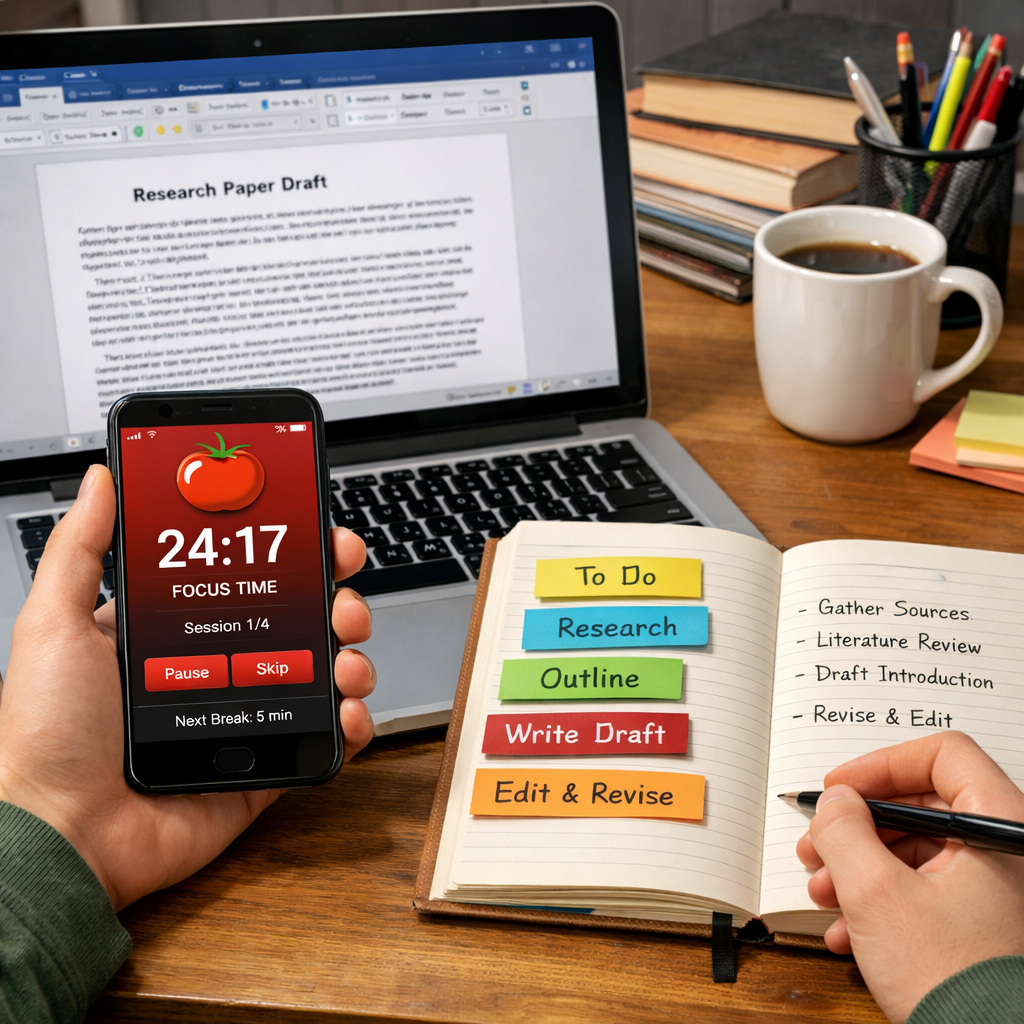
Nobody can eat an elephant in one bite, and the same goes for big projects. If a task feels overwhelming, it’s probably because it’s too big. Grab some sticky notes or open a new document and chop it up. What’s the very first tiny step? Write that down. Then the next. Keep going until you have a list of small, doable actions. Seeing these little steps makes the whole project seem less daunting. You can even move them to a "Done" column as you finish each one, which feels pretty good.
Implement Time Management Tools
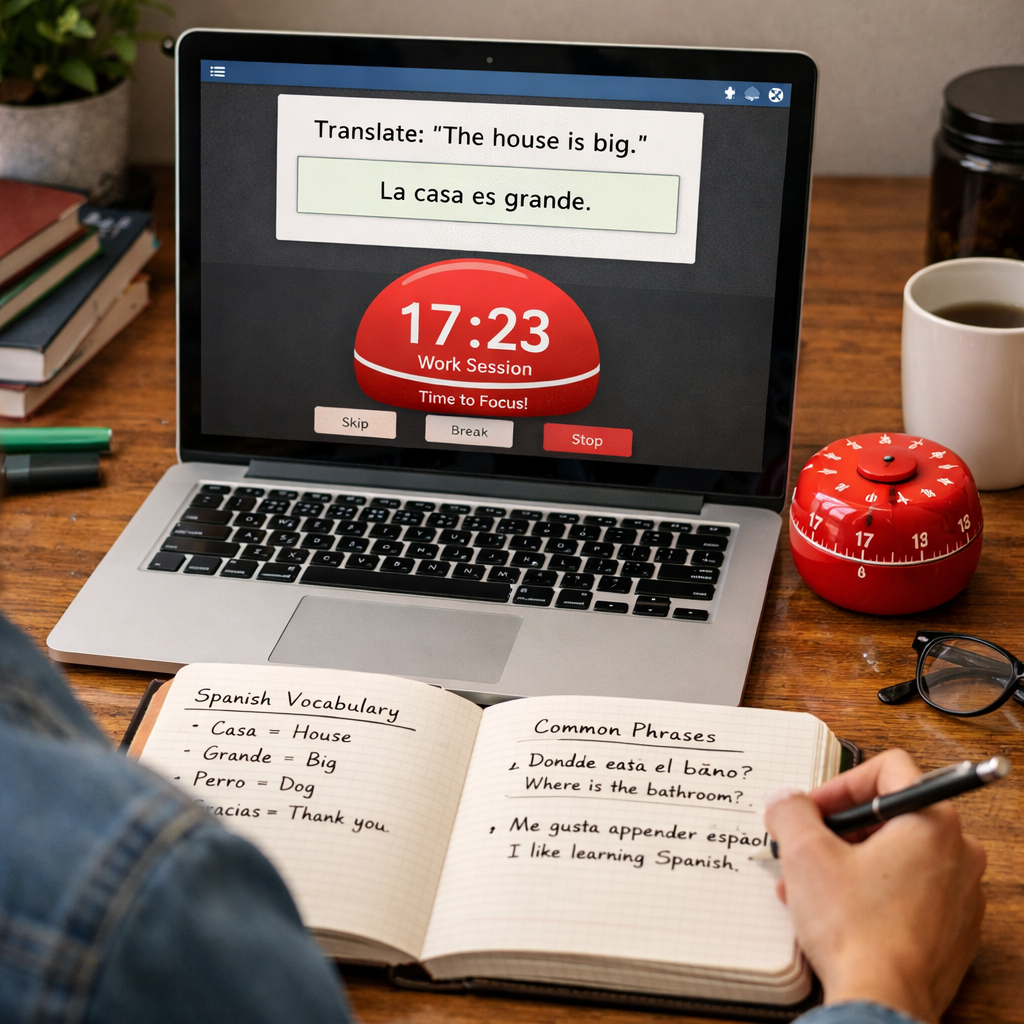
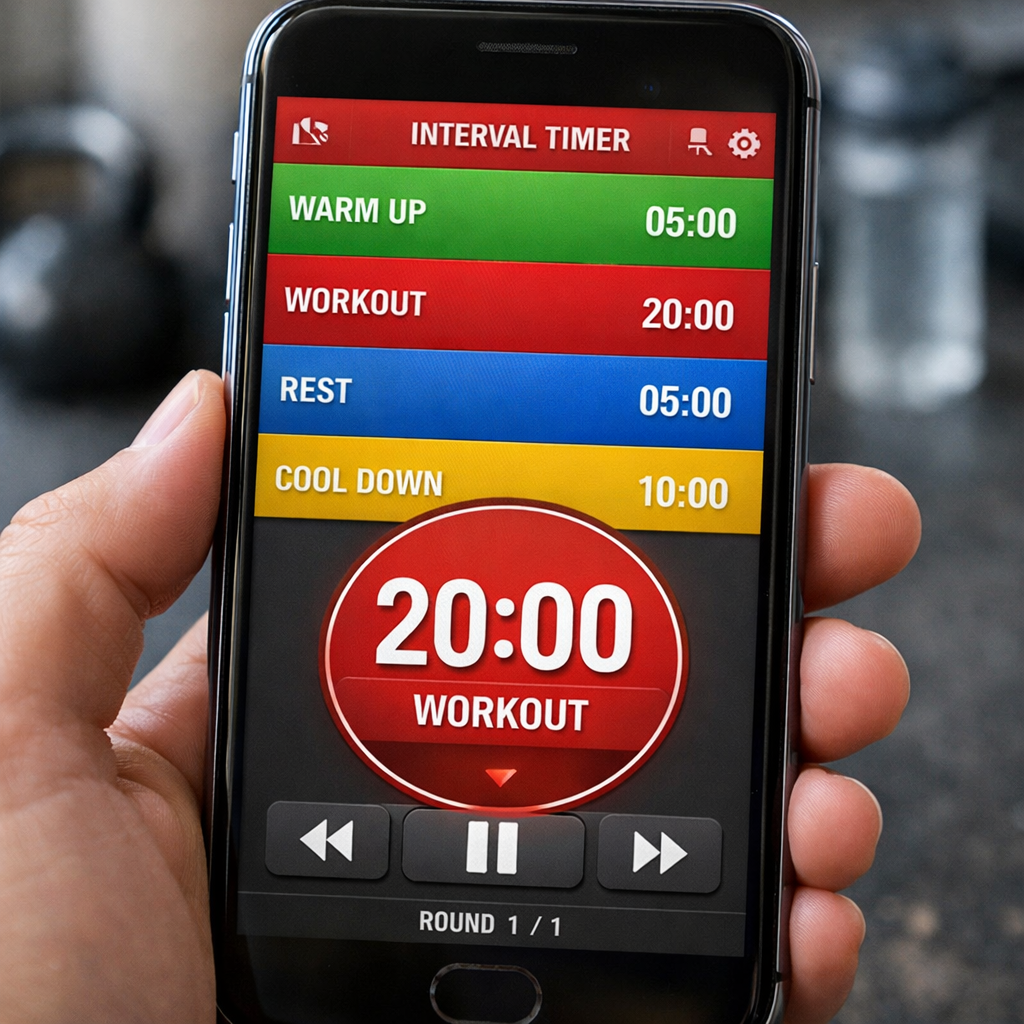
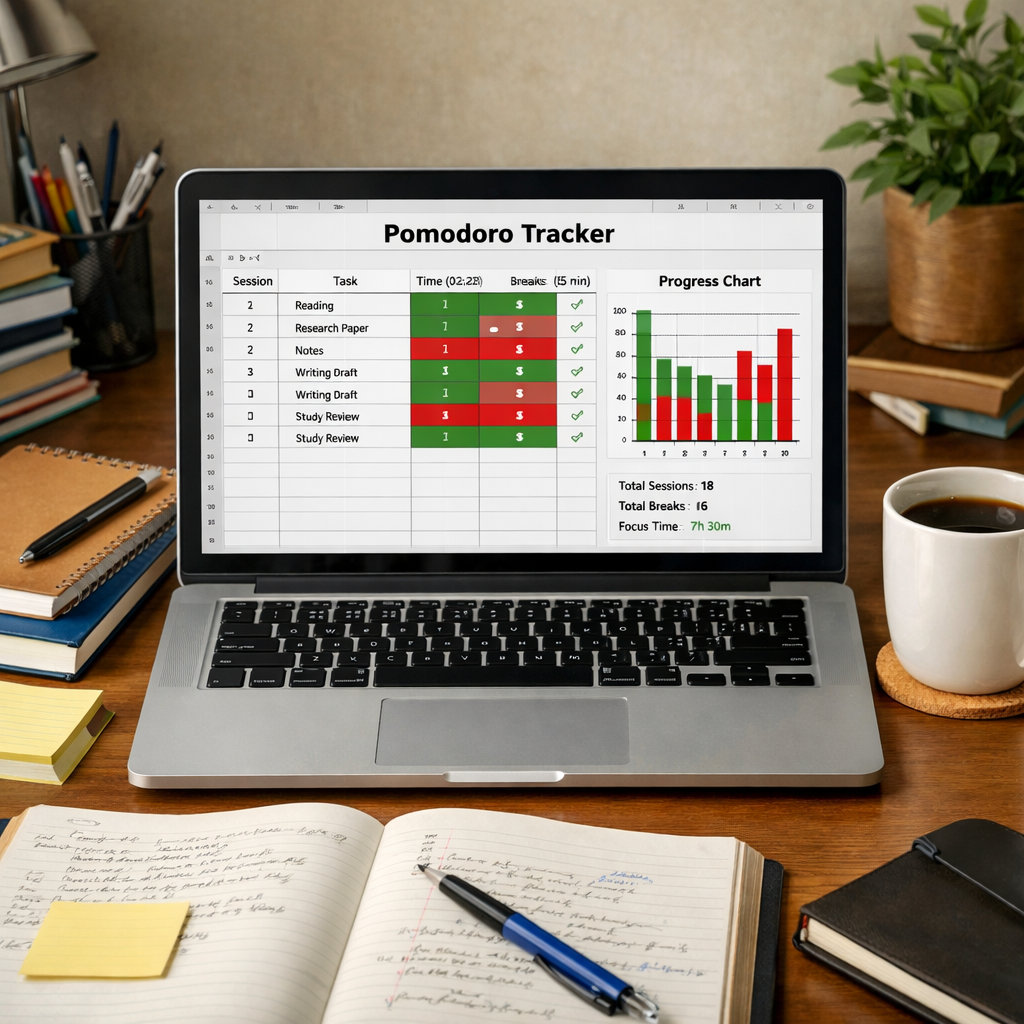
Sometimes, you just need a little external structure. Setting timers can be super helpful. Try the Pomodoro Technique: work for 25 minutes, then take a 5-minute break. Adjust the times if needed – maybe 15 minutes on, 10 minutes off. It breaks up the day and gives your brain regular pauses. Another idea is to use a "What’s On Fire?" method for your tasks. Categorize them as "Fire" (urgent), "Smoke" (important but not urgent), and "Sparks" (low priority). Tackle the "Fire" tasks first. This helps you avoid getting sidetracked by less important things.
It’s not about being perfect; it’s about finding systems that work for your brain. What feels overwhelming to one person might be manageable with a different approach for someone else. Experiment and see what sticks.
Here’s a quick way to think about task prioritization:
- Must-Do Today: These are the non-negotiables. The things that absolutely have to get done.
- Could-Do If Time/Energy: These are the bonus tasks. If you finish your must-dos and still have steam, great! If not, no biggie.
- Future Tasks: Things that can wait for another day or week. Don’t let them clutter your current focus.
Remember, the goal is progress, not perfection. Finding a rhythm that suits you is key.
Optimize Digital Habits

Our phones and computers are amazing tools, but they can also be major distraction zones, especially when your brain is wired for novelty and quick hits of information. It’s like having a constant buffet of shiny objects right at your fingertips. We need to get smart about how we use these devices so they work for us, not against us.
Silence Mobile Notifications
Those little pings and buzzes are designed to grab your attention, and for someone with ADHD, they’re practically irresistible. Every notification pulls you away from what you’re doing, and it takes a surprising amount of mental energy to get back on track. Turning off non-essential notifications is one of the simplest yet most effective ways to reclaim your focus. Think about it: do you really need to know instantly when someone likes your post, or can that wait until you’ve finished that important report?
Here’s a quick way to audit your notifications:
- Urgent & Important: Calls from specific contacts, calendar alerts for meetings.
- Important, Not Urgent: Messages from close friends or family (consider setting specific times to check these).
- Not Important, Not Urgent: Social media likes, game updates, news alerts, promotional emails.
Be ruthless with the last category. You can always check them later when you’re intentionally taking a break.
Utilize Website Blockers
Sometimes, the pull of the internet is just too strong. You might intend to quickly check one thing, and suddenly you’re an hour deep into a rabbit hole of unrelated videos or articles. Website blockers are like digital bouncers for your browser, preventing you from accessing time-wasting sites during your work periods. Many are customizable, allowing you to block specific sites or categories of sites for set periods. Some even have "lockdown" modes that make them difficult to disable, which is perfect for those moments when willpower is low.
Limit Multitasking
It feels like we’re doing more when we juggle multiple tasks, but for brains with ADHD, multitasking often means doing several things poorly. Switching between tasks rapidly can lead to errors, missed details, and a general feeling of being overwhelmed. Instead of trying to do everything at once, focus on completing one task before moving to the next. This approach, often called single-tasking, helps reduce mental clutter and allows you to give your full attention to whatever is in front of you. It might feel slower at first, but the quality of your work and your overall efficiency will likely improve.
The digital world is a constant stream of stimuli. Without intentional boundaries, it’s easy for our attention to get scattered. Creating a digital environment that supports focus, rather than sabotages it, is a key part of managing ADHD effectively. It’s not about deprivation; it’s about strategic control.
Consider setting up different browser profiles for work and personal use. This can help create a mental separation and reduce the temptation to drift into personal browsing during work hours.
Embrace Your ADHD Brain
It’s easy to feel like your ADHD brain is working against you, but what if we told you it’s actually a superpower in disguise? The way your brain processes information and attention is different, not broken. Understanding these differences is the first step to working with your brain, not against it. Think of it like this: your brain is wired for novelty and can get bored easily with routine tasks. That’s not a flaw; it’s just how it operates. Learning to harness your unique attention style can make a huge difference.
Understand Attention Differences
Instead of seeing ADHD as an "attention deficit," it’s more accurate to think of it as an "attention abundance" problem. You have a lot of attention, but sometimes it’s hard to control where it goes. This means your brain is constantly scanning for interesting things, which can be a challenge when you need to focus on something less exciting. It’s not that you can’t pay attention; it’s that your brain is looking for a reason to pay attention. This can lead to difficulties in tasks that require sustained focus, especially if they don’t immediately grab your interest. Recognizing this isn’t about making excuses; it’s about understanding the mechanics of your own mind so you can build effective strategies. For more on managing attention, check out these strategies for adults.
Harness Hyperfocus When Possible
We’ve all heard about "hyperfocus," that intense state where you’re completely absorbed in a task. For people with ADHD, this isn’t just a myth; it’s a real phenomenon. The trick is that you can’t always predict when it will happen or what it will be directed towards. The key is to recognize when you’re in that zone. If you find yourself deeply engaged in something, especially if it’s challenging or interesting, ride that wave! It’s during these times that you can accomplish a tremendous amount. However, it’s also important to know when you’re not in that zone. If your brain feels foggy or you’re struggling to get started, forcing yourself to do a high-demand task might just lead to frustration. Instead, consider switching to something less demanding, like organizing files or doing some light reading, to make the most of your mental energy.
Recognize Overwhelm Triggers
When things get too much, the ADHD brain can go into a sort of "fight or flight" mode. This often looks like a complete shutdown – suddenly, you have zero motivation to tackle that pile of laundry or finish those reports. You might find yourself binge-watching a show instead. The first step to managing this is identifying what sets off that feeling of being overwhelmed. Is it hunger? Too many competing demands? A lack of clear direction? Knowing your personal triggers means you can start to anticipate them. It doesn’t mean you’ll never feel overwhelmed, but you’ll be better prepared to handle it when it creeps up. Sometimes, just acknowledging the trigger can lessen its power. Remember to be kind to yourself during these moments; pushing too hard can lead to burnout. Taking breaks and practicing self-compassion are just as important as any productivity technique.
Wrapping It Up
So, managing focus with ADHD isn’t about flipping a switch; it’s more like learning to tune a complex instrument. We’ve talked about a bunch of ways to make that happen, from setting up your space just right to using little tricks like the ‘parking lot’ for stray thoughts. Remember, it’s not about being perfect, but about finding what works for you. Give these ideas a try, be patient with yourself, and celebrate the small wins. You’ve got this.
Frequently Asked Questions
What’s the main idea behind managing ADHD distractions?
It’s all about working with your ADHD brain, not against it. Instead of trying to force focus, the goal is to create an environment and use tools that help your attention work *for* you. Think of it like guiding a super energetic puppy – you need the right tools and techniques to help it focus on what you want it to.
How can I make my study space less distracting?
You can make your space work for you by keeping it tidy and free from clutter. Having a specific spot just for studying helps your brain know it’s time to focus. Also, consider using things like noise-canceling headphones to block out sounds or even putting your phone in another room so it’s not tempting you.
What’s the ‘parking lot’ technique for stray thoughts?
The ‘parking lot’ is like a holding area for thoughts that pop into your head when you’re trying to concentrate. Keep a notebook or a piece of paper handy. When an unrelated thought comes up, quickly jot it down in your ‘parking lot.’ Then, you can let it go and get back to your task. You can look at those thoughts later when you’re done with your focused work.
Why is sensory stimulation helpful for ADHD focus?
Brains with ADHD often need more input to stay engaged. Adding sensory elements like using colorful highlighters, listening to certain types of background noise (like white noise), or even using a fidget toy can help keep your brain alert and focused on the task at hand without being overly distracting.
Should I avoid multitasking if I have ADHD?
Definitely! Multitasking is tough for most people, and it’s especially hard when you have ADHD. Trying to do too many things at once can scatter your focus and make your work less effective. It’s much better to concentrate on one task at a time to do your best work.
What is ‘hyperfocus’ and how can it be a good thing?
Hyperfocus is when your ADHD brain can concentrate intensely on something that really interests you. It’s like being ‘in the zone.’ While it can sometimes make you lose track of time or forget other things, when you can direct it towards important tasks, it’s a powerful tool that allows you to get a lot done with amazing focus.