
Ever feel like your brain is a browser with 1,000 tabs open—and none of them are playing your favorite song? Welcome to the ADHD club, where distractions are always knocking, and focus seems like that one friend who never shows up on time. But don’t worry; here’s a research-backed guide that’s as practical as it is amusing, aimed at helping you sharpen your attention at work, school, or anywhere in daily life. Spoiler alert: You might even enjoy it!
Key Takeaways
- Understand how ADHD affects your brain, from neurotransmitter levels to frontal lobe activity, to better manage focus challenges.
- Embrace single-tasking and create clear, prioritized to-do lists to guide your attention and boost productivity.
- Design your physical and digital spaces to minimize distractions and identify personal triggers that lead to overwhelm.
- Work with your natural energy cycles, prioritize sleep, and fuel your body with healthy habits to support cognitive function.
- Seek professional help, including assessment and coaching, and build a personalized framework with accountability to find your unique focus formula.
Understanding Your ADHD Brain

The Neurological Basis of Attention Deficits
So, why is focusing sometimes such a struggle when you have ADHD? It really comes down to how the brain is wired. It’s not about not wanting to pay attention; it’s about the brain’s operating system being a bit different. Think of it like having a computer that runs on a slightly different kind of software. This can make it harder to filter out background noise, stay on task, and manage impulses. The core issue often lies in how certain brain chemicals, called neurotransmitters, are managed.
Neurotransmitter Imbalances and Focus
Two key players here are dopamine and norepinephrine. Dopamine is often called the ‘feel-good’ chemical, but it’s also super important for motivation, reward, and attention. Norepinephrine helps with alertness and focus. In ADHD brains, there can be differences in how these chemicals are produced, sent, or received. This can lead to a feeling of being under-aroused, making it tough to get started on tasks or stay engaged. It’s like trying to run a race with low fuel – you just don’t have the same get-up-and-go.
- Dopamine: Affects motivation, pleasure, and attention. Lower levels can make tasks feel less rewarding.
- Norepinephrine: Influences alertness, focus, and impulse control. Imbalances can lead to distractibility.
- Impact: These differences aren’t about willpower; they’re about brain chemistry making sustained focus a real challenge.
Frontal Lobe Function and Executive Skills
The frontal lobe, especially the prefrontal cortex, is like the brain’s CEO. It’s in charge of executive functions – things like planning, organizing, managing time, and controlling impulses. In people with ADHD, this area might not work quite as efficiently. This can show up as difficulty with:
- Planning: Figuring out the steps needed to complete a project.
- Organization: Keeping track of belongings, information, or tasks.
- Time Management: Estimating how long things will take or meeting deadlines.
- Impulse Control: Thinking before acting or speaking.
When these executive functions are a bit shaky, everyday tasks can feel overwhelming. It’s like trying to build a house without a blueprint or the right tools. The intention might be there, but the execution becomes a lot harder.
It’s important to remember that these are general patterns. Everyone’s brain is unique, and the way ADHD shows up can vary a lot from person to person. Understanding these underlying differences is the first step to finding strategies that actually work with your brain, not against it.
Strategies for Enhanced Concentration

Okay, so your brain sometimes feels like a pinball machine, right? Lots of action, but not always where you want it to go. That’s where these strategies come in. They’re not magic wands, but they can seriously help you get more done without feeling like you’re wrestling a greased pig.
Embracing Single-Tasking for Deeper Focus
Forget trying to juggle a million things at once. It’s a recipe for disaster, especially with ADHD. When you try to do too much, your brain just bounces around, and nothing really gets done well. The real win is focusing on just one thing at a time. It sounds simple, but it’s a game-changer. Think of it like this: if you’re trying to read a book, you wouldn’t also try to watch TV and cook dinner, would you? It’s the same with tasks. When you give one task your full attention, you actually finish it faster and do a better job. Plus, there’s a weird satisfaction in ticking off one item completely before moving to the next.
- Pick your priority: Before you start, decide what’s the one thing you’re going to tackle right now.
- Clear the decks: Get rid of anything else that might pull your attention away. Close extra tabs, put your phone on silent, and let people know you need uninterrupted time.
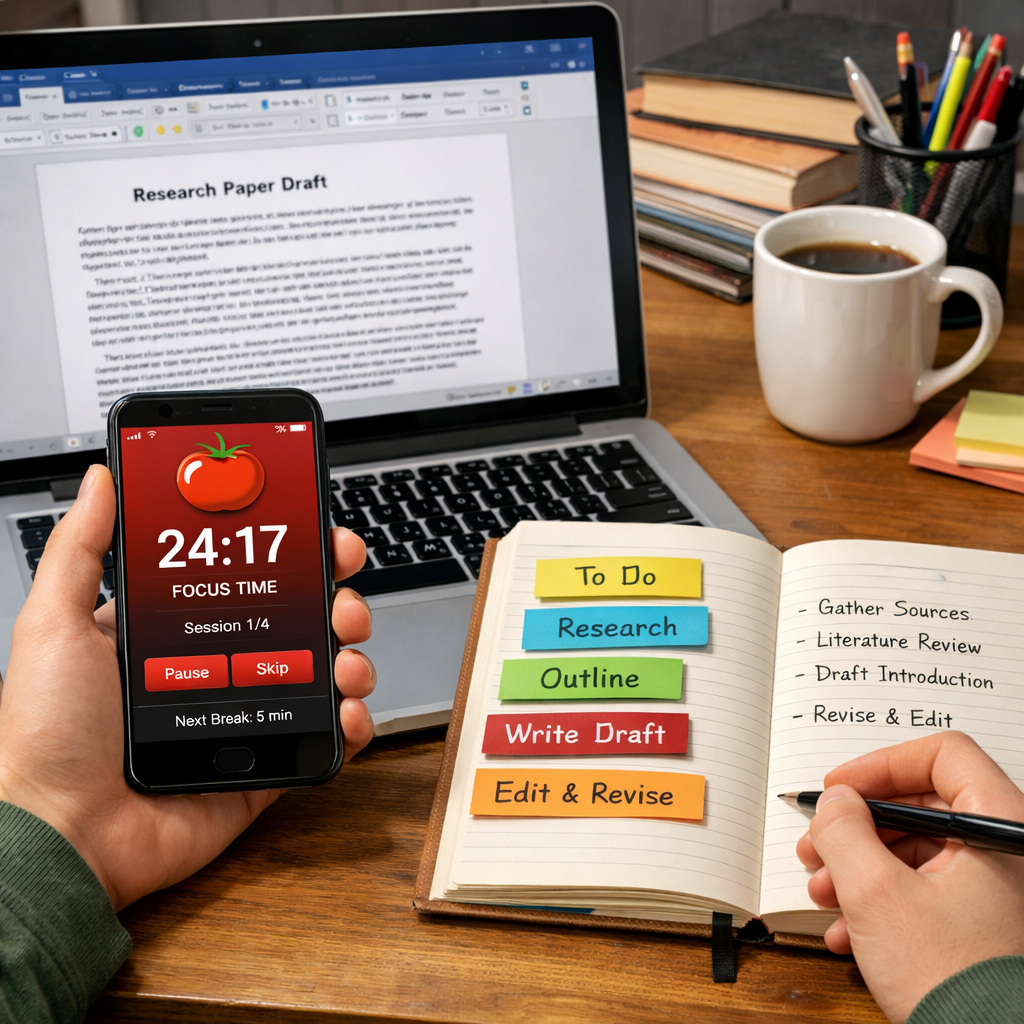
- Set a timer: Sometimes, just knowing you only have to focus for a set period, like 25 minutes, makes it easier. We’ll talk more about that later.
Trying to do too many things at once is like trying to catch a dozen butterflies with one net. You’ll likely end up with nothing but frustration and a lot of missed opportunities.
Crafting Effective Daily To-Do Lists
Lists can be your best friend or your worst enemy. A messy, overwhelming list? That’s a one-way ticket to feeling defeated before you even start. But a good list? That’s your roadmap. The trick is to make it realistic and actionable.
Here’s how to make lists that actually work:
- Keep it short: Aim for 3-5 main tasks per day. Anything more is just setting yourself up for disappointment.
- Be specific: Instead of "Work on project," write "Draft introduction for Project X." The more detail, the clearer the path.
- Break it down: If a task feels huge, chop it into smaller steps. "Clean the kitchen" can become "Wipe counters," "Load dishwasher," "Sweep floor."
- Prioritize: Figure out what really needs to get done today and what can wait. Maybe use a simple A, B, C system.
Leveraging the Power of Planning Sessions
This is where you get ahead of the game. Instead of just waking up and reacting to whatever comes your way, take a little time to plan. It doesn’t have to be hours; even 15-20 minutes can make a huge difference.
- Weekly Review: Spend a bit of time each week (maybe Sunday evening?) looking at what’s coming up. What are the big deadlines? What appointments do you have?
- Daily Huddle: Each morning, or the night before, spend a few minutes looking at your to-do list and your calendar. What’s the most important thing to get done today? What needs to happen first?
- Task Batching: Group similar tasks together. If you have a bunch of emails to send, do them all at once. If you need to make phone calls, make them back-to-back. This helps your brain get into a rhythm and avoids that constant switching gears.
Think of planning sessions as setting your GPS before a road trip. You wouldn’t just start driving and hope for the best, right? You’d figure out where you’re going and the best route to get there. Planning your day works the same way for your brain.
Minimizing Distractions for Better Focus
Okay, so you’ve got ADHD, and the world feels like it’s constantly buzzing with things trying to pull your attention away. It’s like a never-ending parade of shiny objects, right? The good news is, you can actually do something about it. It’s all about creating a bit of a shield around your focus zone.
Creating an Optimal Work Environment
Think of your workspace as your personal focus fortress. If it’s cluttered, it’s like trying to find a quiet spot in the middle of a busy market. A messy desk can really mess with your head, making even simple tasks feel like a huge ordeal. A tidy space can significantly improve your concentration. So, dedicate a few minutes each day, maybe 5 to 10, just to clear things off your desk. Put papers away, toss out trash, and keep only what you absolutely need right there. It makes a surprising difference. You can find some great tips on how to organize your workspace here.
Managing Digital and Auditory Distractions
Our phones and computers are huge culprits. Those little notification pings? They’re like tiny attention grenades. You’ve got to take control. Turn off non-essential alerts. Seriously, do it. Check emails and messages at specific times instead of letting them interrupt you constantly. If you’re in a noisy place, noise-canceling headphones are a lifesaver. They create a little bubble of quiet so you can actually hear yourself think. Some people find that certain types of background sound, like white noise or instrumental music, can actually help them focus by drowning out other noises. It’s worth experimenting to see what works for you.
Identifying and Addressing Overwhelm Triggers
Sometimes, it’s not just external stuff. Feeling overwhelmed can totally derail your focus. When you’re staring at a massive to-do list, it’s easy to just freeze up. Breaking down big tasks into smaller, more manageable steps is key. Think of it like eating an elephant, one bite at a time (though please don’t actually eat an elephant). If you’re feeling that panic creep in, try a simple deep breathing exercise. Inhale for four, hold for seven, exhale for eight. It sounds simple, but it can really help calm your brain down and get you back on track.
When your environment is set up to support your focus, and you’ve got a plan for dealing with interruptions, you’re way more likely to get things done without feeling completely drained. It’s about making your surroundings work for you, not against you.
Leveraging Your Natural Rhythms
Sometimes, it feels like our brains are on a completely different clock than the rest of the world. For those of us with ADHD, understanding and working with these internal rhythms, rather than fighting against them, can make a huge difference in how we get things done. It’s about finding those sweet spots where focus comes a little easier and making the most of them.
Working With Your Brain’s Flow State
Ever get into that zone where time just melts away and you’re totally absorbed in what you’re doing? That’s often called a ‘flow state.’ For people with ADHD, these moments can be a bit unpredictable, but they’re gold when they happen. The trick is to recognize when you’re in one and protect that time fiercely. It might mean saying ‘no’ to a quick chat or putting off a less important email. Trying to force yourself into flow when it’s not happening is usually a waste of energy. Instead, set up your environment and tasks so that when that spark of interest hits, you’re ready to ride the wave.
It’s not about being lazy or unfocused; it’s about recognizing that your brain works differently and finding ways to harness its unique energy patterns. Think of it like surfing – you can’t control the waves, but you can learn to ride them.
The Importance of Sleep for Cognitive Function
This one might sound obvious, but for brains that already struggle with regulation, sleep is non-negotiable. When you’re sleep-deprived, everything gets harder: focus, memory, emotional control. It’s like trying to run a marathon on an empty tank. Establishing a consistent sleep schedule, even on weekends, can help stabilize your internal clock. This means winding down at a similar time each night and waking up around the same time. It might take some effort to get there, especially if sleep is a challenge, but the payoff in terms of improved concentration and overall well-being is massive.
Fueling Your Focus with Healthy Habits
What you put into your body and how you move it has a direct impact on your brain’s ability to concentrate. Think of it as providing the right fuel for your engine.
- Regular Movement: Short bursts of physical activity, even just a quick walk around the block or some stretching, can do wonders. It helps clear your head and can actually boost your attention span afterward.
- Balanced Nutrition: Skipping meals or relying on sugary snacks can lead to energy crashes that wreck your focus. Aim for regular meals with a good mix of protein, healthy fats, and complex carbs to keep your energy levels steady.
- Hydration: Dehydration is a sneaky focus-killer. Make sure you’re drinking enough water throughout the day. Keep a water bottle handy as a visual reminder.
- Mindful Breaks: It’s not just about taking breaks, but how you take them. Instead of scrolling through social media, try a few minutes of deep breathing, looking out a window, or listening to a calming song. These micro-breaks can help reset your brain without sending it into a distraction spiral.
Professional Support for Focus Challenges
Sometimes, even with the best personal strategies, focus can still feel like a slippery fish. That’s where getting some outside help can really make a difference. It’s not about admitting defeat; it’s about bringing in the pros who understand how ADHD brains work and can offer tailored support.
The Role of Comprehensive Assessment
Before you can really tackle focus issues, you need to know exactly what you’re dealing with. A thorough assessment by a qualified professional, like a psychologist or psychiatrist, is the first step. They’ll look at your history, talk about your experiences, and figure out how ADHD is specifically affecting your concentration. This isn’t just about getting a label; it’s about getting a clear picture so you can build the right plan. This detailed evaluation is the foundation for any effective support.
Personalized Treatment and Cognitive Therapy
Once you have a clearer understanding of your ADHD, professionals can help create a plan that’s just for you. This often involves talking therapies, like Cognitive Behavioral Therapy (CBT). CBT can be super helpful for learning practical ways to manage distractions, get organized, and improve your attention span. It’s about developing skills and changing thought patterns that might be holding you back. They might also discuss medication options if that seems like a good fit for your situation.
Executive Function Coaching and Skill Development
Beyond therapy, there are coaches who specialize in executive functions – the skills that help you plan, organize, manage your time, and get things done. These coaches can work with you one-on-one to build these skills. Think of it like having a personal trainer for your brain’s management system. They can help you break down big projects, set realistic goals, and create systems that work with your ADHD brain, not against it. You can find resources for executive function strategies that can be a starting point for these discussions.
Building Your Personal Focus Framework
So, we’ve talked about understanding your brain, strategies, and managing distractions. Now, let’s get real about putting it all together. Think of this as building your own personal toolkit for focus. It’s not about finding one magic bullet; it’s about figuring out what works for you and making it a habit. This is where you become the architect of your own concentration.
The Power of Accountability Partners
Sometimes, just knowing someone else is aware of your goals can make a huge difference. An accountability partner is basically a buddy who helps you stay on track. This could be a friend, a family member, or even a coach. You agree to check in with each other regularly about your progress on tasks or goals. It’s not about nagging; it’s about mutual support. Having someone to report to, even informally, can make you more likely to follow through. Plus, celebrating small wins together feels pretty good.
Here’s how to make it work:
- Choose wisely: Pick someone reliable and supportive, not someone who will enable procrastination.
- Set clear expectations: Decide how often you’ll check in (daily, weekly?) and what you’ll discuss.
- Be honest: Share your successes and your struggles. That’s how you both learn and adjust.
- Keep it positive: Focus on progress and solutions, not just problems.
Finding Clarity in Your Tasks and Goals
It’s tough to focus when you’re not sure what you’re supposed to be doing or why. Clarity is key. Before you dive into a task, take a moment to ask yourself a few questions. What’s the main thing you need to accomplish? Whose expectations are you trying to meet? Do you actually understand the steps involved? Getting clear on these points can cut down on confusion and make it easier to ignore distractions. It’s like having a clear map before you start a journey – you know where you’re going.
When your tasks feel fuzzy, it’s easy for your mind to drift. Taking just a few minutes to define the objective and your role can prevent hours of wasted effort and frustration. It’s about setting a clear intention before you begin.
Experimenting to Find Your Unique Focus Formula
Here’s the honest truth: there’s no single method that works for everyone with ADHD. What helps one person might not help another. That’s why experimentation is so important. Try different techniques we’ve discussed – maybe it’s the Pomodoro Technique for work sprints, or perhaps pairing a boring chore with a favorite podcast. Maybe you need a strict schedule, or maybe you thrive with a bit more flexibility. The goal is to mix and match, see what sticks, and build a routine that feels natural and effective for you. Don’t be afraid to adjust as you go. Your focus formula might change over time, and that’s perfectly okay.
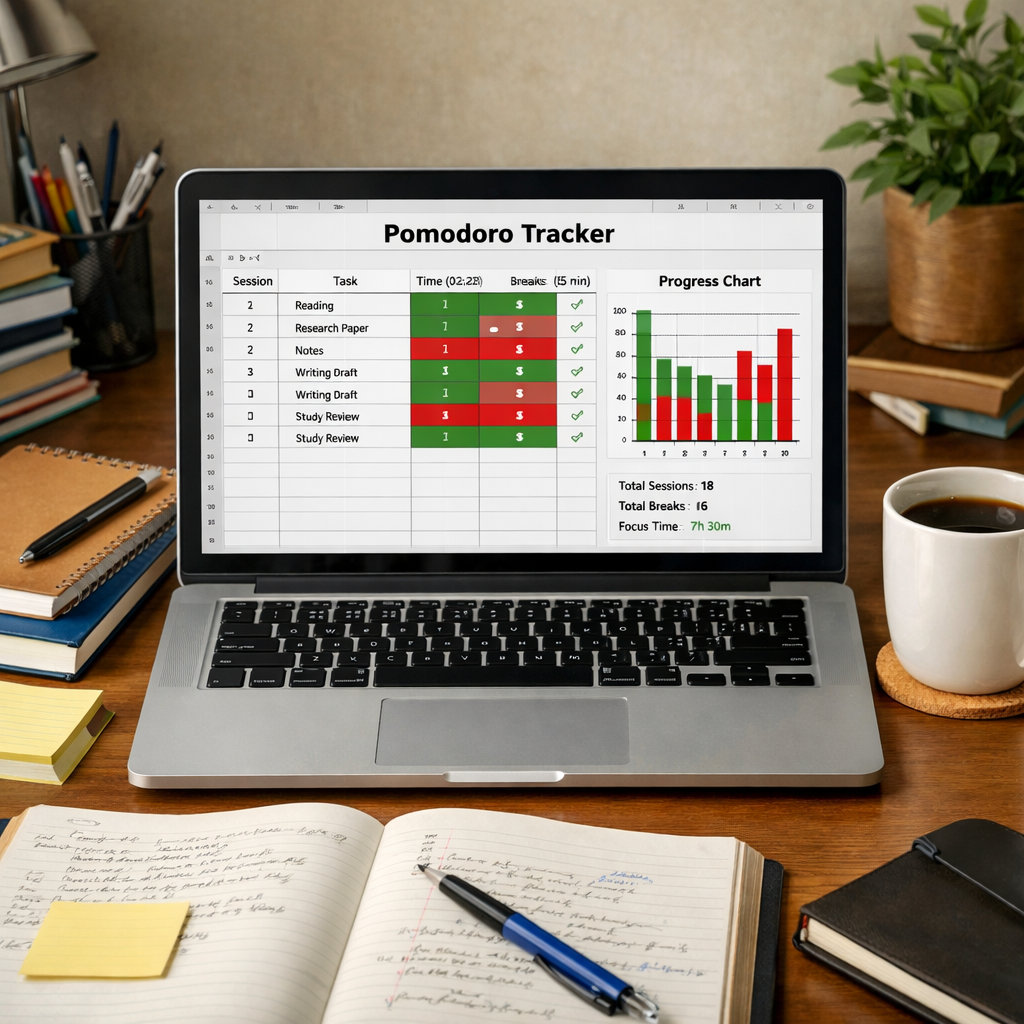
Consider this a personal R&D project. Keep a simple log of what you try and how it makes you feel:
| Technique Tried | How Long | Did it Help Focus? | Notes |
|---|---|---|---|
| Pomodoro (25/5) | 1 hour | Yes | Felt less overwhelmed |
| Body Doubling (Virtual) | 2 hours | Mostly | Distracted by partner’s background noise |
| Daily Top 3 List | 5 mins (daily) | Yes | Helped prioritize |
Remember, building this framework is an ongoing process. Be patient with yourself, celebrate the small victories, and keep refining your approach. You’ve got this.
Keep Going, You’ve Got This!
So, we’ve talked a lot about how ADHD can make focusing feel like a wild goose chase. It’s not about forcing your brain to do something it struggles with, but more about working with it. Remember those tips about breaking down tasks, minimizing distractions, and even getting some exercise? They’re not magic bullets, but they are solid tools. Think of this article as your starting point. Try out a few things, see what sticks, and don’t get discouraged if some days are tougher than others. You’re building a personal focus game plan, and that takes time and practice. Be patient with yourself, celebrate the small wins, and know that you’re not alone in this. Keep experimenting, keep learning, and you’ll find your way to better concentration.
Frequently Asked Questions
What exactly is ADHD and how does it affect focus?
ADHD, or Attention Deficit Hyperactivity Disorder, is a condition that makes it tough to focus. It’s like your brain has a different wiring, especially in the parts that help you pay attention, control impulses, and plan things. This can mean you get distracted easily, have trouble finishing tasks, or feel restless. It’s not about not trying; it’s about how your brain naturally works.
Why is multitasking so hard for people with ADHD?
While many people try to juggle multiple things at once, for those with ADHD, it often leads to less getting done. Switching between tasks constantly can be overwhelming and makes it hard to deeply focus on any one thing. It’s usually more effective to concentrate on just one task at a time to do it well.
How can I make my to-do lists actually work for me?
Creating a good to-do list is key! Instead of a giant, scary list, break down big tasks into smaller, manageable steps. Write down what you need to do each day, and try to put the most important things first. Checking things off as you go can give you a great sense of accomplishment and keep you motivated.
What are some simple ways to cut down on distractions?
First, try to make your workspace as calm as possible. This might mean turning off phone alerts, closing unnecessary computer tabs, or using headphones to block out noise. Figuring out what usually pulls your attention away is the first step to keeping it.
Does sleep, food, or exercise really help with ADHD focus?
Absolutely! Getting enough sleep is like giving your brain a reset. Eating healthy foods and staying hydrated provides the energy your brain needs to concentrate. And exercise? It can actually boost brain chemicals that help you focus. Think of these as natural tools to support your brainpower.
When should I consider getting professional help for ADHD focus issues?
If you’re finding it really hard to manage your focus, even with strategies you’ve tried, it’s a good idea to talk to a doctor or therapist. They can help figure out if ADHD is playing a big role and can offer treatments, like therapy or coaching, that are specifically designed to help you manage your attention and build skills.