
Dealing with procrastination when you have ADHD can feel like an uphill battle, right? It’s not about being lazy; it’s more about how your brain works. Things like getting distracted easily or finding it hard to get started can make even simple tasks feel huge. But don’t worry, there are ways to get a handle on this. We’re going to talk about some practical ADHD procrastination help strategies that can make a real difference in your day-to-day life.
Key Takeaways
- ADHD procrastination isn’t laziness; it’s often a response to feeling overwhelmed or bored, linked to how ADHD affects executive functions.
- Breaking down big tasks into tiny, doable steps can make them feel less scary and build momentum.
- Creating a structured schedule and a dedicated, distraction-free workspace helps manage time and focus better.
- Building in rewards for completing tasks and finding a supportive community or accountability partner can keep you motivated.
- Practicing self-compassion, reframing failure as a learning chance, and staying active can shift your mindset and boost productivity.
Understanding ADHD Procrastination

Procrastination, that thing where you put stuff off, can feel like a huge roadblock for people with ADHD. It’s not about being lazy, honestly. It’s more about how ADHD affects how our brains work, especially when it comes to getting things done. Think about it: if focusing is a struggle, and you get easily sidetracked, starting a big project or even a small chore can feel like climbing a mountain.
Why ADHD Procrastination Isn’t About Laziness
Let’s get this straight: putting things off when you have ADHD isn’t a character flaw. It’s often tied to how the ADHD brain processes tasks, rewards, and time. The part of the brain that helps us plan, prioritize, and get started might not work quite the same way. This can make tasks feel overwhelming, even if they’re simple. So, instead of tackling it, the brain might just… avoid it. It’s a survival mechanism, in a way, to avoid feeling bad.
The Role of Impulsivity and Distractibility
Impulsivity and distractibility are big players here. If something more interesting or immediately rewarding pops up, it’s super hard to stick with the task at hand. Your brain might just jump to the next shiny thing. This makes it tough to stay on track, especially with tasks that don’t offer instant satisfaction. It’s like trying to read a book while a parade is going by your window – you might want to read, but the parade is just so much more engaging right now.
Identifying Common Triggers and Emotional Roadblocks
There are definitely things that make procrastination worse. Fear of not doing a good enough job, for example, can be a huge one. If you’re worried about failing or not being perfect, it’s easier to just not start at all. Feeling overwhelmed by the sheer size of a task is another big trigger. Sometimes, it’s just a lack of interest in what you’re supposed to be doing. Recognizing these triggers is the first step to figuring out how to deal with them.
It’s easy to fall into a cycle of feeling guilty about procrastinating, which then makes it even harder to start. Breaking this cycle means understanding that the struggle is real and often rooted in ADHD itself, not a lack of willpower.
Here are some common things that can lead to putting tasks off:
- Fear of Failure: Worrying you won’t do it perfectly.
- Feeling Overwhelmed: The task seems too big or complicated.
- Lack of Interest: The task is boring or doesn’t feel rewarding.
- Difficulty Starting: Just getting going is the hardest part.
- Distractions: Anything else seems more appealing than the task.
- Perfectionism: Waiting for the
Strategies for Overcoming ADHD Procrastination
Okay, so procrastination with ADHD feels like this giant, insurmountable wall, right? It’s not because you’re lazy or don’t want to do things. It’s more like your brain just… gets stuck. The good news is, there are ways to chip away at that wall and actually get stuff done.
Create Realistic Goals and Small Action Steps
Big tasks can feel like staring up at Mount Everest. For folks with ADHD, that feeling of being overwhelmed often leads straight to avoidance. The trick here is to break things down. Instead of "write the whole report," try "outline the first section" or even "find three sources for the introduction." Each tiny win builds momentum. It’s like collecting little victories that make the next step feel less scary. You can even try a Daily Brain Dump to get those initial ideas out of your head and onto paper, making them feel more manageable.
Break Tasks Down Into Smaller, More Manageable Steps
This goes hand-in-hand with setting realistic goals. Think of it like eating an elephant – you do it one bite at a time. For any task, no matter how small it seems, list out every single micro-step involved. Seriously, "open the document" can be a step if that’s where you’re getting stuck. This visual breakdown makes the whole project seem less daunting and gives you clear, achievable actions to focus on.
Build in Rewards and Consequences
Our brains often respond well to immediate feedback. For tasks you tend to put off, try setting up a system of rewards. Finished a small chunk? Treat yourself to a 5-minute break, a favorite song, or a quick walk. It doesn’t have to be huge. For bigger milestones, maybe it’s a special coffee or an hour of guilt-free gaming. On the flip side, sometimes a gentle consequence can help. This isn’t about punishment, but about accountability. Maybe if you don’t finish a planned task, you have to do a less desirable chore first thing the next day. It’s about creating a little nudge to keep you moving forward.
Sometimes, the biggest hurdle isn’t the task itself, but the emotional baggage attached to it. Fear of failure, perfectionism, or just feeling completely drained can all contribute to putting things off. Acknowledging these feelings without judgment is the first step to moving past them.
Mastering Time Management With ADHD
Create a Structured Schedule and Routine
Setting up a predictable rhythm for your day can make a huge difference when you’re dealing with ADHD. It’s not about being rigid, but about creating a framework that helps you know what’s coming next. This predictability reduces the mental load of deciding what to do and when, which can often lead to getting stuck. Think of it like having a map for your day; you still have choices about where to go, but you know the general direction.
- Morning Routine: Start your day with a consistent set of actions, like getting dressed, having breakfast, and reviewing your top priorities. This helps signal to your brain that it’s time to get going.
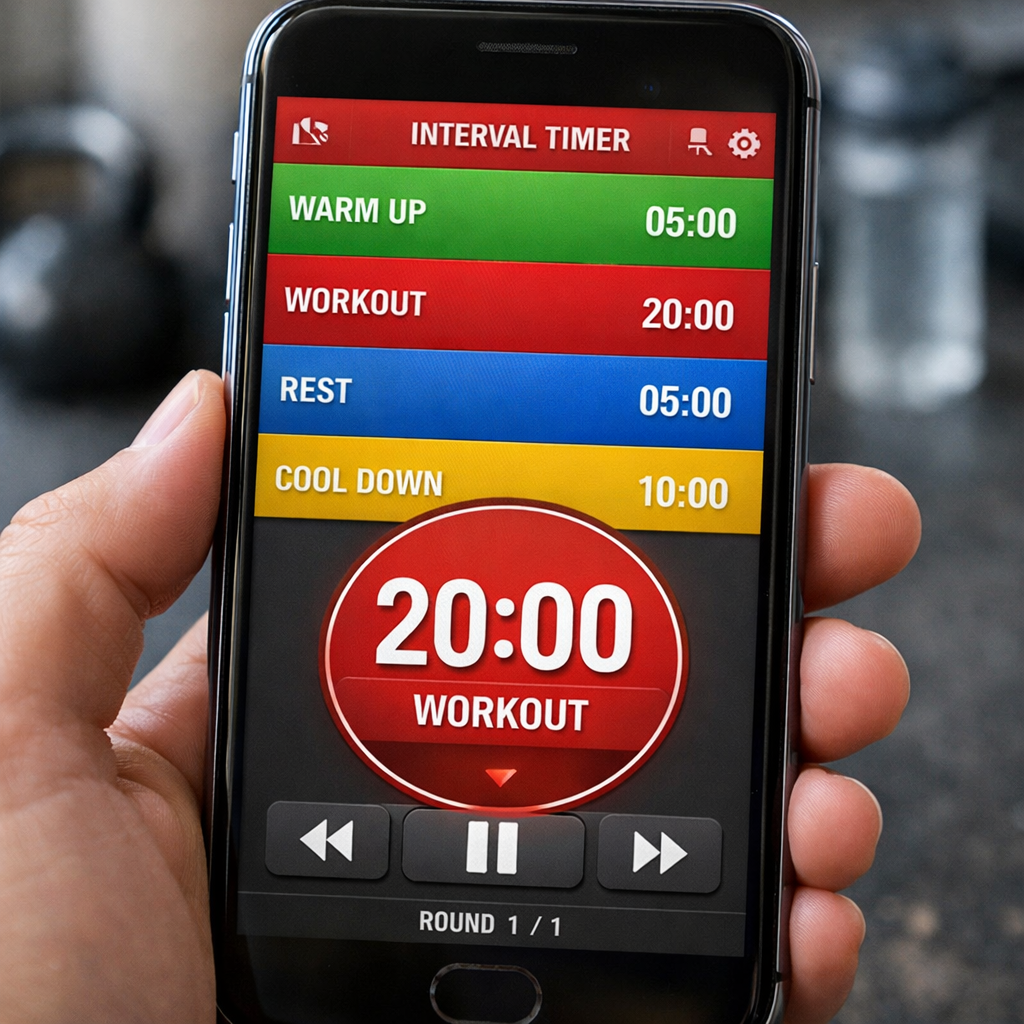
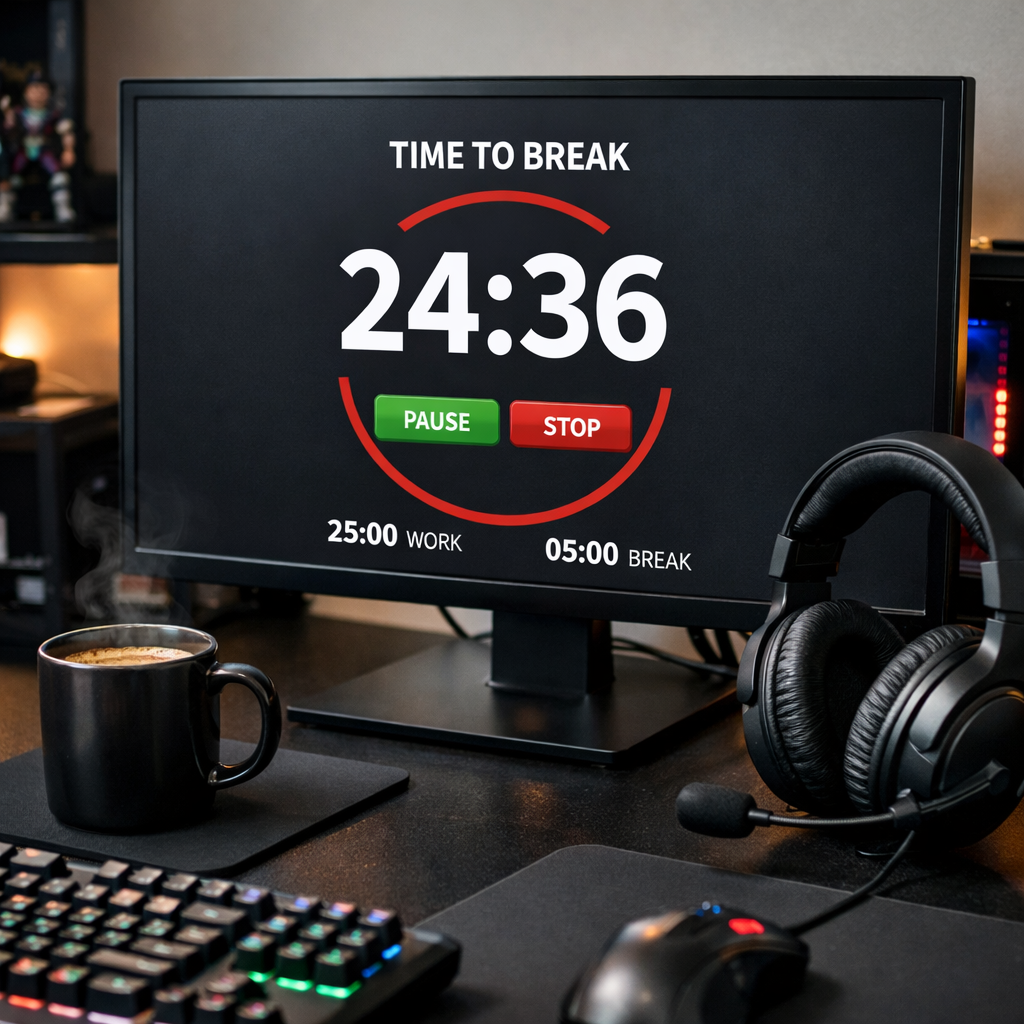
- Work Blocks: Designate specific times for focused work. Even short, consistent blocks are better than trying to force long stretches of concentration.
- Breaks: Schedule in breaks just as you would schedule work. These aren’t optional; they’re part of the plan to prevent burnout and maintain focus.
- Evening Wind-Down: Create a routine to transition from work or activity to relaxation, helping you prepare for rest.
Building a routine doesn’t mean every day has to be identical. It’s about having a reliable structure that you can adapt as needed. The goal is to make it easier to start tasks and move through your day with less friction.
Utilize Time-Blocking and Prioritization Strategies
Time-blocking is a technique where you divide your day into specific blocks of time, assigning a particular task or activity to each block. This is super helpful for ADHD because it makes tasks feel less overwhelming. Instead of a giant to-do list, you have a series of smaller, defined work periods. Prioritization is key here; you need to decide what gets those prime time slots. A good way to start is by identifying your most important tasks (MITs) for the day and scheduling them when you have the most energy.
Here’s a simple way to approach it:
- List Your Tasks: Write down everything you need to do.
- Prioritize: Figure out which tasks are most important or urgent. You can use a simple A, B, C system or the Eisenhower Matrix (Urgent/Important).
- Estimate Time: Guess how long each task will realistically take.
- Block Your Calendar: Assign specific time slots on your calendar for your prioritized tasks. Be realistic about the time needed and include buffer time.
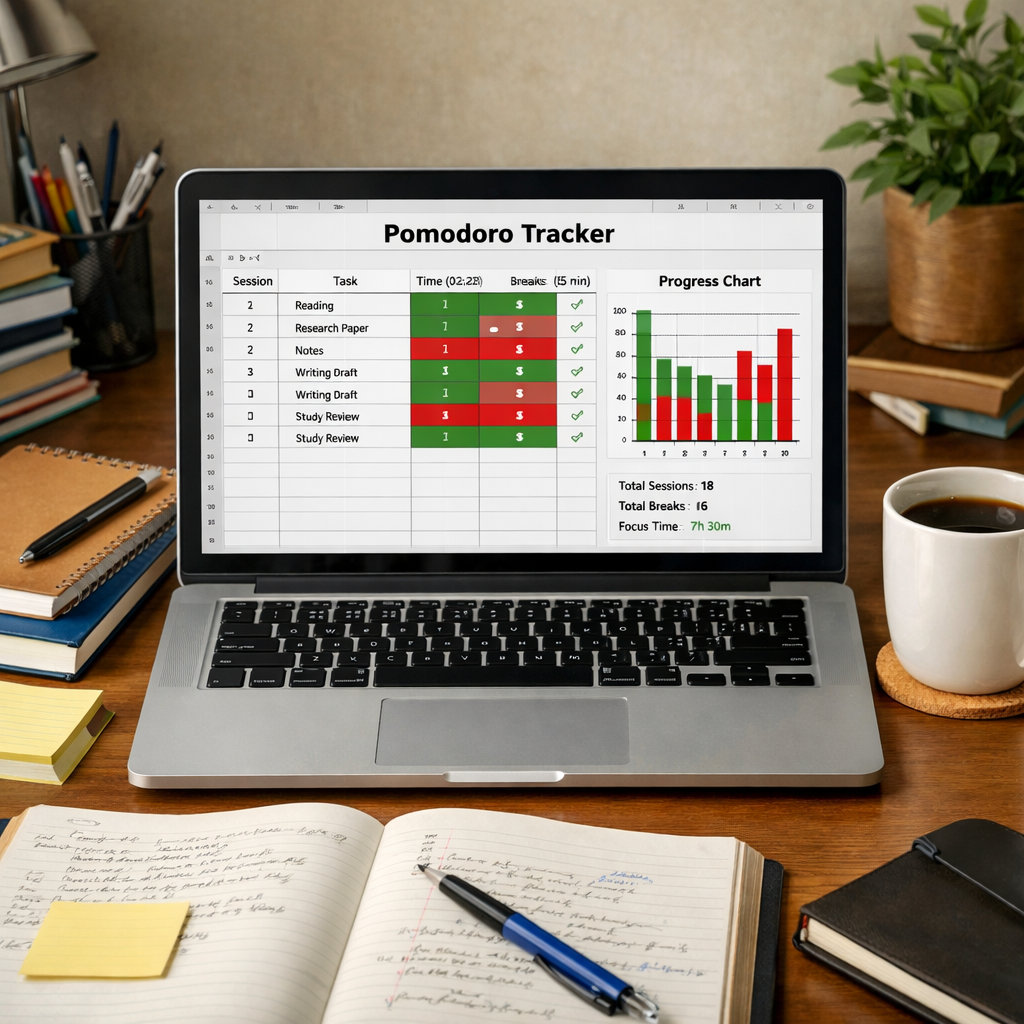
The key is to be flexible. If a task takes longer than expected, adjust your schedule for the rest of the day. Tools like Opal can help you manage these focus sessions effectively.
Manage Your Time Strategically
Managing time with ADHD is an ongoing process of learning and adapting. It’s not about finding a magic bullet, but about building a toolkit of strategies that work for you. This involves understanding your personal energy cycles – when you’re most alert and focused – and scheduling demanding tasks during those times. It also means being realistic about what you can accomplish in a given day and learning to say no to commitments that will overextend you. Regularly reviewing your schedule and making adjustments based on what’s working and what’s not is vital. Don’t be afraid to experiment with different methods until you find your rhythm. Remember, progress, not perfection, is the goal.
Cultivating a Supportive Environment
Sometimes, the biggest hurdle isn’t the task itself, but the world around you. For those of us with ADHD, our environment can either be a constant source of distraction or a powerful ally in getting things done. It’s about making your surroundings work for you, not against you.
Find a Supportive Community or Accountability Partner
Having someone in your corner makes a huge difference. This could be a friend, family member, or even someone you meet online who "gets it." They can offer encouragement, check in on your progress, and help you stay on track when you feel like giving up. Accountability partners are especially helpful because they provide a gentle nudge to keep you moving forward. It’s not about being nagged; it’s about having a shared commitment to goals.
- Regular Check-ins: Schedule brief, regular calls or messages to discuss what you’ve accomplished and what’s coming up.
- Shared Goals: Work towards similar objectives, even if your specific tasks differ.
- Mutual Support: Be there for each other during tough moments and celebrate wins together.
Dedicate a Distraction-Free Workzone
Think of this as your "focus fortress." It doesn’t have to be a whole room; even a corner of a room can work. The key is that this space is only for work or focused tasks. When you sit down in your workzone, your brain should start to associate it with productivity. This helps bypass some of the initiation struggles.
Creating a physical boundary for your work helps signal to your brain that it’s time to concentrate. It’s like a mental cue that says, "Okay, focus time is now."
Remove Distractions From Your Workspace
This is where you get practical. Look at your desk. What’s there that doesn’t need to be? Papers from old projects? Random gadgets? Put them away. The less visual clutter, the less your brain has to sift through to find what it needs. This applies to digital spaces too. Close unnecessary tabs, turn off notifications, and maybe even put your phone on silent and out of sight.
- Desk Declutter: Keep only what you need for your current task visible.
- Digital Cleanup: Close extra browser tabs and silence non-urgent alerts.
- Noise Control: Consider noise-cancelling headphones or ambient sounds if noise is an issue.
Shifting Your Mindset for Success

Sometimes, the biggest hurdle isn’t the task itself, but how we think about it. When you have ADHD, your brain might naturally lean towards avoiding things that feel overwhelming or boring. Changing how you view challenges and your own abilities can make a huge difference. It’s about being kinder to yourself and seeing progress, not just perfection.
Embrace Self-Compassion and a Growth Mindset
It’s easy to get down on yourself when you procrastinate. You might think, "I’m so lazy," or "Why can’t I just do this?" But that kind of thinking doesn’t help. Instead, try to treat yourself like you would a friend who’s struggling. Acknowledge that it’s tough, and that’s okay. A growth mindset means believing you can get better with practice, rather than thinking your abilities are fixed. So, if a task feels impossible today, it doesn’t mean it will always be that way.
- Recognize that procrastination is a symptom, not a character flaw.
- Focus on effort and learning, not just the outcome.
- Celebrate small wins, even if they seem insignificant.
When you mess up, it’s not the end of the world. It’s just a chance to learn something new about what works for you and what doesn’t. Think of it as gathering data for your personal productivity experiment.
Visualize Accomplishments and Achievements
Imagine what it feels like to actually finish that task you’ve been putting off. What will you gain? How will you feel? Even if you’re not someone who easily pictures things in your head, try to focus on the positive feelings associated with completion. This mental rehearsal can actually give your brain a little boost of motivation, making it easier to get started.
Accept Failure and Persevere Through Challenges
Things won’t always go perfectly, and that’s normal. Instead of letting a setback completely derail you, try to see it as a temporary bump in the road. What did you learn from it? How can you adjust your approach next time? Building this kind of resilience means you’re less likely to give up when things get tough. It’s about getting back up, even when it’s hard.
- Don’t let one mistake define your entire effort.
- Break down what went wrong into smaller, understandable parts.
- Identify one small change you can make for the next attempt.
This shift in perspective is key. It moves you from feeling stuck and defeated to feeling capable and in control, even when facing difficult tasks.
Boosting Productivity and Focus
Sometimes, even with the best plans, staying on track feels like trying to catch smoke. That’s where actively boosting your productivity and focus comes in. It’s not just about willpower; it’s about using smart tactics that work with your brain, not against it.
Incorporate Physical Exercise and Movement
Think of movement not as a break from work, but as a way to prepare for it. Getting your body moving can really prime your brain for better concentration. Even short bursts can make a difference.
- Morning Movement: Try to get some moderate exercise in the morning, like a brisk walk or some quick stretches. This can create a "focus window" that lasts for a few hours.
- Movement Breaks: Schedule short, 5-10 minute breaks for walking or stretching every hour. It sounds simple, but it helps reset your attention.
- Active Transitions: When you switch tasks, stand up and do something physical. A few jumping jacks or a quick walk around the room can signal a clear shift to your brain.
Movement is a powerful tool for ADHD brains. It helps regulate energy levels, improve mood, and directly supports the brain functions needed for sustained attention and task completion. It’s not a distraction; it’s fuel.
Use Positive Self-Talk to Stay Motivated
What you say to yourself matters. When you’re facing a tough task or feeling stuck, your internal dialogue can either push you forward or keep you frozen. Learning to reframe your thoughts can be a game-changer.
- Acknowledge Effort: Instead of focusing only on the outcome, praise yourself for the effort you’re putting in. "I’m working on this, even though it’s hard" is much better than "I can’t do this."
- Break Down the Negative: If you catch yourself thinking, "This is impossible," try to break that thought down. What specifically feels impossible? Can you tackle just one small part of it?
- Visualize Success: Spend a moment imagining yourself completing the task and the good feeling that comes with it. This can build momentum.
Experiment With Medication and Treatment Options
For some people, medication and other therapeutic approaches can significantly help manage ADHD symptoms, including those related to focus and procrastination. It’s not a magic fix, but it can be a really important piece of the puzzle.
- Consult Professionals: Talk to your doctor or a mental health specialist about your options. They can help you understand what might be suitable for your specific situation.
- Consider Therapy: Different types of therapy, like Cognitive Behavioral Therapy (CBT), can teach you practical strategies for managing ADHD symptoms and improving focus.
- Be Patient: Finding the right treatment or combination of treatments can take time and may involve some trial and error. It’s a process, and it’s okay if it’s not perfect right away.
Keep Going, You’ve Got This
Look, beating procrastination when you have ADHD isn’t a one-and-done thing. It’s more like learning a new skill, and sometimes you’ll stumble. The key is to remember all the tricks we talked about – breaking things down, making your space work for you, and being kind to yourself when you slip up. Don’t get discouraged if a strategy doesn’t click right away. Just try another one. You’re building new habits, and that takes time and practice. Keep experimenting, keep trying, and celebrate those small wins. You’re figuring out what works for your brain, and that’s a huge step forward.
Frequently Asked Questions
What is ADHD procrastination and why is it different?
ADHD procrastination isn’t just being lazy. It happens because ADHD brains find it hard to get started on tasks that aren’t super interesting or don’t give a quick reward. Things like feeling overwhelmed, scared of messing up, or just plain bored can make it super tough to begin, and that’s not about not wanting to do it.
How can I make big tasks less scary?
The trick is to break them down! Think of a huge project like climbing a mountain. You don’t just jump to the top. You take small steps. So, turn that big task into tiny, doable actions. Finishing each small step feels good and makes the whole thing seem much easier.
What’s the deal with routines and ADHD?
Routines are like a helpful map for your day. When you have a set time for things, like homework or chores, your brain doesn’t have to waste energy figuring out what to do next. It makes starting tasks feel more automatic, which is a big win when you have ADHD.
How can I stop getting sidetracked all the time?
It helps to create a special spot just for working or studying, where you won’t be bothered. Think about turning off phone alerts, closing extra tabs on your computer, or even using headphones to block out noise. Making your space less distracting helps your brain focus better.
Is it okay to not be perfect all the time?
Absolutely! Trying to be perfect can actually make procrastination worse because it feels impossible to start. It’s way better to aim for ‘good enough’ and get things done. Think of mistakes as chances to learn, not as failures. Being kind to yourself is super important.
Can exercise really help with procrastination?
Yes! Moving your body is amazing for your brain. When you exercise, it can help you focus better and feel more energized. Even a short walk can make a big difference in getting you ready to tackle those tasks you’ve been putting off.