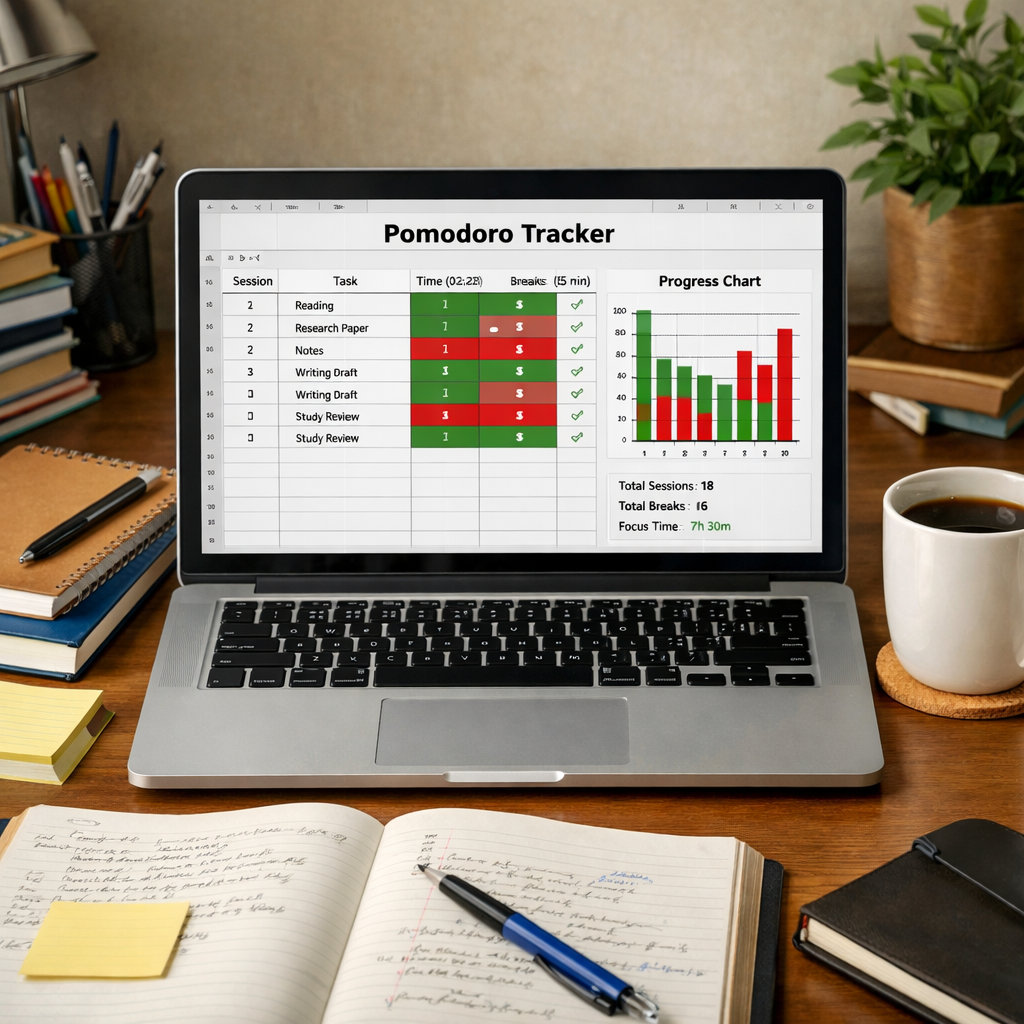

Living with ADHD can feel like a constant battle against distractions and disorganization. It’s tough to keep track of everything when your brain works a little differently. Luckily, there are tools out there that can really help. We’re talking about ADHD productivity apps – digital helpers designed to make your day-to-day life a bit smoother. Think of them as your personal assistants, ready to remind you, organize your tasks, and help you build better habits. In this guide, we’ll explore how these apps can make a real difference in managing your ADHD.
Key Takeaways
- ADHD productivity apps help manage daily tasks by offering structured layouts, timely reminders, and clear prioritization to reduce distractions and overwhelm.
- Building consistent routines is easier with apps that provide customizable templates and habit-tracking features, supporting long-term growth.
- Look for apps with user-friendly designs, flexible customization options, and reliable notification systems to fit your personal needs.
- Integrate your chosen ADHD productivity app by starting small, using visual aids like color-coding, and breaking down large tasks into smaller steps.
- Complement app usage with other strategies like establishing daily routines, practicing mindfulness, prioritizing physical health, and seeking professional support for overall ADHD management.
Understanding The Power Of ADHD Productivity Apps
Living with ADHD can sometimes feel like trying to keep a dozen plates spinning at once. Tasks can slip through the cracks, routines can feel impossible to stick to, and staying focused can be a real challenge. That’s where specialized productivity apps come in. They’re not just fancy to-do lists; they’re designed with the unique needs of ADHD brains in mind, offering tools to help bring order to the chaos.
Enhancing Focus and Minimizing Distractions
Distractions are a big one for many of us with ADHD. It’s like our brains are wired to notice everything except what we’re supposed to be focusing on. Productivity apps tackle this head-on by presenting your day in a clear, organized way. Think of it as a visual roadmap for your tasks and schedule. They also send timely nudges, reminding you what needs your attention now, and often let you highlight what’s most important, so you know where to direct your energy first. These apps help create a structured environment that makes it easier to stay on task.
Building Sustainable Routines and Healthy Habits
Consistency is tough with ADHD, but it’s also super important for managing things. Planner apps are built to help you create and stick with routines. They often come with pre-made templates for daily, weekly, or monthly schedules, which you can adapt. Many also include habit trackers that give you feedback and a little boost of motivation as you build new habits. Plus, they can send automatic reminders to help reinforce those new routines, whether it’s for work, school, or just taking care of yourself.
Why Digital Planners Are Essential for ADHD Management
Digital planners are more than just a place to jot things down. They act as an external brain, helping to reduce that feeling of mental overload. By consolidating all your tasks, appointments, and reminders into one organized system, you free up mental space. This can lead to less anxiety and a greater sense of control over your day. They also allow for flexibility; if something unexpected pops up, you can adjust your plan without losing track of everything else. It’s about creating a system that works with your brain, not against it.
The core idea is to externalize the organizational demands that can be so taxing for individuals with ADHD. By offloading the mental effort of remembering, prioritizing, and scheduling, these apps allow for more cognitive resources to be directed towards the actual tasks at hand.
Key Features To Look For In An ADHD Productivity App
When you’re looking for an app to help manage ADHD, it’s easy to get overwhelmed by all the options. But really, it comes down to a few core things that make a big difference in how useful the app actually is. Think about what trips you up the most during the day – is it forgetting appointments, getting sidetracked, or just not knowing where to start with a big project? The right app should directly address those pain points.
Customizable Templates and Layouts
One size definitely doesn’t fit all, especially with ADHD. You need an app that lets you tweak things to match how you think and work. This means being able to change up the look, add or remove sections, and create templates for things you do regularly, like morning routines or weekly planning. Some apps come with pre-made templates for common needs, which is a good starting point, but the ability to really make it your own is where the magic happens.
- Daily task lists: Simple checklists that you can reorder or mark as done.
- Habit trackers: Visual ways to see if you’re sticking to new habits.
- Project breakdowns: Sections to divide big tasks into smaller, manageable steps.
- Weekly or monthly overviews: A bird’s-eye view of what’s coming up.
Effective Reminders and Notification Systems
This is a big one. Forgetting things is a common challenge, so your app needs to be good at reminding you. But not just any reminders – they need to be smart. Can you set different types of alerts? Maybe a gentle nudge a few minutes before something, and a more insistent one if it’s really important? Some apps let you set recurring reminders for daily tasks, which is super helpful for building consistency.
The goal here is to have the app act as an external brain, gently guiding you without becoming another source of annoyance. Think of it as a helpful assistant, not a nagging boss.
Intuitive Design and Ease of Use
If an app is complicated to figure out, you’re probably not going to use it. Look for something with a clean interface that’s easy to navigate. You shouldn’t have to read a manual to figure out how to add a task or set a reminder. Test out the basic functions – can you quickly add an item? Is it easy to find what you need? A simple, straightforward design means less friction and more actual productivity.
Integration Capabilities With Other Tools
Most of us use a bunch of different apps and tools already. Your productivity app shouldn’t exist in a vacuum. See if it can connect with your calendar, email, or other task management software you might already rely on. This way, everything stays in sync, and you don’t have to double-enter information. For example, if your app can sync with your Google Calendar, all your appointments and tasks can live in one place, making it easier to see your whole day at a glance.
Top ADHD Productivity App Strategies For Success
So, you’ve picked out an app that seems like a good fit. That’s awesome! But just having the app isn’t the magic bullet, right? You’ve got to actually use it in a way that works for your brain. It’s all about making the app work for you, not the other way around. Let’s talk about some practical ways to get the most out of your new digital sidekick.
Leveraging Personalized Goal-Setting Features
This is where things get really interesting. Instead of just listing tasks, think about what you actually want to achieve. Most good apps let you set bigger goals and then break them down into smaller, bite-sized steps. This is super helpful because those giant projects can feel impossible when you’re staring at them. Breaking them down makes them feel manageable, and ticking off those little steps gives you a nice little boost of motivation. It’s like climbing a mountain one step at a time instead of trying to leap to the top.
Utilizing Expert Guidance and Evidence-Based Techniques
Some apps aren’t just planners; they’re like having a coach in your pocket. They might offer tips or strategies that are actually backed by research on how ADHD brains work. This could be anything from advice on how to handle procrastination to techniques for staying focused during a task. It’s like getting a cheat sheet for managing your own mind, which can be incredibly useful when you’re feeling stuck.
Mastering Time Management With Immersive Focus Modes
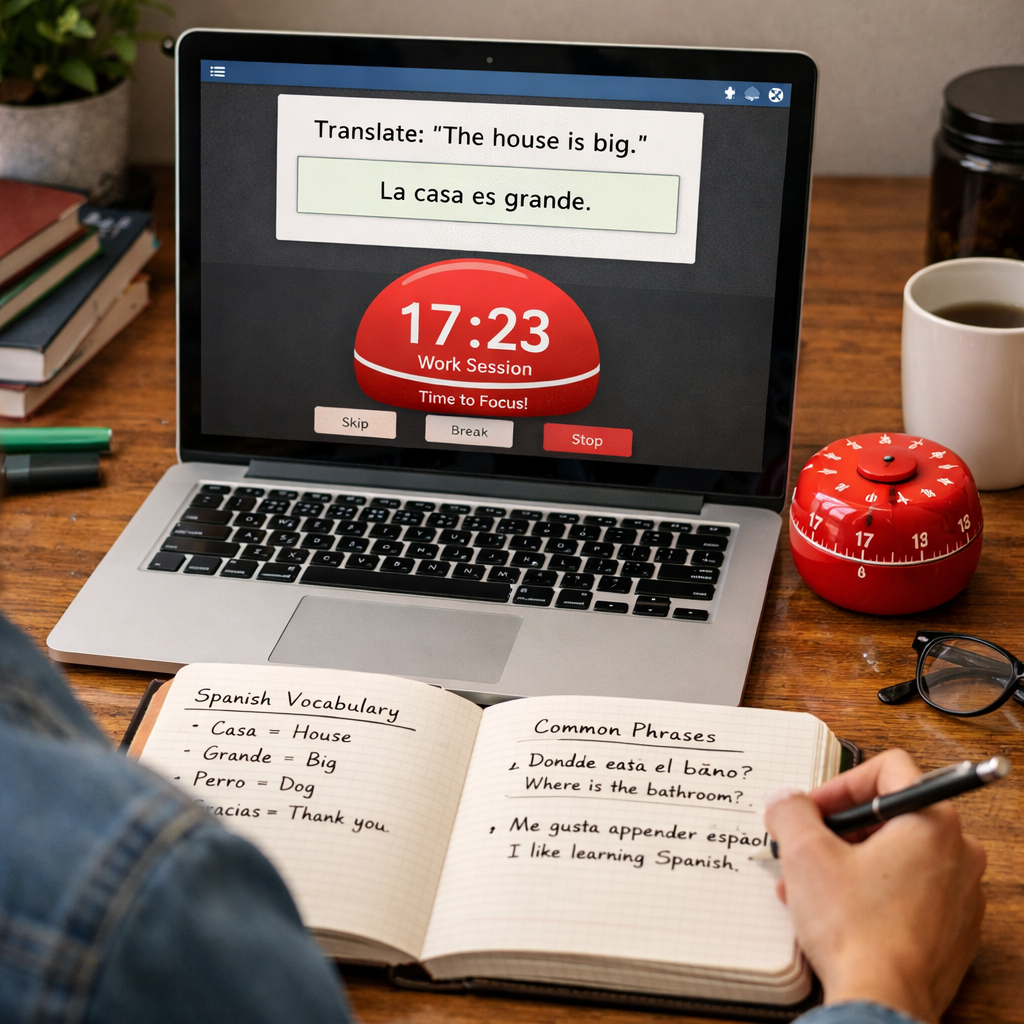
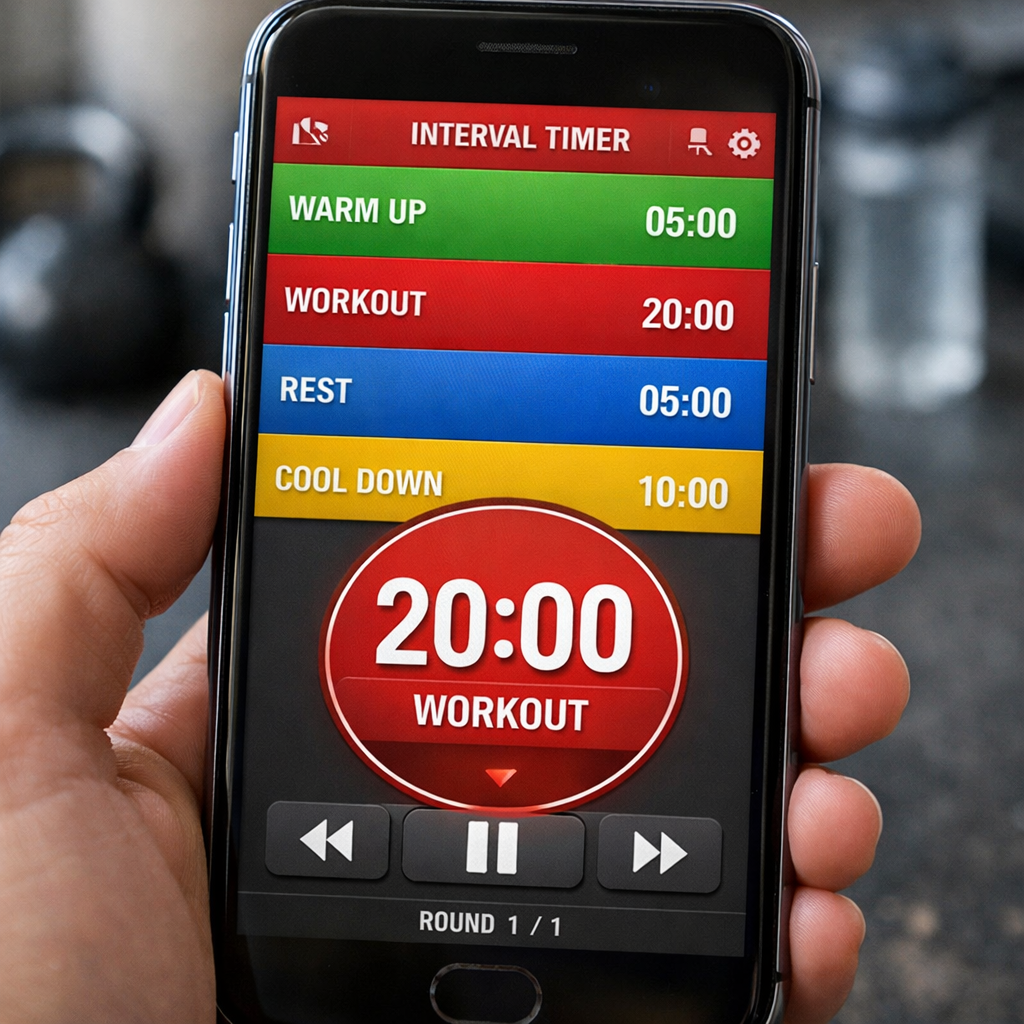
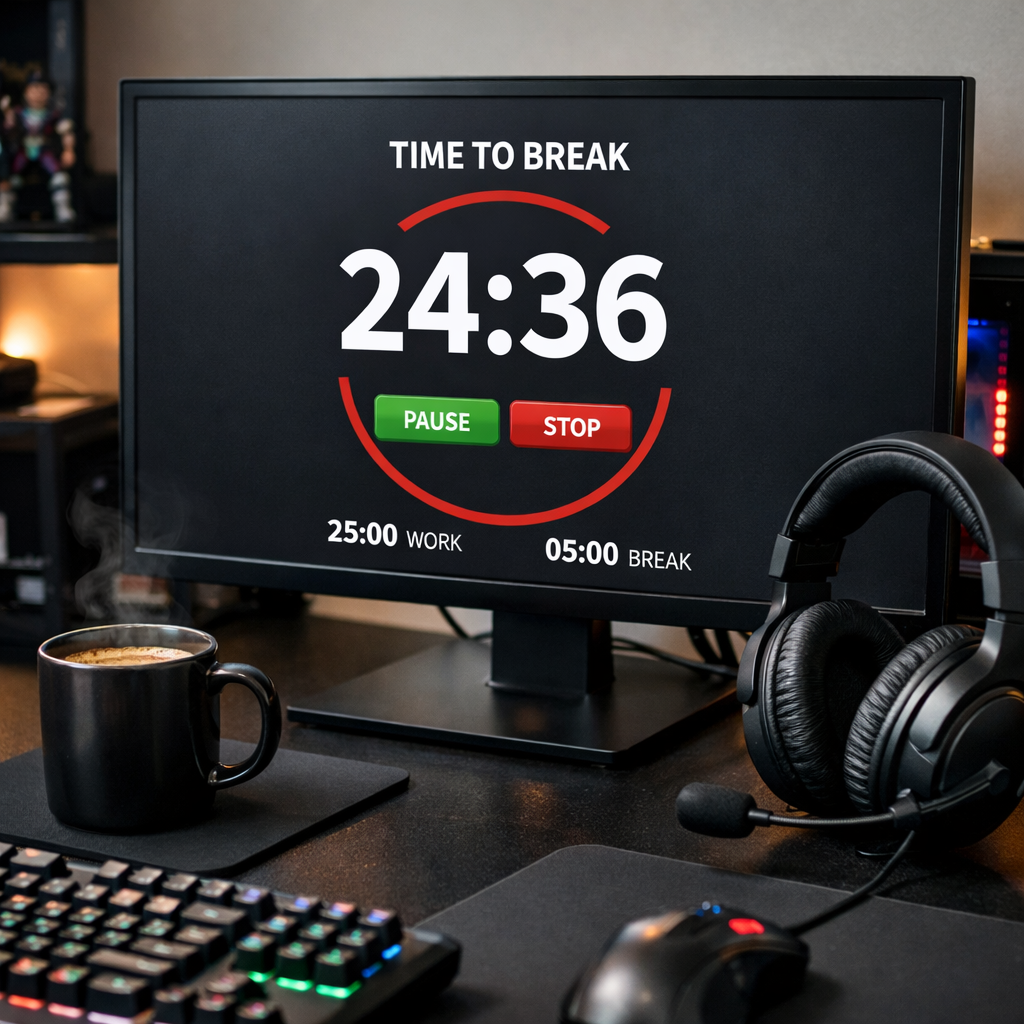
Distractions are a big one for many of us, and apps know this. Many have features designed to help you really zone in on a task. Think of ‘focus modes’ or ‘time-blocking’ features. You set a timer for a specific task, and the app might block distracting notifications or even play some ambient noise to help you concentrate. It creates a little bubble of productivity. You can even set up different modes for different types of work – maybe one for deep thinking and another for quick tasks.
Connecting With A Supportive Community
This is a feature that’s becoming more common and it’s pretty neat. Some apps have built-in communities where you can connect with other people who have ADHD. You can share tips, vent about challenges, and celebrate wins together. It’s a reminder that you’re not alone in this, and seeing how others manage their days can give you new ideas. Plus, getting encouragement from people who get it can be a real game-changer.
The key is to experiment. What works for one person might not work for another. Don’t be afraid to try different features and see what sticks. It’s a process of discovery, and the goal is to find a rhythm that helps you get things done without feeling completely drained.
Choosing The Right ADHD Productivity App For Your Lifestyle
So, you’ve decided to try out an app to help manage things. That’s a big step! But with so many options out there, how do you pick the one that actually fits your life? It’s not about finding the fanciest app; it’s about finding a tool that clicks with how you think and work.
Assessing Your Unique ADHD Challenges
First off, let’s be real about what you’re trying to tackle. Everyone’s ADHD shows up a little differently. Are you constantly losing track of time? Do you have a hard time starting tasks, or maybe finishing them? Perhaps building a consistent daily routine feels like climbing a mountain. Pinpointing these specific areas is key. It helps you figure out what features will actually make a difference for you, rather than just adding another thing to manage.
- Task Management: Do you need help just keeping track of what needs doing?
- Routine Building: Is sticking to a schedule the main hurdle?
- Focus & Productivity: Do you need help staying on task without getting sidetracked?
Prioritizing Features That Simplify Planning
Once you know what you need help with, you can look for apps that offer those specific solutions. Don’t get bogged down by a million features you’ll never use. Think about what will genuinely make your day easier. For example, if you’re always forgetting appointments, a robust reminder system is probably more important than a complex goal-setting module. The best app for you will be the one that feels intuitive and doesn’t add to your mental load.
- Customizable Templates: Can you tweak it to look how you want and track what matters to you?
- Reminders & Notifications: Do they actually get your attention without being annoying?
- Ease of Use: Is the interface clean and simple, or will it take you a week to figure out?
Trying out a few different apps before committing is a smart move. Most offer free trials, so you can see if the workflow feels right before you pay anything. It’s better to spend a little time testing than to get stuck with an app that just doesn’t work for you.
Considering Accessibility and Cross-Device Compatibility
Think about where and when you’ll be using the app. Will you be on your phone, your computer, or both? If you jot down a task on your laptop, you’ll want it to show up on your phone instantly. Also, consider if you need to access your plan when you don’t have internet. Some apps, like Todoist, work well across different devices and even offline, which can be a lifesaver when you’re on the go. Make sure the app is easy to access and use, no matter your setup. This way, your planning tool is always there when you need it, not just when you’re sitting at your desk.
Integrating Your Chosen ADHD Productivity App
So, you’ve picked out an app that seems like it might actually help. That’s awesome! But just downloading it isn’t the magic bullet. The real work starts now, figuring out how to make this digital tool a regular part of your day without it becoming another thing you forget about. It’s about building a habit, and that takes a bit of planning itself.
Starting Small and Gradually Increasing Usage
Don’t try to do everything at once. That’s a recipe for overwhelm, and we’re trying to avoid that, right? Pick just one or two features to focus on first. Maybe it’s just setting up your daily to-do list or using the reminder function for one important appointment. Once that feels natural, then you can add another feature. Think of it like learning a new skill – you wouldn’t try to run a marathon on day one.
Utilizing Visual Cues and Color-Coding
Our brains often respond well to visual information. Most apps let you use colors or tags to sort tasks. This can be super helpful for quickly seeing what’s urgent, what’s personal, or what’s work-related. Assigning a specific color to different types of tasks can make your list less of a jumbled mess and more of an organized map of your day. It helps your brain process information faster.
Setting Realistic Deadlines and Breaking Down Tasks
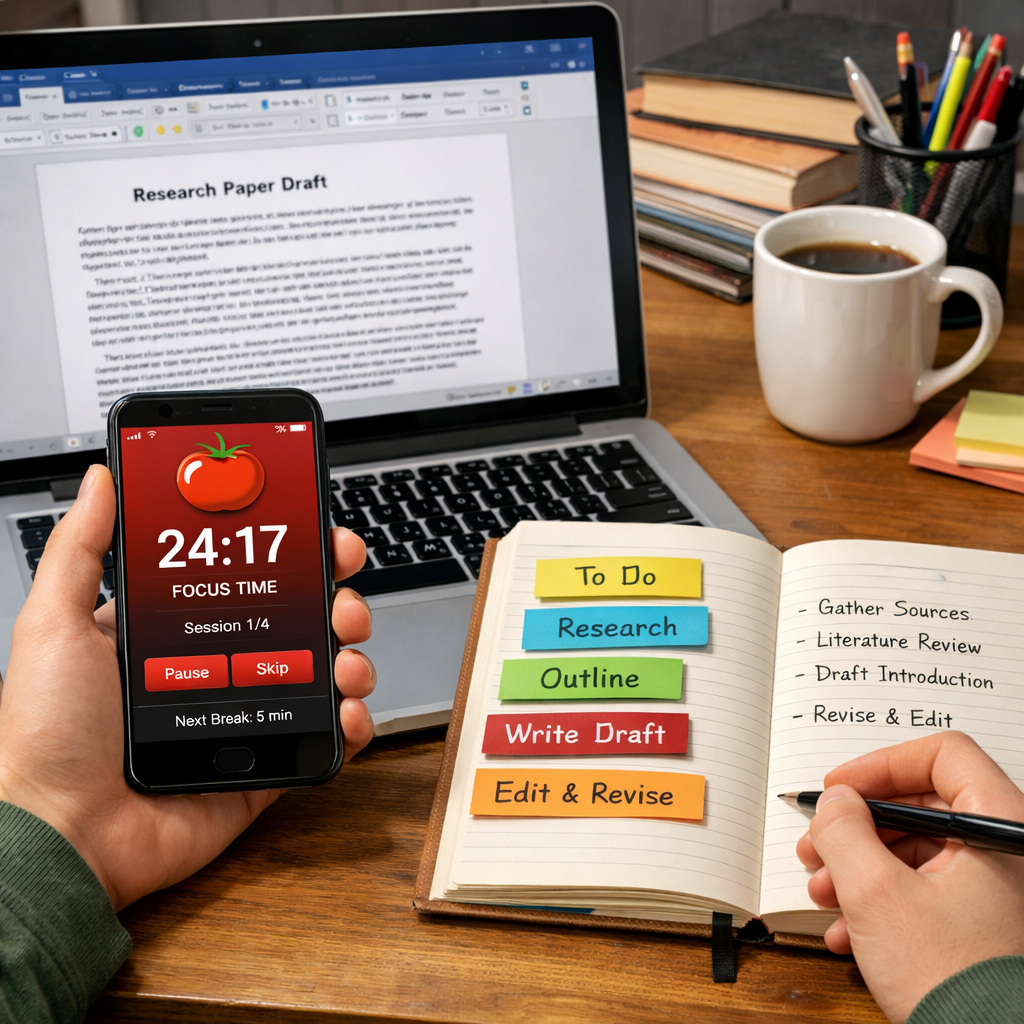
This is a big one. It’s easy to put down a task like ‘Write Report’ with a deadline tomorrow. But if that report is 20 pages long, that’s a lot to tackle. Instead, break it down. ‘Research topic,’ ‘Outline sections,’ ‘Write introduction,’ ‘Draft section 1,’ and so on. Assigning smaller, more manageable chunks makes the whole project feel less daunting. And be honest about deadlines – if something realistically takes three days, don’t put it down for tomorrow. You can always adjust if you finish early.
Regularly Reviewing and Updating Your Plan
Your app is a living document, not something you set and forget. Take a few minutes each day, maybe at the end of the workday or first thing in the morning, to look over your plan. What did you accomplish? What needs to move to tomorrow? Are there new things that popped up? This review process helps you stay on track and makes sure your plan actually reflects what’s happening in your life. It’s also a good time to see if the app is still working for you and if you need to tweak any settings or explore other organizational tools.
The key to making any productivity app stick is consistency, not perfection. It’s okay to miss a day or have a plan that goes off the rails. The important thing is to get back to it the next day. Small, consistent efforts build momentum over time.
Beyond The App: Complementary ADHD Management Strategies
Look, apps are great. They really are. But they’re not magic bullets, you know? Relying solely on a digital tool, no matter how fancy, probably won’t fix everything. Think of the app as your super-organized assistant, but you still need to be the boss who knows what they want done. To really get a handle on things with ADHD, you need to build a whole system around that app. It’s about creating habits and a lifestyle that supports your productivity, not just hoping the app will do all the heavy lifting.
Establishing Consistent Daily Routines
This is huge. When your days have a predictable flow, it takes a lot of the mental energy out of figuring out what to do next. For folks with ADHD, this predictability can be a real game-changer. It reduces that feeling of being overwhelmed by endless choices.
- Morning Rituals: Start your day with a few simple, consistent actions. Maybe it’s making coffee, stretching for five minutes, or reading a page from a book. Don’t try to do too much at once.
- Work/Study Blocks: Designate specific times for focused work, even if they’re short. Knowing that 9 AM to 10 AM is for deep work, for example, helps.
- Evening Wind-Down: Create a routine to signal to your brain that it’s time to relax. This could involve tidying up your workspace, journaling, or listening to calm music.
Building these consistent patterns helps create a reliable structure that your brain can follow, reducing the need for constant decision-making and impulse control.
Practicing Mindfulness and Meditation
I know, I know. "Mindfulness? For ADHD?" Hear me out. It’s not about emptying your mind – that’s pretty much impossible for most of us. It’s more about learning to notice where your attention is and gently bringing it back when it wanders. This skill is directly transferable to staying on task.
- Short Guided Meditations: Apps like Calm or Headspace offer short, beginner-friendly sessions. Even 5 minutes can make a difference.
- Mindful Moments: Throughout the day, take 30 seconds to just focus on your breath or the sensations around you. Notice the feeling of your feet on the floor or the sounds in the room.
- Body Scan: Lie down and bring your attention to different parts of your body, noticing any sensations without judgment. This helps ground you in the present.
Prioritizing Physical Health and Well-being
This one might seem obvious, but it’s often the first thing to go when life gets hectic. However, your physical state has a massive impact on your mental state and your ability to focus. Getting enough sleep, eating decent food, and moving your body are not optional extras; they’re foundational.
| Aspect | Impact on ADHD Symptoms |
|---|---|
| Sleep | Affects focus, emotional regulation, and impulsivity. |
| Nutrition | Stable blood sugar helps manage energy and mood swings. |
| Exercise | Boosts dopamine and norepinephrine, improving focus. |
Regular physical activity can be incredibly beneficial for managing ADHD symptoms. It helps regulate neurotransmitters in the brain that are often imbalanced in individuals with ADHD, leading to improved attention and reduced hyperactivity. Finding an activity you enjoy, whether it’s a brisk walk, dancing, or a sport you like, is key to sticking with it.
Seeking Professional Support and Coaching
Sometimes, you just need a little extra help. A therapist or an ADHD coach can provide personalized strategies and accountability that an app just can’t replicate. They understand the nuances of ADHD and can help you develop coping mechanisms tailored to your specific challenges. They can also help you work through the emotional side of managing ADHD, which is often overlooked. Don’t hesitate to reach out if you feel stuck or overwhelmed; it’s a sign of strength, not weakness.
Wrapping It Up
So, we’ve gone through a bunch of apps that might just make life with ADHD a little bit easier. It’s not about finding some magic bullet, you know? It’s more about finding the right tool that clicks with how your brain works. Whether it’s a super simple to-do list or something with all the bells and whistles, the main thing is actually using it. Give a few a try, see what feels right, and don’t be afraid to switch if it’s not helping. You’ve got this.
Frequently Asked Questions
How can a planner app help me with ADHD?
Think of a planner app as your personal assistant for your brain! For folks with ADHD, it’s super helpful because it can remind you of things, help you break down big tasks into smaller, easier steps, and keep your day organized so you don’t feel so overwhelmed. It’s like having a clear map for your day.
What are the most important things to look for in an ADHD app?
You’ll want an app that’s easy to use and doesn’t look too cluttered. Features like customizable reminders that actually get your attention are key. Also, look for ways to make it your own with different layouts or colors, and see if it can connect with other apps you already use, like your calendar.
Can apps really help with focus when I have ADHD?
Definitely! Many apps have special ‘focus modes’ that block out distractions, kind of like putting on blinders so you can concentrate on one thing. They also use timers and gentle nudges to help you stay on track without getting sidetracked.
Is it hard to start using a new planning app?
It can feel that way, but the trick is to start small. Don’t try to do everything at once! Begin by using just one or two features, like setting a few reminders or planning one task. As you get used to it, you can add more. It’s like learning to ride a bike – you start with training wheels!
What if I forget to use the app?
That’s a common challenge! Try using visual cues within the app, like bright colors for important tasks, so they catch your eye. Also, set reminders *for* using the app itself! Linking your planning time to an existing habit, like right after breakfast, can also help make it stick.
Are these apps better than a paper planner?
For many people with ADHD, digital apps have an edge because they can offer more interactive features like smart reminders, easy editing, and syncing across devices. Paper planners are great too, but apps can often provide that extra layer of support and flexibility that makes a big difference for managing ADHD.