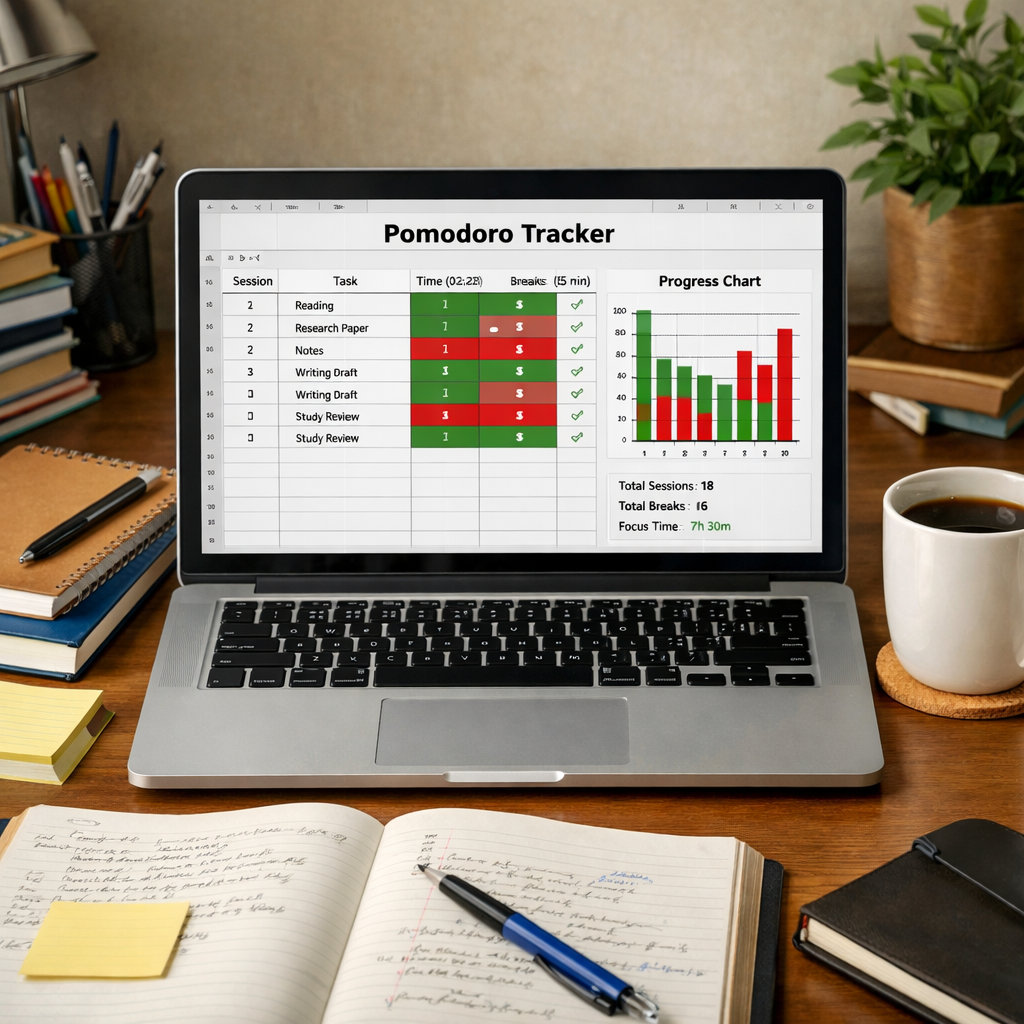

Feeling like your focus is all over the place lately? It happens to the best of us. Whether it’s the constant ping of notifications, the endless scroll of social media, or just that general brain fog that creeps in, staying on task can be a real challenge. If you’ve been using apps like Forest to help, but are curious about what else is out there, you’re in the right spot. We’ve rounded up some of the best alternatives to Forest for 2026 that can help you get back in the zone and actually get things done. It’s all about finding what clicks for you.
Key Takeaways
- Focus Keeper offers a straightforward Pomodoro timer approach, breaking work into focused 25-minute sessions with short breaks, which helps compartmentalize your day.
- Freedom allows you to create custom blocklists of distracting websites and apps, displaying a calming green screen when you try to access them during a focused session.
- Cold Turkey is a no-nonsense app that lets you block specific websites, apps, and even keywords, with options for inspirational quotes as a substitute for blocked content.
- Flora gamifies focus by having you plant virtual trees that grow during productive sessions, with the consequence of a tree dying if you stray, encouraging dedication.
- Toggl Track is a robust time-tracking tool that helps organize work by project or client and includes inactivity alerts to keep you on track.
1. Focus Keeper
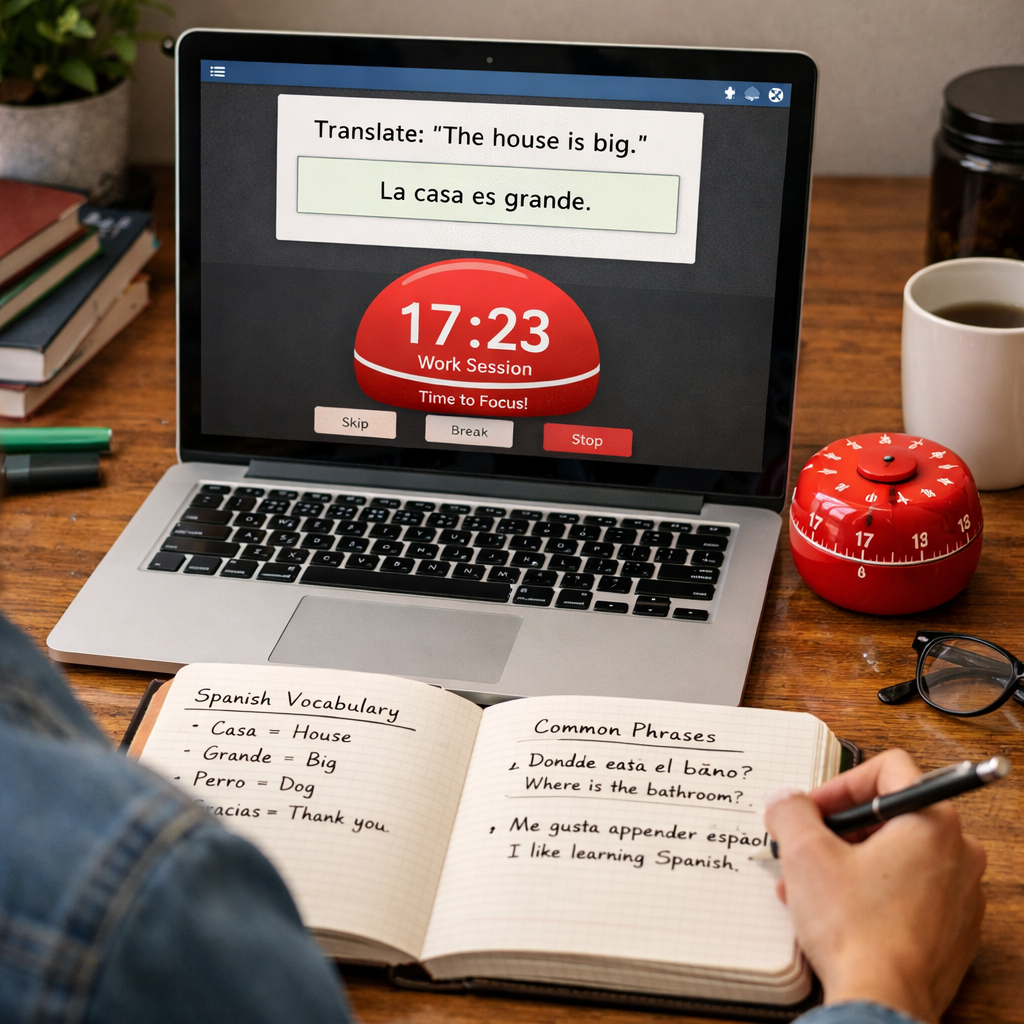
Focus Keeper is a straightforward tool that uses the Pomodoro Technique to help you get things done. It’s pretty simple: you work in focused bursts, usually 25 minutes, followed by short breaks. This method helps break down your day into manageable chunks, making it easier to stay on track without feeling overwhelmed. You can set your own focus session lengths and break times, which is nice because not every task is the same, right? It also lets you customize alarm sounds and even the ticking noise, so it feels a bit more personal.
- Set custom focus and break durations.
- Track your progress with daily and monthly charts.
- Receive customizable notifications and sounds.
It’s available on pretty much all your devices, including your Apple Watch, so you can take it with you wherever you go. It’s a solid choice if you want a no-fuss way to manage your time and boost concentration. For more in-depth productivity insights, you might also want to check out RescueTime.
This app is great for anyone who struggles with maintaining focus for extended periods. The structured intervals help train your brain to concentrate better during work sessions and truly relax during breaks.
2. Freedom
Freedom is a pretty solid choice if you’re looking to really cut down on digital distractions. It’s designed to help you block specific websites and apps across all your devices, which is super handy. You basically create a list of things you want to avoid during your focus time, and Freedom locks them down.
When you start a session, instead of seeing those tempting sites, you get a simple, calming screen. It’s a nice reminder that you’re sticking to your plan. This app syncs your blocklists and sessions everywhere, so whether you’re on your laptop or phone, the rules are the same. This makes it useful not just for work, but for personal time too, like when you’re trying to be present with family or friends.
Here’s a quick look at how it works:
- Create a Blocklist: Decide which apps and websites pull your attention away.
- Start a Session: Set a timer for your focus period.
- Stay Focused: Freedom prevents access to your blocked list until the session ends.
Freedom is all about giving you back control over your time. It helps you protect those hours you dedicate to building something important, whether it’s a project, a skill, or just a more peaceful day. It’s a tool that supports your efforts to safeguard your valuable time.
The core idea is to create a digital environment that supports your goals, rather than working against them. It’s about making conscious choices about where your attention goes.
3. Cold Turkey
Cold Turkey is a pretty no-nonsense app that lives up to its name. If you’re looking for a tool that just gets the job done without a lot of fuss, this might be it. It lets you create a list of websites and applications you want to avoid, and it really locks them down. You can even block specific keywords if you find yourself getting sidetracked by certain searches.
What’s kind of neat is that instead of just a blank screen when you hit a blocked site, Cold Turkey can show you motivational quotes. It’s a small touch, but it can make a difference when you’re struggling to stay on task. You can also schedule blocks for specific times, which is great for setting up a routine. It even includes timers for work periods and breaks, because nobody can focus non-stop.
- Block specific websites and apps.
- Schedule blocking sessions.
- Get motivational quotes instead of blocked content.
- View statistics on your usage to identify problem areas.
Cold Turkey is available for Windows and macOS. It’s not a mobile app, so you’ll need to use it on your computer. There’s also a browser extension option if that works better for you. It’s a solid choice for anyone who needs a firm hand to keep them away from online distractions.
4. Flora
Flora is a pretty neat app that turns focus time into a game. The basic idea is you pick a tree you want to grow, and you set a timer for how long you want to focus. While the timer is running, you can’t use your phone for anything else, or your tree dies. It’s a simple concept, but it actually works surprisingly well for a lot of people.
What I like about Flora is that it makes blocking distractions feel a bit more rewarding. Instead of just a boring timer, you’re actively growing something. If you stick to your focus session, you get a nice little tree. If you break your commitment and hop onto a distracting app, well, Flora lets you know you’ve killed the tree. It’s a bit harsh, but it definitely makes you think twice.
Here’s a quick rundown of how it works:
- Set your focus goal: Decide how long you want to concentrate.
- Plant a seed: Start a timer, and your virtual tree begins to grow.
- Stay focused: Avoid opening distracting apps or websites.
- Watch your forest grow: Successfully completed sessions add trees to your virtual forest.
- Uh oh: If you leave the app, your tree withers.
It’s not just about growing trees, though. You can also connect with friends, challenge each other to focus sessions, and even grow trees together. It adds a social element that can be pretty motivating. Plus, they partner with an organization to plant real trees in the real world when you use the app enough, which is a nice bonus.
Flora gamifies the process of staying focused. By giving your focus sessions a visual, growing outcome, it taps into a desire to nurture and achieve. The consequence of distraction – a dead tree – is a clear and immediate feedback loop that encourages better habits.
It’s a good option if you find yourself easily sidetracked and need a little extra push to stay on task. The visual aspect and the gentle (or not-so-gentle) reminders can make a real difference in how you manage your time.
5. Toggl Track
If you’re looking for a tool that goes beyond just blocking distractions and actually helps you understand where your time is going, Toggl Track is a solid choice. It’s primarily a time-tracking app, but it has some neat features that can help with focus, especially if you’re already using it for work. It’s especially useful if you need to track billable hours.
Toggl Track lets you start and stop timers for different tasks. You can organize these entries by project or client, which is great for keeping things tidy. It also has an inactivity alarm that nudges you if you’ve been idle for too long, reminding you to get back to work. Plus, you can set reminders to turn the tracker on, so you don’t forget to start logging your time.
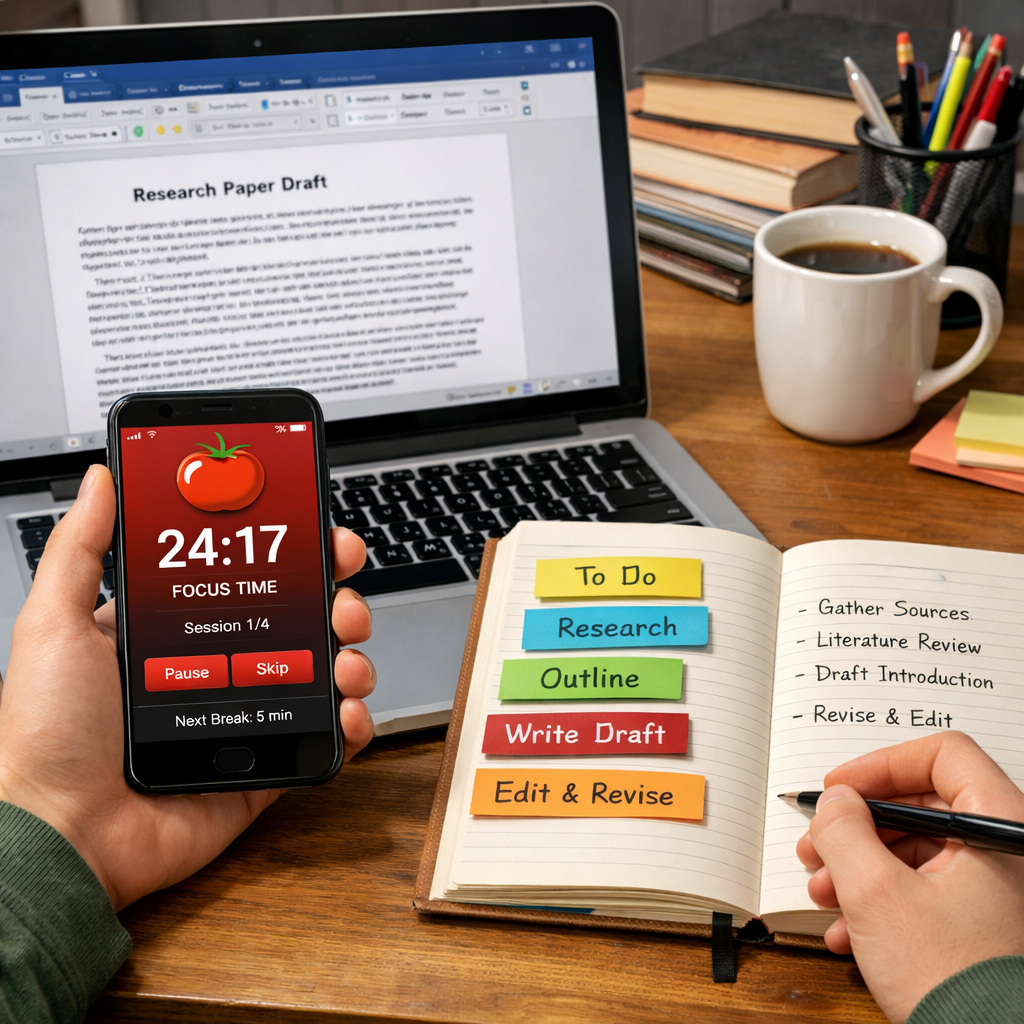
One of the standout features for focus is its Pomodoro timer. While not its main selling point, it’s integrated well. You can set your work intervals (25 minutes is the default) and take breaks. This can help break down your work into manageable chunks.
Here’s a quick look at how it can help:
- Time Logging: Easily track time spent on various tasks and projects.
- Pomodoro Mode: Utilize built-in 25-minute work sessions with breaks.
- Inactivity Alerts: Get nudged back to work if you’ve been inactive.
- Organization: Sort timesheets by project or client for clarity.
Toggl Track offers a desktop app for Windows and Mac, which syncs across your devices. This means you can track your time whether you’re at your desk or on the go, even without an internet connection. It’s a pretty handy way to make sure your productivity is always accounted for.
While Toggl Track is a powerful time-tracking tool, its Pomodoro feature might be more than you need if you’re only looking for a distraction blocker. However, if you want to combine detailed time tracking with focused work sessions, it’s definitely worth checking out Toggl Desktop.
6. RescueTime
Ever feel like your day just vanishes without you knowing where the time went? RescueTime is a tool that aims to clear that up. It works in the background, automatically tracking how much time you spend on different apps and websites. It’s not just about seeing where your minutes go, though. RescueTime gives you reports that can show you if you’re actually spending your time on things that matter for your work or if you’re getting sidetracked.
One of its neat features is called ‘Focus Sessions’. Think of it like a temporary digital detox for specific tasks. During a Focus Session, RescueTime can block distracting websites and apps, helping you stay on track. It also has something called RescueAssistant, which acts like a notification hub, keeping you updated on your schedule and any important alerts without being too intrusive.
- Automated Time Tracking: Runs in the background to log your app and website usage.
- Detailed Reports: Provides insights into your productivity patterns.
- Focus Sessions: Blocks distracting sites and apps to help you concentrate.
- RescueAssistant: Manages notifications and gives a daily overview.
- Integrations: Connects with other apps for a more complete time management system.
RescueTime helps you understand your digital habits and make conscious choices about how you spend your time online, aiming to improve your focus and productivity over time.
7. FocusMe
If you find yourself constantly pulled away by the siren song of social media or endless browsing, FocusMe might be the digital leash you need. It’s designed to help you get back on track with your tasks by blocking those tempting, non-work-related sites and apps. Think of it as a digital gatekeeper for your attention.
One of FocusMe’s standout features is its flexible time limiting. It’s not just a blunt instrument that blocks everything. You can actually set specific time allowances for sites you might need occasionally, like YouTube for research. So, you can allow a certain number of launches or a total duration for these ‘necessary’ distractions within your workday. This means you get some wiggle room without completely derailing your focus.
FocusMe also offers an automatic scheduler. You can map out your work hours and personal time, and the app will send you reminders. This helps create a clearer boundary between when you should be concentrating and when you can relax.
The app runs quietly in the background, keeping an eye on your digital habits and gently nudging you back towards productivity when you stray. It’s like having a personal assistant who’s really good at saying ‘no’ to distractions.
It can be installed on up to five desktop computers per license, working across both Windows and macOS. It also doubles as an activity tracker and can even function as a Pomodoro timer, giving you a multi-faceted approach to managing your time and attention.
8. PomoDome
PomoDone is a handy tool if you’re looking to get more done using the Pomodoro Technique. It’s pretty straightforward: you pick a task, and PomoDone breaks your work time into 25-minute chunks with short 5-minute breaks in between. It’s designed to be simple, so you won’t get lost in complicated menus.
This app integrates smoothly with many other task management tools you might already be using. This means you can pull your to-do list right into PomoDone and start timing your work sessions without a lot of fuss. It’s available as a desktop app, a mobile app, and even a Chrome extension, so you can use it pretty much anywhere.
Here’s a quick look at what it offers:
- Task Integration: Connects with popular task managers like Todoist, Asana, Trello, and more.
- Customizable Timers: While it defaults to the classic 25/5 minute work/break cycle, you can adjust these lengths to fit your personal workflow.
- Cross-Platform Sync: Keep your progress and settings consistent whether you’re on your computer or your phone.
- Basic Reporting: Get a look at how you’re spending your time to help you understand your productivity patterns.
PomoDone focuses on the core Pomodoro timer function, making it easy to jump into focused work sessions without a steep learning curve. It’s a solid choice for those who want a dedicated timer that plays well with their existing productivity apps.
9. Focus Booster
Focus Booster is a straightforward tool designed to help you manage your time and boost productivity. It’s built around the idea that breaking down your work into manageable chunks can make a big difference. Think of it as a digital assistant that keeps you on track without being overly complicated.
This app uses a timer to help you work in focused bursts. The idea is simple: you set a timer for a work session, and then you take a short break. Repeat this cycle, and you’ll find yourself getting more done than you thought possible. It’s a good way to tackle tasks that feel overwhelming.
Here’s a quick look at how it works:
- Set Your Timer: Decide how long you want to focus on a specific task.
- Work in Bursts: Concentrate fully during the timed session.
- Take Short Breaks: Step away briefly to rest and recharge before the next session.
- Track Your Progress: See how much time you’ve spent working and on breaks.
Focus Booster aims to make time management less of a chore and more of a natural part of your workflow. It’s about building a habit of focused work, one session at a time.
It’s a solid option if you’re looking for a simple way to structure your day and get more done. You can find various productivity apps to help teams find the best tools for their needs.
10. Offtime
Offtime is an interesting choice if you’re looking to get a better handle on your screen time and, by extension, your focus. It’s not just about blocking things; it’s more about understanding your habits. When you install Offtime, it starts tracking how you use your phone. It keeps tabs on which apps you open and for how long. This detailed breakdown helps you see exactly where your time is going.
During your scheduled work hours, Offtime can filter calls and texts. Don’t worry, though; you can still set it up so that important contacts can get through. It’s all about finding that balance between being reachable and staying focused. The app also has an ‘Insights’ feature that gives you statistics on your device usage, especially during times you’re supposed to be resting. This can be pretty eye-opening and really helps in building a healthier work-life balance.
Here’s a quick look at what Offtime offers:
- Usage Tracking: Monitors app usage and screen time.
- Call Filtering: Allows important calls through during focus periods.
- Usage Statistics: Provides insights into your digital habits.
- Customizable Schedules: Set specific times for focus and downtime.
Offtime really shines when it comes to self-awareness. It doesn’t just tell you to stop using your phone; it shows you why you might be struggling to do so. This information is key to making real changes to your daily routines and improving your overall productivity. It’s a solid tool for anyone wanting to reclaim their attention span and get more done without feeling overwhelmed by constant digital interruptions. You can find out more about managing your screen time with Offtime.
11. Noisli
Sometimes, the biggest distraction isn’t what’s on your screen, but the noise around you. Or maybe, it’s the lack of noise. Noisli tackles this by letting you create your own perfect soundscape. You can mix and match a variety of ambient sounds to build your ideal background noise. Think rain falling, a crackling fireplace, or even the gentle hum of a fan. It’s like having a personal sound engineer for your workspace.
If you’re not feeling particularly creative, Noisli also offers pre-made sound mixes. They have options specifically designed for productivity, or you can just pick one that sounds relaxing. It’s available on desktop and mobile, which is pretty handy.
Here’s a quick look at what the free version offers:
- Up to 1.5 hours of streaming daily.
- Access to 16 different sounds you can combine.
- Ability to save up to five of your favorite custom mixes.
- Three curated playlists to choose from.
For those who want even more, a premium upgrade unlocks unlimited streaming, more sounds, more playlists, and an advanced timer. It’s a simple idea, but it really works for tuning out the world and getting into your work.
Creating the right auditory environment can make a surprising difference in how well you concentrate. Noisli gives you the control to craft that environment, whether you need the gentle patter of rain or the distant murmur of a coffee shop.
12. Bitrix24
Bitrix24 is a pretty robust platform that goes way beyond just blocking distractions. Think of it as an entire online workspace rolled into one. It’s designed to help teams communicate, manage projects, and share files, all from a single place. For individual focus, its task management features are where it shines.
You can track how long specific tasks take, which is super helpful for figuring out where your time is actually going. This kind of insight can help you adjust your workflow, deal with interruptions better, and generally become more efficient. It’s not just about stopping distractions; it’s about understanding your work habits.
Here’s a quick look at what Bitrix24 offers for productivity:
- Task Management: Assign tasks, set deadlines, and track progress.
- Time Tracking: Log hours spent on tasks and projects.
- Collaboration Tools: Communicate with team members and share documents.
- Project Management: Organize and oversee larger projects.
While it might seem like a lot if you’re just looking for a simple timer, Bitrix24’s integrated approach means you can manage your work, communication, and focus all within the same system. It’s a good option if you want a more all-encompassing solution for your work life.
13. Task Management Apps
Sometimes, the best way to get things done is to just have a clear list of what needs doing. Task management apps are great for this. They help you break down big projects into smaller, manageable steps. You can create lists, set deadlines, and even assign tasks if you’re working with others.
These apps are like your personal assistant for getting through your to-do list. They keep everything organized so you don’t have to remember every little detail.
Here are a few ways they help:
- Organization: Keep all your tasks in one place, sorted by project or priority.
- Progress Tracking: See what you’ve accomplished and what’s still left to do.
- Deadline Management: Set due dates to stay on track and avoid last-minute rushes.
- Collaboration: Share tasks and projects with team members for better teamwork.
Many of these tools also let you add notes or files to tasks, which is super handy. It means all the information you need is right there when you need it.
Using a task management app can really clear your head. Instead of trying to keep everything in your mind, you can just put it in the app and trust it’s there. This frees up mental space so you can actually focus on doing the work, not just thinking about it.
14. Calendar and Scheduling Tools
When you’re trying to get more done, sometimes the best approach isn’t about blocking distractions, but about structuring your time better. That’s where calendar and scheduling tools really shine. They help you see your day, week, or month laid out, so you know exactly what needs your attention and when.
These tools are fantastic for visualizing your commitments and allocating specific blocks of time for focused work. Think of it like planning a trip; you wouldn’t just show up at the airport hoping for the best, right? You plan your flights, your hotel, your activities. Doing the same for your workday can make a huge difference.
Here’s how they can help:
- Visual Time Blocking: Assign specific time slots for tasks, meetings, and even breaks. This makes your intentions clear and helps prevent overbooking.
- Prioritization: Seeing your schedule helps you identify what’s most important and what can wait.
- Accountability: Once something is on your calendar, you’re more likely to stick to it. It’s a commitment you’ve made to yourself.
- Reduced Decision Fatigue: Less time spent figuring out what to do next means more time actually doing it.
Using a calendar isn’t just about noting appointments; it’s about actively designing your day for productivity. It transforms a vague to-do list into a concrete plan of action, making it much easier to stay on track and achieve your goals without feeling overwhelmed.
15. Time Tracking Software
Sometimes, just knowing where your time goes is half the battle. That’s where time tracking software comes in. These tools are designed to give you a clear picture of your daily activities, showing you exactly how long you spend on different tasks, apps, or websites. It’s not just about logging hours; it’s about understanding your own work habits.
The real power of time tracking lies in the insights it provides for future planning and productivity adjustments. You might be surprised to see how much time slips away on less important things. By seeing this data, you can make informed decisions about where to cut back and where to focus more effort.
Here are a few ways time tracking software can help:
- Identify Time Sinks: Pinpoint exactly which applications or websites are eating up your productive hours.
- Measure Task Duration: Get accurate estimates for how long specific tasks actually take, improving your project planning.
- Boost Accountability: Seeing your tracked time can motivate you to stay on task and complete work within set periods.
- Optimize Workflows: Analyze your time logs to find inefficiencies and streamline your daily routine.
Many of these tools offer detailed reports and analytics. You can often customize work sessions and break lengths, and set reminders to keep you on track. Some even sync across multiple devices, so you can track your time whether you’re at your desk or on the go. It’s a straightforward way to gain control over your day.
Understanding your time usage is the first step to improving it. Without this awareness, any attempts to boost focus might be based on guesswork rather than actual data. Time tracking provides that data, making your efforts more targeted and effective.
16. Pomodoro Technique Apps
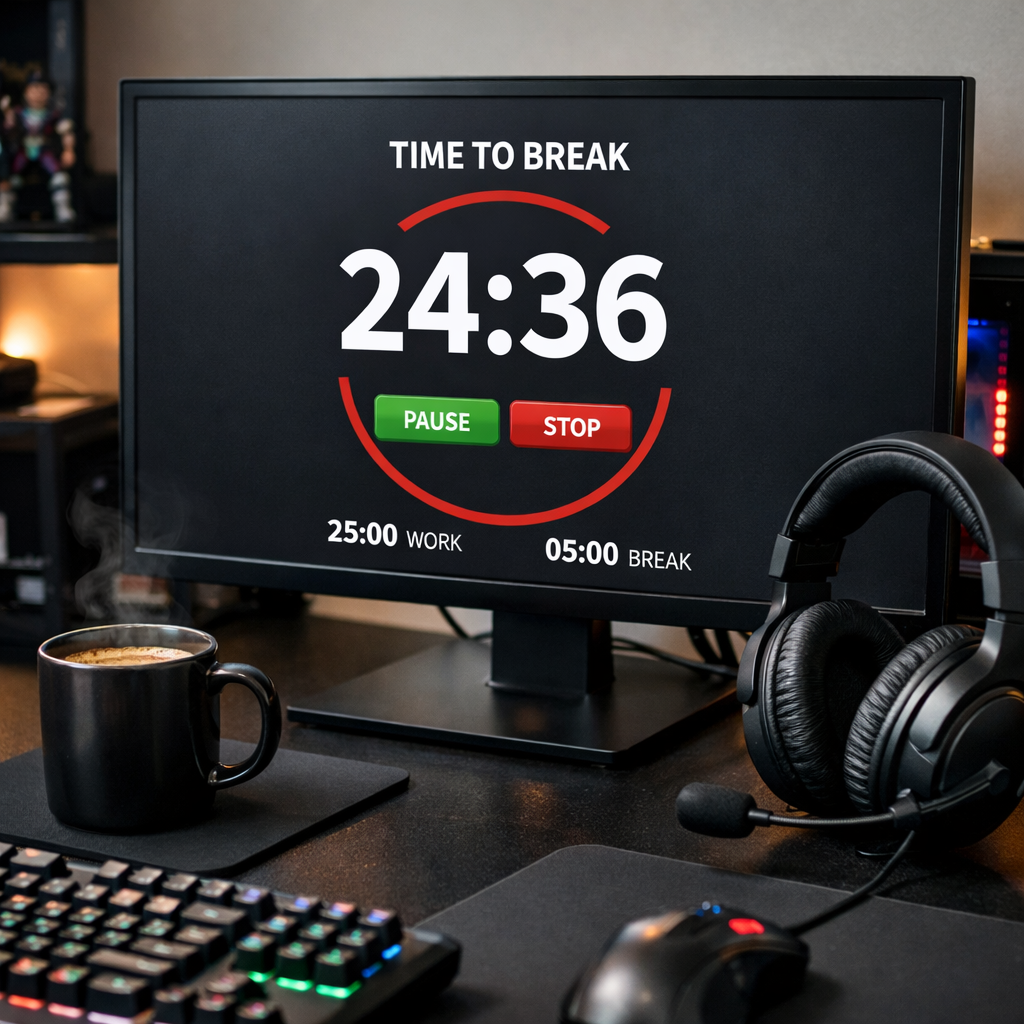
The Pomodoro Technique is a time management method that breaks down work into intervals, traditionally 25 minutes in length, separated by short breaks. It’s a simple yet powerful way to combat procrastination and stay focused. While you can use any timer, dedicated apps make the process smoother.
These apps automate the work-break cycles, track your completed sessions, and often offer additional features to keep you on track. The core idea is to work in focused bursts, allowing your brain to rest and reset between intervals. This prevents burnout and helps maintain a high level of concentration over longer periods.
Here’s how a typical Pomodoro cycle works:
- Work Interval: Set your timer for 25 minutes and focus solely on your task.
- Short Break: After the timer rings, take a 5-minute break. Stretch, grab some water, or just step away from your screen.
- Repeat: Complete three more work intervals and short breaks.
- Long Break: After four work intervals, take a longer break of 15-30 minutes.
Many apps allow you to customize these intervals to fit your personal workflow. Some people find 25 minutes too short or too long, and that’s perfectly fine. The beauty of these tools is their flexibility. You can adjust the work and break times to find what works best for you. For instance, if you’re deep in a task, you might extend a work interval slightly, or if you find yourself getting restless, shorten them. It’s all about finding your rhythm.
The effectiveness of the Pomodoro Technique lies in its structured approach to managing both work and rest. By creating clear boundaries for focused effort and scheduled downtime, it helps prevent mental fatigue and keeps productivity levels consistent throughout the day. It’s not about working harder, but smarter.
When choosing an app, consider what features are most important to you. Some offer simple timers, while others integrate with task lists, track your progress over time, or even include ambient sounds to help you focus. For a straightforward implementation, Pomofocus is a great starting point.
17. Note-Taking and Organization Tools
Sometimes, the best way to get focused isn’t about blocking distractions, but about having your thoughts in order. That’s where note-taking and organization tools come in. They help you sort out what needs doing, how it should be done, and when. Think of them as your personal command center for productivity.
These tools help you capture ideas, structure your work, and keep track of important details, all of which contribute to a clearer mind and better focus. When your tasks and ideas are neatly organized, you spend less mental energy trying to remember things and more energy actually doing them.
Here are a few ways these tools can help:
- Idea Capture: Jot down thoughts, brainstorm solutions, or record meeting minutes the moment they happen. This prevents good ideas from getting lost.
- Task Breakdown: Break down large projects into smaller, manageable steps. Seeing a clear path forward makes the whole task less daunting.
- Information Hub: Keep all relevant notes, links, and documents for a project in one accessible place. No more hunting through scattered files.
- Prioritization: Many tools allow you to tag, categorize, or assign due dates to your notes, helping you decide what to tackle first.
Having a reliable system for organizing your thoughts and tasks can significantly reduce mental clutter. When you know exactly what you need to do and have all the necessary information at your fingertips, you can approach your work with much greater confidence and efficiency.
While not directly timers or blockers, tools like Evernote, Notion, OneNote, or even simple digital notebooks can be integrated into your workflow. You can use them to plan your Pomodoro sessions, list tasks for each work block, and reflect on your progress afterward. It’s about creating a structured environment for your mind to thrive in.
18. Project Management Software
Sometimes, when you’re trying to get work done, it’s not just about blocking distractions. It’s about having a clear picture of what needs to be done, who’s doing it, and when it’s supposed to be finished. That’s where project management software comes in handy. These tools are built to help teams organize tasks, track progress, and keep everything moving forward.
Think of it like this: instead of just trying to focus on one thing, you’re looking at the whole puzzle. Project management software helps you see all the pieces and how they fit together. This can actually make it easier to focus because you know exactly what your next step is and how it contributes to the bigger goal.
Here are some common features you’ll find:
- Task assignment: Clearly delegate tasks to team members.
- Progress tracking: See how far along each task and the overall project is.
- Deadline management: Keep track of due dates to avoid last-minute rushes.
- Collaboration tools: Communicate with your team within the platform.
- Resource allocation: Understand who is working on what and if they have the capacity.
These platforms can really help cut down on confusion and make sure everyone is on the same page. When your team’s work is well-organized, individual focus naturally improves.
Using project management software isn’t just for big companies with complex projects. Even individuals or small teams can benefit from the structure it provides. It helps turn a chaotic to-do list into a manageable plan, which is a huge win for productivity.
19. Distraction-Blocking Apps
Sometimes, you just need a digital bouncer to keep the riff-raff of the internet out while you’re trying to get things done. That’s where distraction-blocking apps come in. These tools are designed to put up a firm wall between you and the endless scroll of social media, tempting websites, and other digital noise that pulls you away from your work. They’re not just about willpower; they’re about creating an environment where focus is the default setting.
Think of them as your personal digital security guards. You tell them what’s off-limits – maybe it’s YouTube during work hours, or that news site you can’t stop refreshing. Once a session starts, these apps enforce your rules, preventing you from accessing those sites or apps until your designated focus time is up. It’s a straightforward approach, but incredibly effective for many people.
Here’s a look at how some of these apps work:
- Freedom: This one lets you create blocklists of websites and apps across all your devices. When a session is active, you simply can’t get to them. It even shows a calming green screen instead of the blocked content, which is a nice touch.
- Cold Turkey: Known for its no-nonsense approach, Cold Turkey lets you block specific websites, applications, and even keywords. You can schedule blocks for recurring work patterns and it offers stats on your time usage, helping you identify what to block next.
- FocusMe: This app offers a wide range of blocking options, from specific websites to entire categories of apps. It also includes features like a Pomodoro timer and usage statistics.
The effectiveness of these apps often comes down to how strictly you configure them and how committed you are to sticking to your own rules. They provide the structure, but you still have to do the work.
While some apps offer free basic versions, many of the more robust features, like cross-device syncing or advanced scheduling, are usually part of a paid subscription. It’s worth trying out a few to see which one fits your workflow and your personal battle against digital distractions.
20. Healing Sounds & Breathing

Sometimes, the best way to get back into the zone isn’t about blocking things out, but about filling your space with something calming. That’s where healing sounds and breathing exercises come in. Think of it like creating a personal sanctuary for your mind, right where you are.
These aren’t just random noises; they’re carefully designed audio experiences meant to help you relax and focus. You can find apps that offer a variety of soundscapes, from gentle rain and ocean waves to ambient music or even nature sounds. The idea is to mask distracting noises and create a more pleasant, steady auditory environment. It’s like giving your brain a gentle nudge towards concentration.
Here’s how you might use them:
- Choose your sound: Pick something that genuinely soothes you. Maybe it’s the sound of a crackling fireplace, a quiet forest, or even white noise.
- Incorporate breathing: Many apps also guide you through simple breathing exercises. Taking a few deep, controlled breaths can really reset your nervous system and clear your head.
- Set a timer: Use these sounds during focused work sessions or even during short breaks to recharge.
- Experiment: What works for one person might not work for another. Try different sounds and techniques until you find your sweet spot.
The goal is to create an atmosphere that supports mental clarity and reduces stress, making it easier to tackle your tasks.
It’s easy to think that focus only comes from intense effort or strict blocking of distractions. But sometimes, a softer approach works wonders. By using calming sounds and mindful breathing, you’re not fighting against your environment; you’re shaping it to be more conducive to concentration. It’s about finding a peaceful rhythm that allows your thoughts to settle and your work to flow.
21. Core Focus Timer
Core Focus Timer is an app that aims to help you get more done by managing your work sessions. It’s designed to be straightforward, letting you set up work periods and breaks without a lot of fuss. Think of it as a digital stopwatch for your tasks, but with a bit more structure.
This tool is particularly useful if you find yourself getting sidetracked easily. It encourages you to dedicate specific blocks of time to a single task, helping to build a habit of focused work. The idea is simple: you set a timer for your work, and then you take a short break. Repeat this cycle, and you can get through a surprising amount of work.
Here’s a basic rundown of how it typically works:
- Set Your Work Interval: Decide how long you want to focus on a task, usually in 25-minute increments, though you can adjust this.
- Start the Timer: Begin your work session. The app will keep track of the time.
- Take a Short Break: Once the work interval is up, take a brief break (e.g., 5 minutes) to rest your mind.
- Longer Break: After a few work intervals, take a longer break (e.g., 15-30 minutes) to fully recharge.
The core benefit is creating a rhythm for your day that supports concentration. It’s not about complex features, but about providing a simple, reliable way to structure your time and minimize distractions during those dedicated work periods. It’s a good option if you want something that just works without a steep learning curve.
22. Habit-Building Apps
Sometimes, the biggest hurdle to focus isn’t a noisy environment or a tempting website, but our own ingrained patterns. That’s where habit-building apps come into play. These tools are designed to help you establish positive routines and break negative ones, which can indirectly but powerfully boost your concentration. Think of it like training a muscle; the more you practice focused work, the easier it becomes.
These apps often work by breaking down larger goals into smaller, manageable steps. They provide reminders, track your progress, and offer encouragement as you build consistency. The key is to use them to cultivate habits that support deep work, like setting aside dedicated time for tasks or practicing mindfulness before starting a session.
Here are a few ways habit-building apps can help your focus:
- Establishing Routine: Apps can prompt you to start your workday at the same time, take regular breaks, or wind down your digital activity before bed, all of which create a more predictable and focused environment.
- Tracking Progress: Seeing your streaks grow for completing focused work sessions can be incredibly motivating. Many apps offer visual feedback on your consistency.
- Building Discipline: By setting small, achievable goals within the app, you train yourself to follow through, which builds the mental discipline needed to resist distractions.
- Reducing Decision Fatigue: Automating the decision to start a focused work block or take a break can save mental energy that you can then direct towards your actual tasks.
While not directly blocking distractions, habit-building apps create the internal structure and mindset that makes you less susceptible to them. They help you become the kind of person who naturally prioritizes focused work.
For example, you might use a habit app to ensure you complete a 10-minute meditation before opening your email, or to log every time you successfully complete a 45-minute work sprint without checking your phone. Over time, these small, consistent actions can lead to significant improvements in your ability to concentrate.
23. Task Managers
When you’ve got a lot on your plate, just having a to-do list isn’t always enough. That’s where task managers come in. They’re designed to help you break down big projects into smaller, manageable steps. Think of them as your personal command center for getting things done.
These tools go beyond simple lists. They often let you set deadlines, assign priorities, and even track progress. Some even integrate with other productivity methods, like the Pomodoro Technique, to help you stay focused during work sprints.
Here are a few ways task managers can help:
- Organize your workload: See everything you need to do in one place.
- Prioritize effectively: Decide what needs your attention first.
- Track your progress: Watch your tasks get checked off, which is pretty satisfying.
- Collaborate with others: If you’re working on a team, these apps make it easy to share tasks and see who’s doing what.
Some task managers use a Kanban board style, which is like a visual workflow. You move tasks from ‘To Do’ to ‘In Progress’ to ‘Done’. It gives you a clear picture of where everything stands.
Using a good task manager means less mental clutter. You don’t have to keep everything in your head, which frees up brainpower for the actual work. It’s about making your workflow smoother and less stressful.
24. Websites
Sometimes, the best way to get a handle on your online distractions is to go straight to the source: the websites themselves. While dedicated apps are great, there are also websites designed to help you focus or, conversely, to block the sites that pull you away.
Think about it. You’re trying to work, but Facebook keeps calling your name. Or maybe it’s endless scrolling on Reddit. These sites are designed to keep you engaged, which is great for entertainment, not so much for productivity. The key is to find tools that either make these sites less appealing or completely inaccessible during work hours.
Here are a few ways websites can help you focus:
- Distraction Blockers: Some services offer web-based tools that let you create lists of distracting websites. When you activate a session, these sites become inaccessible. It’s like putting up a digital fence around your work.
- Focus-Oriented Platforms: Certain websites are built with productivity in mind. They might offer ambient sounds, simple task lists, or even gamified focus sessions that reward you for staying on track.
- Keyword Blockers: For a more granular approach, some tools allow you to block specific keywords across the web, preventing you from stumbling into certain topics or forums.
The effectiveness of website-based tools often comes down to how well they integrate into your workflow. If a tool is too cumbersome to set up or use, you’re less likely to stick with it. Look for simplicity and reliability.
For instance, some services let you schedule blocking sessions, so you don’t have to remember to activate them every time. Others might offer inspirational quotes or simple timers to keep you motivated. It’s about finding that digital environment that supports your concentration, not hinders it.
25. Extensions and more
Beyond full-fledged apps, there’s a whole world of browser extensions and smaller tools that can help you stay on track. These are often lightweight and integrate directly into your workflow, making them super convenient.
Think of them as little helpers that live right in your browser. Some extensions can block specific websites or even certain elements on a page. Others might offer quick timers or simple to-do list functionalities without needing a separate application.
Here are a few types of these handy tools:
- Website Blockers: These are straightforward. You tell them which sites are distracting, and they keep you from visiting them during your work periods. Some even have advanced settings, like allowing a certain number of visits per day.
- Pomodoro Timers: Many extensions offer a simple Pomodoro timer that pops up in your browser. You can start a work session, get a break reminder, and keep your focus in 25-minute bursts.
- Minimalist To-Do Lists: If you just need a quick way to jot down tasks without a full project management system, some extensions provide a simple list that stays accessible.
- Focus Modes: Some extensions can change your browser’s appearance, dimming distracting parts of a webpage or even hiding certain content to help you concentrate on what’s important.
These small additions can make a big difference in your daily productivity. They are often free or very low cost, and because they’re integrated into your browser, they’re always there when you need them.
Sometimes, the simplest solutions are the most effective. Instead of a complex system, a well-chosen browser extension can be just the nudge you need to stay focused on your tasks without getting sidetracked by the endless possibilities of the internet.
Wrapping Up Your Focus Journey
So, we’ve looked at a bunch of ways to help you get more done without getting sidetracked. It’s pretty clear that while Forest is a popular choice, it’s definitely not the only game in town. Whether you need something to block websites, play calming sounds, or just keep you on track with timers, there’s an app out there for you. Don’t be afraid to try a few different options. What works for your buddy might not be the best fit for you. Finding that perfect tool is all about figuring out what helps you personally stay in the zone and get through your to-do list. Good luck out there!
Frequently Asked Questions
What are some good alternatives to Forest for staying focused?
There are many great options like Focus Keeper, Freedom, Cold Turkey, and Flora. These apps help you block distractions, manage your time, or even gamify your focus sessions to keep you on track.
How do apps like Focus Keeper or Toggl Track help me concentrate?
These apps work by letting you list the websites and apps that distract you. When you start a focus session, they prevent you from accessing those distractions, giving you more time to concentrate on your work.
Are there apps that use sound to help me focus?
Yes, apps like Noisli let you create your own background sound mixes, like rain or fan noise, to build a perfect working environment that helps you concentrate.
Can I use these focus tools on my phone and computer?
Many of these tools are available on multiple devices, including phones, tablets, and computers. Some even have browser extensions, so you can stay focused wherever you are working.
Do I have to pay for these focus apps?
Not always! Many apps offer free versions with basic features, while others have paid subscriptions for more advanced options. There’s a range of prices, so you can find something that fits your budget.
What if I get easily distracted by my phone?
Apps like Freedom or Cold Turkey are excellent for this. They allow you to block specific apps and websites for set periods, making it much harder to give in to phone distractions when you need to focus.