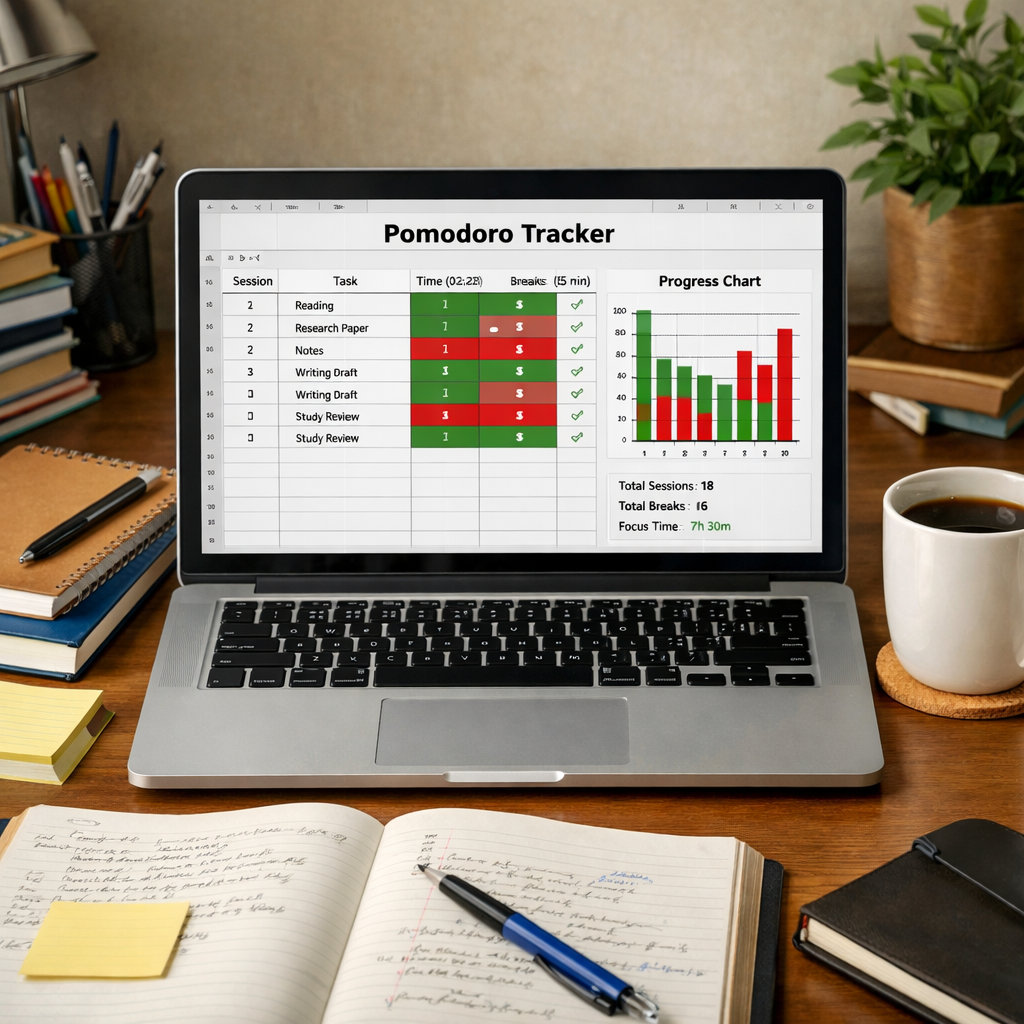
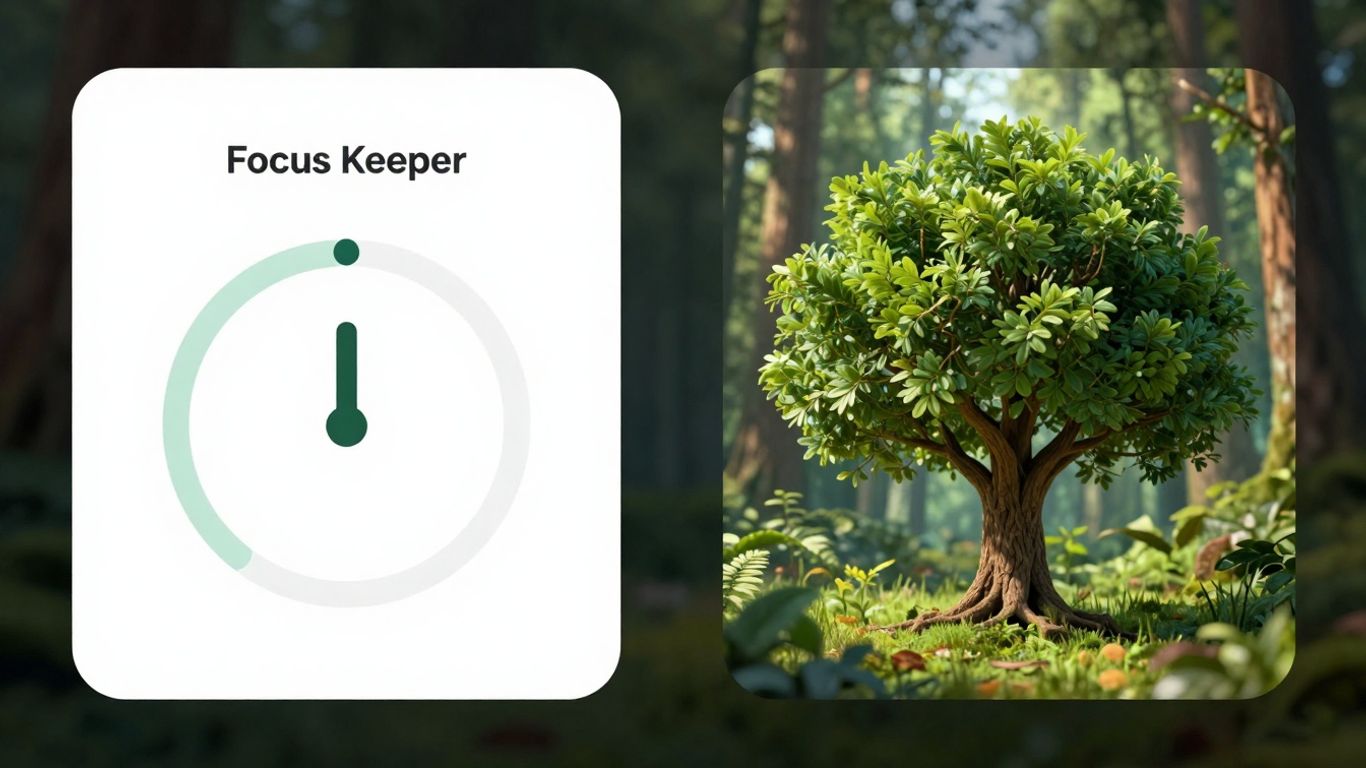
Trying to get stuff done can feel like a battle sometimes, right? With so many apps out there promising to make you a productivity superstar, it’s hard to know where to start. Today, we’re looking at two popular options: Focus Keeper and Forest. Both aim to help you concentrate, but they go about it in pretty different ways. Let’s break down Focus Keeper vs Forest to see which one might be the best fit for your work style.
Key Takeaways
- Focus Keeper uses a straightforward timer, often based on the Pomodoro Technique, to help users manage work and break intervals with a simple interface.
- Forest gamifies focus by having users plant virtual trees that grow while they stay off their phones, with the added benefit of real trees being planted through partnerships.
- The user experience differs significantly: Focus Keeper is direct and functional, while Forest is visually engaging and encourages a sense of accomplishment through its game-like structure.
- Both apps offer customization, but Forest’s appeal often lies in its unique approach to making focus a rewarding activity, whereas Focus Keeper provides more traditional time management tools.
- When deciding between Focus Keeper vs Forest, consider if you prefer a simple, no-frills timer or a more interactive, game-based system to keep distractions at bay.
Understanding The Core Functionality: Focus Keeper vs Forest
Focus Keeper’s Approach to Time Management
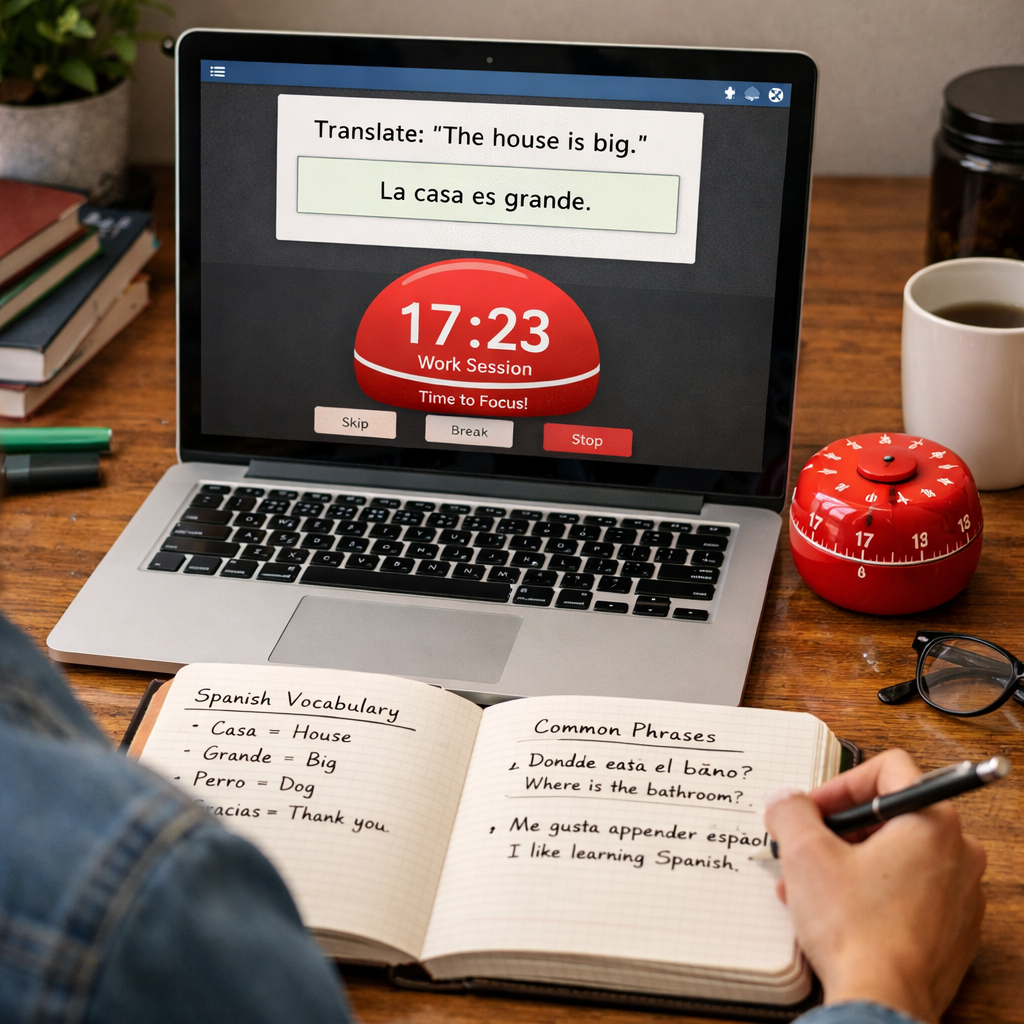
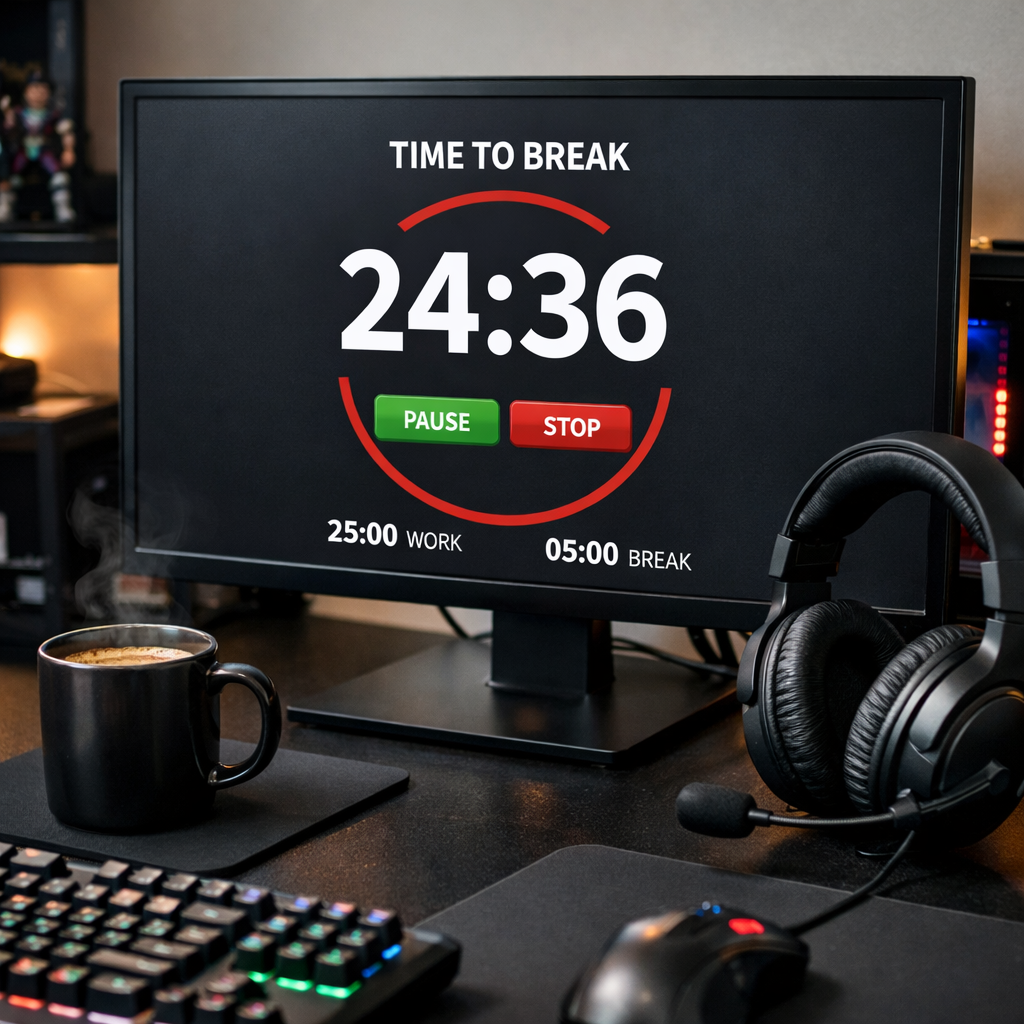
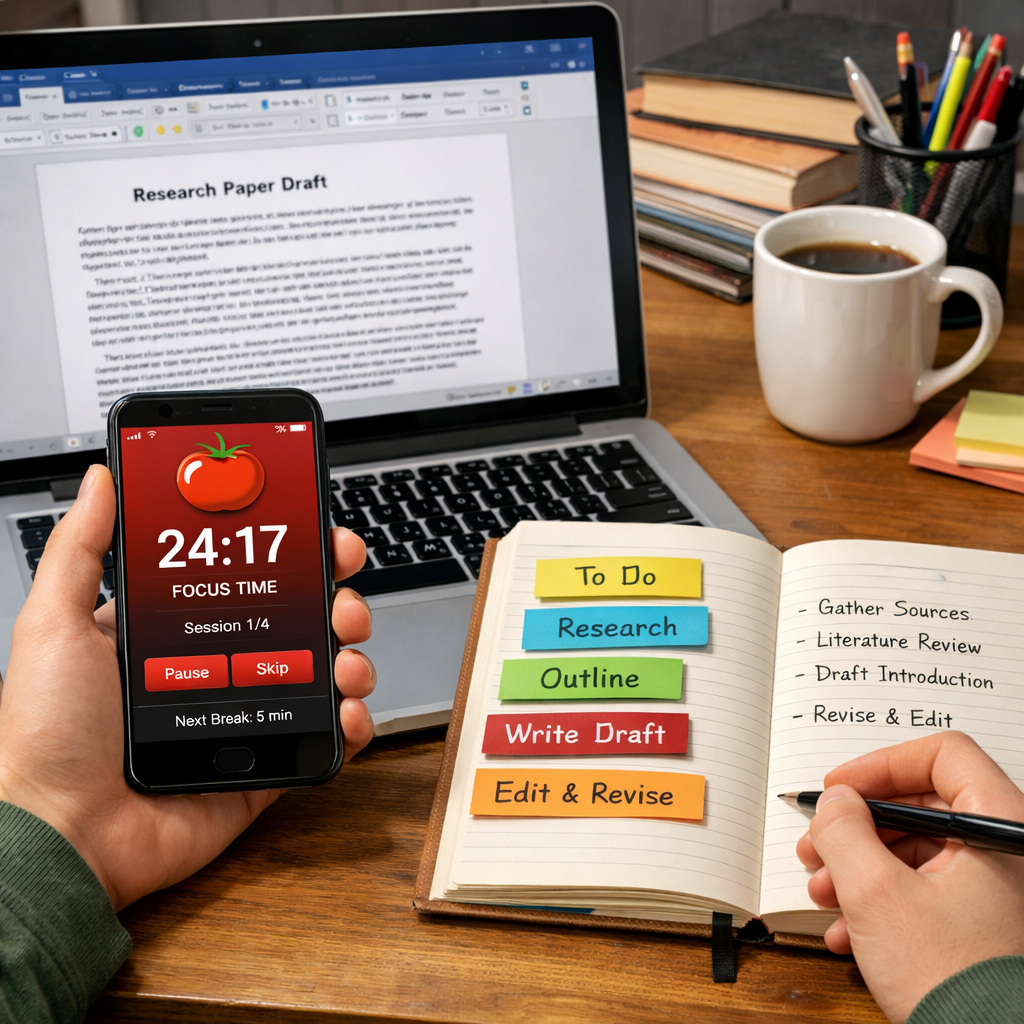
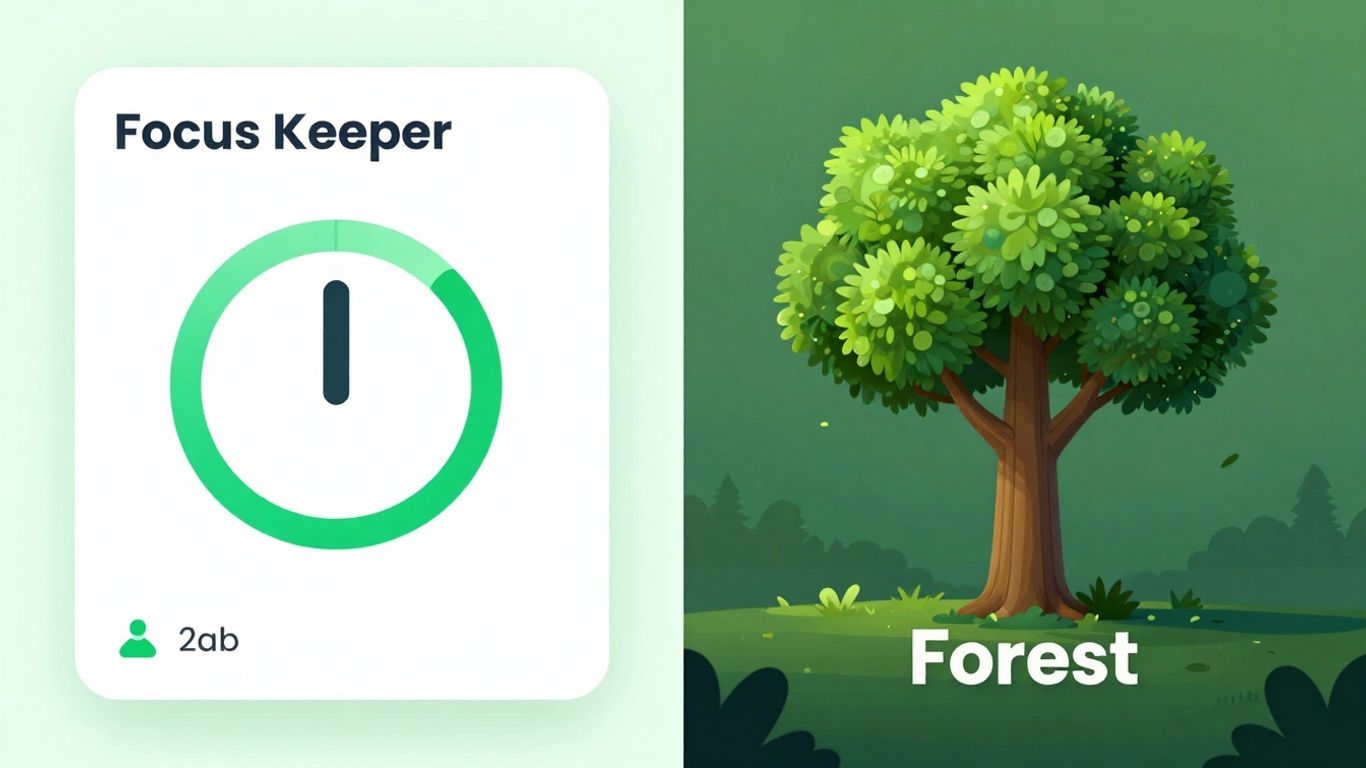
Focus Keeper is built around the Pomodoro Technique, a time management method that breaks work into intervals, traditionally 25 minutes in length, separated by short breaks. The app helps you stick to these work sprints and rest periods. It’s pretty straightforward: you set a timer for your focus session, and when it rings, you take a break. The app keeps track of your completed sessions, giving you a sense of accomplishment as you tick off your work blocks. It’s designed to be a simple tool to help you get into a rhythm of focused work and regular rest, preventing burnout.
Forest’s Gamified Focus Strategy
Forest takes a different route. Instead of just a timer, it uses a gamified approach to keep you engaged. When you want to focus, you plant a virtual tree. If you leave the app before your timer is up, your tree dies. The longer you stay focused, the more trees you grow, building a virtual forest. This visual representation of your focus time acts as a strong motivator. The idea is that you’re not just managing time; you’re nurturing a digital garden that thrives on your concentration. It adds a layer of accountability and a bit of fun to the process.
Core Differences in User Experience
When you look at how these apps feel to use, they’re quite different. Focus Keeper is all about utility. It’s functional, no-frills, and gets the job done. You open it, set your timer, and work. It’s like a digital stopwatch with a break reminder. Forest, on the other hand, is more about the experience. The planting of trees, the growing forest, the little animations – it all contributes to a more engaging, almost playful, interaction. It’s less about just tracking time and more about creating a positive association with staying focused. This makes Forest a great choice for people who need a little extra push or find traditional timers boring. You can find more about different Pomodoro timer apps to see how they compare.
Both apps aim to help you concentrate, but they go about it in distinct ways. Focus Keeper is direct and functional, while Forest uses a game-like system to encourage sustained attention. Your preference will likely depend on whether you prefer a no-nonsense tool or a more interactive, rewarding experience.
Key Features For Enhanced Productivity
When you’re trying to get stuff done, having the right tools makes a huge difference. Both Focus Keeper and Forest pack in features designed to help you stay on track, but they go about it in slightly different ways. Let’s break down what they offer.
Task Management and Organization
Keeping your tasks in order is half the battle, right? Focus Keeper leans more towards the time management side, so it doesn’t have a built-in task list. You’ll likely need to pair it with another app for that. Forest, on the other hand, lets you associate a ‘tree’ with a specific task. While it’s not a full-blown project manager, it does give you a visual link between your focus sessions and what you’re working on. It’s a simple connection, but it helps.
- Focus Keeper: Primarily a timer; task management is external.
- Forest: Links focus sessions to specific tasks (trees).
- Recommendation: For robust task management, consider using these apps alongside dedicated tools like Todoist or Asana.
Managing your tasks effectively means knowing what needs to be done and when. While Focus Keeper is all about the timer, Forest offers a basic way to tie your focus time to a goal. Neither replaces a dedicated task manager, but they can complement one.
Distraction Blocking Capabilities
This is where the core difference really shows. Forest’s main draw is its "anti-distraction" system. If you leave the app while your tree is growing, your tree dies. It’s a pretty effective way to make you think twice before jumping onto social media. Focus Keeper doesn’t actively block apps. Its approach is more about setting a timer and trusting you to stick with it. It relies on your self-discipline rather than an external consequence.
| Feature | Focus Keeper | Forest |
|---|---|---|
| App Blocking | No | Yes (by dying tree) |
| Website Blocking | No | No |
| Notification Control | Limited | Limited |
Progress Tracking and Analytics
Knowing how you spend your time is super important for figuring out where you can improve. Focus Keeper gives you a decent look at your past sessions, showing you how many focus periods you’ve completed and for how long. It’s pretty straightforward. Forest also tracks your focus time, but it ties it into your "forest" growth. You can see how many trees you’ve planted over time, which is a nice visual representation of your dedication. It feels a bit more rewarding to look back at your "accomplishments" in Forest.
- Focus Keeper: Provides daily, weekly, and monthly summaries of focus time.
- Forest: Tracks completed focus sessions and the number of trees planted.
- Forest: Offers a "Deep Stats" section for more detailed analysis of your focus habits.
Both apps provide valuable insights into your work habits, but Forest’s gamified approach makes reviewing your progress feel more engaging. It’s like looking at your garden and seeing all the trees you’ve grown, rather than just a spreadsheet of numbers. This visual feedback loop can be a real motivator for some people.
User Interface and Ease of Use
When you’re trying to get work done, the last thing you want is a complicated app that makes things harder. Both Focus Keeper and Forest have different ways of looking and feeling, and that can really change how you use them.
Navigating Focus Keeper’s Design
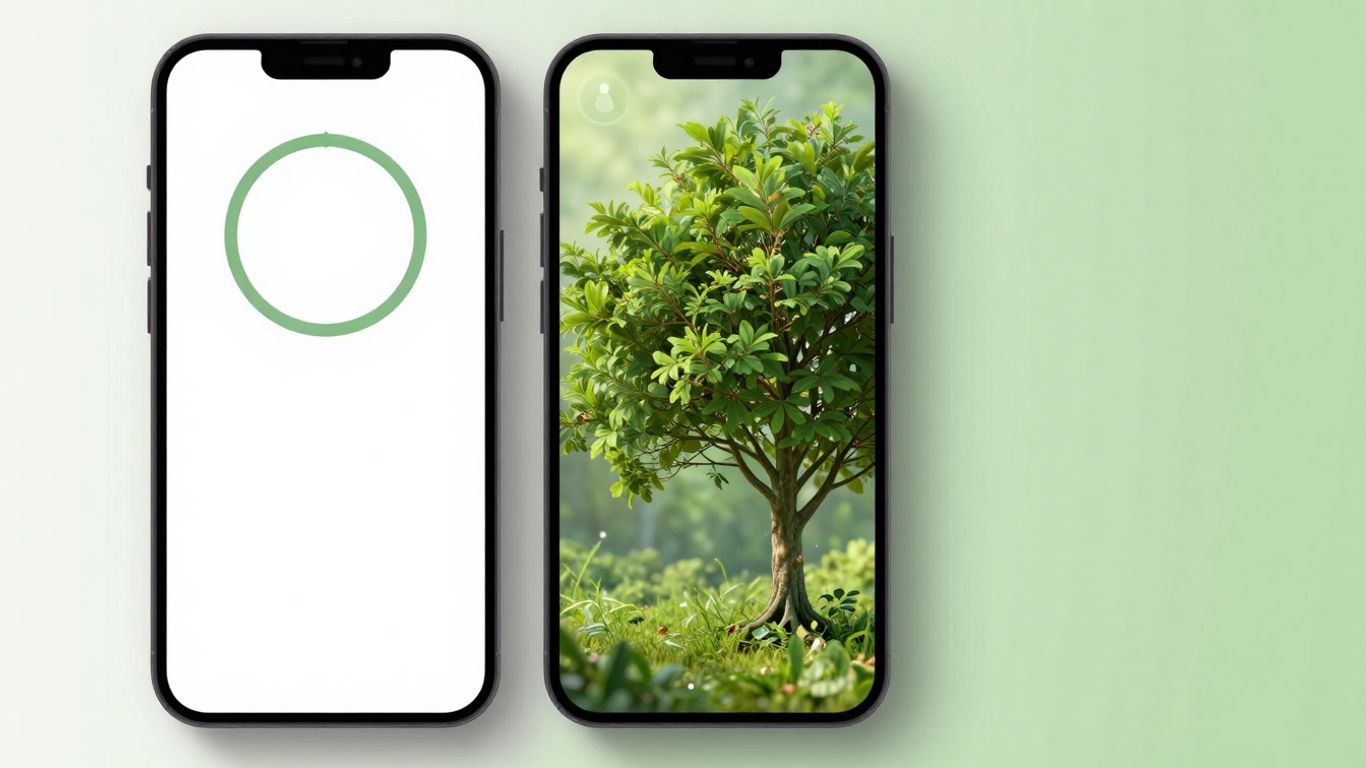
Focus Keeper feels pretty straightforward. It’s built around the Pomodoro technique, so you see a timer front and center. The main screen shows your current focus session, how much time is left, and options to start, pause, or stop. It’s not flashy, but it gets the job done. You can easily switch between focus sessions and break times. Setting up your timer is usually just a matter of tapping and adjusting a few numbers. It’s the kind of app that doesn’t require a manual.
- Clear timer display: Always know how much time you have left.
- Simple start/stop controls: Easy to manage your work intervals.
- Basic settings access: Quick adjustments for timer lengths.
Exploring Forest’s Visual Appeal
Forest takes a different route. Its whole thing is growing a virtual forest. When you start a focus session, you plant a tree. If you leave the app before the timer is up, your tree withers and dies. This visual feedback is pretty motivating for some people. The app has a clean, green aesthetic that’s generally pleasant to look at. Planting trees and seeing your forest grow over time is the main visual draw. It feels more like a game than just a timer.
Forest’s gamified approach means the interface is designed to be engaging. Watching your digital trees grow provides a unique, visual reward for staying focused, making the experience less about strict timekeeping and more about building a habit.
Comparing Onboarding Experiences
Getting started with Focus Keeper is usually a breeze. You download it, and you’re pretty much ready to go. There might be a quick tooltip or two, but it’s mostly intuitive. Forest also has a simple start, but it takes a moment to explain the tree-growing concept. They usually show you a quick animation or a few screens explaining how it works. It’s not difficult, but it does take a little longer to grasp the core mechanic compared to Focus Keeper’s direct timer approach.
| App | Initial Setup | Learning Curve | Visual Style | Primary Interaction |
|---|---|---|---|---|
| Focus Keeper | Very Quick | Low | Minimalist | Timer Control |
| Forest | Quick | Low to Medium | Playful | Tree Planting |
Customization and Personalization Options
Tailoring Focus Keeper to Your Workflow
Focus Keeper is pretty straightforward when it comes to making it fit your day. You can adjust the timer lengths for both your work sessions and your breaks. This means if you find that 25 minutes of focus is too short or too long, you can easily tweak it. It’s not just about the time, though. You can also pick different alert sounds for when your focus session ends, which is a nice little touch to avoid that jarring alarm. The app lets you set up custom intervals, which is great for people who use specific work methods like the Pomodoro technique but need their own spin on it. You can even choose whether you want the timer to pause automatically if you switch apps, giving you control over how strict the focus session is.
Personalizing Your Forest Experience
Forest takes a different route to personalization, focusing more on the visual and motivational aspects. When you start a focus session, you plant a virtual tree. The longer you stay focused, the more your tree grows. If you leave the app, your tree withers and dies, which is a pretty strong visual cue. You can choose different types of trees to plant, and as you accumulate focus time, you unlock new species. This gamified approach means your personalization is tied to your achievements. It’s less about tweaking timer settings and more about building a beautiful, thriving forest that represents your productive streaks. Plus, you can choose to plant real trees through their partnership with Trees for the Future, adding an environmental layer to your personalization.
Flexibility in Settings and Preferences
When you’re looking at how flexible these apps are, it really comes down to what you need. Focus Keeper is more about the nitty-gritty of the timer itself. You can set up your preferred work and break durations, and decide on notification sounds. It’s all about fine-tuning the mechanics of your focus sessions. Forest, on the other hand, offers personalization through its reward system and the visual aspect of building your forest. It’s about making the act of focusing more engaging and rewarding. Both apps allow you to try them out before committing, which is a smart move to see which style works best for your personal productivity needs. Ultimately, the choice depends on whether you prefer detailed control over timer settings or a more visually driven, gamified experience.
Pricing Models and Value Proposition
When you’re looking at productivity apps, the cost is definitely something to think about. You don’t want to spend a fortune, but you also want something that actually helps you get stuff done. Both Focus Keeper and Forest have different ways of handling their pricing, and understanding that can help you figure out which one is a better deal for you.
Focus Keeper’s Cost Structure
Focus Keeper keeps things pretty straightforward. The core functionality is available for free, which is great for trying it out. If you want more advanced features, like detailed statistics or different timer sounds, there’s a premium version. This usually involves a one-time purchase or a small subscription fee. It’s a pretty common approach for apps like this, letting you test the waters before you commit any cash.
- Free Version: Offers basic timer functionality and essential focus sessions.
- Premium Version: Unlocks advanced analytics, more customization options, and potentially cloud backup.
- Payment: Typically a one-time unlock for the pro features, making it a budget-friendly option long-term.
Understanding Forest’s Monetization
Forest takes a slightly different route, and it’s tied directly to its unique selling point: planting trees. The app itself is usually a paid download upfront. However, the real value comes from the virtual trees you grow. The more focused time you log, the more virtual trees you plant, and a portion of the app’s revenue goes towards planting real trees through a partnership with a reforestation organization. This gamified approach means you’re not just paying for a tool; you’re contributing to a good cause. They also sometimes offer in-app purchases for special tree species or other cosmetic items, but the core experience is unlocked with the initial purchase.
- Upfront Cost: A single purchase to download the app and start planting.
- Virtual Trees: Grow as you focus, providing a visual representation of your progress.
- Real-World Impact: A portion of proceeds funds actual tree planting, adding a social good element.
Choosing between these two often comes down to what you value most. If you prefer a free entry point with an optional upgrade, Focus Keeper might be your pick. If you like the idea of paying once for a feature-rich app that also has a positive environmental impact, Forest is a strong contender. It’s always a good idea to check out their respective app store pages for the most current pricing and feature lists before you decide. Many apps, including productivity tools, offer trials or free versions, so you can test them out before committing to a subscription or purchase. This allows you to find the best fit for your specific needs and work habits without any initial financial commitment. Trying management apps before subscribing can save you time and money.
Evaluating Long-Term Value
When you look at the long haul, both apps offer decent value, but in different ways. Focus Keeper, with its one-time purchase for premium features, can be very cost-effective if you plan to use it consistently. You pay once and you’re done. Forest’s value is a bit more layered. You get the focus tool, yes, but you also get the satisfaction of contributing to environmental efforts. For some, that added layer of purpose makes the initial cost feel more justified and provides a unique kind of motivation that a simple timer app might not offer. It really depends on your personal priorities and how much you value that blend of productivity and social impact.
Community and Integration Aspects
Focus Keeper’s Community Engagement
Focus Keeper doesn’t really have a "community" in the traditional sense. It’s more of a personal tool, so you’re mostly on your own with it. There aren’t forums or group challenges built into the app itself. If you’re looking for a social aspect to your productivity, this might feel a bit isolating. It’s designed for individual focus, not group accountability.
Forest’s Social and Environmental Impact
Forest takes a different route. The app connects your focus time to planting real trees. When you successfully complete a focus session, a virtual tree grows in your forest. You can also earn virtual coins that can be used to plant actual trees through their partnership with a real-life tree-planting organization called Trees for the Future. This gives your focused work a tangible, positive impact beyond just your personal productivity. It’s a neat way to feel like you’re contributing to something bigger while staying on task. They also have a "Deep Forest" mode where you can plant trees with friends, adding a social layer.
Integration with Other Productivity Tools
When it comes to fitting into your existing workflow, both apps have different strengths.
- Focus Keeper: It’s pretty straightforward. It doesn’t offer a lot of direct integrations with other apps like calendars or task managers. You’d typically use it alongside other tools, manually transferring information if needed. It’s a standalone timer.
- Forest: While not packed with integrations, Forest does offer some connections. For example, you can sync your completed focus sessions with your Google Calendar. This helps you see blocks of focused time directly on your schedule. They also have an "allow list" feature that lets you whitelist certain apps, so they don’t interrupt your focus session, which is a form of integration.
Here’s a quick look at how they stack up:
| Feature | Focus Keeper | Forest |
|---|---|---|
| Community Features | None | Virtual forest, planting real trees, friend mode |
| Calendar Integration | No | Yes (Google Calendar) |
| Task Manager Sync | No | Limited (via allow list) |
| Environmental Impact | None | Yes (Trees for the Future partnership) |
Ultimately, if you’re looking for a tool that stands alone and just does time management, Focus Keeper is fine. But if you want your productivity efforts to have a broader impact and connect with your schedule a bit more, Forest offers a more engaging and connected experience.
So, Which App Wins?
Alright, so we’ve looked at Focus Keeper and Forest, and honestly, they both do a pretty good job of helping you stay on task. Forest is great if you like the whole gamified thing, watching your little trees grow as you focus. It’s kind of fun, and the idea of not killing your virtual forest is a decent motivator. Focus Keeper, on the other hand, is more straightforward. It’s all about the timer, plain and simple. If you’re not into the whole tree-growing aspect and just want a no-fuss way to use the Pomodoro technique, Focus Keeper might be your jam. Ultimately, the ‘best’ app really comes down to what works for you. Do you need a little visual reward system, or do you just want a timer? Give them both a whirl and see which one sticks.
Frequently Asked Questions
What is Focus Keeper and how does it help me focus?
Focus Keeper is an app that helps you manage your time by using the Pomodoro Technique. It’s like a timer that breaks your work into short, focused sessions, usually 25 minutes long, with short breaks in between. This helps you concentrate better and avoid getting tired.
How does Forest make focusing more fun?
Forest is a cool app where you plant a virtual tree when you want to focus. If you leave the app to check social media or play games, your tree dies! But if you stay focused, your tree grows and you build a whole forest. It’s a fun way to stay on track.
What’s the main difference between Focus Keeper and Forest?
Focus Keeper is more straightforward, like a simple timer with basic features to help you manage work and break times. Forest adds a game-like element by growing a forest, which can be more motivating for some people because there’s a visual reward.
Can these apps help me block distractions?
Yes, both apps help you avoid distractions. Focus Keeper encourages you to stay off your phone during focus sessions. Forest takes it a step further by making your phone’s distractions harmful to your virtual tree, which makes you think twice before switching apps.
Are these apps expensive?
Focus Keeper often has a free version with basic features and a paid version for more options. Forest also has a free version, but its full features and ability to plant real trees (through a partnership) might require a purchase. They are generally quite affordable.
Which app is better for me?
It really depends on what you like! If you prefer a simple timer and clear structure, Focus Keeper might be best. If you enjoy games and visual rewards, and want a fun way to stay focused, Forest could be the winner for you. Trying both is a good idea!