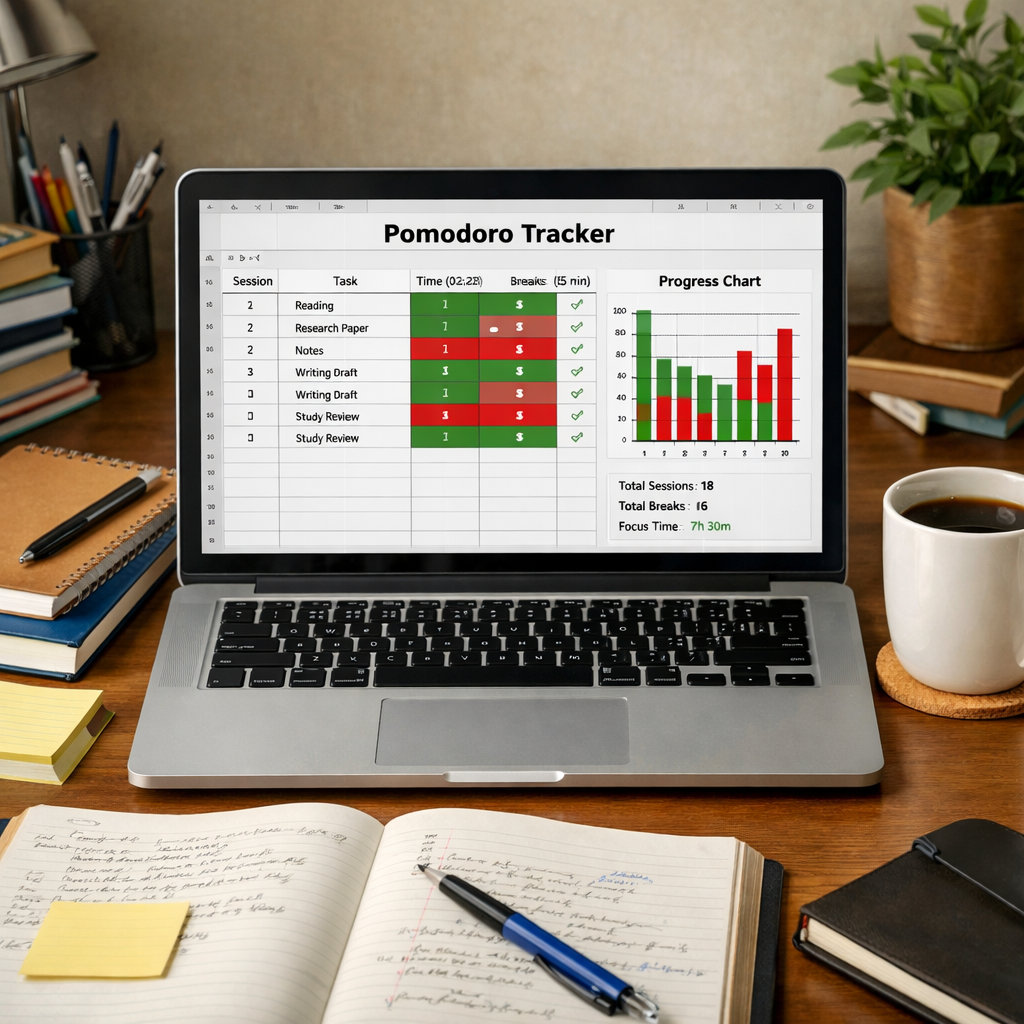
Finding ways to stay focused can be tough these days, right? So many things pull our attention. The Pomodoro Technique is a pretty simple idea that really helps. It’s basically just using a timer for short bursts of work followed by quick breaks. Makes sense. But having a good pomodoro timer for Windows can make it even easier. We looked at a bunch of them to find the best ones for you in 2026.
Key Takeaways
- The Pomodoro Technique uses timed work intervals and short breaks to boost focus and get more done.
- Dedicated pomodoro timer apps automate work/break cycles and track your progress, making the technique simpler.
- Otto is a good choice for Windows and Chrome users, offering website blocking to reduce distractions.
- Focus To-Do combines Pomodoro timing with task management, ideal for those who like structured to-do lists.
- For a no-fuss, browser-based option, Pomofocus lets you start timing immediately without any setup.
1. Otto
Otto is a Chrome extension that brings a good dose of personality to the Pomodoro Technique, which is a nice change from the usual fruit or vegetable timers. When you’re using it, you’ll see a little mascot doing various activities, like trying to lift weights, which is kind of charming. It’s a pretty new app, so some features are still being worked on, but it doesn’t get in the way of the core functionality.
Otto is a great option for Windows users who want a fully-featured Pomodoro timer that’s also available as a Chrome extension. It’s designed to be customizable, letting you adjust work and break times to fit your rhythm. Plus, it has a neat feature that can block distracting websites, which is super helpful if you find yourself wandering off to social media or news sites during your focus sessions.
Here’s a quick look at what Otto offers:
- Customizable Timers: Set your own work and break durations.
- Website Blocking: Prevent access to distracting sites during focus periods.
- Personalized Mascot: A unique, animated character adds a bit of fun.
- Basic Analytics: Track your focus sessions (more detailed analytics available in paid versions).
While the core Pomodoro features are free, you can upgrade for more in-depth analytics and extra features. It’s a solid choice if you’re looking for something a bit more engaging than a standard timer.
Otto’s strength lies in its blend of functionality and a lighthearted approach. It proves that productivity tools don’t have to be boring to be effective.
2. Forest
Forest takes a really different approach to the Pomodoro Technique. Instead of just a timer, it turns staying focused into a game. When you start a work session, you plant a virtual tree. If you manage to stick with it and don’t leave the app, your tree grows and thrives. But, if you get distracted and exit the app, your tree withers and dies. It’s a pretty clever way to make you think twice before checking social media.
Over time, you build up a whole digital forest. It’s surprisingly motivating to see your collection of trees grow, representing all the focused work you’ve done. Plus, through their partnership with Trees for the Future, your focused sessions can actually contribute to planting real trees in the world. It’s a nice little bonus that adds a bit of real-world impact to your digital focus.
Here’s a quick look at what makes Forest stand out:
- Gamified Motivation: The core mechanic of growing trees is genuinely engaging.
- Visual Progress: Your growing forest provides a clear, visual representation of your productivity.
- Real-World Impact: Planting actual trees adds a feel-good factor.
- Offline Functionality: It works even when you don’t have an internet connection.
Forest is less about complex features and more about a simple, effective psychological nudge. It’s great if you find traditional timers a bit boring or if your phone is your biggest distraction. The visual feedback loop is strong, and the added environmental benefit is a nice touch.
While the basic version is free on Android, the iOS app has a one-time cost of $3.99. There’s also a Pro version for Chrome. It’s a solid choice if you need a bit of fun to keep you on track with your Pomodoro timer sessions.
3. Session

Session is a bit of an over-the-top Pomodoro timer, but in a good way, especially if you’re deep in the Apple ecosystem. It syncs timers across your Mac, iPhone, iPad, and even your Apple Watch, which is pretty neat. You get all the standard stuff like adjustable timer lengths and keyboard shortcuts, but it also throws in extras like Live Activities for the Dynamic Island and integration with Shortcuts for custom automations. It even talks to Slack to update your status when you’re in a focus session.
What really sets Session apart, though, is its attempt to integrate with to-do apps. While still in beta, it can connect with Reminders and Things, letting you see and check off tasks right from the timer. It also nudges you to take a moment for mindful breathing before each session and prompts reflection afterward.
Session is packed with features, almost to a comical degree for a timer app. It really tries to be the ultimate focus tool for Apple users.
Of course, all these features come with a price. There’s a free version that’s perfectly fine for basic Pomodoro needs. But if you want the full experience, you’ll need to subscribe to their Pro plan, which isn’t exactly cheap for a timer. It’s definitely an investment, but for some, the sheer functionality might be worth it.
- Customizable work and break intervals
- Syncs across Apple devices
- Integrates with calendar and to-do apps
- App and website blocking on Mac
- Mindful breathing prompts and reflection tools
4. Flow

Flow is a pretty neat option if you’re primarily an Apple user looking for a straightforward Pomodoro timer. It’s available on macOS, iOS, and even Apple Watch, making it super convenient if you live in the Apple ecosystem. What really sets Flow apart, especially when you compare it to some of the pricier alternatives, is its generous free plan. It covers all the basic Pomodoro functionality you’d expect, which is honestly enough for most people just trying to get into the Pomodoro Technique.
If you do decide you want a bit more, the paid version is also quite affordable, especially if you go for the annual subscription. It’s definitely a budget-friendly choice compared to some of the other Mac apps out there that can run you $5 a month or more. The design is really clean and minimalist, which I appreciate because it doesn’t distract you from what you’re supposed to be doing.
Sometimes, all you need is a simple tool that does one thing well. Flow fits that bill perfectly for Apple users who want a no-fuss timer.
While it might not have all the bells and whistles of more complex apps, Flow nails the core features. You get customizable session lengths, break timers, and a generally smooth experience. It’s a solid pick if you don’t need a ton of extra features and just want a reliable timer to help you focus.
5. Toggl Track
Toggl Track isn’t just another Pomodoro timer; it’s a full-fledged time-tracking suite that happens to have a really solid Pomodoro mode built right in. If you’re someone who needs to keep a close eye on where your time is going, especially for billing or project management, this is where Toggl Track really shines. It’s been around since 2006, starting as a way for teams and freelancers to log their hours, and it’s grown into a pretty powerful tool.
What’s cool is how it links your Pomodoro sessions directly to your timesheets and reports. So, when you finish a 25-minute focus block, it’s automatically logged under the project you’re working on. This makes it super easy to see exactly how much time you’re spending on different tasks or clients. It’s great for freelancers or anyone who needs to account for their billable hours. You can even integrate it with other tools like Asana or Notion, which is handy if you’re already using those for task management.
Here’s a quick look at how it stacks up:
- Direct Pomodoro to Time Log Linking: Every focus session automatically ties into your reports.
- Detailed Analytics: Get a clear picture of how your time is spent across projects.
- Cross-Platform Sync: Works on web, desktop, and mobile, so your tracking is consistent.
- Integrations: Connects with popular productivity and project management apps.
While Toggl Track offers a robust Pomodoro feature, it’s important to remember that its primary function is time tracking. If you’re only looking for a simple timer to get you through focus sessions, it might feel like a bit more than you need. However, for professionals who value detailed insights into their work habits and need to manage billable hours, the added complexity is a definite advantage.
If you’re already using Toggl Track or need a tool that combines focused work intervals with detailed time reporting, it’s definitely worth checking out Toggl Track’s Pomodoro feature. The free version is quite capable, but paid plans offer even more advanced reporting and features if you need them.
6. Focus To-Do
Focus To-Do is a pretty neat option if you’re someone who likes to keep your tasks and your focus sessions all in one place. It basically mashes up the Pomodoro Technique with a full-blown task manager, so you can plan out what you need to do and then track your focus time as you work on it. It’s available on pretty much everything – Windows, Mac, iOS, Android, you name it – which is super handy if you switch devices a lot.
The real strength here is how it ties your focused work directly to your to-do list and then gives you reports on it. You can see how much time you spent on specific projects or tasks, which is great for figuring out where your time is actually going. It’s not just a timer; it’s a system for managing your work.
Here’s a quick look at what it offers:
- Integrated Task Management: Add, organize, and prioritize your tasks right within the app.
- Cross-Platform Sync: Keep your tasks and timer data updated across all your devices.
- Detailed Analytics: Get insights into your work habits with reports on time spent per task, project, and daily/weekly trends.
- Customizable Timer: Adjust Pomodoro intervals, break times, and set reminders.
It’s a solid choice if you find yourself juggling a lot of tasks and want a tool that helps you manage both the planning and the doing. The free version is quite capable, though some of the more advanced analytics and sync features are part of their premium plans.
While the interface might feel a little busy compared to super minimalist timers, that’s the trade-off for having a robust task manager built-in. It’s designed for people who want a bit more structure and data to back up their productivity efforts.
7. RoundPie
RoundPie is a bit different from your typical Pomodoro timer. Instead of being a standalone app, it’s designed to work with your existing task management tools. Think Trello, Asana, Todoist, ClickUp, or Jira. It essentially layers the Pomodoro structure onto your current workflow. This means you can start a focus session directly from a task you’re already looking at, which feels pretty slick. No more switching between apps to start a timer.
For folks managing projects, RoundPie really shines. It automatically links timers to specific tasks, which makes tracking time and accountability much easier. Plus, the reports can break down your time spent by project, and you can export that data. It’s a solid choice if you want your focus sessions to be tightly integrated with how you already manage your work.
However, it’s not all sunshine and roses. The interface can feel a little busy if you’re not used to it, and it definitely favors function over form. Also, the mobile experience isn’t quite as polished as the desktop or web versions. Some of the more advanced features, like deeper integrations and longer history logs, are tucked away in the paid plans.
Here’s a quick look at what it offers:
- Deep Integrations: Connects with popular task managers like Trello and Asana.
- Task-Linked Timers: Automatically associates focus sessions with specific tasks.
- Detailed Reporting: Analyze time spent by project and export data.
- Customizable Durations: Set your own work and break intervals.
If you’re already deep into a project management system and want to add a structured focus layer without leaving your tools, RoundPie is worth a look. It bridges the gap between task management and focus tracking quite effectively.
RoundPie offers a free tier, with paid plans starting around $4.96 per month, which is pretty reasonable for the level of integration it provides. It’s a good option for professionals who want to sync their Pomodoro sessions directly with their task ecosystem, and you can find out more about Pomodoro apps that offer similar benefits.
8. Pomofocus
Pomofocus is a pretty straightforward tool for anyone who just wants to get started with the Pomodoro Technique without a lot of fuss. It’s a web-based timer, meaning you don’t need to download anything or even sign up to use it. Just open your browser, pick your task, and hit start. It’s really that simple.
This timer lets you customize your work and break times, which is nice because not everyone works best with the standard 25-minute sprints. You can also add a simple to-do list right into the interface, so your tasks are right there with your timer. It keeps track of your sessions, giving you some basic stats on how you’re spending your time. It’s perfect for those who prefer a minimalist approach and want to jump right into focused work.
Here’s a quick look at what it offers:
- Customizable Timers: Adjust work intervals and break lengths to fit your personal rhythm.
- Simple Task List: Add and manage your tasks directly within the timer interface.
- Browser-Based: No installation needed, accessible from any device with a web browser.
- Basic Analytics: Track your completed sessions and get a general idea of your focus time.
If you find yourself getting bogged down by complicated apps and just want a no-frills way to time your work sessions, Pomofocus is a solid choice. It strips away all the extra features to give you the core Pomodoro experience.
While it doesn’t have the fancy integrations or deep analytics of some other tools, its strength lies in its simplicity and accessibility. It’s a great starting point for understanding how the Pomodoro Technique can help you concentrate better.
9. Reclaim.ai
Reclaim.ai feels less like a simple timer and more like a smart assistant for your workday. It takes the Pomodoro Technique and really updates it for how we work now. It helps you get your Pomodoros done, keeps your tasks in order, makes sure you have dedicated time for focused work, and even blocks interruptions from Slack and your calendar.
This tool has a nice design that can actually help you focus and be more creative. Plus, it gives you performance stats to keep you motivated, even when the work gets tough. They also provide really detailed analytics so you can see how you’re doing with your Pomodoros, breaks, tasks, and streaks. It helps you figure out what works best for your own productivity style.
It’s pretty easy to use, with options to change your Pomodoro times, start sessions automatically, pick alert sounds, and even play background audio to help you concentrate. You can even see the timer countdown right in your browser tab or in a small pop-up window to add a bit of urgency.
Reclaim.ai offers a free version of its Pomodoro Timer, separate from its main AI calendar app. However, it becomes much more powerful when you use it with their AI features that automatically schedule focus time and block distractions by syncing with your Slack status.
This is a great option for busy people who want to boost their productivity and keep track of how they’re performing. While it doesn’t have a mobile app yet, and the metrics are stored locally for now, the free version is quite capable. If you’re looking for something that integrates deeply with your calendar and actively defends your focus time, Reclaim.ai is definitely worth checking out.
10. Pomodor
Pomodor is a straightforward, web-based timer that really nails the Pomodoro Technique without any fuss. If you’re just dipping your toes into time management methods or only need a timer now and then, this is a solid choice. It’s got a clean look, and importantly, it offers a dark mode, which is nice for late-night work sessions.
The coolest part is that the countdown timer actually shows up in the browser tab’s title. That way, you can keep track of your progress even if you’re working across multiple tabs. It’s a small touch, but it makes a difference.
What sets Pomodor apart from a lot of other simple timers is its customizability. You’re not stuck with the standard 25-minute work and 5-minute break. You can tweak these lengths, as well as how many Pomodoros you do before a longer break, to fit your personal rhythm.
Here’s a quick look at how you can set it up:
- Work Interval: Adjust the length of your focused work periods.
- Short Break: Set the duration for your quick rests between work intervals.
- Long Break: Define how long your extended break is after a set number of Pomodoros.
- Pomodoros per Long Break: Choose how many work intervals you want to complete before taking that longer break.
It’s the kind of tool that gets out of your way and just does its job. No complicated setup, no downloads needed. Just open it up, hit play, and get to work.
While it might not have all the bells and whistles of more complex apps, Pomodor is perfect for anyone who wants a no-nonsense, effective way to try out the Pomodoro Technique. It’s free, easy to use, and does exactly what it promises.
Wrapping Up Your Focus Sessions
So, we’ve looked at a bunch of ways to get more done using the Pomodoro Technique on Windows. It’s pretty wild how just setting a timer can make such a difference, right? Whether you’re a student cramming for exams or just trying to get through your daily work without getting sidetracked by cat videos, there’s a timer out there for you. We saw some that are super simple, some that hook into your other apps, and even some that try to block distractions. The main thing is to pick one that feels right for how you work. Don’t overthink it; just try one out and see if it helps you get into that focused groove. You might be surprised at how much you can accomplish with just a little bit of structured time.
Frequently Asked Questions
What exactly is the Pomodoro Technique?
Think of it like this: you work super hard for 25 minutes, then take a short 5-minute break. After doing this four times, you get a longer break, like 15 to 30 minutes. It’s a simple way to break down big tasks into smaller, manageable chunks, making it easier to focus and get things done without feeling overwhelmed.
Why are Pomodoro timers better than a regular clock?
A regular clock just tells time. A Pomodoro timer is built for this specific method. It automatically switches between work and break times, keeps track of how many work sessions you’ve finished, and generally makes the whole process smoother. It’s like having a coach for your focus time!
Can I change the work and break times?
Absolutely! While 25 minutes of work and 5 minutes of break is the classic setup, many apps let you adjust these times. You might find longer work periods work better for you, or shorter breaks. It’s all about finding what helps you concentrate the most.
Do I really need a special app for this?
Nope! You can use any timer you have. But, dedicated apps often have cool features like blocking distracting websites, tracking your progress over time, or even playing calming sounds. They can make sticking to the technique much easier and more fun.
What if I get distracted during a work session?
That’s okay! The Pomodoro Technique is designed to help with that. The short work bursts make it less daunting to stay focused. If you get distracted, just gently guide your attention back to your task. The breaks are there to help you reset.
Which Pomodoro timer is best for beginners?
For beginners, simple and easy-to-use timers are usually the best. Apps like Pomofocus or Pomodor are great because you can start using them right away without complicated setup. They focus on the core Pomodoro timer without too many extra features.