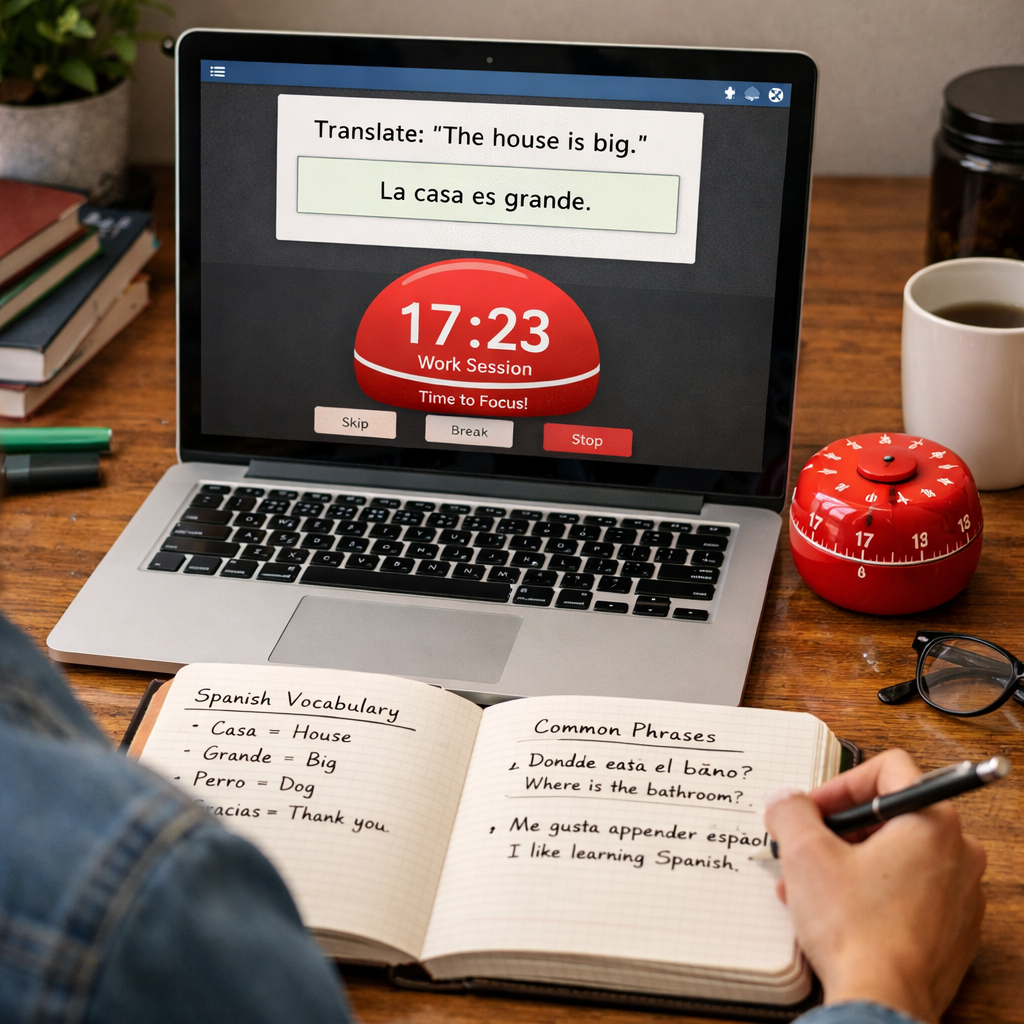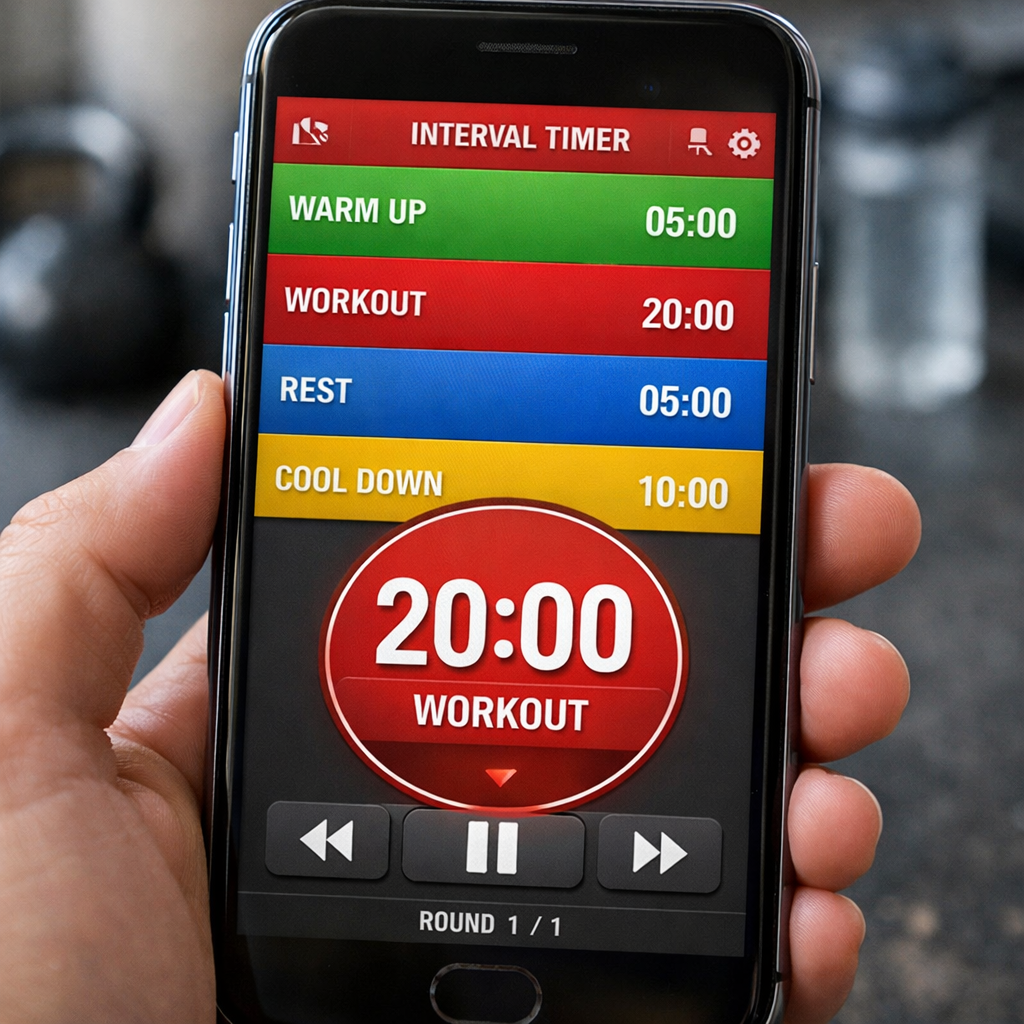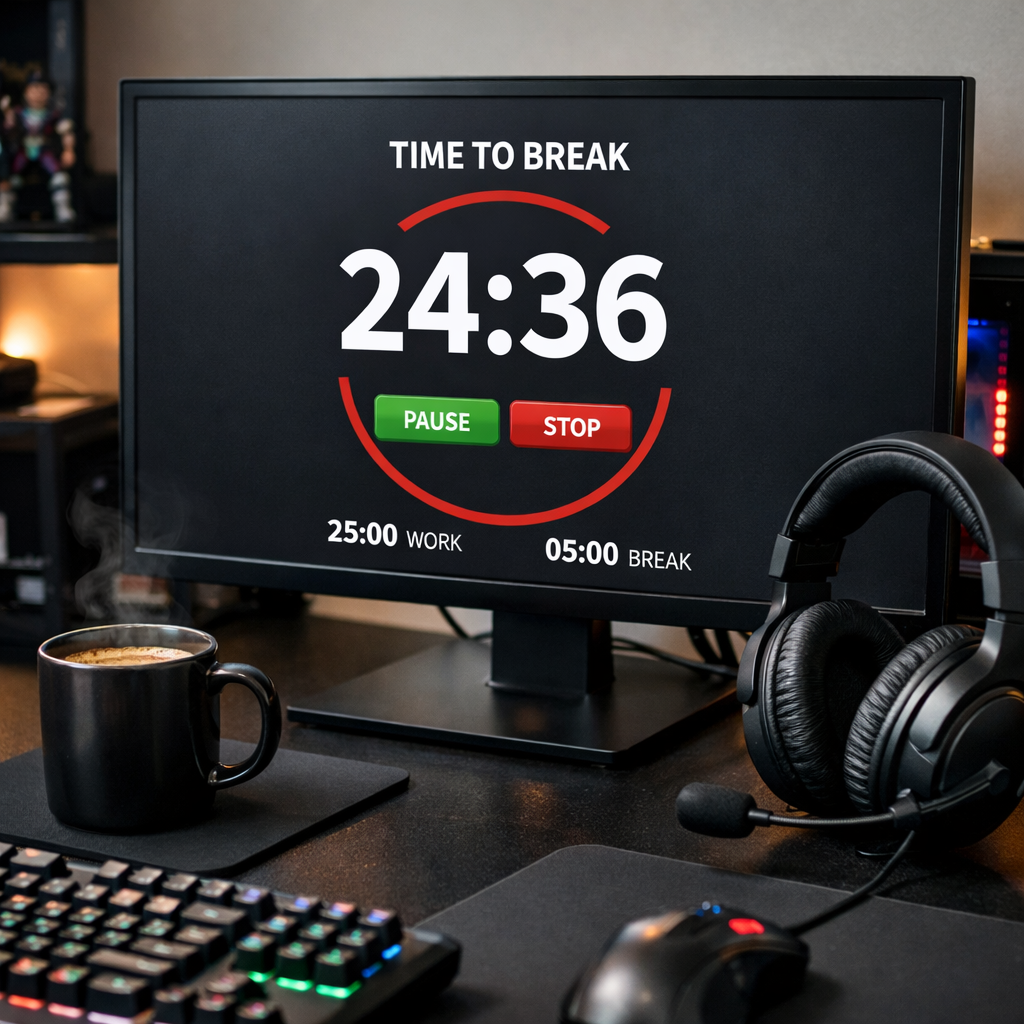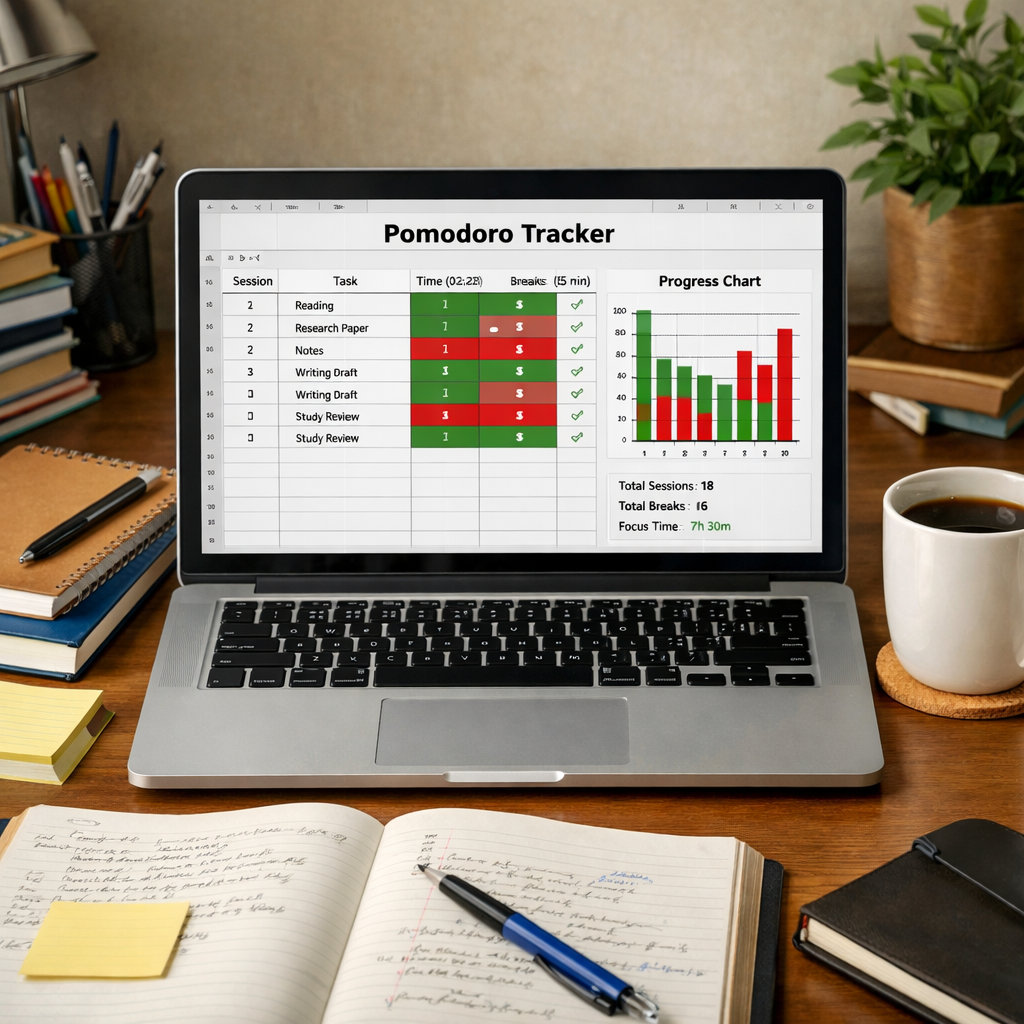
Feeling swamped and like you’re always behind? You’re not alone. Things get hectic, and staying on track can feel like a real challenge. But what if I told you there’s a simple method that can make a huge difference? It’s called the Pomodoro Technique, and using a good free pomodoro timer app can seriously help. We’ve checked out a bunch of them to find the best ones for you in 2026, so you can stop procrastinating and start getting stuff done.
Key Takeaways
- The Pomodoro Technique uses timed work intervals (usually 25 minutes) followed by short breaks to boost focus and productivity.
- Dedicated free pomodoro timer apps automate the timing process, removing the need for manual timers and distractions.
- Many apps offer features like task management integration, progress tracking, and customizable work/break durations.
- Choosing the right free pomodoro timer app depends on your personal workflow and what features you find most helpful.
- These tools can be integrated with other productivity software, like project management or calendar apps, for a more streamlined experience.
Paymo Track
Paymo Track is an interesting option if you’re already using it for project management or time tracking. It’s not a standalone Pomodoro app, but rather a feature built into their robust system. This means you get the benefit of the Pomodoro technique integrated directly with your task management. It’s a solid choice for those who want to keep everything in one place.
When you use Paymo Track’s Pomodoro feature, it fits neatly into its time-logging capabilities. You can switch to the Pomodoro mode within the Stopwatch tab. It defaults to the standard 25-minute work intervals with short 5-minute breaks and longer breaks after four sessions. The interface is pretty clean, showing your progress through the four Pomodoros before the longer break kicks in.
One thing to note is that if you stop a Pomodoro session midway, the visual progress on the timer resets, but don’t worry, the time entry is still saved in your Timesheets. This is handy for keeping accurate records of your work.
Here’s a quick look at how it works:
- Start a task and switch to Pomodoro mode.
- Work through the 25-minute interval.
- Take your short 5-minute break.
- Complete four Pomodoros to earn a longer break.
Paymo offers a free plan, which is great for trying out its features. Paid plans start at a reasonable $5.9 per user per month, making it accessible for many users looking for integrated time tracking solutions.
While Paymo Track’s Pomodoro isn’t a standalone app, its integration with project management tools makes it a powerful option for users who prefer a unified workflow. It helps maintain structure without feeling overly restrictive, especially when you get used to its break system.
RoundPie (PomoDone)
Okay, so RoundPie, which used to be called PomoDone, is pretty neat if you’re already deep into using other project management tools. Think Trello, Asana, Jira – you name it. It hooks right into those, so you can pull your tasks straight into the app and start a Pomodoro timer without leaving your usual workspace. It’s like adding a focus layer right on top of what you’re already doing.
If you’re not using a big project manager, no worries, you can just add your tasks directly into RoundPie. You can tweak how long your work sessions and breaks are, and even jot down notes if something interrupts you, which is way better than scribbling on a notepad. The biggest win here is how it connects to your existing task lists.
Here’s a quick look at what it offers:
- Direct Integrations: Connects with popular tools like Trello, Asana, Todoist, and more.
- Customizable Timers: Set your own work and break durations.
- Task Linking: Timers automatically attach to specific tasks for better tracking.
- Reporting: Get breakdowns of time spent by project.
- Website Blocking: A Chrome extension can block distracting sites during focus sessions.
It’s not the prettiest app out there, honestly. The interface can feel a bit busy, especially at first. But if you’re someone who really needs that tight integration with your task manager and wants to keep everything in one place, it’s definitely worth looking past the slightly dated look.
RoundPie is a solid choice for people who want their Pomodoro sessions to directly sync with their task management system. It’s built for those who appreciate functionality and deep integration over flashy design.
ClickUp

ClickUp is a pretty big deal in the project management world, and it’s got a way to do the Pomodoro technique, even if it’s not a dedicated timer app. Think of it as using a Swiss Army knife for your tasks – it has a tool for almost everything, including time management.
So, how does it work? ClickUp doesn’t have a button that says ‘Start Pomodoro Timer.’ Instead, you use its AI chat feature, called ‘Brain,’ to generate work intervals. You can ask it to set up Pomodoro work sessions for you. It’s a bit different from the usual apps, but it fits right into the whole ClickUp system if you’re already using it for your projects.
Here’s the breakdown:
- AI-Generated Intervals: You prompt ClickUp’s AI to create Pomodoro work and break times.
- Integration: It’s part of a larger project management tool, so your Pomodoro sessions can be tied directly to your tasks and projects.
- Customization: While not a traditional timer, you can likely adjust the lengths of these AI-generated sessions to fit your needs.
- Cross-Platform: Available on pretty much everything – web, desktop, and mobile.
This approach is great if you’re already deep into ClickUp and want to keep everything in one place. It avoids needing a separate app just for your Pomodoro timer.
Using ClickUp’s AI for Pomodoro sessions means you’re not just timing your work; you’re integrating it directly into your task management. It’s a way to keep your workflow streamlined without jumping between different software.
ClickUp offers a free plan, which is a good starting point. Paid plans begin at a reasonable $7 per user per month, making it accessible for individuals and teams looking to scale up their productivity.
Toggl Track
Toggl Track is a bit of a powerhouse when it comes to keeping tabs on your time, and it also has a built-in Pomodoro timer. So, if you’re someone who needs to track billable hours or just wants a really solid system for understanding where your work time goes, this could be a good fit. It’s not just a simple timer; it’s a full-blown time-tracking suite that happens to include a Pomodoro mode.
What’s cool is that each Pomodoro session you do can be automatically linked to your timesheet and reports. This is super handy if you’re a freelancer or part of a team that needs to show exactly how time is being spent on different projects. It felt pretty smooth when I tested it, connecting the focus sessions right to the project logs.
Here’s a quick look at what it offers:
- Pomodoro Timer Mode: You can use this in the desktop app or the browser extension. It helps you set work intervals and breaks.
- Time Tracking: The core feature. Start and stop a timer to log your work hours.
- Reporting/Analytics: Get clear reports on how your time is spent. You can customize date ranges and see summary or detailed views.
- Integrations: Connects with other tools you might already use, like Asana or Notion.
If you’re just looking for a basic timer to help you focus for short bursts, Toggl Track might feel like a bit much. It’s got a lot of features for time tracking and analysis that you might not need. But if you want that structure and detailed insights into your work habits, it’s a strong contender.
Momentum Pro
Momentum Pro is a bit different from the other apps on this list because it’s primarily a Chrome extension that changes your new tab page. Instead of just a blank page, you get a really nice dashboard. It shows you the weather, a beautiful background image each day, and importantly, a place to put your main goal for the day. It’s this daily intention setting that really helps you stay on track.
While it’s not a dedicated Pomodoro timer in the traditional sense, it has a focus field where you can set your intention, and many users find this helps them maintain focus. It also includes a to-do list right on the new tab page, which is super handy for keeping your tasks visible.
It’s pretty simple to use, which is a big plus for me. You can customize the background images, add your own quotes, and arrange your to-do list. This personal touch makes it feel more like your own space, and I think that helps you actually want to use it.
The main draw here is the visual appeal and the daily intention setting. It’s less about strict timers and more about creating a focused mindset from the moment you open a new tab.
Now, it doesn’t have all the bells and whistles of some other apps. You won’t find detailed time tracking for specific tasks or websites built-in. The free version limits you to one-hour Pomodoro cycles, which might be a bit short for some deep work sessions. If you need more, the paid version is quite affordable.
Key Features:
- Personalized new tab dashboard
- Daily intention/focus field
- Integrated to-do list
- Customizable backgrounds and quotes
- Weather updates
Pricing:
- Free: Limited to one-hour Pomodoro cycles.
- Paid: Around $3.33/month, offering more features.
Focus Booster
Focus Booster is an interesting option, especially if you’re a freelancer or run a small agency. It really leans into the time-tracking aspect, letting you assign your Pomodoro sessions to specific clients. This makes invoicing a whole lot simpler at the end of the month, which is a big win.
All your work sessions get logged automatically, and you can even add manual entries if needed. Plus, you can export all this data as a CSV file, which is super handy for billing.
What I like is the detailed reporting. You get a clear picture of where your time is going, how profitable each client is, and what percentage of your tracked time goes to them. It’s like having a mini-business dashboard right there.
Another neat feature is the ability to save unfinished Pomodoro sessions and pick them up later. This is great if your day gets interrupted or if you’re just getting started with the Pomodoro method.
However, it does feel a bit dated. The user interface isn’t the most modern, and it seems like some features haven’t been updated in a while compared to other apps out there.
Here’s a quick look at its plans:
- Free Plan: Limited to 20 Pomodoro sessions per month.
- Paid Plans: Start at $2.99/month for 200 sessions and access to more settings.
While Focus Booster might not have the flashiest design, its client-focused time tracking and reporting make it a practical tool for freelancers who need to manage their billing effectively.
Focus Keeper
Focus Keeper is a pretty neat app that makes using the Pomodoro Technique feel less like a chore and more like a game. It’s got this colorful background that changes to blue during breaks, which is a nice visual cue. Plus, there’s a ticking sound during work sessions that actually helps some people stay on track – kind of like a metronome for your brain.
One of the things I liked is setting a daily goal for how many focus sessions you want to get done. It’s a good way to push yourself a bit. It would be even better if you could name those sessions so you know exactly what you were working on, but hey, it’s free.
Here’s a quick rundown of what it offers:
- Visual Timer: A colorful display that shows time passing.
- Sound Cues: Optional ticking sounds to keep you in the zone.
- Daily Goals: Set and track how many Pomodoro sessions you aim for.
- Customization: Adjust themes, sounds, and break lengths.
The app also has charts to show you how you’ve been doing over the last 14 or 30 days. It’s a good way to see your progress, though the free version only shows the last three days. Still, for a free tool, it’s got a lot going for it, especially if you like a bit of visual flair with your productivity.
If you’re just starting out with Pomodoro or want something simple and engaging, Focus Keeper is definitely worth a look. The paid version adds more sounds and a full history of your stats, but the free one is solid for getting started.
Pomodor
Pomodor is a straightforward, web-based Pomodoro timer that really cuts to the chase. If you’re looking to try out the Pomodoro Technique without a lot of fuss or you just need a simple timer for occasional use, this is a solid pick. It’s free, though donations are welcome if you find it helpful.
What I like about Pomodor is its minimalist design. It doesn’t bombard you with a bunch of extra features you might not need, which is great when you’re trying to focus. You can customize your work and break intervals, which is pretty much all you need to get started.
Here’s a quick rundown of how it works:
- Choose Your Task: Decide what you need to get done.
- Set the Timer: Start with the classic 25-minute work interval.
- Work: Focus on your task until the timer signals the end.
- Short Break: Take a 5-minute breather.
- Long Break: After four work sessions, take a longer break of 20-30 minutes.
The beauty of a tool like Pomodor lies in its simplicity. It removes the guesswork and the temptation to fiddle with settings, letting you get straight to the work. It’s a reminder that sometimes, the most effective tools are the ones that do one thing really well.
It’s a good option if you want to avoid getting distracted by apps on your phone or other devices. Just open it in your browser, and you’re good to go. No complicated setup required, which is a big win in my book.
FocusMode by Geekbot
FocusMode by Geekbot is a pretty straightforward Pomodoro app, especially if you’re already living in Slack. It’s designed to help you hunker down on a task by automatically setting your Slack status to ‘Do Not Disturb’ and letting your teammates know you’re in a focus session. This is super handy for cutting down on interruptions without having to manually update your status every time.
It’s a good option if you just want to dip your toes into the Pomodoro Technique or if you only need a timer now and then. The main draw here is its integration with your Slack workspace. It’s free to use, which is always a plus.
However, some folks find that the Slack notifications themselves can be a bit of a distraction, which is kind of ironic. Also, if you’re looking for detailed time tracking or analytics on specific tasks, this probably isn’t the tool for you. It’s more about blocking out time and signaling your focus.
Here’s a quick look at what it offers:
- Slack Status Updates: Automatically sets your status to ‘Do Not Disturb’.
- Team Awareness: Lets colleagues know you’re in a focus session.
- Simplicity: Easy to set up and use, especially within Slack.
- Free to Use: No cost involved for the basic functionality.
While FocusMode by Geekbot is great for minimizing interruptions within a Slack environment, it lacks the deeper analytical features found in more dedicated time management software. It excels at its core function: helping you signal focus and reduce immediate distractions.
Pomofocus
Pomofocus is a straightforward, browser-based Pomodoro timer that you can use right on your desktop or mobile. It’s designed to help you zero in on whatever task is in front of you, whether that’s writing code, studying for an exam, or just getting through a pile of emails. The whole idea behind it is borrowed from the Pomodoro Technique, which is a time management method developed a while back.
This app really shines with its customization options. You can add your tasks, give them estimated Pomodoro counts, and then track how you’re doing over time. It even lets you save tasks you do often as templates, so you can just click and add them again. Plus, you get to see visual reports of your focus time daily, weekly, and monthly. It’s a nice way to see where your time is actually going.
If you want to get even more out of it, there’s a premium version. It lets you organize tasks into projects and gives you access to yearly reports you can download. The paid plan also gets rid of ads and allows integration with other apps like Zapier. It’s a solid choice if you’re looking for a simple way to manage your work intervals without a lot of fuss. You can find more details about this PomoFocus Daily Planner on the App Store.
The core idea is to break your work into focused bursts, usually 25 minutes long, separated by short breaks. After a few of these work sessions, you take a longer break. It’s a simple system, but it really helps in managing your attention and avoiding burnout.
Wrapping Up Your Focus Journey
So, there you have it. Finding the right free Pomodoro app in 2026 can really make a difference in how you tackle your day. Whether you need something super simple to just get started or a more feature-packed tool that syncs with your other apps, there’s definitely an option out there for you. Don’t overthink it too much; pick one that looks good and give it a whirl. The Pomodoro Technique itself is pretty straightforward, and using a dedicated app just makes it that much easier to stick with. Give it a try, see how it feels, and you might just find yourself getting more done with less stress. Happy focusing!
Frequently Asked Questions
What exactly is the Pomodoro Technique?
The Pomodoro Technique is a way to manage your time better. You work hard for a short period, like 25 minutes, and then take a quick break for about 5 minutes. After doing this a few times, you take a longer break. It’s like breaking down big tasks into smaller, easier steps to avoid getting overwhelmed and to stay focused.
Why should I use a Pomodoro app instead of a regular timer?
Pomodoro apps make things super easy! They automatically switch between your work time and your break time, so you don’t have to keep track of the timer yourself. Many also let you see how much you’ve accomplished, which can be really motivating.
Can the Pomodoro Technique help with procrastination?
Yes, definitely! By breaking work into small, timed chunks, it feels less daunting. Knowing you only have to focus for 25 minutes makes it easier to start, and the short breaks help prevent burnout. It tricks your brain into thinking the task isn’t that hard.
What are the main benefits of using a Pomodoro timer app?
The biggest benefits are improved focus and less distraction. You get better at concentrating for set periods, and the scheduled breaks help you recharge. Over time, this can lead to finishing more tasks and feeling less stressed about your workload.
Do I need to pay for a good Pomodoro app?
Not at all! Many excellent Pomodoro apps are completely free. While some offer extra features if you pay, the basic timer and break system, which is the core of the technique, is usually available for free.
How long should my work and break periods be?
The classic Pomodoro setup is 25 minutes of work followed by a 5-minute break. After about four work sessions, you take a longer break, usually 15 to 30 minutes. You can adjust these times to see what works best for you, but sticking close to these intervals is generally recommended.