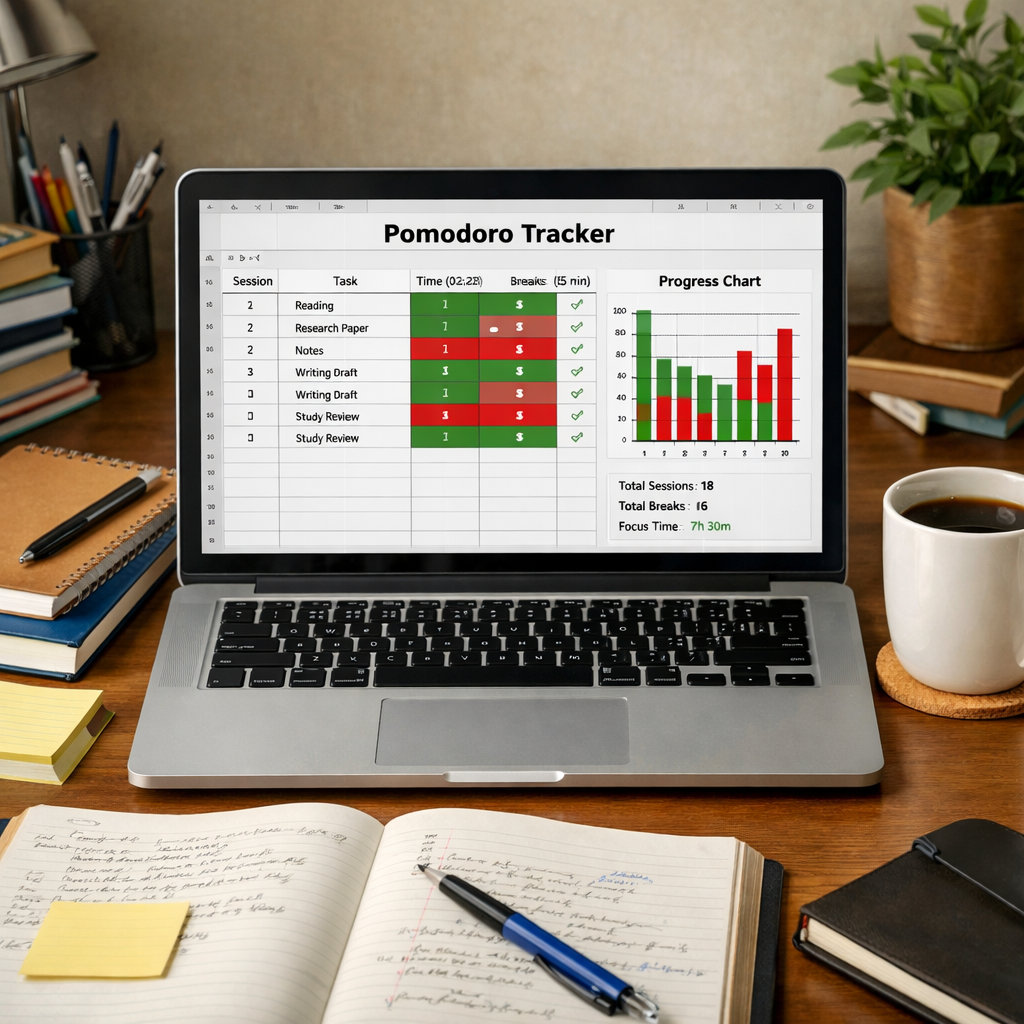

Feeling swamped with tasks and deadlines? It’s easy to get lost in the shuffle, especially with so many apps promising to make you more productive. But with the sheer number of options out there, figuring out which tool actually helps and which just adds to the noise can be a challenge. We’ve looked through a bunch of different kinds of apps, from project managers to simple to-do lists, to help you find the best productivity timer and other tools for your day in 2026. Let’s get started on cutting down on wasted time.
Key Takeaways
- Focus Keeper is recommended for using the Pomodoro Technique, a method involving timed work intervals and short breaks.
- Freedom is useful for blocking distracting apps and websites across all your devices, and works best when paired with another productivity app.
- Trello uses a card-based system on a virtual corkboard, making it easy to organize many tasks and projects.
- RescueTime automatically tracks your time, showing how long you spend on different sites and apps, and can even block distracting ones.
- Clockify offers time tracking, reporting, and billing features, and includes a Pomodoro timer to help with focus.
1. Focus Keeper
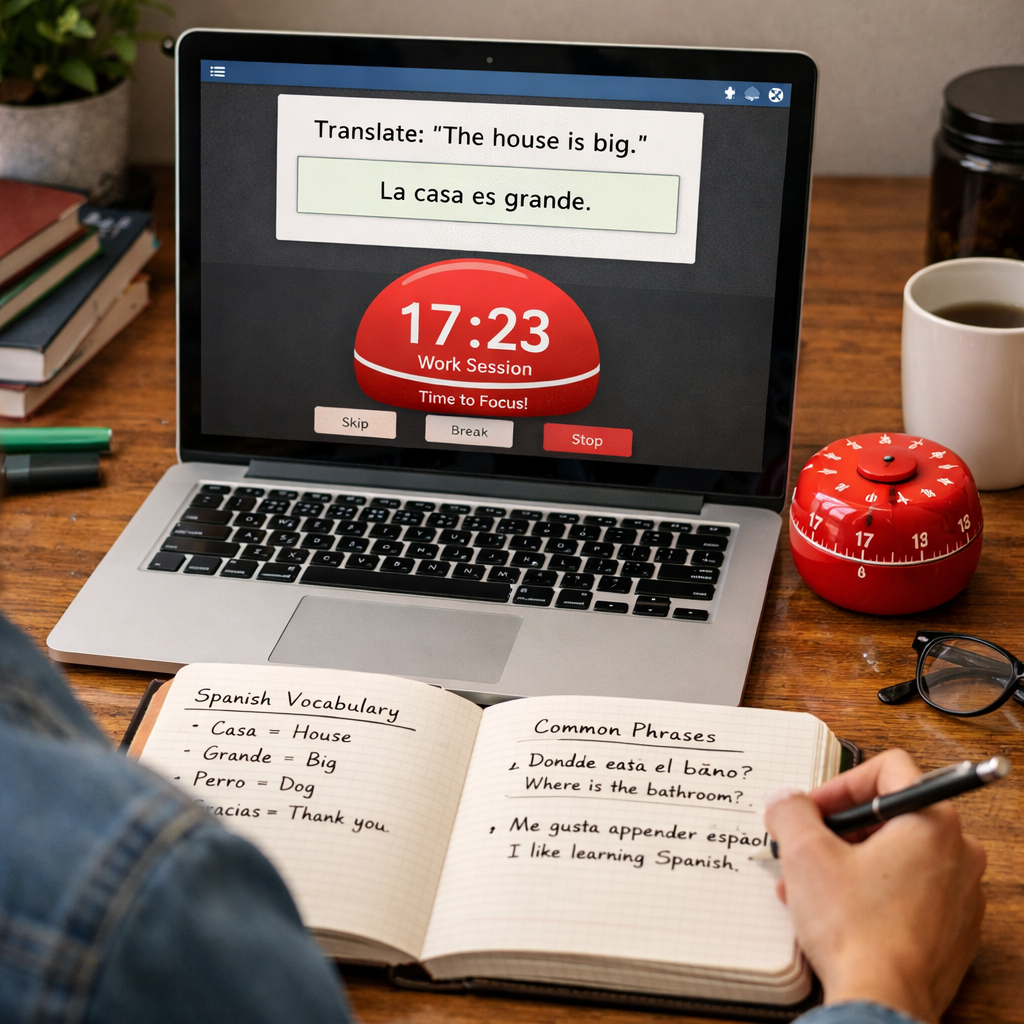
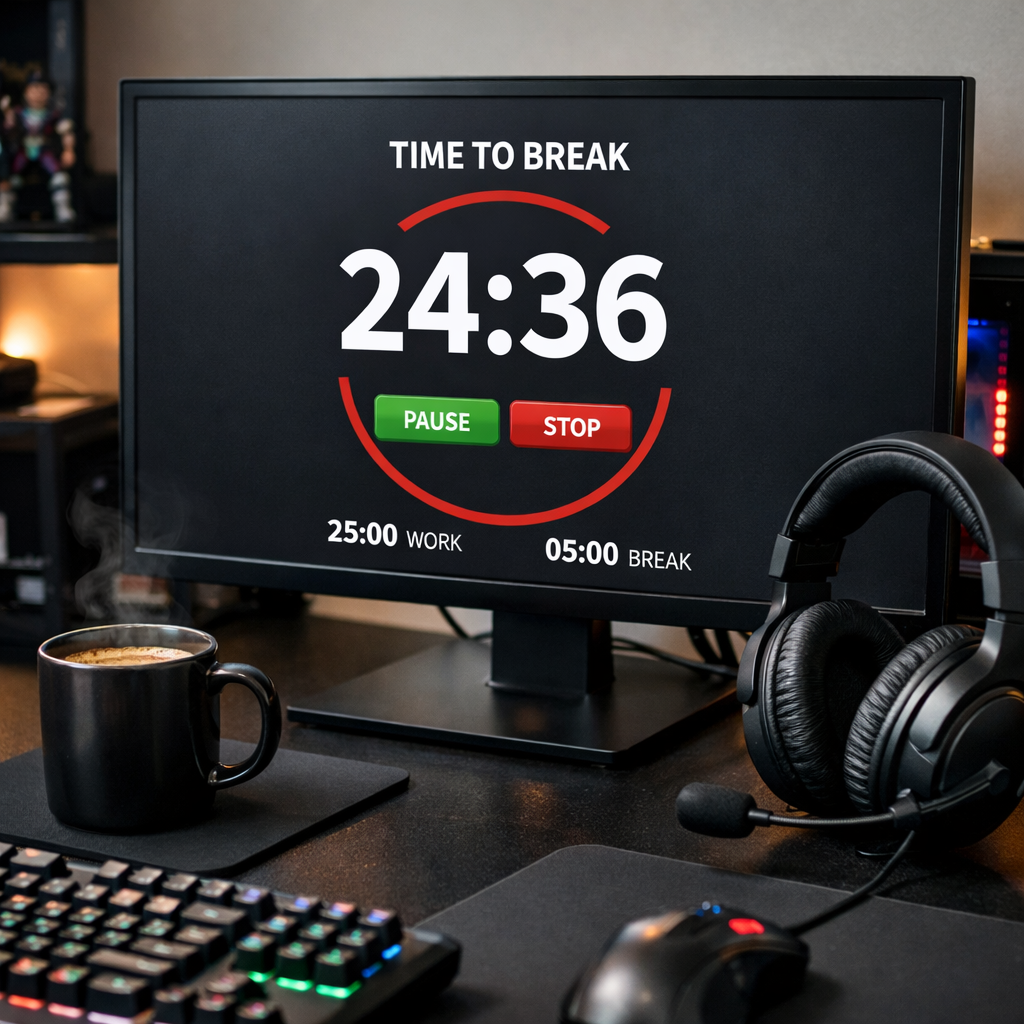
Focus Keeper is a straightforward app that helps you get into the groove of the Pomodoro Technique. If you’re not familiar, it’s basically a system where you work in focused bursts, usually 25 minutes long, followed by short breaks, like 5 minutes. After a few of these cycles, you take a longer break. It’s a simple way to break up your day and keep your brain from getting totally fried.
This app is all about making time management feel less like a chore and more like a natural part of your workflow. It’s not trying to be a fancy project manager or a complex to-do list; its main job is just to keep track of those work and break times for you.
Here’s how it generally works:
- Start a Work Session: You kick off a timer for your chosen work interval (often 25 minutes).
- Focus: During this time, you try to concentrate solely on your task. The app keeps an eye on the clock.
- Take a Short Break: Once the work timer is up, you get a short break (like 5 minutes) to stretch, grab water, or just zone out for a bit.
- Repeat: You cycle through these work and short break periods.
- Longer Break: After a set number of cycles (usually three or four), you take a longer break, maybe 20-30 minutes, to really recharge.
It’s a pretty basic setup, but honestly, that’s its strength. It doesn’t overwhelm you with features. You just set it and forget it, letting it guide you through your day.
The beauty of using a timer like Focus Keeper is that it externalizes the discipline. Instead of relying solely on willpower, which can be unreliable, you have a tool that gently nudges you to stay on track and reminds you when it’s time to rest. This can make a big difference in maintaining consistent productivity throughout the day.
2. Tomato
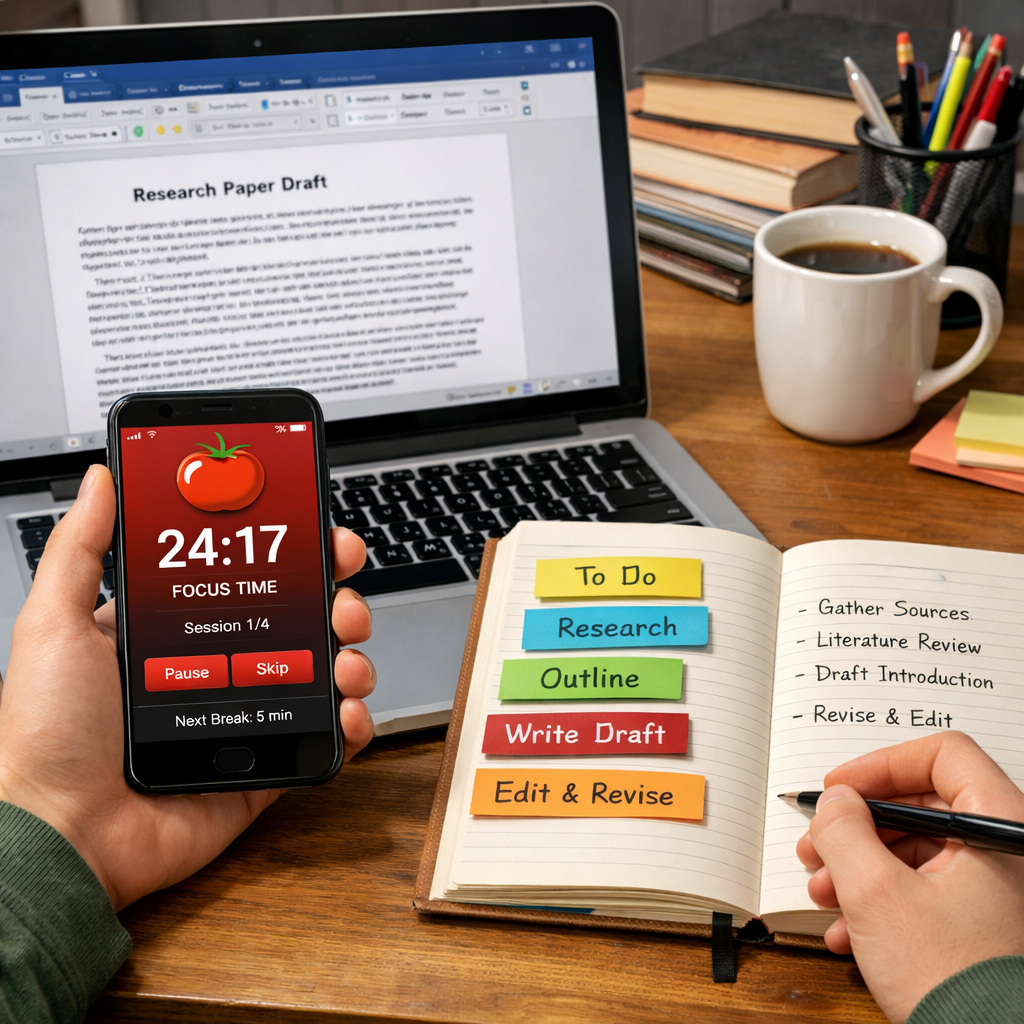
Tomato is a really slick Pomodoro timer that focuses on looking good and giving you solid data about your work habits. It’s built with that Material 3 design, which means it feels super smooth and looks right at home on your phone or computer.
The core idea is simple: work in focused bursts, then take short breaks. This helps you avoid getting burned out and keeps your brain sharp. Tomato handles the timing for you, so you can just concentrate on the task at hand.
Here’s a quick look at what makes Tomato stand out:
- Beautiful Design: It uses Material 3, so animations are fluid and the whole interface is clean and easy on the eyes.
- Insightful Analytics: You don’t just see how long you worked; you see when you were most productive. It tracks your daily stats and shows historical progress with nice graphs.
- Customizable: You can tweak how long your work sessions and breaks are, plus adjust notification sounds to fit your vibe.
- Future-Ready: It supports newer Android features, so your timer can stay visible without getting in the way.
It’s also open-source and doesn’t track your data, which is a big plus for privacy. If you’re looking for a straightforward, good-looking Pomodoro timer that gives you useful feedback, Tomato is definitely worth checking out. You can find more details on Pomodoro timer apps to compare.
3. Toggl Track
Toggl Track is a pretty straightforward tool that shows you where your time actually goes during the workday. It’s not overly complicated, which is nice when you’re just trying to get stuff done. You can use a simple start/stop timer, or if you prefer, you can just punch in your hours manually. It even has an offline tracking option, which is handy if you’re working somewhere with spotty internet.
One of the things I really liked is how you can add tags and descriptions to your time entries. Trying to keep track of multiple projects can get messy fast, so adding a quick note to each task really helps keep things clear. Plus, Toggl keeps your data for a good six months even if you stop using the app, so you can always look back at your reports.
Here’s a quick look at what you can do:
- Start and stop a timer for tasks.
- Manually input your work hours.
- Track time even when you’re offline.
- Add descriptions and tags to time entries for better organization.
- Review detailed reports of your time usage.
While the free version is pretty solid for individuals, if you’re working with a team, you’ll probably need to upgrade to one of their paid plans to get the full set of features. It’s a bit pricier than some other options out there, but for accurate time tracking, it’s a good investment. They recently added auto-tracking to their Chrome extension, which is a nice little improvement for keeping tabs on your activities.
Toggl Track offers a solid way to understand your work habits. It’s not about judging your time, but rather about providing clear data so you can make informed decisions about how you spend your hours and where you might be losing focus. This kind of insight is key for anyone looking to optimize their daily schedule and get more done without feeling overwhelmed.
For those looking to get a better handle on their capacity planning, Toggl Track provides a unified system to streamline workflows and ensure reliable data for effective resource allocation. Check out Toggl Focus for more on this.
4. RescueTime
RescueTime is one of those apps that just quietly does its thing in the background, and honestly, that’s kind of its superpower. It automatically tracks how you spend your time on your computer and phone, so you don’t have to remember to hit start or stop. It categorizes your activities into things like ‘Focus Work,’ ‘Other Work,’ ‘Personal,’ and ‘Distracting.’ This breakdown gives you a really clear picture of where your day is actually going.
It’s super helpful for figuring out those time sinks you might not even realize you’re falling into. For instance, you might think you’re only checking social media for a few minutes, but RescueTime might show you it’s adding up to an hour or more each day. It’s not about judging your habits, but more about providing the data so you can make informed choices about your workflow.
Here’s a quick look at how it breaks down your time:
- Focus Work: Activities that contribute directly to your goals.
- Other Work: Tasks that are work-related but not directly goal-oriented.
- Personal: Non-work activities during work hours.
- Distracting: Websites and apps that pull you away from your tasks.
The beauty of RescueTime is its automation. You set it up, and it just works. This means less manual input and more accurate insights into your actual productivity patterns, helping you adjust your habits without constant self-monitoring.
While there’s a free version that gives you a good overview, the paid version offers more detailed reports and the ability to set alerts or even block distracting sites. It’s a solid tool if you’re looking to get a handle on your digital habits and improve your focus time.
5. Clockify
Clockify is a solid choice if you’re looking for a time tracker that offers a lot without costing a fortune. It’s especially good for teams, but individuals can get a lot out of it too.
One of the best things about Clockify is its free plan. It’s pretty generous and covers the basics like time tracking and reporting. If you need more advanced features, like invoicing with item-based taxes or more detailed team management tools, the paid plans are still quite affordable, starting at a reasonable price per user per month.
Here’s a quick look at what it offers:
- Time Tracking: Simple start/stop timer, manual entry, and even an auto-tracker for when you want to monitor time spent across different apps and websites without manual input.
- Reporting: Get a clear picture of where your time is going with detailed reports. This is super helpful for spotting inefficiencies or just understanding your work habits better.
- Pomodoro Timer: If you like structured work intervals, Clockify includes a Pomodoro timer to help you stay focused during work sprints and take necessary breaks.
- Calendar View: Block out specific times for deep work or other important tasks, making it easier to manage your schedule and avoid distractions.
Clockify really shines when you need to track time for multiple projects or clients. It makes it easy to categorize your time entries, add descriptions, and generate reports that you can actually use. It’s not just about tracking hours; it’s about understanding how you spend your time so you can be more effective.
While it’s great for individuals, Clockify’s real power comes out when you use it with a team. It simplifies tracking everyone’s hours, managing projects, and even billing clients. The interface is pretty straightforward, though like any tool with lots of features, it might take a little getting used to if you’re new to time tracking software.
6. Freedom
Ever feel like your computer or phone is just a giant distraction machine? Yeah, me too. That’s where Freedom comes in. It’s basically a digital bouncer for your devices, kicking out anything that pulls you away from what you actually need to do. You can tell it to block specific websites, like social media or news sites, and even certain apps. It’s like putting blinders on for your digital life.
Freedom works across all your gadgets – your laptop, your tablet, your phone. So, no more hopping from one device to another to get around the blocks. You can set up scheduled blocking sessions, so it automatically kicks in when you need to focus, or you can just start a session on the fly. There’s even a ‘locked mode’ that stops you from messing with your blocklists while a session is active. Pretty handy if you’re prone to ‘just checking one thing.’
Here’s a quick look at what it offers:
- Website and App Blocking: Create custom lists of sites and apps to block.
- Scheduled Sessions: Plan your focus time in advance.
- Locked Mode: Prevents last-minute changes to your blocklists.
- Multi-Device Support: Works on computers, tablets, and phones.
- Ambient Sounds: Some versions include calming sounds to help you concentrate.
It’s not a magic bullet, though. You still need to have some self-control to avoid finding ways around it. But if you’re serious about cutting down on digital noise, Freedom is a solid tool to have in your arsenal. It’s not a task manager, so you’ll want to pair it with something that helps you organize what you should be doing.
Freedom is designed to be a straightforward tool for cutting out digital noise. It doesn’t try to be a project manager or a to-do list app. Its strength lies in its simplicity: block distractions, get work done. The effectiveness really comes down to how you use it in conjunction with your other productivity habits.
7. Reclaim.ai
Feeling like your calendar is a battlefield where tasks, meetings, and personal habits are constantly fighting for space? Reclaim.ai steps in as your AI-powered time manager, aiming to bring some order to the chaos. It’s designed to automatically find the best slots in your schedule for your to-dos, habits, and even breaks, all while working around your existing appointments.
Reclaim.ai intelligently carves out time for your tasks and routines without you having to manually block it out. It syncs with your Google Calendar and learns your priorities, making adjustments on the fly if something more important pops up. This means less time spent micromanaging your schedule and more time actually getting things done.
Here’s a quick look at what it offers:
- Habit Scheduling: Automatically blocks time for recurring habits like exercise or reading.
- Task Management: Finds time for your to-do list items based on their priority and your availability.
- Meeting Buffer Time: Adds buffer time before and after meetings to prevent back-to-back scheduling.
- Smart Rescheduling: Adjusts your scheduled blocks if your calendar changes.
The core idea behind Reclaim.ai is to treat your time like the valuable resource it is. Instead of just reacting to your calendar, it proactively plans your day to ensure important work and personal commitments get the attention they deserve. It’s like having a personal assistant who’s a whiz with scheduling.
While it’s a powerful tool for optimizing your personal schedule, it’s worth noting that its effectiveness relies on how well you feed it information about your tasks and habits. The more you use it, the smarter it gets at fitting everything in.
8. Notion
Notion is kind of like a digital Swiss Army knife for your work. It’s not just a place to jot down notes; you can build entire systems in there. Think of it as a workspace where you can combine notes, project management, and even a team wiki. It’s really flexible, which is both its biggest strength and, honestly, a bit of a hurdle when you first start using it.
You can build custom databases to track pretty much anything, from client lists to your personal inventory, or even just use it as a super-powered bookmarking app.
Here’s a quick look at what you can do:
- Note-taking: Capture ideas, draft blog posts, or build out entire knowledge bases. It’s great for keeping all your thoughts in one spot.
- Project Management: Plan out projects, keep an eye on progress, assign tasks, and set deadlines. It works well for small teams.
- Databases: Create custom tables to organize information. You can track anything from tasks to contacts.
- Collaboration: Work with others in real-time, share pages, and keep everyone on the same page.
It’s got a drag-and-drop interface, which makes building things pretty straightforward once you get the hang of it. You can also embed content from other apps, like Google Drive or Figma, right into your Notion pages. Plus, its API lets you connect it to other tools to automate some of your workflows.
The main thing to remember with Notion is that its flexibility means there’s a learning curve. It can feel a bit overwhelming at first because you can build so much, but once you figure out how to set it up for your specific needs, it’s incredibly powerful for keeping everything organized.
While there’s a free plan, some of the more advanced features and collaboration tools are behind a paywall. Paid plans start around $10 per month.
9. Todoist
Todoist is a pretty straightforward to-do list app that really shines when you just need to get your tasks organized without a lot of fuss. It’s not trying to be everything to everyone, which is kind of its strength, honestly. You can quickly jot down tasks, set due dates, and even assign priorities. I found it super helpful for keeping track of personal appointments and those little things that always seem to slip through the cracks.
Here’s a quick look at what makes it tick:
- Task Management: Create and organize tasks easily.
- Due Dates & Reminders: Set deadlines and get nudged so you don’t forget.
- Priorities: Mark tasks as high, medium, or low to know what to tackle first.
- Projects: Group related tasks together for better organization.
- Natural Language Input: Just type what you need to do, like "Schedule meeting with Sarah next Tuesday at 3 PM," and it figures it out.
It’s also got a decent free version, which is great for personal use. You get a good number of projects you can manage, which is usually enough for most people just trying to keep their own life in order. Paid plans start at a reasonable price if you need more advanced features or team collaboration, but for solo productivity, the free tier is often all you need.
The real beauty of Todoist is its simplicity. It doesn’t bog you down with a million options you’ll never use. It just helps you get things done, which is exactly what you want from a task manager.
10. Asana
Asana is a pretty solid choice if you’re looking for a way to manage projects, especially if you’re working with a team. It’s got this way of letting you see all your tasks, who’s supposed to do what, and when it’s all due. You can set things up in different views – like a list, a board, or even a timeline – which is handy when you’ve got a lot going on.
It’s really good for keeping track of progress and making sure everyone’s on the same page. Plus, you can add comments and files right to the tasks, which cuts down on a lot of back-and-forth emails.
- Organize tasks visually: Use boards, lists, or timelines to see your work clearly.
- Assign tasks and set deadlines: Make sure everyone knows their responsibilities and when they need to be done.
- Track project progress: Get real-time updates to see how things are moving along.
- Collaborate with your team: Comment on tasks, share files, and keep communication in one place.
Asana can feel a bit much when you first start, especially if you’re not used to project management software. There’s a bit of a learning curve to get the most out of it, and some of the really advanced features are behind a paywall. But for getting a handle on complex projects, it’s definitely worth a look.
Asana offers a free plan, which is a good starting point. Paid plans begin around $10.99 per user per month, giving you access to more features and better support for larger teams.
11. Trello
Trello is a really popular tool, and for good reason. It uses a visual system of boards, lists, and cards that makes managing projects feel less like a chore and more like organizing sticky notes on a whiteboard. If you’re someone who likes to see where everything is at a glance, Trello might be your jam.
It’s especially great for teams that need to track tasks and project progress visually. You can create a board for a project, then set up lists for different stages, like ‘To Do,’ ‘In Progress,’ and ‘Done.’ Each task becomes a card that you can move between these lists as it gets completed. It’s pretty straightforward, which is a big plus when you just want to get things done without a steep learning curve.
Here’s a quick look at what makes Trello work:
- Boards: Think of these as your main project hubs.
- Lists: These are the columns within a board, representing stages or categories.
- Cards: These are the individual tasks or items, which can hold details like descriptions, checklists, due dates, and attachments.
- Members: You can assign team members to cards to show who’s responsible for what.
- Labels & Due Dates: Helps in prioritizing and tracking deadlines.
While Trello is fantastic for visual task management, it might not have all the bells and whistles of more complex project management software. For simpler projects or team collaboration where a visual overview is key, it’s a solid choice. If you’re looking for alternatives, there are many other project management tools available that might fit different needs after thorough testing.
Trello’s strength lies in its simplicity and visual appeal. It’s easy to get started and provides a clear overview of project status, making it a go-to for many teams looking for a straightforward way to organize their work.
12. Raycast
Raycast is a pretty neat tool for Mac users that basically puts a command center right in your menu bar. Think of it all your apps, files, and even some web searches, all accessible with a quick keyboard shortcut. It’s like a super-powered spotlight search, but with way more functionality.
What I really like is how you can set up custom commands and snippets. Need to quickly open a specific project folder or send a pre-written email? Raycast can handle that. It also has a growing library of extensions that connect to other services you might use, like GitHub or Jira. This means you can manage tasks or check notifications without leaving the Raycast interface. It’s all about reducing the number of times you have to switch windows or contexts.
Here are a few things Raycast can do:
- Launch applications instantly.
- Perform quick calculations or conversions.
- Search your local files and cloud storage.
- Create custom shortcuts for repetitive actions.
- Integrate with other productivity tools.
It’s a Mac-only application, which is a bummer if you’re on Windows, but for Mac users, it’s a serious productivity booster. You can even set up custom shortcuts for things like quitting all open apps, which is handy when you need to really focus.
Raycast really shines when you start customizing it. The default setup is good, but the real magic happens when you tailor it to your specific workflow. It takes a little bit of time to set up, but the payoff in saved clicks and mental energy is totally worth it.
13. IFTTT
You know how sometimes you feel like you’re just bouncing between a million different apps and services all day? It’s like, you get an email, then you have to save an attachment to your cloud drive, then maybe post something on social media about it. It really adds up and eats into your actual work time. That’s where IFTTT, which stands for ‘If This Then That,’ comes in handy. It’s basically a way to make your apps and devices talk to each other automatically.
Think of it like setting up little rules. For example, you could say, ‘IF I get an email with a specific subject line, THEN save the attachment to my Dropbox.’ Or, ‘IF I post a new photo on Instagram, THEN also share it to my Twitter.’ It’s all about connecting things you already use to save yourself those repetitive clicks and manual transfers. You can find a ton of pre-made connections, called applets, or build your own. It’s a pretty neat way to boost your productivity in 2026 with simple automations designed to save time and help you focus.
Here are a few ideas for how you might use it:
- Email to Cloud Storage: Automatically save email attachments from specific senders or with certain keywords to your preferred cloud storage service like Google Drive or Dropbox.
- Social Media Sync: When you post on one social platform (like Instagram), have it automatically share to another (like Twitter or Facebook).
- Smart Home Integration: Connect your smart lights to your calendar. For instance, have your lights dim at a certain time each evening to signal it’s time to wind down.
- Task Management: If you star an email in Gmail, have it automatically create a task in your to-do list app.
It’s not going to solve every single workflow problem, and sometimes the more complex automations can be a bit tricky to set up. But for those small, annoying tasks that eat up your day, IFTTT can be a real lifesaver. It’s a great way to get more out of the tools you’re already using without a huge learning curve.
IFTTT works on a simple trigger-action principle. You set up a condition (the ‘this’), and then you define what should happen when that condition is met (the ‘that’). This logic allows for a wide range of automated tasks, from simple notifications to more complex multi-step processes, connecting hundreds of different apps and devices.
14. Hemingway
When you’re trying to get your thoughts down on paper, sometimes the biggest hurdle isn’t coming up with the ideas, but making sure they’re actually clear to someone else. That’s where the Hemingway App comes in. It’s designed to help you write with more directness and less fluff. Think of it as a digital editor that points out where your sentences might be getting a bit too complicated or wordy.
The app looks at your writing and flags things that could be simpler. It’s pretty straightforward about it, too. You’ll see sentences highlighted in different colors, each color meaning something specific:
- Yellow: Sentences that are a bit long and complex, possibly confusing.
- Red: Sentences that are really dense and might need a serious rewrite.
- Purple: Words or phrases that have simpler alternatives.
- Blue: Adverbs that might be weakening your verbs or could be cut.
- Green: Passive voice constructions that could often be made more active.
It’s not about making your writing sound robotic, but about making it easy to read. The goal is to get your message across without making the reader work too hard to understand it. It’s available both as a web app and a desktop version, so you can use it wherever you write.
The Hemingway App is a tool for writers who want to improve the clarity and conciseness of their prose. It focuses on identifying common writing pitfalls like overly complex sentences, passive voice, and unnecessary adverbs, offering suggestions for improvement. While it’s a great aid for making writing more accessible, it’s important to remember that style is subjective, and not every suggestion will perfectly fit your intended voice.
15. Brain.fm

Sometimes, you just need background noise that actually helps you focus, not distracts you. You know, like when a song you love comes on and suddenly you’re singing along instead of typing? Brain.fm aims to fix that. It uses science-backed audio tracks, basically specially designed music and sounds, to help your brain get into a focused state. They have different kinds of tracks – some for deep work, some for chilling out, and even some for sleeping. It’s pretty neat how they claim it can influence brainwaves to get you in the zone.
- Focus Music: Designed to boost concentration.
- Relaxation Music: Helps you unwind.
- Sleep Music: Aids in getting restful sleep.
It’s a subscription service, so you’ll need to pay monthly to get the full benefit. Some people find it works wonders, while others might not notice a huge difference. It really depends on how your brain responds to this kind of auditory stimulation.
The effectiveness of these soundscapes can really vary from person to person. What works like magic for one might just be background noise for another. It’s worth trying out to see if it clicks with your personal workflow and how you process sound.
16. Headspace
When your brain feels like a tangled mess of to-do lists and worries, staying focused is a real challenge. That’s where Headspace comes in. It’s an app built around mindfulness and taking care of your mental well-being. Think of it as a gym for your mind, offering guided meditations, breathing exercises, and simple mindfulness practices to help calm the chaos.
Headspace makes it easy to get started, even if you’ve never meditated before. The interface is friendly, and the voice guiding you is usually pretty soothing. It’s not just about sitting still, though. They have different programs for specific needs:
- Stress and Anxiety Relief: Short sessions to help you manage those overwhelming feelings.
- Focus Boosters: Meditations designed to clear your mind and help you concentrate on the task at hand.
- Sleep Aids: Stories and soundscapes to help you wind down and get better rest.
- Mindful Movement: Gentle exercises that combine physical activity with mindfulness.
The core idea is to build a healthier relationship with your own mind. It’s about finding moments of calm in a busy day, which can make a big difference in your overall productivity and how you feel.
While Headspace is fantastic for mental clarity, it’s important to remember it’s a subscription service. You won’t get access to the full library of content without paying, and sometimes you’ll need an internet connection to use certain features, which can be a bit of a bummer if you’re trying to disconnect.
It’s a solid choice if you find that mental clutter is your biggest productivity roadblock. By taking just a few minutes each day to reset, you might find yourself much more capable of tackling your work.
17. ChatGPT
ChatGPT, from OpenAI, has really changed the game when it comes to AI tools. It’s basically a super smart chatbot that can understand and generate human-like text. Think of it as a really knowledgeable assistant you can chat with. You can ask it questions, have it explain complex topics, or even get it to write different kinds of content for you. It’s pretty wild how it can process information and respond in a way that feels natural.
One of the coolest things is its ability to help with creative tasks. Stuck on an idea for a blog post? Need to brainstorm some marketing slogans? ChatGPT can actually help with that. It can also be a lifesaver for learning. If you’re struggling with a concept, you can ask ChatGPT to break it down for you in simpler terms. It’s like having a tutor on demand.
Here are a few ways it can boost your workflow:
- Drafting emails and communications: Get a head start on writing professional emails or messages.
- Summarizing long documents: Paste in text and ask for a concise summary to save reading time.
- Generating creative content ideas: Overcome writer’s block by asking for suggestions on topics or angles.
- Explaining technical jargon: Get clear explanations for terms you don’t understand.
- Basic coding assistance: While not a replacement for a developer, it can help with simple code snippets or debugging.
It’s important to remember that ChatGPT isn’t perfect. Sometimes it gets things wrong, and the quality of its answers really depends on how you ask the question. You have to be clear and specific with your prompts to get the best results. Also, always double-check any information it gives you, especially for important tasks.
While ChatGPT can generate text, code, and answer questions, it’s a tool to assist, not replace, human thought and creativity. Always review and refine its output to ensure accuracy and originality.
18. Superhuman
Superhuman is an email client that aims to make managing your inbox feel, well, superhuman. It’s built for speed and efficiency, cutting down on the time you spend dealing with emails. If your inbox is a constant source of stress and lost time, this might be worth a look.
It’s designed to help you get through your email much faster than a standard client.
Superhuman packs a lot of features to speed things up:
- AI-powered triage: It automatically sorts your emails, showing you what’s important first and filtering out the noise.
- Fast interface: Everything from searching to composing feels quick. They really focus on making navigation smooth.
- Automated phrases and templates: You can save common responses and insert them with a few keystrokes, which is a huge time-saver.
- Follow-up reminders: Never forget to follow up on an email again. You can set reminders directly within the app.
- Undo send: Made a mistake? You have a small window to recall a sent email.
- Read receipts: See when your emails have been opened.
While Superhuman offers a lot of power for email management, it comes with a pretty steep price tag. It’s definitely an investment, and you need to be sure that the time savings justify the cost for your specific workflow. It’s not for everyone, but for those who live in their inbox, it could be a game-changer.
It also integrates with other tools, helping to streamline your communication. If you’re looking for ways to speed up your email process, Superhuman is a strong contender, though its cost means you’ll want to check out other Chrome productivity extensions too, to see how they compare in terms of value.
19. Dropbox
Dropbox is more than just a place to dump your files; it’s a central hub for your digital life. If you’re tired of searching through endless folders on different devices, Dropbox offers a straightforward solution. It keeps all your important documents, photos, and videos accessible from anywhere, on any device.
Think of it as your personal cloud vault. You can store pretty much anything, and then share it out with others. This makes collaborating on projects much simpler, especially if your team is spread out. You can even work on documents together in real-time, which is pretty neat.
Here’s a quick look at what Dropbox brings to the table:
- Cloud Storage: Keep your files safe and sound in the cloud.
- File Sharing: Send files and folders to anyone, with control over who sees what.
- Version History: Accidentally delete something or make a mess? You can go back to an older version.
- Offline Access: Download what you need so you can work even without an internet connection.
- Integrations: Connects with other tools you probably already use, like Microsoft Office and Google Workspace.
One of the standout features is the day-and-night drop box functionality, which really helps global teams stay in sync. No matter the time zone, files can be exchanged effortlessly. It’s a solid choice for anyone looking to organize their digital world and make sharing files a breeze. While the free tier is useful for basic needs, you’ll likely want to look into their paid plans if you have a lot of data or need advanced team features. It’s a reliable way to keep your work organized and accessible, which is a big win for productivity.
20. 1Password
Okay, let’s talk about passwords. We all know we should be using strong, unique ones for everything, but who can actually keep track of all those complex strings of characters? It’s a nightmare. That’s where 1Password comes in. It’s basically a super-secure digital vault for all your login information. No more sticky notes or that one password you use for 90% of your accounts.
1Password makes generating and storing these strong passwords a breeze. You create one strong master password, and then 1Password handles the rest. It’s got this neat password generator that spits out uncrackable passwords for new accounts, and then it remembers them for you. When you visit a site, it can autofill your login details, saving you a ton of time and frustration. Plus, it’s not just for websites; it can store secure notes, credit card details, and even important documents.
Here’s a quick look at what makes it so useful:
- Password Generation: Creates unique, complex passwords for every site.
- Secure Storage: Keeps all your logins, notes, and sensitive data encrypted.
- Autofill: Automatically fills in your credentials on websites and apps.
- Watchtower: Alerts you if any of your passwords have been compromised in a breach.
- Family Sharing: Lets you securely share passwords with trusted individuals.
They’re also rolling out some pretty cool stuff for businesses, like automated provisioning that will connect directly with systems like Okta and Entra ID starting in 2026. This should make managing access for teams much smoother. While there’s no free plan, the peace of mind and time saved are pretty significant. It’s a small price to pay for keeping your digital life secure and organized. You can check out their enterprise features for more on that.
21. Copilot Money
Managing your money can feel like a full-time job sometimes, right? Between bills, subscriptions, and trying to save, it’s easy to lose track. That’s where Copilot Money comes in. It’s basically an AI-powered personal finance manager that pulls all your financial information into one place. Think of it as a dashboard for your entire financial life.
It connects to over 10,000 banks and financial institutions, giving you a really clear picture of where your money is going. The AI part is pretty neat; it looks at your income and spending habits and suggests budgets that actually make sense for you, not just generic numbers. It helps you avoid that feeling of being overly restricted while still keeping you on track.
Here’s a quick look at what it does:
- Tracks Income and Expenses: Automatically pulls in transactions from all your accounts.
- AI Budgeting: Creates personalized budgets based on your actual spending.
- Categorizes Spending: Automatically sorts your purchases so you know exactly where your money goes.
- Subscription Management: Finds and tracks all those recurring charges you might have forgotten about.
- Investment Monitoring: Keeps an eye on how your investments are performing.
It’s designed to give you smarter spending insights and helps you set and track financial goals. While it doesn’t have a free plan, the paid options start at a reasonable monthly rate, which might be worth it if you’re looking for a more organized approach to your finances. It’s a solid tool for anyone wanting a better handle on their money without a ton of manual input. You can check out other AI productivity tools that might fit into your workflow.
22. Ocoya
Ocoya is a pretty neat tool if you’re deep into social media marketing. It basically tries to be your all-in-one spot for creating and scheduling posts. Think of it as combining a few different apps you might already use, like a bit of ChatGPT for writing, some Canva for visuals, and a scheduler like Hootsuite, all rolled into one.
It uses AI to help you come up with captions and hashtags, which can be a real time-saver when you’re trying to get content out quickly. You can also schedule these posts across different platforms to hit those peak engagement times.
Here’s a quick look at what it offers:
- AI-powered content generation: Helps write captions and suggest hashtags.
- Social media scheduling: Plan and automate posts for various platforms.
- Visual creation tools: Basic tools for making graphics, or you can link up with Canva.
- Content calendar: Visualize your posting schedule.
- Analytics: See how your posts are performing.
It’s especially good for teams that need to churn out a lot of social media content efficiently.
While the AI is helpful for getting started, you’ll still want to review and tweak the content to make sure it really sounds like your brand. It’s a tool to speed things up, not replace your creative input entirely.
23. Fathom
If you’re in sales, you’re probably on a lot of remote calls each week. Fathom is a tool that can really help you out by capturing, transcribing, and summarizing those discussions. It records and transcribes meetings as they happen, so you don’t have to worry about taking notes yourself. This saves you time after the call and lets you focus on what the other person is saying without missing anything important.
Fathom automatically highlights key topics and action items during the conversation. It can also generate quick summaries of longer meetings, which is super handy for reviewing later or sharing with your team. Plus, you can easily search through all your past transcripts to find specific information you might need.
Here’s what Fathom can do for you:
- Real-time transcription: Meetings are transcribed as they occur.
- Highlighting: Important keywords and topics are automatically identified and marked.
- Action item detection: The tool finds and pulls out tasks that need doing.
- Summarization: Get concise overviews of your meetings.
- Searchable transcripts: Quickly find information within your recorded conversations.
- Shareable content: Easily share recordings and transcripts with others.
- CRM integration: Sync your meeting data directly with your customer relationship management system.
While Fathom is great for capturing meeting details, remember that transcriptions might not be perfect, especially if there’s background noise or unusual accents. Also, there isn’t a free plan for its advanced features; you’ll need a paid subscription to get the most out of it.
24. Gong
Gong is a powerhouse for sales teams, focusing on analyzing sales calls to give you a clearer picture of what’s happening. It records and transcribes your conversations, then breaks them down to highlight key moments, customer objections, and even mentions of competitors. This kind of insight can really help in training new reps or refining strategies for experienced ones.
- Automatic Call Recording and Transcription: Never miss a detail from your sales calls.
- Conversation Analysis: Understand talk patterns, identify customer needs, and spot competitor mentions.
- Deal Intelligence: Get a handle on deal progress and potential roadblocks.
- Coaching and Feedback Tools: Provide targeted guidance to your sales team based on real call data.
Gong’s ability to turn raw call data into actionable insights makes it a standout tool for sales performance. While it’s a significant investment, the potential return from improved sales processes and better coaching can be substantial for businesses serious about scaling their sales efforts.
The sheer volume of data Gong can process from sales calls is impressive. It’s like having a super-analyst listening in on every conversation, pointing out exactly what worked and what didn’t. This isn’t just about tracking; it’s about understanding the nuances of sales interactions at a level that’s hard to achieve otherwise.
25. Canva and more
When you think about productivity tools, graphic design software might not be the first thing that pops into your head. But honestly, for a lot of us, making visuals is a big part of the job, whether it’s for social media, presentations, or even just a quick flyer. That’s where tools like Canva come in. They really simplify the whole process.
Canva is super user-friendly, even if you’re not a designer. It’s got tons of templates for pretty much anything you can imagine. Need a Facebook post? Done. A presentation slide? Easy. A business card? Yep. You just pick a template and start tweaking it. It’s like having a design assistant who knows exactly what you need.
Here’s a quick look at what makes it useful:
- Vast Template Library: Seriously, thousands of options for different needs.
- Drag-and-Drop Interface: Makes editing a breeze, no complicated software skills needed.
- Stock Assets: Access to photos, icons, and other design elements right within the app.
- Collaboration Features: You can work on designs with your team in real-time, which is great for getting feedback quickly.
- Brand Kits: Keep all your logos, colors, and fonts in one place for consistent branding across projects.
Beyond Canva, there are other tools that fit into this
Wrapping Up Your Productivity Journey
So, we’ve looked at a bunch of different ways to get more done, from fancy apps to simple tricks. It’s pretty clear that there’s no single magic bullet for everyone. What works for me might not be the best fit for you, and that’s totally okay. The real win here is figuring out what helps you focus and get through your tasks without feeling totally drained. Don’t be afraid to try a few things out, mix and match, and see what sticks. The goal isn’t to become a productivity robot, but to find a rhythm that makes your work feel more manageable and maybe even a little more enjoyable. Give it a shot, and see how much more you can accomplish.
Frequently Asked Questions
What is the Pomodoro Technique and how does it help productivity?
The Pomodoro Technique is a way to manage your time by working in short bursts. You focus hard for about 25 minutes, then take a short break for 5 minutes. After doing this a few times, you take a longer break. It’s like having a coach tell you when to work hard and when to rest, so you don’t get too tired and can get more done.
Why are there so many productivity apps, and how do I choose one?
There are tons of apps because everyone works differently! Some people need help blocking distractions, others need to organize tasks, and some want to track their time. The best app for you depends on what you find most difficult about staying productive. It’s like picking the right tool for a specific job.
Can a productivity app really make me more productive?
Apps can definitely help, but they aren’t magic. They work best when you use them with good habits, like tackling hard tasks first and taking short breaks. Think of apps as helpful tools that support your efforts, not as the only solution.
What’s the difference between a timer app and a distraction blocker?
A timer app, like a Pomodoro timer, helps you structure your work and break times. A distraction blocker, like Freedom, stops you from visiting websites or using apps that pull your attention away. You might use both together for the best results.
Is it better to use one all-in-one app or several specialized apps?
Many experts now suggest using a few core tools that work well together instead of trying to use one app for everything. It’s often better to find a great app for a specific need, like task management or time tracking, and use it alongside your other essential tools.
How can I make sure I’m using my downtime effectively?
Real downtime isn’t about watching TV or listening to a podcast, which still require focus. True downtime is when you let your mind wander, like going for a walk, doing a simple chore, or just daydreaming. This helps your brain rest and recharge, making you more productive later.