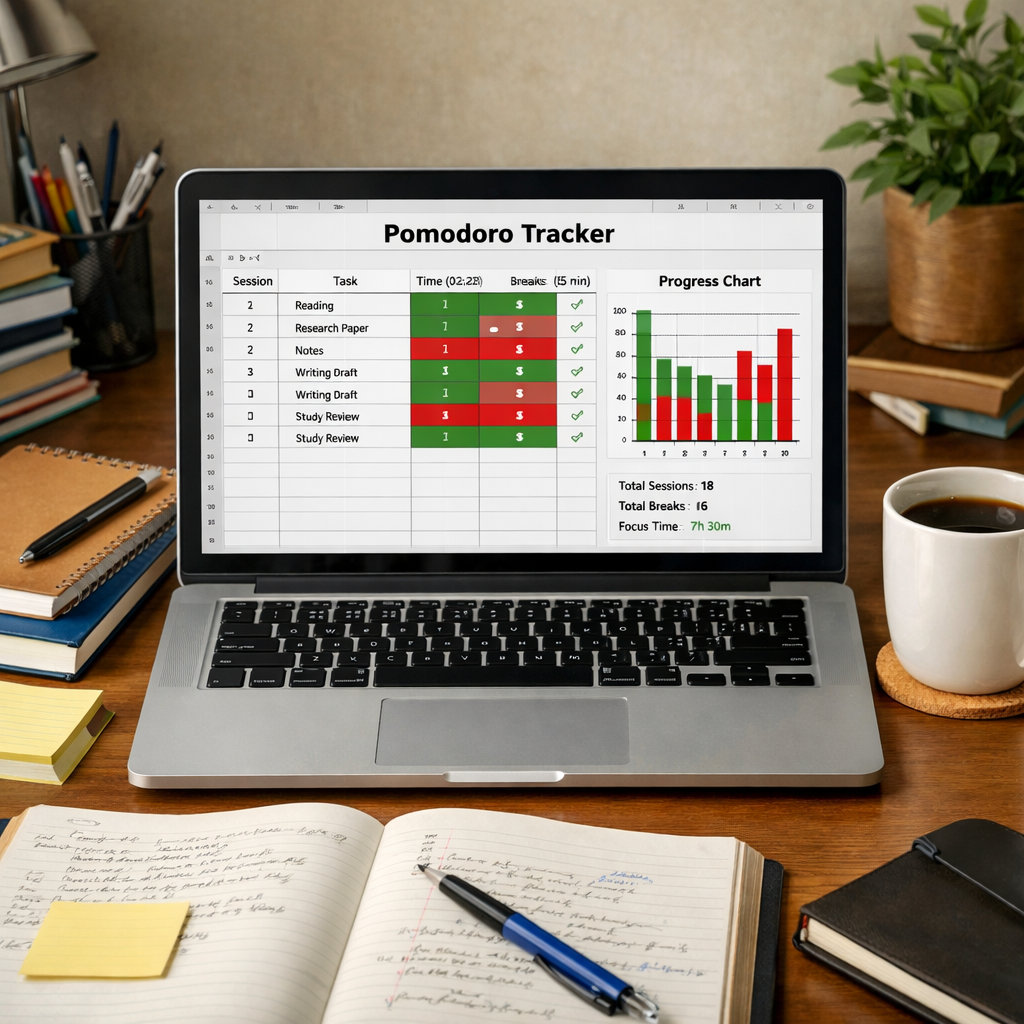

In today’s world, staying on track can feel like a battle. Distractions are everywhere, and sometimes it feels like your to-do list is just getting longer. But what if there were tools to help? Technology can actually be your friend here. We’ve looked at a bunch of apps that can help you zero in on what matters, whether you’re working, studying, or just trying to get things done. This article is all about finding that perfect concentration app to make your days smoother and more productive.
Key Takeaways
- Fellow uses AI to help manage meetings, cutting down on the time spent preparing and taking notes, so you can focus more on actual work.
- Freedom blocks distracting websites and apps across all your devices, making it harder to get sidetracked by the internet.
- RescueTime tracks how you spend your time automatically, showing you where your attention really goes and helping you set up focus periods.
- Todoist is a straightforward app for managing your tasks, helping you organize what needs to be done and track your progress.
- Forest uses a timer and a virtual tree to encourage focus; if you leave the app, your tree dies, motivating you to stay on task.
1. Fellow: AI Meeting Assistant
Meetings. We all have them, and let’s be honest, they can be a real drain on productivity if not handled well. That’s where Fellow comes in. It’s an AI meeting assistant designed to make your meetings more effective and, importantly, less of a time sink afterward. Think of it as your personal meeting scribe and organizer, all rolled into one.
Fellow automatically captures what’s discussed, so you don’t have to. This means no more frantic note-taking that pulls you out of the conversation, and no more spending ages after the meeting trying to piece together who agreed to what. It handles recordings and transcriptions across various platforms like Zoom, Google Meet, and even in-person chats. This captured intelligence then becomes searchable, meaning you can quickly find decisions or action items without digging through endless emails or chat logs.
Here’s how Fellow helps streamline your meeting process:
- Automated Note-Taking: Captures key points and discussions without manual effort.
- Action Item Tracking: Identifies and assigns action items directly from the meeting.
- Searchable Transcripts: Allows you to quickly find specific information discussed in past meetings.
- Meeting Recaps: Generates summaries, saving you time on post-meeting follow-ups.
The real magic of an AI meeting assistant like Fellow is how it reduces the cognitive load associated with meetings. Instead of worrying about remembering details or writing summaries, you can focus on the discussion itself. This shift allows for more engaged participation and better decision-making during the meeting, and significantly less administrative work afterward. It’s a secure AI note-taker that really saves users time.
Fellow integrates with your existing workflow, making it easier to manage meeting outcomes and keep projects moving. It’s a smart way to ensure that the time spent in meetings actually translates into progress, rather than just being another item on your to-do list. You can find out more about how it works on their website.
2. Freedom: Distraction Blocking
Okay, so we all know the internet is a giant rabbit hole of distractions. One minute you’re looking up a recipe, the next you’re watching videos of cats playing pianos. Freedom is designed to put a stop to that.
This app is pretty straightforward: it blocks websites and apps that tend to pull you away from your work. The really neat part is that it works across all your devices at once. So, if you block Instagram on your laptop, it’s blocked on your phone and tablet too. No more switching devices to get your fix.
Here’s how it helps you actually get stuff done:
- Synchronized Blocking: It syncs across your Mac, Windows, Android, iOS, and Chrome browser. This means you can’t just hop over to your phone when your computer is blocked.
- Scheduled Sessions: You can set up specific times for blocking to start automatically. Think of it like a digital curfew for your most distracting apps.
- Locked Mode: If you’re really struggling, this mode stops you from disabling the blocks even if you try. It’s like a digital time-out.
- Ambient Sounds: Freedom also offers some background sounds that are supposed to help you concentrate better.
Freedom’s multi-device sync is its biggest win. It tackles the common problem of just switching screens when your primary one gets too restrictive.
It’s easy to think you have a handle on your digital habits, but the constant pings and notifications are designed to pull you away. Freedom acts as a digital gatekeeper, helping you reclaim those scattered minutes and hours.
Freedom offers a free trial, and then plans start around $8.99 a month or $40 for the year. It’s a solid choice if you find yourself constantly tempted by online distractions across your various devices.
3. RescueTime: Automatic Time Tracking
Ever feel like your workday just disappears into a black hole? You start with a clear plan, but before you know it, hours have passed, and you’re not sure where the time went. That’s where RescueTime comes in. It’s an app that quietly runs in the background, tracking exactly which applications and websites you’re using. Think of it as a personal time auditor, showing you the unfiltered truth about your digital habits.
RescueTime gives you the data to understand where your attention is really going, not just where you think it’s going. It breaks down your time into productive, neutral, and distracting categories, offering detailed reports that can be pretty eye-opening. You might be surprised to see how much time slips away on social media or random browsing.
Here’s how it helps you get a grip on your time:
- Detailed Reporting: Get clear insights into your daily, weekly, and monthly time usage across all your digital activities.
- Productivity Scoring: Understand your focus levels with a personalized productivity score that helps you identify patterns.
- Focus Sessions: Manually trigger ‘Focus Sessions’ that can block distracting websites and apps, allowing you to concentrate on deep work.
- Goal Setting: Set daily time goals for productive activities and get alerts when you’re on track or falling behind.
The real power of RescueTime isn’t just in tracking; it’s in the awareness it builds. Once you see the numbers, you can start making conscious changes to reclaim your most valuable asset: your time. It’s like having a mirror held up to your work habits, showing you exactly what needs adjusting to stay on track.
4. Todoist: Task Management
Okay, let’s talk about Todoist. If you’ve been trying to get organized, chances are you’ve bumped into this app. It’s one of those tools that just seems to stick around, and for good reason. It’s a solid task manager that works for a lot of different people, whether you like simple lists, Kanban boards, or even a calendar view if you upgrade.
What I really like is that you don’t need to be a tech wizard to get it set up. It’s pretty straightforward out of the box, but you can also tweak it a lot if you want. Plus, they have these handy templates based on popular productivity methods like ‘Getting Things Done’ or the ‘Eisenhower Matrix’, which can give you a jumpstart.
Here are a few things that make Todoist stand out:
- Natural Language Input: Just type something like ‘Schedule meeting with Sarah next Tuesday at 10 AM’, and Todoist figures out the date and time for you. It’s surprisingly good at this.
- Karma System: It’s a small thing, but getting little points for completing tasks can actually be motivating. It’s a bit of gamification that just works.
- Cross-Platform Sync: Your tasks are available on your phone, computer, tablet – wherever you need them, and they sync up pretty quickly.
- Integrations: It plays nice with a bunch of other apps you might already use, like Slack. You can even turn a Slack message into a task without leaving Slack.
Todoist manages to be both powerful and simple. It doesn’t get bogged down with too many complicated features, making it easy to actually use it to get things done rather than just fiddling with settings. It’s a great place to dump all your to-dos and feel like you’re making progress.
While the free version is pretty generous, the paid plans are also quite affordable, starting at around $5 a month. It’s a good option if you’re looking for a reliable way to keep track of everything you need to do, both personally and professionally.
5. Evernote: Note-Taking
Evernote is your digital filing cabinet, perfect for capturing thoughts, saving articles, and keeping track of all sorts of information. It’s really handy when inspiration strikes out of the blue, or when you just need to remember something important without the worry of losing it. The best part? Its search function is pretty powerful, meaning you can find what you need in seconds, saving you a bunch of time.
Think of it as a place to dump all those random ideas, meeting notes, or even recipes you found online. You can add text, images, audio clips, and even attach files. It all syncs up across your devices, so your notes are always with you, whether you’re on your phone, tablet, or computer.
Here’s how you can make the most of it:
- Organize with Notebooks: Group related notes into different notebooks. Imagine a ‘Work Projects’ notebook or a ‘Personal Ideas’ one.
- Tag Everything: Use tags to add another layer of organization. Tag notes with keywords like ‘urgent’, ‘ideas’, or ‘to read’ for super-quick retrieval.
- Web Clipper: This browser extension is a lifesaver. Clip entire web pages or just specific articles directly into your Evernote account without all the extra website clutter.
Evernote makes it simple to keep all your thoughts and important bits of information in one place. It’s like having a second brain that you can access from anywhere, making sure you don’t miss a beat.
6. Forest: Focus Timer
Ever find yourself staring at your screen, mind wandering off to who-knows-where? Forest is a pretty neat app that tackles this head-on by making focus a bit of a game. The basic idea is simple: you plant a virtual tree when you want to concentrate. As long as you stay focused and don’t leave the app, your tree grows. If you get distracted and switch to another app, your tree withers and dies. It’s a surprisingly effective visual cue.
What really sets Forest apart, though, is the real-world impact. The virtual coins you earn by successfully growing trees can be used to plant actual trees through their partnership with organizations like Trees for the Future. So, not only are you boosting your own productivity, but you’re also contributing to reforestation efforts. It adds a layer of purpose that goes beyond just getting work done.
Here’s how it works:
- Start a Focus Session: Open the Forest app and tap to plant a tree. Choose how long you want to focus for.
- Stay Focused: Keep the app open and avoid switching to distracting applications. Your tree will grow during this time.
- Complete Your Session: Once the timer is up, your tree is fully grown! You earn coins based on your success.
- Build Your Forest: Successfully grown trees populate your virtual forest, creating a visual representation of your focused time.
The gamified approach here really taps into our desire for rewards and progress. Seeing your virtual forest expand is a tangible reward for your efforts, and the knowledge that you’re also helping the environment makes sticking with it even more appealing. It’s a win-win for your concentration and the planet.
Forest is a great option if you respond well to positive reinforcement and want your focus habits to have a positive impact beyond your personal goals. It’s a simple concept, but the dual reward system – personal achievement and environmental contribution – makes it a standout tool for improving focus and motivation.
7. Slack: Communication App
Tired of drowning in emails? Slack is a fantastic alternative for team communication that can seriously speed things up, especially if you work remotely. It’s basically a chat platform where you can talk in real-time with individuals, small groups, or your whole company. This means you can share info and sort out problems without needing a million meetings.
Slack also plays nice with hundreds of other apps. You can pull your work right into your chat rooms, so you don’t have to keep opening new tabs to look for stuff. It really cuts down on the digital clutter and context switching that kills productivity.
Here’s a quick look at what makes Slack so useful:
- Channels: Think of these as dedicated chat rooms for specific projects, teams, or topics. Keeps everything organized.
- Direct Messages: For quick, private chats with one or a few people.
- File Sharing: Easily drop documents, images, or whatever else you need right into conversations.
- Search: Can’t find that message from last week? Slack’s search is pretty good at digging up old conversations and files.
- Integrations: Connects with tons of other tools you probably already use, like Google Drive or Trello.
While Slack is great for keeping everyone in the loop, it’s easy to get overwhelmed by constant notifications. Make sure to set your status and notification preferences so you don’t get pulled away from important work too often. Syncing your Slack status with your calendar, perhaps using a tool like Reclaim.ai, can also let people know when you’re in focus mode or a meeting.
8. Trello: Project Management
Trello is a really popular tool for managing projects, especially if you like seeing things laid out visually. It uses a system of boards, lists, and cards that makes it pretty straightforward to keep track of tasks and where they are in the process. Think of a board as a project, lists as stages of that project (like ‘To Do,’ ‘Doing,’ ‘Done’), and cards as individual tasks. You can move these cards around as you work on them, which gives you a clear picture of progress.
It’s super flexible, too. You can set up boards for anything from planning a vacation to managing a complex work project. Teams often use it because you can assign tasks to different people, add due dates, and even attach files or comments to the cards. This makes collaboration much easier because everyone can see what needs to be done and who’s doing it.
- Visual task tracking: Easily see project status at a glance.
- Customizable workflows: Adapt boards to fit how your team works.
- Team collaboration: Assign tasks, set deadlines, and communicate within cards.
- Integrations: Connects with many other apps to streamline your workflow.
Trello’s strength lies in its simplicity and visual nature. It’s not bogged down with overly complicated features, making it accessible for most users right out of the box. This straightforward approach helps teams get organized quickly and maintain momentum on their projects without a steep learning curve.
9. Google Drive: File Storage
Okay, let’s talk about Google Drive. If your files are all over the place, like scattered across different devices or lost in some digital void, this is the tool that can sort it out. It’s more than just a place to dump your documents; it’s your central hub for everything. Think of it as your digital filing cabinet, but way more accessible and way less dusty.
Google Drive is a reliable cloud storage solution that lets you securely store and share files, integrating smoothly with other Google services. This means you can get to your stuff from pretty much any device, which is super handy when you’re on the go. It’s a key part of staying organized in today’s world, and you can find out more about how it helps you manage your digital life here.
Here’s what makes it a productivity booster:
- Store anything: Documents, photos, videos – you name it, Drive can hold it. Everything is backed up safely in the cloud.
- Share with ease: Sending files to colleagues or friends is simple. You can even set permissions so only the right people can see or edit them.
- Work together: Multiple people can edit the same document at the same time. No more emailing different versions back and forth; you see changes as they happen.
- Access offline: Need to work on something without internet? No problem. You can download files to your device and work on them, and they’ll sync up later.
Keeping your important data and files securely backed up is a big deal. Google Drive makes this process straightforward, giving you peace of mind that your work is protected.
It’s pretty straightforward to use, and if you’re already using other Google tools like Gmail or Docs, it just fits right in. It really helps keep your workflow smooth and your files in one predictable spot.
10. Reclaim.ai: Productivity App
Feeling like your calendar is a battlefield where tasks, meetings, and personal time are constantly at war? Reclaim.ai steps in as your AI-powered time manager, aiming to bring some peace to your schedule. It’s designed to automatically find the best spots for your tasks, habits, and even breaks, all while working around your existing appointments.
Think of it as a smart assistant that looks at your Google Calendar and figures out when you can actually get things done. It’s pretty neat because it doesn’t just block out time; it intelligently reschedules if something more important pops up. This means your to-do list doesn’t get ignored, but your schedule stays flexible.
Here’s how Reclaim.ai helps organize your day:
- Habit Scheduling: Automatically carves out time for recurring habits like exercise or reading.
- Task Management: Finds time for your to-do list items, breaking them down if needed.
- Meeting Buffer: Adds travel or prep time before and after meetings so you’re not rushing.
- Focus Time: Reserves blocks of uninterrupted time for deep work.
Reclaim.ai’s smart scheduling means you spend less time planning and more time doing. It syncs with other tools you might already use, like project management apps, to keep everything aligned. It’s a solid choice if you’re looking to get a better handle on your time without having to manually rearrange your calendar every five minutes.
The goal here isn’t just to cram more work into your day. It’s about making sure the time you do spend working is effective, and that you actually have time left over for yourself. Reclaim.ai tries to make that happen by taking the mental load off scheduling.
Wrapping Up: Your Productivity Power-Up
So, we’ve looked at some pretty neat apps that can seriously help you get more done. It’s not about working yourself to the bone, right? It’s about making your day smoother so you have more time for the stuff you actually like. Whether it’s keeping track of tasks, blocking out distractions, or just making meetings less of a headache, there’s an app out there for you. Give a few of these a try and see how they fit into your routine. You might be surprised at how much more you can accomplish when you have the right tools in your corner. Go ahead, take control of your day!
Frequently Asked Questions
What exactly are productivity apps?
Productivity apps are like helpful tools on your phone or computer. They’re designed to help you get more done, waste less time, and stay focused on what’s important. Think of them as your digital assistants for tasks, notes, and keeping distractions away.
How can these apps help me focus better?
Some apps act like a digital shield, blocking websites and other apps that tend to pull your attention away. Others use timers to help you work in focused bursts. By reducing interruptions, these apps help you dive deeper into your work.
Are these apps only for work?
Not at all! While many people use them for their jobs or schoolwork, these apps can help with any task you want to complete more efficiently. Whether it’s planning a personal project or just organizing your thoughts, they can be a big help.
Do I need to be good with technology to use these apps?
No need to worry! The apps we’re talking about are made to be easy to use, even if you’re not a tech whiz. They often have simple designs and clear instructions, so you can start using them right away to boost your productivity.
Can these apps help if my schedule is already packed with meetings?
Yes, some apps are specifically designed to make meetings more productive and less disruptive. They can help take notes automatically or organize your schedule better, so you spend less time on meeting admin and more time on actual work.
Is it worth paying for a productivity app?
Many apps offer free versions or trials so you can test them out. For those that do have a cost, think about how much time and stress they could save you. Often, the time you gain back and the improved focus are well worth the small investment.