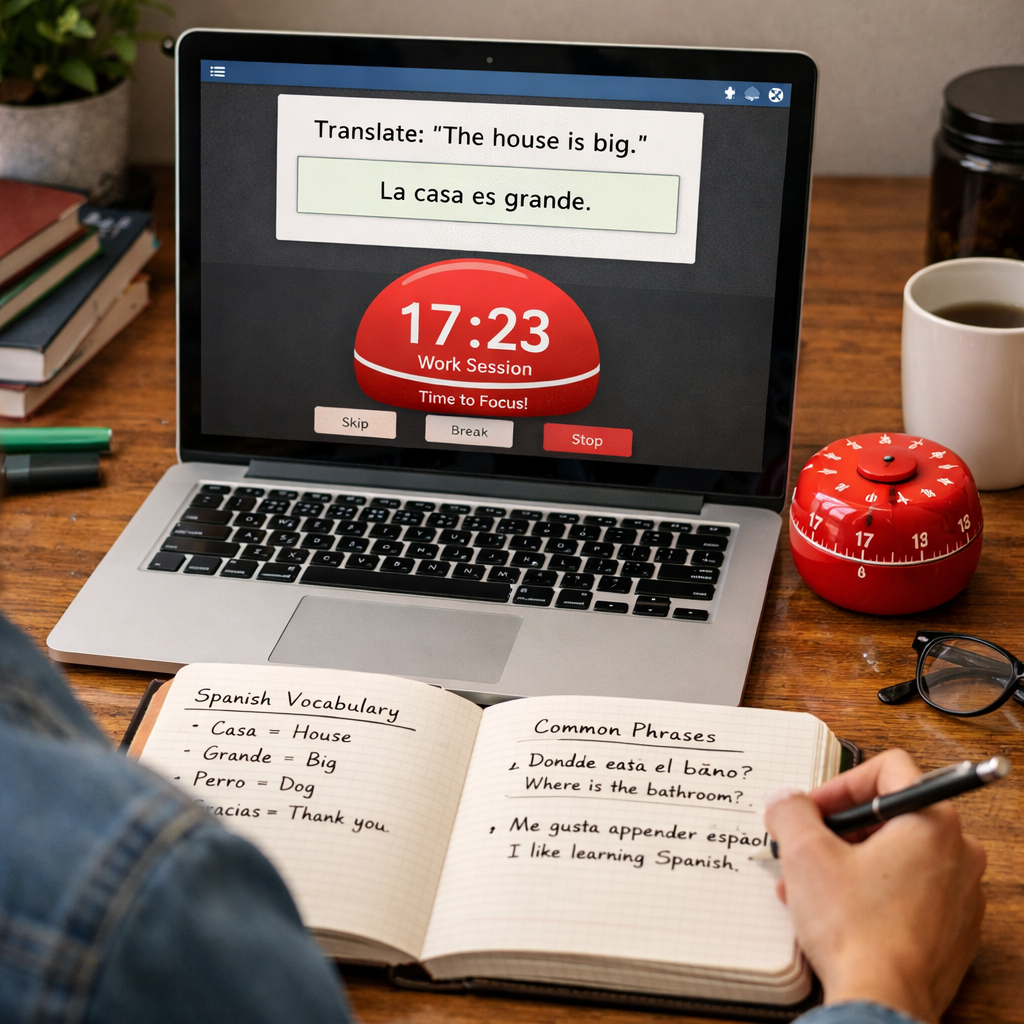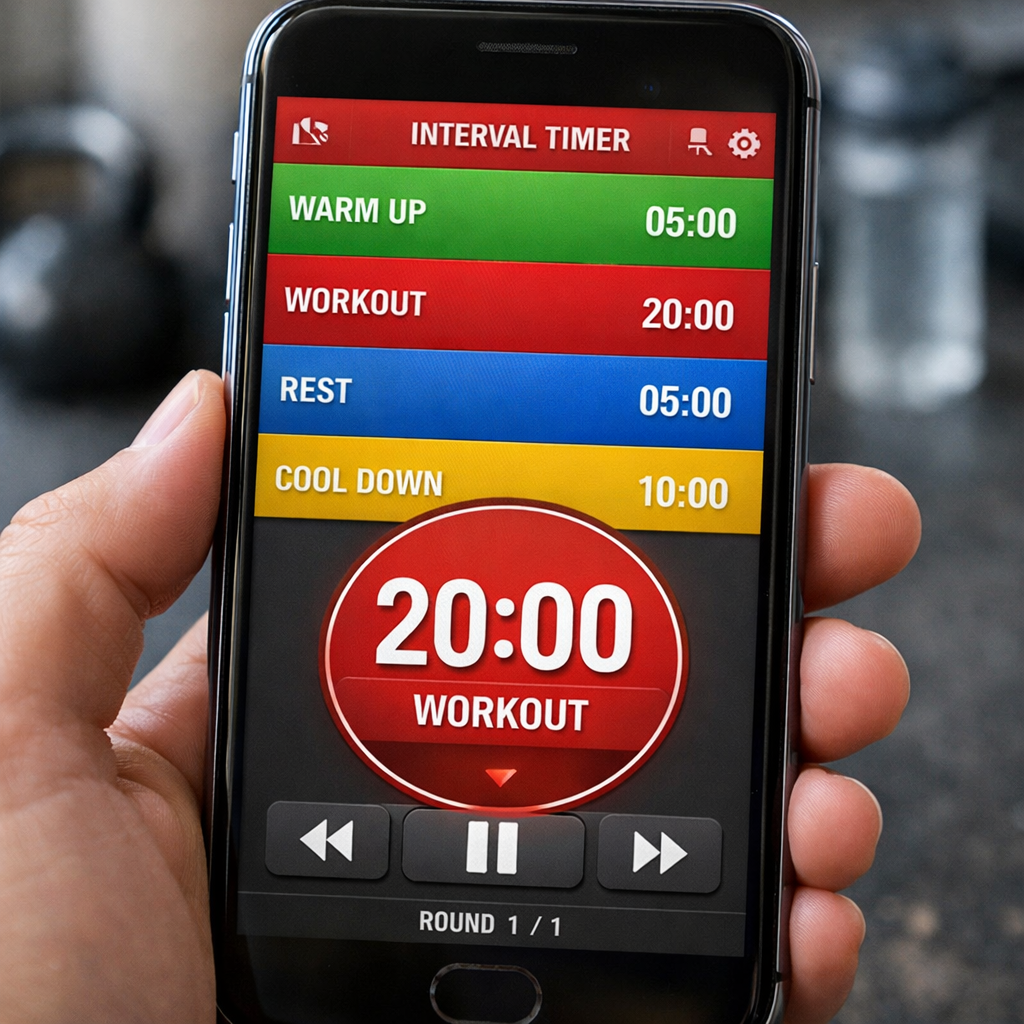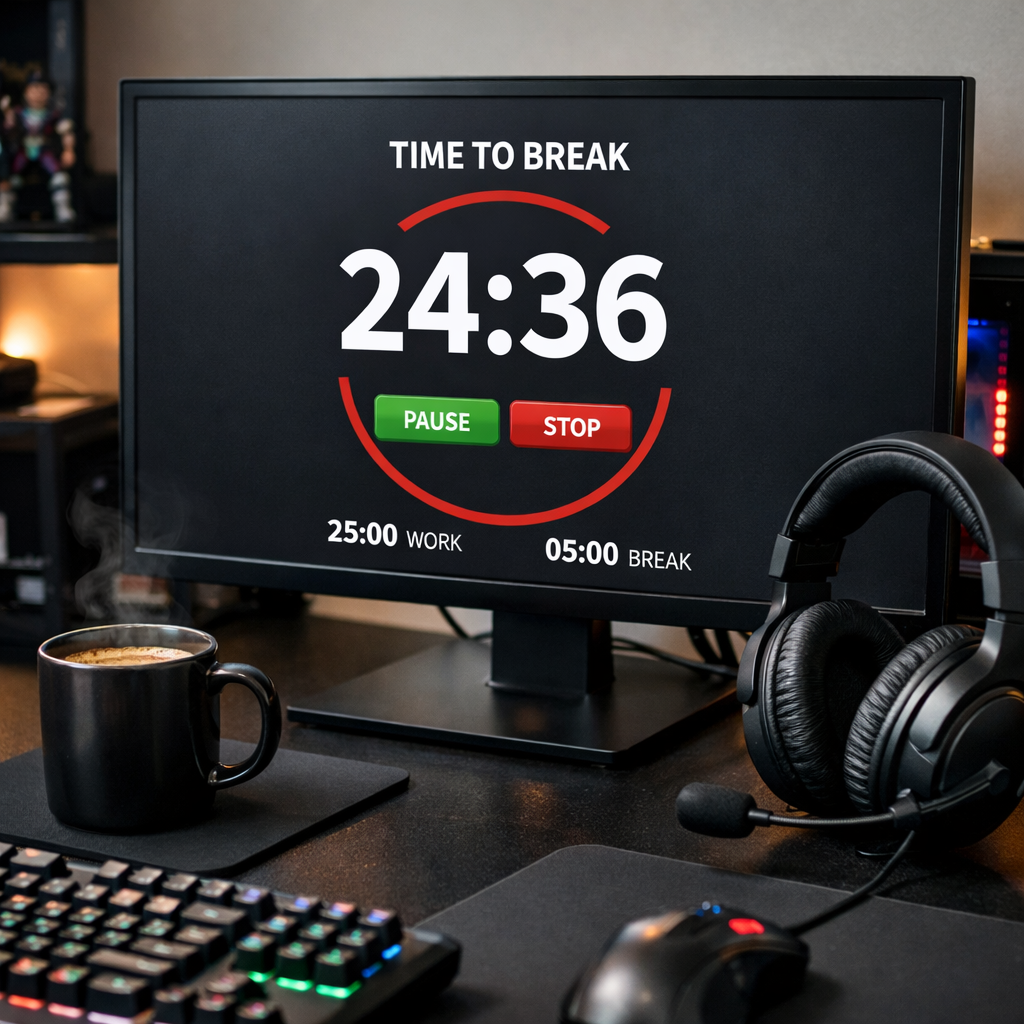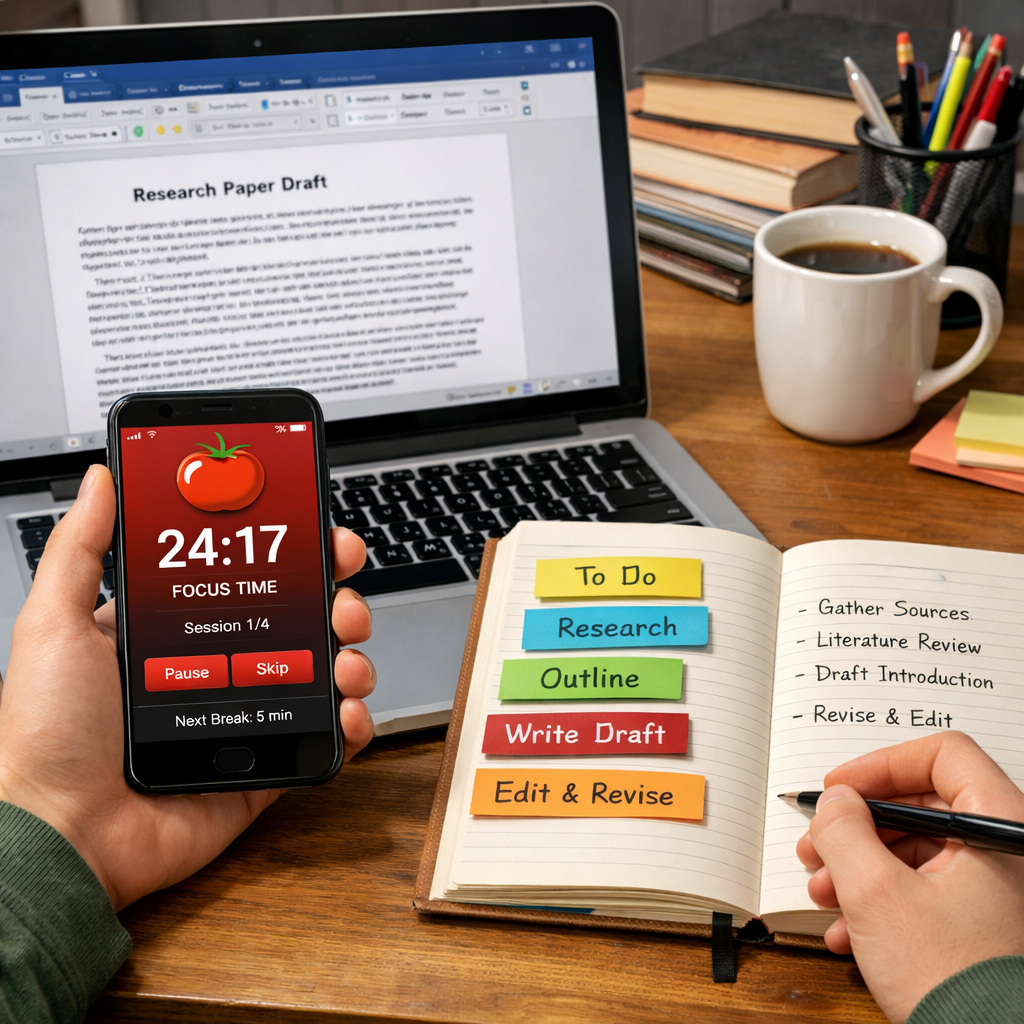
Picking the right productivity app can feel like a big deal. There are so many options out there, and what works great for one person might not do much for another. It’s like trying to find the perfect pair of shoes – you need them to fit your feet and your life. This guide is here to help you figure out what you really need in a productivity app so you can stop wasting time and start getting things done. We’ll look at what makes an app useful, how to pick one that actually helps you, and how to make it a regular part of your day.
Key Takeaways
- Your personal work style matters a lot when choosing a productivity app. What helps one person might not help another.
- Look for apps with good task management, ways to work with others, time tracking, and easy note-taking.
- An app should be easy to use, work on all your devices, and be simple to get around.
- Figure out what you need the app for, compare what different apps offer, and see what other people say before you decide.
- Start using a new productivity app slowly, get used to it, and adjust how you work to get the most out of it.
Understanding Your Unique Productivity Style
Why Personal Productivity Matters
It might sound obvious, but figuring out how you actually get things done is a big deal. What makes one person tick and get a ton accomplished might just make someone else feel totally overwhelmed. We’re all wired a bit differently, right? Some of us like a quiet space with no interruptions, while others can focus just fine with a bit of background noise. Recognizing this isn’t about making excuses; it’s about being smart. When you know your own rhythm, you can set yourself up for success instead of constantly fighting against how you naturally work. This self-awareness is the first step to actually getting more done without feeling like you’re running on fumes.
Tailoring Tools to Your Habits
Think about it: you wouldn’t use a hammer to screw in a lightbulb, would you? The same goes for productivity apps. A tool that’s amazing for someone who thrives on detailed project breakdowns might be a total mess for someone who just needs a simple to-do list. It’s about matching the app’s features to how you actually operate. Do you prefer jotting down ideas on paper first, or do you jump straight into a digital note? Do you need reminders popping up constantly, or do you prefer to check things off yourself?
Here are a few common styles:
- The Planner: Loves schedules, calendars, and detailed to-do lists. Needs apps that support time blocking and project management.
- The Idea Generator: Brainstorming is key. Needs apps that are great for quick notes, mind mapping, and capturing thoughts on the go.
- The Task Master: Focuses on getting things done. Needs apps with strong task management, prioritization, and progress tracking.
- The Collaborator: Works best with others. Needs apps that make sharing information and working together easy.
Trying to force a tool that doesn’t fit your natural way of working is like trying to fit a square peg into a round hole. It’s frustrating and rarely works out well.
Embracing Your Distinctive Workflow
Your workflow is your personal system for getting things done. It’s not just about the apps you use, but how you use them and in what order. Maybe you start your day by reviewing your calendar, then tackle your most important task, followed by answering emails. Or perhaps you prefer to batch similar tasks together. The goal isn’t to find a universal
Key Features to Seek in A Productivity App
When you’re looking for a productivity app, it’s easy to get overwhelmed by all the options out there. But really, it boils down to a few core things that make an app actually useful. You don’t want something that just looks pretty; you need it to do stuff that helps you get your work done.
Robust Task Management Capabilities
This is probably the most common reason people look for a productivity app. You need a way to keep track of everything you have to do. Think beyond just a simple to-do list. A good task manager lets you break down big projects into smaller steps, set due dates, and maybe even assign priorities. Some apps let you add subtasks, which is super handy for complex projects. It’s about making sure nothing falls through the cracks. Having a clear overview of your responsibilities is half the battle won.
Seamless Collaboration Tools
If you work with other people, this is a big one. You need an app that makes it easy to share tasks, give feedback, and see what everyone else is up to. Forget endless email chains or trying to track conversations across different platforms. Look for features like shared project boards, comment sections on tasks, and real-time updates. This keeps everyone on the same page and reduces confusion. It’s like having a central hub for your team’s work.
Effective Time Tracking Functions
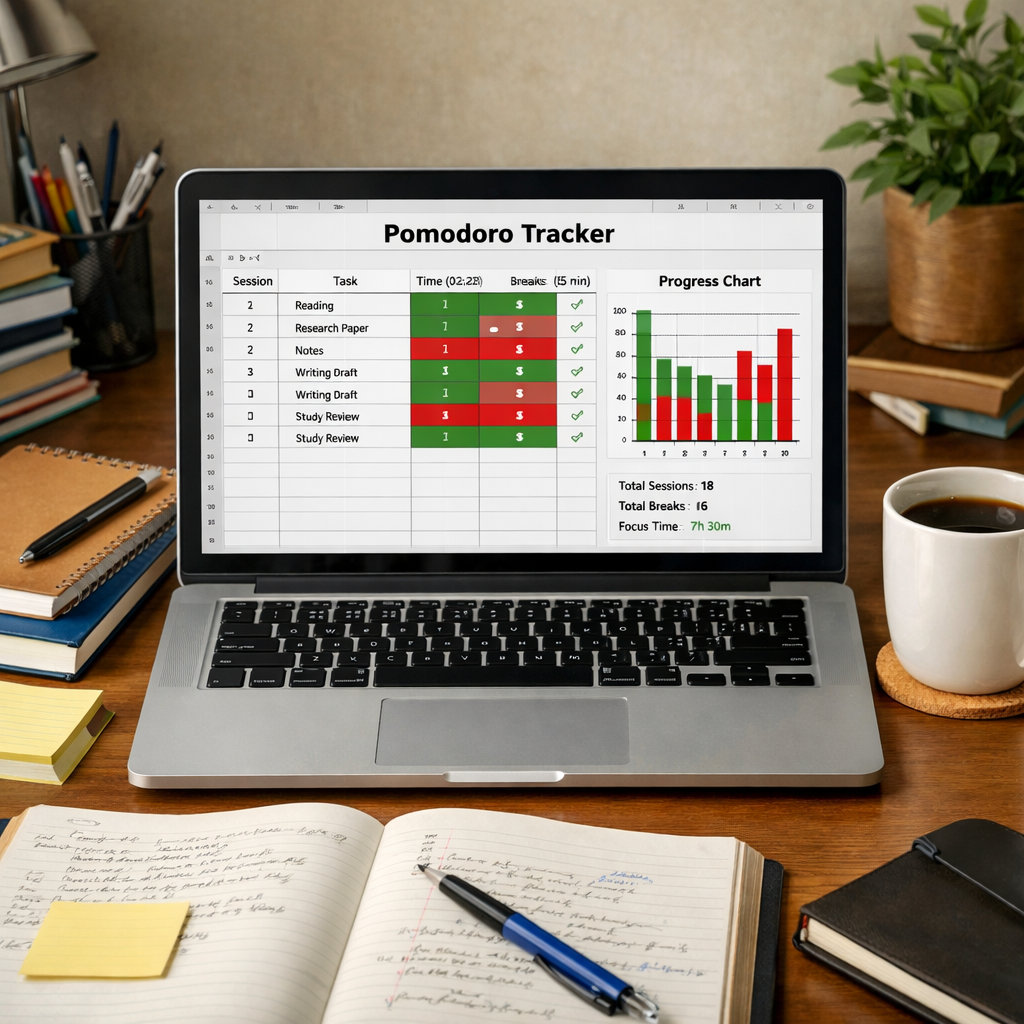
Ever wonder where all your time goes? Time tracking features can be eye-opening. They help you see exactly how long tasks are taking, which is great for planning future projects or just understanding your own work habits. Some apps offer simple timers, while others provide detailed reports. This data can help you identify time sinks and make adjustments to be more efficient. It’s a bit like a fitness tracker for your work.
Efficient Note-Taking Solutions
Ideas strike at odd times, right? You need a place to jot them down quickly. Good note-taking features mean you can capture thoughts, meeting minutes, or important information without switching apps. Look for options that allow for different formats, like text, checklists, or even attaching files. Having your notes organized and easily searchable means you won’t lose those brilliant ideas. Many people find that tools like those in the Microsoft suite are great for this, especially OneNote for its flexible note organization.
The best apps don’t just add features for the sake of it; they integrate them in a way that makes sense for how people actually work. It’s about making your day-to-day tasks smoother, not more complicated.
Evaluating Productivity App Usability
Intuitive User Interface Design
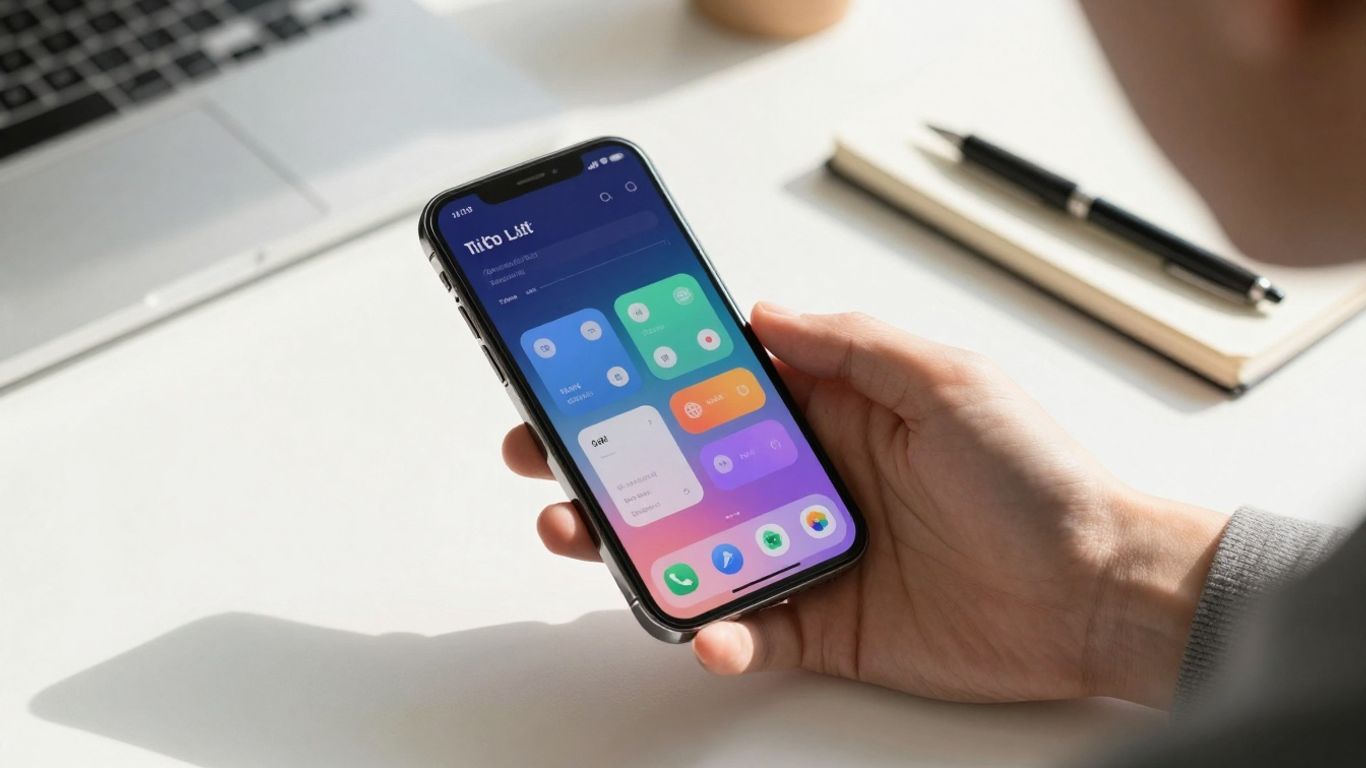
When you’re looking at a new app, the first thing you’ll probably notice is how it looks and feels. Is it easy to figure out where everything is? A cluttered or confusing interface can really slow you down, no matter how many cool features the app has. You want something that feels natural to use, almost like you don’t have to think about it. A good user interface should feel like an extension of your own thought process. Think about it: if you spend more time trying to find a button than actually using the feature, the app isn’t helping you be more productive. It’s like trying to cook with a kitchen full of cabinets that don’t open easily – frustrating and inefficient.
Cross-Platform Compatibility
Most of us don’t just use one device anymore, right? We’ve got our phones, tablets, laptops, maybe even a desktop. So, it’s super important that your productivity app can keep up. If you start a task on your computer, you should be able to pick it right up on your phone without any hassle. This means the app needs to work well across different operating systems (like Windows, macOS, iOS, and Android) and sync your information reliably. Without this, you’ll end up with scattered notes and missed deadlines, which is the opposite of productive. Being able to access your work from anywhere is a big deal for staying on track.
Streamlined Navigation and Accessibility
Beyond just looking good, how easy is it to get around the app? Can you find what you need quickly? This involves clear menus, logical organization, and maybe even search functions that actually work. Accessibility is also a big part of this. Are there options for people with visual impairments, like adjustable text sizes or screen reader compatibility? Even if that doesn’t apply to you directly, apps designed with accessibility in mind often have cleaner, more straightforward designs that benefit everyone. It’s about making sure the app works for as many people as possible, in the simplest way possible. A well-designed app should make your life easier, not add another layer of complexity. You can check out a UX design audit checklist to get a better idea of what makes an app user-friendly [a40c].
The true test of an app’s usability isn’t just its feature list, but how effortlessly it integrates into your daily rhythm. If it feels like a chore to use, it’s probably not the right fit, no matter how powerful it seems on paper.
Making An Informed App Selection
So, you’ve thought about how you work best and what you need an app to do. That’s a great start. Now comes the part where you actually pick something. It’s easy to get lost in all the options out there, but the key is to match the app to your specific situation, not just pick the one everyone’s talking about.
Assessing Your Specific Needs and Goals
Before you even look at an app, take a moment to really think about what you’re trying to achieve. Are you drowning in to-do lists? Do you forget appointments? Are you trying to get a team on the same page? Be honest about the problems you’re trying to solve. For example, if your main issue is scattered notes, a powerful project management tool might be overkill. You might be better off with a solid note-taking app that syncs across devices.
Comparing Features and Functionalities
Once you know what you need, you can start comparing. Don’t just look at the flashy features; focus on the ones that will actually help you. Here’s a quick way to think about it:
- Task Management: Can it handle simple to-dos, recurring tasks, and subtasks? How easy is it to mark things as done?
- Organization: Does it let you categorize, tag, or group items? How does it handle different types of information (text, links, files)?
- Reminders & Notifications: Are they reliable? Can you customize them?
- Collaboration (if needed): Can you share tasks or projects? How does it handle comments or updates from others?
It’s also worth considering how the app handles different pricing tiers. Many apps offer a free version with basic features and a paid version with more advanced capabilities. Think about whether the free version is enough for your current needs or if the cost of upgrading is worth the extra productivity you expect to gain.
Leveraging User Reviews and Testimonials
Don’t just take the app developer’s word for it. See what real people are saying. Look for reviews on app stores, tech blogs, or forums. Pay attention to comments about:
- Reliability and bugs
- Ease of use for people with similar needs
- Customer support quality
- How well the app holds up over time
Try to find reviews from people who seem to have similar work styles or challenges to yours. A five-star rating is nice, but a detailed review explaining why someone loves (or hates) an app can be much more helpful.
Considering Cost and Value
Finally, let’s talk money. Productivity apps range from completely free to quite expensive subscriptions. Ask yourself:
- Is there a free trial? Always try before you buy, if possible.
- What’s the pricing model? Is it a one-time purchase, a monthly subscription, or an annual fee?
- Does the cost fit my budget? Be realistic about what you can afford long-term.
- Does the value justify the cost? Will the time and effort saved by using this app make it worth the money you spend?
Sometimes, the cheapest option isn’t the best value. An app that costs a bit more but saves you hours of frustration each week is often a much smarter investment for your productivity and overall well-being. Think about the return on investment, not just the sticker price.
Choosing an app isn’t a one-time decision. It’s okay to try something, realize it’s not working, and switch. The goal is to find tools that genuinely help you get things done more effectively.
Integrating Productivity Apps Into Your Routine
So, you’ve picked out the perfect productivity app, or maybe a few. That’s great! But now comes the real work: actually using them without it feeling like another chore. It’s not just about downloading something; it’s about making it a natural part of your day. Think of it like learning a new skill – it takes a little practice and some smart adjustments.
Gradual Incorporation into Daily Tasks
Don’t try to overhaul your entire life overnight. That’s a recipe for burnout. Instead, start small. Pick one or two tasks you do every day and see how the app can help. Maybe it’s jotting down quick thoughts, managing your to-do list, or tracking how long a specific activity takes. The goal is to build momentum and get comfortable with the tool before you try to do too much.
- Start with a single, simple task. For example, use a task management app to list your top three priorities for the day.
- Add another task after a week. Once that feels easy, try using it for meeting notes or project updates.
- Explore basic automation. See if your app can send you reminders or sort certain types of information automatically.
Adjusting Workflows for Maximum Benefit
Once you’re getting the hang of the basics, it’s time to think about how the app can actually make things better. This means looking at how you currently do things and finding ways to tweak your process. It might involve setting up specific folders, creating templates, or linking different apps together. The idea is to make the app work for you, not the other way around.
The most effective integrations aren’t just about adding new tools; they’re about rethinking existing processes to make them more efficient and less prone to error. It’s a continuous cycle of observation and refinement.
Transitioning from Traditional Methods
Many of us have old habits, like using a paper planner or a physical notebook. That’s okay! You don’t have to ditch everything you’re used to. You can often blend the old with the new. Maybe you still sketch out ideas in a notebook but then transfer the action items into your digital task list. Or perhaps you use a calendar app for appointments but keep a physical journal for reflections. Finding that balance helps make the switch feel less jarring and more sustainable. It’s about finding what works best for your personal productivity style.
The Evolving Landscape of Productivity Tools
It feels like every other week there’s a new app promising to be the ultimate solution for getting things done. The world of productivity tools isn’t standing still, not by a long shot. What worked last year might feel a bit clunky now, and that’s okay. The real trick is figuring out how to keep up without getting overwhelmed by all the shiny new options.
Revolutionary New App Features
We’re seeing some pretty cool stuff popping up. Think AI that can actually help you schedule your day or sort through your emails without you lifting a finger. Automation is getting smarter, too. Instead of just setting reminders, apps are starting to predict what you’ll need next. It’s less about just listing tasks and more about proactively managing your time and projects. Some apps are even getting better at understanding your work patterns to suggest the best times for certain tasks.
Staying Relevant Beyond Current Trends
So, how do you make sure the app you pick today doesn’t become obsolete tomorrow? It’s about looking for tools that are built to adapt.
- Look for regular updates: Companies that consistently improve their apps are usually a good sign.
- Check for integration options: Can your app talk to other tools you use? This makes it way more flexible.
- Consider the developer’s roadmap: Do they share what they’re planning next? This gives you a peek into their future.
The key isn’t to chase every new feature that comes out, but to find tools that are built with adaptability in mind. This way, they can grow with your needs and the changing tech world.
The Future of Digital Productivity
What’s next? Probably more intelligence built right in. We’re likely to see apps that are less like simple to-do lists and more like personal assistants. They’ll learn from you, anticipate your needs, and help you avoid burnout by managing your workload more effectively. It’s going to be less about manually organizing everything and more about letting smart tools do the heavy lifting, freeing you up to focus on the actual work that matters. It’s an exciting time to be looking for ways to get more done.
Wrapping Up Your Productivity Journey
So, we’ve gone through a bunch of apps and ideas for getting more done. Remember, the perfect app for your friend might not be the perfect app for you. It’s really about figuring out how you work best and what you want to achieve. Don’t be afraid to try a few different things out. What works today might change tomorrow, and that’s okay. The main thing is to find tools that actually help you, not just add more clutter to your digital life. Keep experimenting, and you’ll find that sweet spot that makes your day smoother and helps you hit those goals.
Frequently Asked Questions
Why is it important to pick the right productivity app for me?
Think of it like choosing the right tools for a hobby. What works perfectly for one person might not be the best fit for another. Picking an app that matches your personal work style and habits helps you get more done without feeling frustrated. It’s about finding something that makes your work easier and helps you reach your goals faster.
What are the most important things to look for in a productivity app?
You’ll want an app that’s great at managing your to-do lists and projects. If you work with others, look for tools that make teamwork smooth. Being able to see where your time goes is also super helpful, and having a good place to jot down ideas and notes is a big plus.
How can I tell if a productivity app is easy to use?
A good app should feel natural to use right away. The buttons and menus should be easy to find, and you shouldn’t have to spend hours figuring it out. Also, make sure it works on all your devices, like your phone, tablet, and computer, so you can use it anywhere.
How do I decide which app is the best one for my needs?
First, think about what you really need help with. Do you need to organize your tasks better? Do you want to track your time? Once you know that, compare the features of different apps. Reading what other people say about them and checking out free trials can also help you make a smart choice.
Is it hard to start using a new productivity app?
It can feel a little tricky at first, but the best way is to start small. Try using the app for just one or two tasks each day. As you get more comfortable, you can use it for more things. Don’t be afraid to change how you work a bit to make the app work best for you.
Will the productivity apps I choose today still be useful in a few years?
Technology changes fast, but the main reasons we use these apps – like organizing tasks and collaborating – stay the same. Good apps get updated often to keep up with new challenges. So, while specific features might change, the core idea of using apps to be more productive will likely stick around.