
Feeling like your days are a blur of constant activity but not much real progress? You’re not alone. Many of us struggle to keep up with demands, bouncing from one thing to the next without a clear plan. But what if there was a way to actually take charge of your time, instead of letting it control you? This guide is all about time blocking, a simple yet powerful method that can help you get more done, feel less stressed, and actually enjoy your workday. We’ll walk through how to set it up, make it work for you, and see why it’s such a game-changer for productivity in 2026.
Key Takeaways
- Time blocking means assigning specific time slots on your calendar for different tasks or activities, turning your schedule into a clear roadmap.
- This method boosts productivity by reducing distractions, minimizing decision fatigue, and allowing for focused work on important tasks.
- To start, set clear goals, break them into tasks, estimate time, and then block out time on your calendar, treating each block like an appointment.
- Remember to schedule breaks and downtime within your time blocks to prevent burnout and maintain energy levels throughout the day.
- Regularly review and adjust your time blocking system to fit your work style and evolving priorities, making it a flexible tool for success.
Understanding the Power of Time Blocking
Ever feel like your day just disappears, leaving you wondering where all the hours went? You’re not alone. In today’s world, it’s easy to get caught up in a whirlwind of emails, notifications, and unexpected requests. This is where time blocking comes in, offering a structured way to take back control of your day.
What Is Time Blocking?
At its core, time blocking is a method of scheduling where you divide your day into specific blocks of time, and each block is dedicated to a particular task or activity. Instead of just having a to-do list that you sort of work through, you’re essentially turning your calendar into a detailed plan for how you’ll spend your time. Think of it like assigning a specific appointment to everything you need to accomplish, from deep work sessions to checking emails and even taking breaks.
How Time Blocking Boosts Productivity
So, how does this actually help you get more done? Well, it taps into how our brains work. When you know exactly what you should be doing during a specific time slot, you spend less mental energy deciding what to do next. This reduces decision fatigue and helps you get into a focused state, often called a "flow state," where work feels more natural and you can really concentrate. It’s about shifting from reacting to whatever pops up to proactively deciding where your attention goes.
By assigning specific time slots to tasks, you create a clear roadmap for your day. This structure helps minimize distractions and the urge to multitask, allowing for deeper concentration and more efficient completion of your work.
Core Benefits of Time Blocking
There are several good reasons why people swear by time blocking:
- Improved Focus: By dedicating a block to a single task, you minimize interruptions and context switching, leading to better concentration.
- Better Prioritization: The act of blocking out time forces you to think about what’s truly important and how long tasks will realistically take.
- Reduced Stress: Knowing what you need to do and when can significantly lower anxiety and the feeling of being overwhelmed.
- Clearer Work-Life Balance: By scheduling personal time and breaks just like work tasks, you can create better boundaries.
- Combats Procrastination: Breaking down large tasks into smaller, scheduled blocks makes them feel more manageable and less daunting.
Preparing Your Schedule for Time Blocking
Alright, so you’re ready to get serious about time blocking. That’s awesome. But before you start drawing lines all over your calendar, we need to do a little prep work. Think of it like getting your kitchen ready before you start cooking a big meal – you wouldn’t just grab ingredients randomly, right? You need to know what you’re making and have everything in its place.
Set Clear Goals and Priorities
First things first, what are you actually trying to achieve? If you don’t know your destination, any road will get you there, and usually, that means nowhere productive. Take a moment to jot down your main goals for the week, or even the month. Then, break those down into smaller, manageable tasks. Not all tasks are created equal, though. Some things are way more important than others. You might want to look into something like the Eisenhower Matrix to figure out what’s truly urgent and important. This step is all about making sure your time blocks are spent on things that actually move the needle.
Allocate Specific Time Blocks for Different Tasks
Now for the fun part: putting pen to paper, or finger to keyboard. Instead of just having a messy to-do list, you’re going to assign actual time slots for everything. Got a big project report due? Block out a solid chunk of time for that. Need to answer emails? Give that its own dedicated slot. This stops you from just flitting between things and actually helps you get stuff done without that annoying mental switch-up that drains your energy. It’s about being intentional with your time, not just reactive.
Incorporate Breaks and Downtime
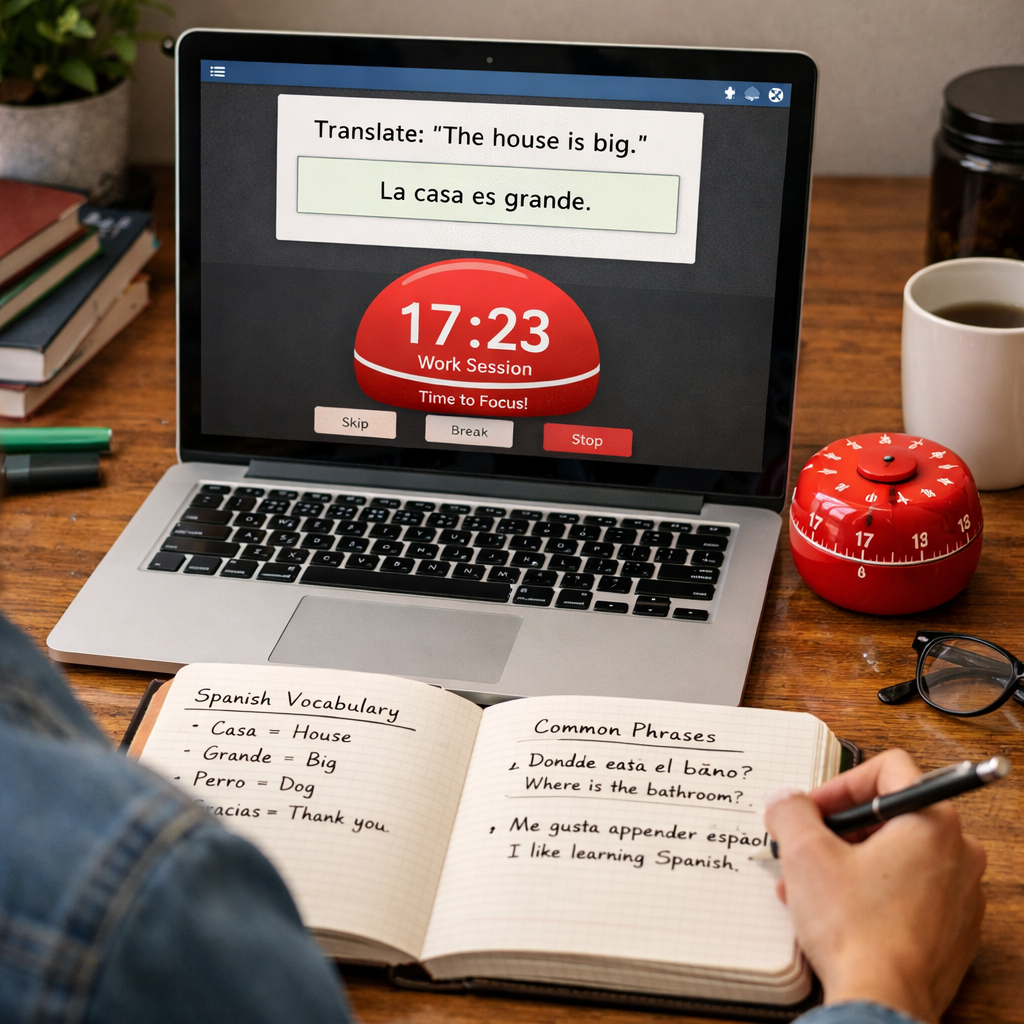
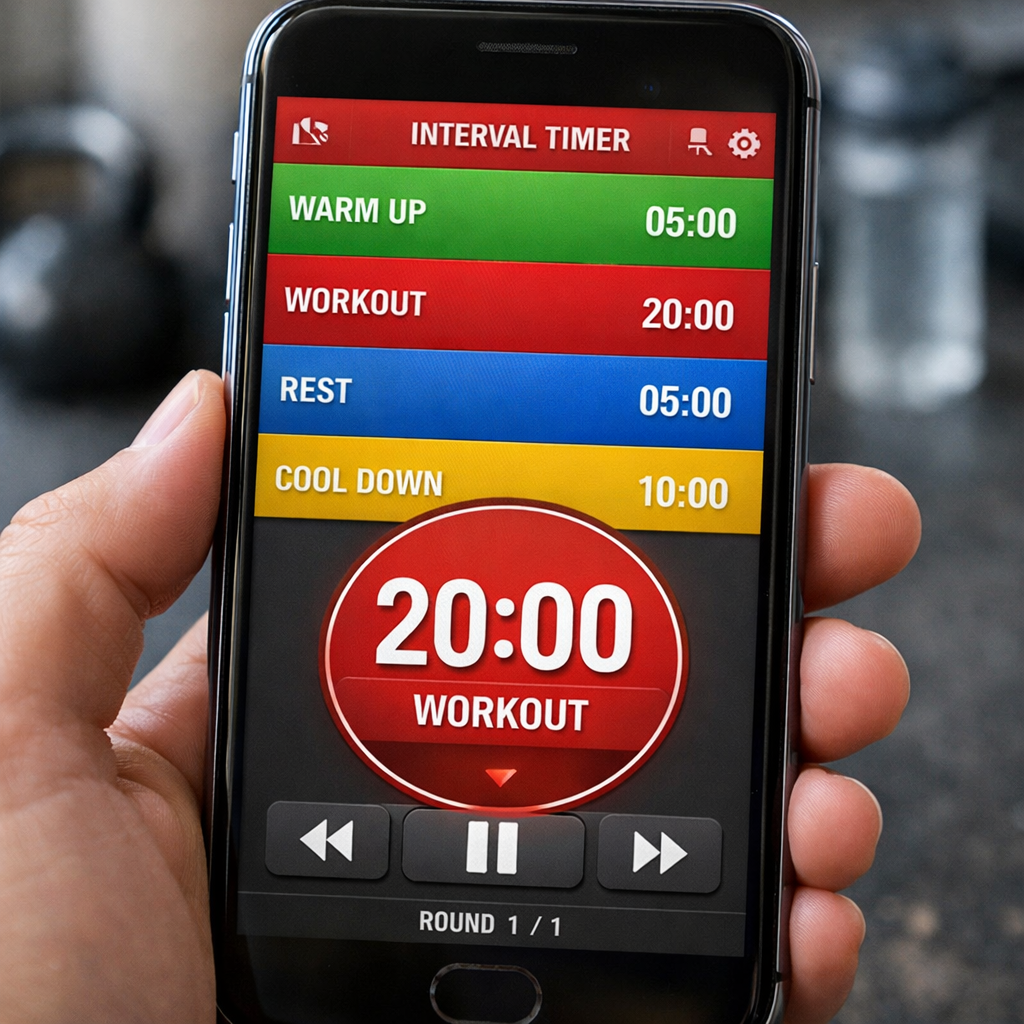
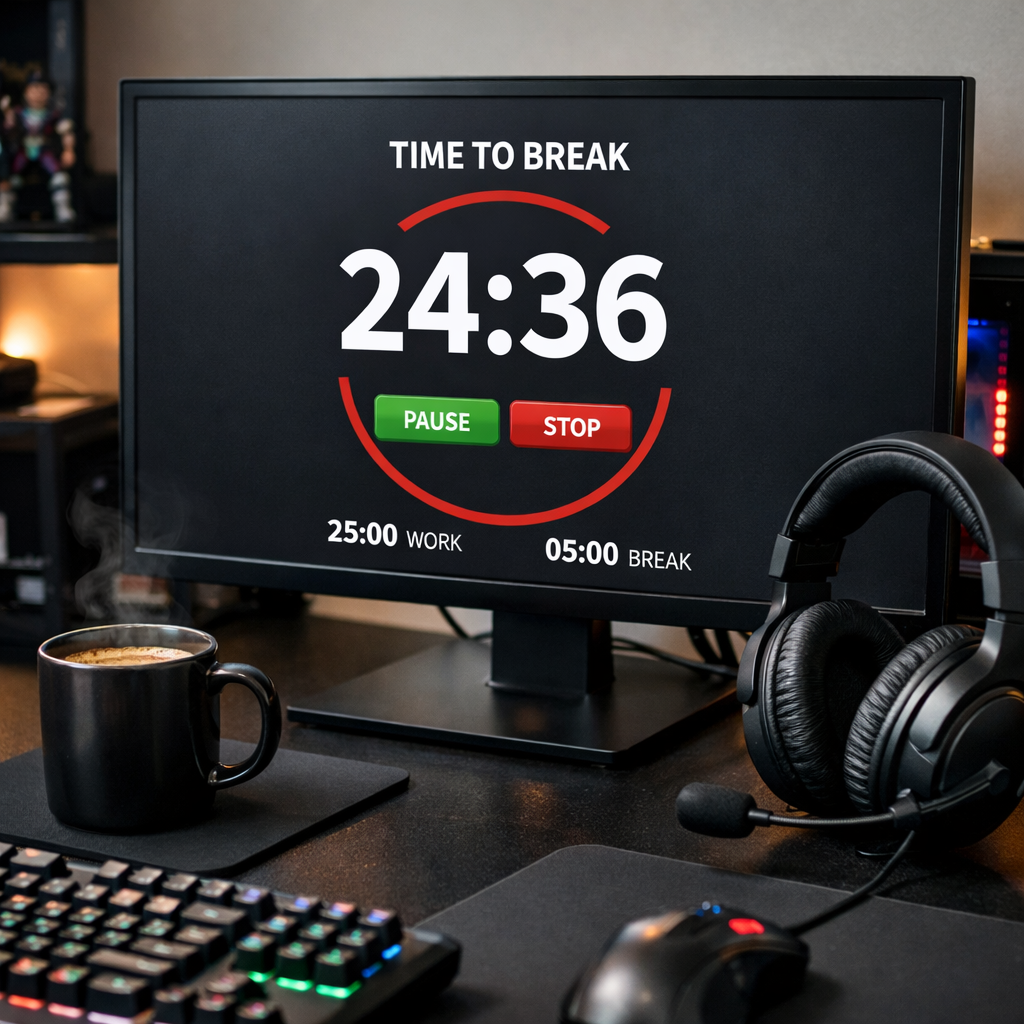
This might sound counterintuitive, but you need to schedule breaks. Seriously. Trying to power through for hours on end is a recipe for burnout. Think of breaks like pit stops in a race – they let you refuel and get back on track. Even short breaks, like the ones in the Pomodoro Technique (work for 25 minutes, break for 5), can make a huge difference. And don’t forget downtime! That’s time for lunch, stretching, or just staring out the window for a minute. It’s not wasted time; it’s recovery time.
Leverage Tools and Apps for Time Blocking
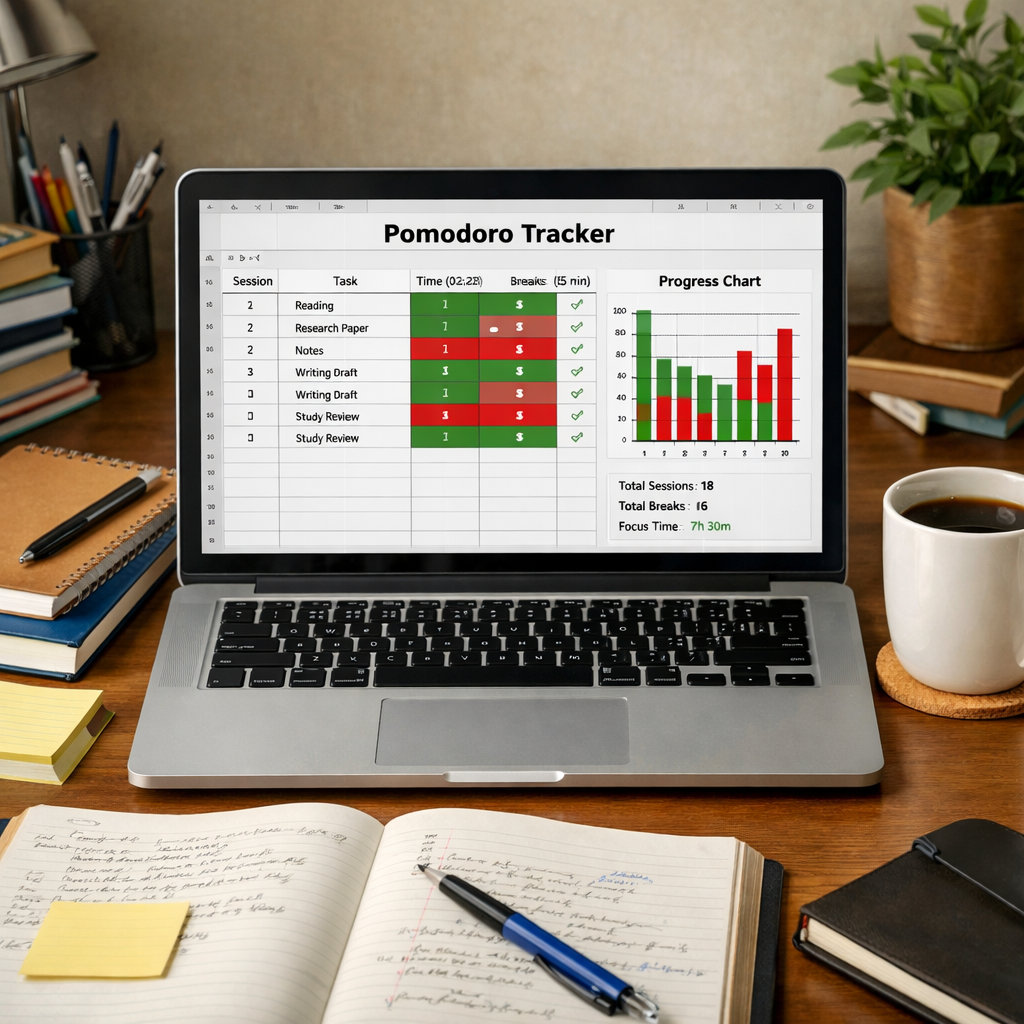
Look, you don’t have to do this with just a pen and paper if that’s not your jam. There are tons of apps out there that can make this whole process way easier. Tools like Akiflow or even just your standard digital calendar can help you set up these blocks, label them, and even move things around if your day goes sideways. Some apps even let you track how long you actually spend on tasks, which is super helpful for getting better at estimating time. Using technology can really streamline the whole time blocking process.
Getting your schedule ready for time blocking isn’t just about filling in blanks. It’s about understanding what’s important, being realistic about how long things take, and giving yourself the space to actually do the work without burning out. It’s a bit of planning, sure, but the payoff in terms of focus and getting things done is totally worth it.
Implementing Effective Time Blocking Strategies
So, you’ve got the basics of time blocking down. Now, let’s talk about actually making it work for you, day in and day out. It’s not just about drawing lines on a calendar; it’s about building a rhythm that suits your energy and your tasks. Think of it as designing your ideal workday, not just filling it up.
Mastering Your Morning Routine
The morning is prime time for many people. It’s when your brain is often freshest, before the day’s distractions really kick in. This is the perfect spot to tackle your most demanding tasks. You know, the ones that need your full brainpower. Don’t waste this golden hour on emails or mindless scrolling. Instead, dedicate it to that big project, that complex report, or that creative thinking you’ve been putting off.
Maintaining Midday Momentum
As the day wears on, energy levels can dip. This is where smart scheduling comes in. Instead of pushing through a tough task when you’re flagging, switch gears. Group similar, less demanding tasks together. Think about handling all your emails in one go, making phone calls back-to-back, or doing administrative work. This "task batching" cuts down on the mental effort of switching between different types of work, letting you power through the routine stuff more efficiently.
Evening Wrap-Up and Planning for Tomorrow
Don’t just shut down and forget about work when the clock hits five. A short, dedicated block at the end of your workday can make a huge difference. Use this time to review what you accomplished, jot down any loose ends, and most importantly, plan out your time blocks for the next day. This simple act of planning ahead means you can hit the ground running tomorrow, without wasting precious morning energy figuring out what to do next.
Here’s a quick look at how you might structure your day:
- Morning Focus Block: Tackle your #1 priority task (e.g., 90 minutes).
- Midday Admin Block: Handle emails, return calls, process paperwork (e.g., 60 minutes).
- Afternoon Project Work: Dedicated time for ongoing projects (e.g., 2 x 75-minute blocks).
- End-of-Day Review & Plan: Wrap up, organize, and prep for tomorrow (e.g., 30 minutes).
Building these routines takes practice. Some days will go perfectly, and others will throw curveballs. The key is to stick with the structure as much as possible, but also to be ready to adjust when life happens. Don’t let one off day derail your whole system.
Key Time Blocking Techniques for Peak Performance
So, you’ve got the hang of the basics of time blocking, which is great. But how do you really squeeze every last drop of productivity out of your schedule? It’s all about using some specific techniques that make your planned blocks work even harder. Think of these as advanced moves for your time management game.
Task Batching for Efficiency
This is where you group similar tasks together and knock them out all at once. Instead of checking emails every hour, you dedicate a specific block, say, 30 minutes in the morning and another 30 minutes in the afternoon, just for emails. It cuts down on that mental switch-flipping that wastes so much time. You get into a rhythm and just power through. It’s like doing all your laundry on one day instead of a little bit every single day.
Time Boxing for Focused Work
Time boxing is a bit like time blocking, but with a stricter deadline. You assign a fixed amount of time to a specific task, and when that time is up, it’s up. You either finish it, or you move on and come back to it later if it’s that important. This technique is fantastic for tackling your most demanding projects. It forces you to be super focused because you know your time is limited. It’s a great way to get those big, scary tasks done without letting them drag on forever. You can find some great time management techniques for 2026 that incorporate this idea here.
Day Theming for Structured Days
Day theming means you dedicate entire days, or at least large chunks of days, to a specific type of work. For example, Mondays might be your "Admin Day" where you handle all your emails, paperwork, and scheduling. Tuesdays could be your "Creative Day" for brainstorming and writing. Wednesdays might be for client calls and meetings. This helps you get into a specific mindset for the type of work you’re doing and reduces the need to constantly shift gears. It creates a predictable rhythm for your week.
Combining these techniques can really transform how you approach your work. You might use day theming for your week, then time boxing for your most important tasks within those themed days, and finally, task batching for all the smaller, similar items that pop up during those blocks. It’s about building a system that fits you.
Developing Your Personalized Time Blocking System

Alright, so you’ve got the basics of time blocking down. You know what it is and why it’s a game-changer for getting stuff done. But here’s the thing: a generic schedule won’t work for everyone. We’re all wired a little differently, right? What makes one person super productive might just make another person want to take a nap. That’s why building a system that actually fits you is the next big step.
Self-Assessment of Your Work Style
Before you start drawing lines on a calendar, take a moment to think about how you actually work. Are you someone who hits the ground running at 6 AM, or do you need a couple of cups of coffee and some quiet time before your brain kicks into gear? Do you prefer to knock out all your emails at once, or do you like to sprinkle them in between other tasks? Understanding these little quirks is key. It’s not about forcing yourself into a mold; it’s about figuring out what mold you already fit into. Think about when you feel most focused and when you tend to drag. This self-awareness is the bedrock of a time blocking system that won’t feel like a chore.
Embrace Experimentation and Adaptation
Here’s where it gets fun: trying things out. Don’t just pick a method and stick with it blindly. Try out different approaches for a week or two. Maybe you’ll find that time boxing works wonders for your morning focus sessions, but day theming feels too rigid for your afternoons. Or perhaps task batching your administrative work makes your head spin. That’s totally fine! The goal is to experiment and see what clicks. Keep a simple log of how you feel and what you accomplish. Did that block of focused work actually get done, or did you spend half the time staring out the window? This feedback loop is how you learn what’s working and what’s not. Remember, the best time blocking schedule is one that evolves with you. It’s okay to adjust things as you go. You might find that a particular task takes longer than you initially thought, or that you need more buffer time between meetings. Being flexible is just as important as being structured. It’s about finding that sweet spot between having a plan and being able to roll with the punches. This adaptability is what makes time blocking a sustainable practice, not just a fleeting trend. You can explore different ways to organize your tasks and see what fits best.
Build and Refine Your Schedule
Once you’ve got a feel for what works, it’s time to start building your actual schedule. Don’t try to block out every single minute right away. Start with your most important tasks and your non-negotiable appointments. Then, gradually fill in the gaps. Make sure to schedule in breaks – seriously, don’t skip these! They’re not a luxury; they’re a necessity for sustained focus. Also, build in some buffer time. Life happens, right? A meeting might run long, or an urgent email might pop up. Having a little wiggle room prevents your whole day from derailing. After you’ve put your initial schedule together, give it a go for a week. Then, sit down and review it. What went well? What didn’t? Were your time estimates accurate? Did you feel rushed or bored? Use this information to make adjustments. Maybe you need to shorten your focus blocks or add more time for creative thinking. It’s an ongoing process of tweaking and improving until you have a system that feels right and helps you get things done without feeling overwhelmed.
Building a personalized time blocking system isn’t about rigid adherence; it’s about creating a flexible framework that supports your natural rhythms and goals. It requires honest self-reflection, a willingness to try new things, and the patience to refine the process over time. The result is a schedule that feels less like a constraint and more like a helpful guide.
Real-World Impact and Case Studies of Time Blocking
So, does this whole time blocking thing actually work? It’s not just some fancy productivity hack; people are really using it to get more done and feel less stressed. Think about it: you sit down to work, and instead of staring at a giant to-do list, you know exactly what you should be doing for the next hour. Pretty neat, right?
Time Blocking as a Solution to Time Management Crises
Lots of us feel like we’re drowning in tasks, constantly switching between emails, meetings, and urgent requests. It’s like a never-ending game of whack-a-mole with your attention. A study from 2025 looked into this "time management crisis" and found that this constant context switching really tanks productivity. Time blocking steps in here by setting aside specific times for focused work, cutting down on those interruptions. This intentional scheduling helps people get back in control of their day.
Case Study: Professionals Boost Output
Take a senior professional who decided to try time blocking. They broke their day into chunks: one for big-picture thinking, another for meetings, and even some for just chilling out. Within a few weeks, they reported a 30% jump in what they were getting done. It just goes to show that when you plan your time with purpose, you can really see a difference in your output.
Time Blocking in Education Settings
It’s not just for the office, either. A study in 2025 involving over a thousand students found that those who used time blocking for studying were more engaged and got distracted less. It seems like having a clear plan for your study sessions helps you stay on track, even when there are a million other things vying for your attention.
Here’s a quick look at how students might use it:
- Morning Study Block: 9:00 AM – 10:30 AM: Review lecture notes for History.
- Midday Break: 10:30 AM – 11:00 AM: Quick walk and snack.
- Afternoon Study Block: 1:00 PM – 2:30 PM: Work on Math problem set.
- Evening Review: 7:00 PM – 7:30 PM: Briefly go over today’s topics.
The core idea is to treat your scheduled blocks like important appointments. When that time arrives, you focus only on the task at hand, minimizing outside distractions. This dedicated focus is what makes the difference.
Your Time, Your Rules
So, there you have it. Time blocking isn’t some magic bullet, but it’s a pretty solid way to get a handle on your day. It takes a bit of practice, sure, and you’ll probably have to tweak your schedule a few times to get it just right. But by setting aside specific times for specific tasks, you’re basically telling your day who’s boss. Forget feeling overwhelmed by a never-ending to-do list. With time blocking, you can actually get things done, feel more in control, and maybe even have a little extra time for yourself. Give it a shot in 2026 – you might be surprised at what you can achieve.
Frequently Asked Questions
What exactly is time blocking?
Time blocking is like making a detailed plan for your day. Instead of just having a to-do list, you actually set aside specific times on your calendar for each task. Think of it as making appointments with yourself for everything you need to get done, whether it’s work, chores, or even relaxing.
How does time blocking help me get more done?
When you block out time for tasks, you focus on just one thing at a time. This stops you from jumping between different activities, which wastes time and makes it hard to concentrate. By focusing, you can finish tasks faster and do a better job, leading to more productivity.
Do I really need to schedule breaks?
Absolutely! Scheduling breaks is super important. It helps your brain rest and prevents you from getting tired or stressed out. Taking short breaks often can actually make you more productive when you get back to your tasks.
What if something unexpected comes up and I can’t stick to my schedule?
That’s okay! Time blocking isn’t about being rigid. It’s about having a plan. If something unexpected happens, just adjust your schedule. You might need to move a task or shorten another block. The goal is to be flexible and get back on track.
Can I use time blocking for personal stuff too, not just work?
Yes, definitely! Time blocking works great for personal life too. You can schedule time for hobbies, exercise, spending time with family, or anything else that’s important to you. This helps make sure you have a good balance between work and your personal life.
What are some simple ways to start using time blocking?
Start small! First, list everything you need to do. Then, guess how long each thing will take. Finally, put those tasks into specific time slots on your calendar. Don’t try to plan every minute at first; just focus on blocking out time for your most important tasks and see how it feels.