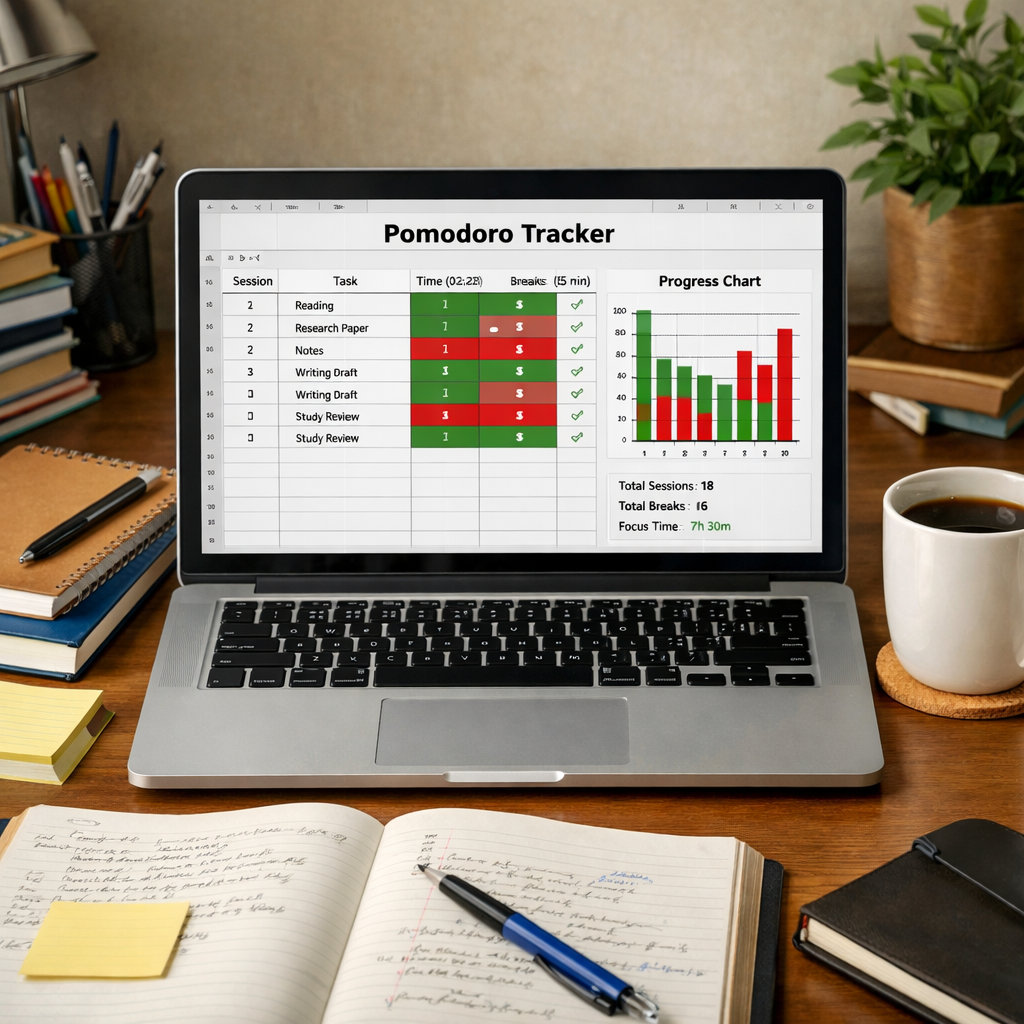
Feeling like there aren’t enough hours in the day? You’re not alone. We all struggle with getting things done, especially with all the distractions these days. But what if I told you there’s a simple tool that can really help? It’s called a work timer, and it’s more than just a clock. This guide is all about how to use a work timer to get more done, feel less stressed, and actually enjoy your work. We’ll look at the science behind why it works, different ways to use it, and how to make it fit your life. Let’s get started on boosting your productivity.
Key Takeaways
- Understanding how your brain reacts to time limits can make a work timer much more effective.
- The Pomodoro Technique, using focused work intervals and short breaks, is a popular way to use a work timer.
- Adjusting your work and break times based on how you feel and perform helps get the most out of a work timer.
- Modern workplaces can use a work timer to keep meetings on track and help remote teams work together better.
- A work timer isn’t just for office jobs; it can help with creative projects, fitness, and building good habits too.
Understanding The Neuroscience Of Work Timer Effectiveness
It might seem like a simple egg timer, but the way a work timer messes with your brain is pretty interesting. When you set a timer, especially a countdown one, it taps into some deep-seated psychological stuff. The brain’s response to time pressure is a key factor in why these tools work.
The Brain’s Response To Time Pressure
When a deadline looms, or even just a set amount of time for a task, your brain kicks into a higher gear. Studies using fMRI show that this kind of pressure activates areas like the anterior cingulate cortex and prefrontal cortex. These are the parts of your brain that help you focus and control your actions. It’s like a mild alarm bell that says, "Hey, pay attention, we need to get this done." This increased focus can actually reduce activity in the brain’s ‘default mode network,’ which is what tends to wander off into daydreams or worries. So, a timer can help keep your mind on the task at hand.
Leveraging Circadian And Ultradian Rhythms
We all have natural biological rhythms that affect our energy and focus throughout the day. Circadian rhythms are the big ones, like our sleep-wake cycle. But more relevant for work are ultradian rhythms. These are shorter cycles, typically lasting about 90 to 120 minutes, where our alertness and cognitive performance naturally rise and fall. Working with these rhythms, rather than against them, is smart. If you can align your most demanding tasks with your ultradian peaks, you’re using your brain’s natural energy surges. A timer can help you structure your work into these optimal blocks, often followed by short breaks to let your brain reset before the next peak. Research suggests that 90-minute work blocks followed by 20-minute breaks can be really effective for productivity and mental recovery. It’s about working smarter, not just harder, by syncing with your body’s natural clock. You can find more information on time blindness in the workplace and how to manage it.
Neuroplasticity And Sustained Attention
Here’s the really cool part: using timers consistently can actually change your brain over time. This is called neuroplasticity. When you repeatedly practice focusing for set periods, you’re strengthening the neural pathways that control sustained attention. Think of it like building a muscle. The more you use it, the stronger it gets. Over time, this means you can maintain focus for longer periods, even when you’re not actively using a timer. It’s a long-term benefit that goes beyond just getting through a single work session. Studies show that structured timing can improve work output by about 23-27% on cognitive tasks. It’s a way to train your brain to be more focused, which is a huge win for productivity.
The effectiveness of timers isn’t just about the ticking clock; it’s about how they interact with our brain’s natural cycles and its ability to adapt. By understanding these underlying mechanisms, we can use timers not just as tools, but as ways to train our minds for better focus and efficiency.
Mastering Time Management With The Pomodoro Technique
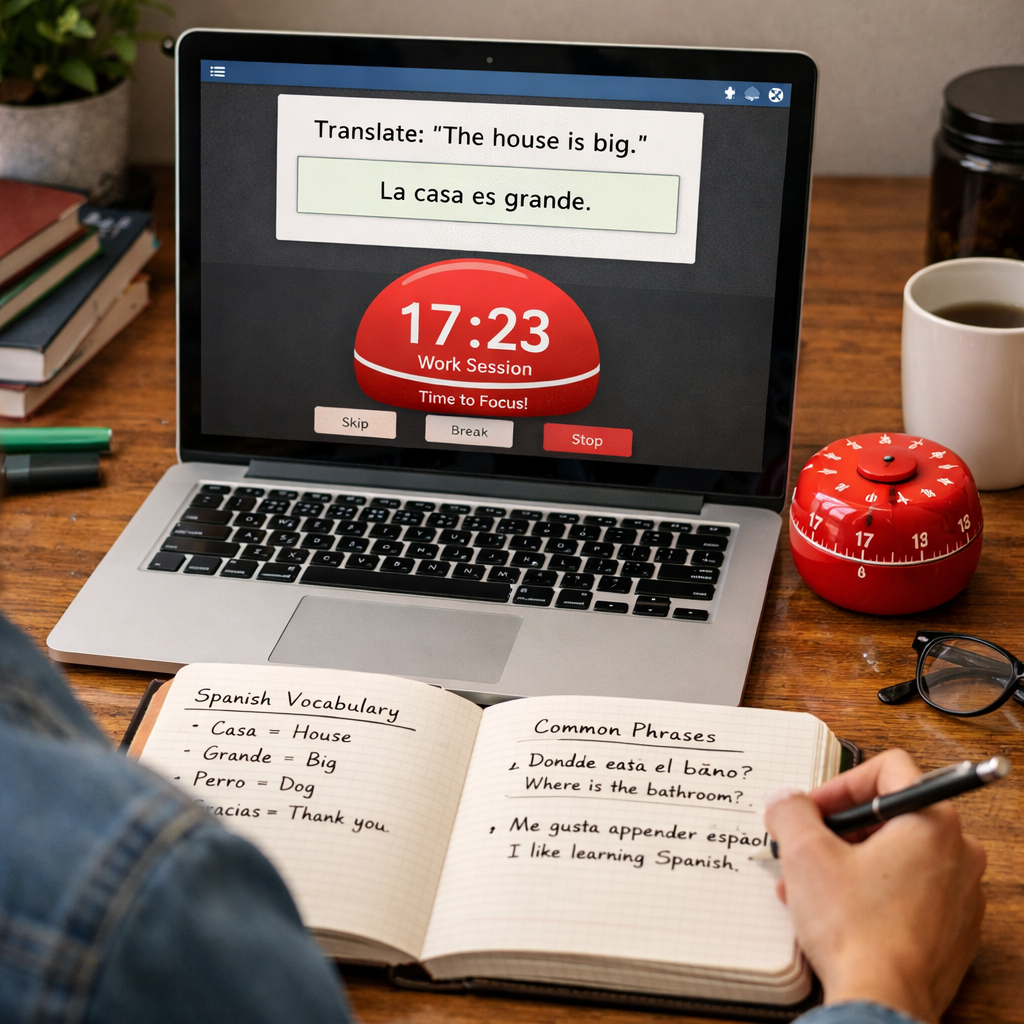
Ever feel like your workday just disappears without much to show for it? You’re not alone. A lot of us struggle to stay focused, especially with all the digital noise around. That’s where the Pomodoro Technique comes in. It’s a pretty straightforward method, developed back in the day by a student named Francesco Cirillo, who just wanted to get more done. He used a tomato-shaped kitchen timer – hence the name "Pomodoro," which is Italian for tomato – to keep himself on track.
The Core Principles Of Pomodoro
The idea is simple: work in focused bursts, then take short breaks. It’s all about working with your brain’s natural rhythms, not against them. The standard setup looks like this:
- Choose a task: Pick one thing to concentrate on.
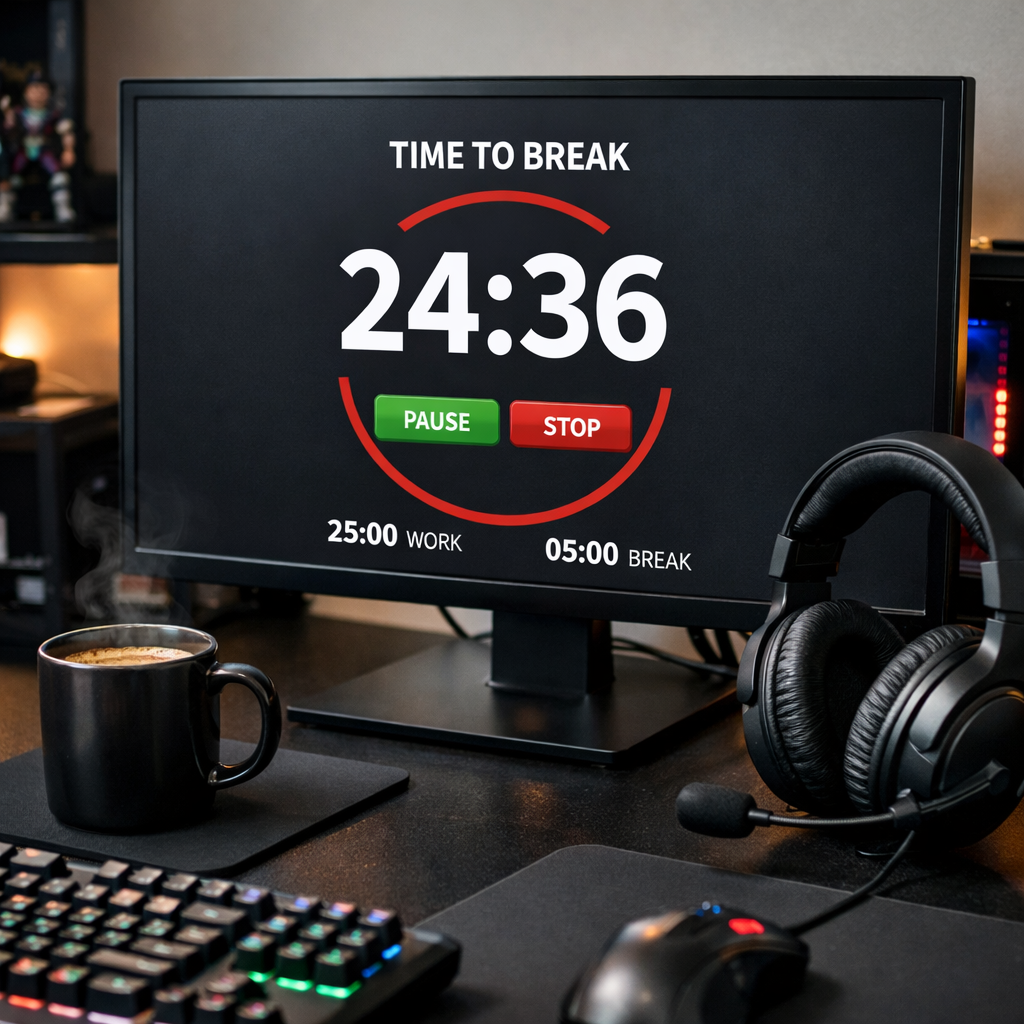
- Set the timer: For 25 minutes. This is one "Pomodoro."
- Work intensely: No distractions, just you and the task.
- Short break: When the timer rings, take 5 minutes off. Stretch, grab some water, anything but work.
- Repeat: Do this four times.
- Longer break: After those four Pomodoros, take a longer break, maybe 15-30 minutes, to really reset.
This cycle helps prevent that feeling of being completely drained by the end of the day. It’s amazing how much you can accomplish when you know a break is just around the corner.
Adapting Intervals To Personal Rhythms
While the 25/5 minute split is the classic, it’s not a one-size-fits-all solution. Your energy levels and focus capacity might be different. Some people find that longer work intervals, say 50 minutes, followed by a 10-minute break, work better for them. Others might need shorter, more frequent breaks. The key is to experiment and see what feels right for your own natural workflow. Pay attention to when your focus naturally starts to wane and adjust your work/break times accordingly. It’s about finding your personal sweet spot.
The goal isn’t to rigidly stick to a timer, but to use it as a tool to build better work habits. If you get interrupted, that’s okay. Just note it down and restart your Pomodoro when you can. The technique is flexible enough to handle real-world disruptions.
Integrating Pomodoro With Digital Timers
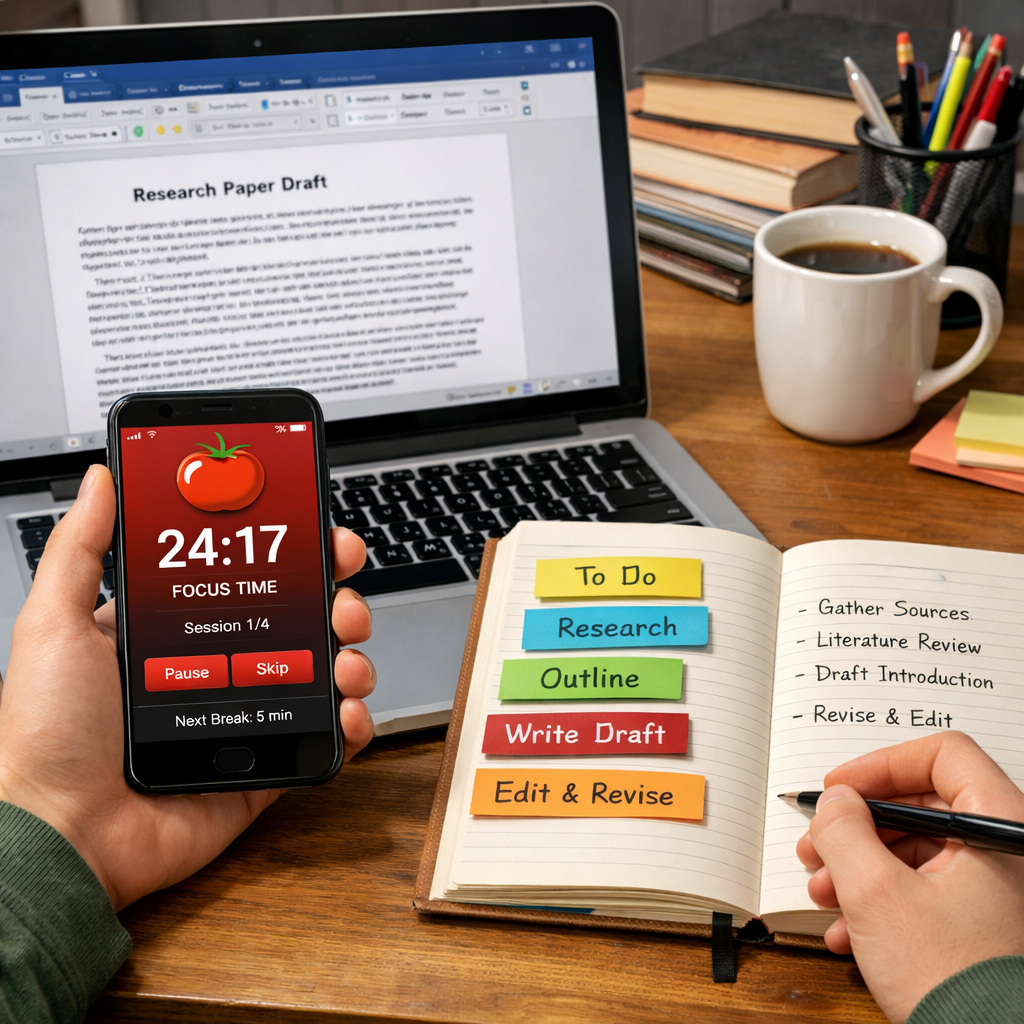
Forget the old tomato timer (unless you really want to!). Today, there are tons of apps and software designed specifically for the Pomodoro Technique. Many of these digital tools offer features like:
- Customizable work and break intervals.
- Tracking your completed Pomodoros.
- Integration with task management lists.
- Distraction blocking features.
Using a digital timer can make the process smoother and provide data on your work habits, helping you refine your approach over time. It takes the guesswork out of timing and keeps you accountable.
Smart Interval Adaptation For Peak Productivity
You know, sometimes the standard Pomodoro timer just doesn’t quite fit. Maybe you’re in a deep work zone and 25 minutes feels too short, or perhaps you’re doing something less demanding and a 5-minute break feels like too much. That’s where adapting your intervals comes in. It’s not about sticking rigidly to a pre-set number; it’s about listening to your own energy levels and task demands.
Manual Adaptation Based On Performance
This is all about paying attention to yourself. When you’re working, notice when your focus starts to drift. Is it after 40 minutes? 60 minutes? That’s your cue to take a break. Similarly, if you’re powering through a task and feeling really ‘in the zone’, don’t cut it short just because the timer says so. You can always pause and restart, or just adjust the next interval. It’s a bit like tuning a radio to get the clearest signal – you’re fine-tuning your work sessions.
Here’s a simple way to start tracking:
- Note your energy peaks and dips: When do you feel most alert? When do you hit a wall?
- Track task duration: How long does a focused work session actually last before you need a break?
- Experiment with break lengths: Do 5-minute breaks feel too short? Do 20-minute breaks break your flow too much?
Understanding Adaptive Timing Algorithms
While our timer might not have fancy AI, it’s good to know what’s out there. Some apps actually learn your work habits. They’ll notice you tend to get distracted after 50 minutes, so they’ll suggest a break then. Or they’ll see you’re super focused on a coding task and might extend the work interval slightly. These systems aim to match your work periods to your natural cognitive rhythms. It’s like having a personal productivity coach built into your software, though we’re going to achieve similar results through conscious effort.
Optimizing Work And Break Cycles
Finding that sweet spot between working hard and resting effectively is key. It’s not just about how long you work, but also how you break. A short, active break – like stretching or grabbing water – can be more refreshing than scrolling through social media. Think about what truly recharges you. Maybe a 52-minute work block followed by a 17-minute break works better for your brain than the classic 25/5 split. It takes some trial and error, but the payoff in sustained focus and reduced burnout is totally worth it.
The goal isn’t to work for longer stretches, but to work more effectively within those stretches. By adjusting your work and break intervals based on your personal performance and energy levels, you create a sustainable rhythm that prevents burnout and maximizes your output. It’s about working smarter, not just harder, and that often means being flexible with your time.
Here’s a sample of how you might adjust:
| Day | Typical Work Block | Typical Break Length | Notes |
|---|---|---|---|
| Monday | 45 minutes | 10 minutes | High energy, good for complex tasks |
| Tuesday | 30 minutes | 5 minutes | Mid-day slump, shorter bursts needed |
| Wednesday | 60 minutes | 15 minutes | Post-lunch recovery, longer focus needed |
Countdown Timers In The Modern Workplace
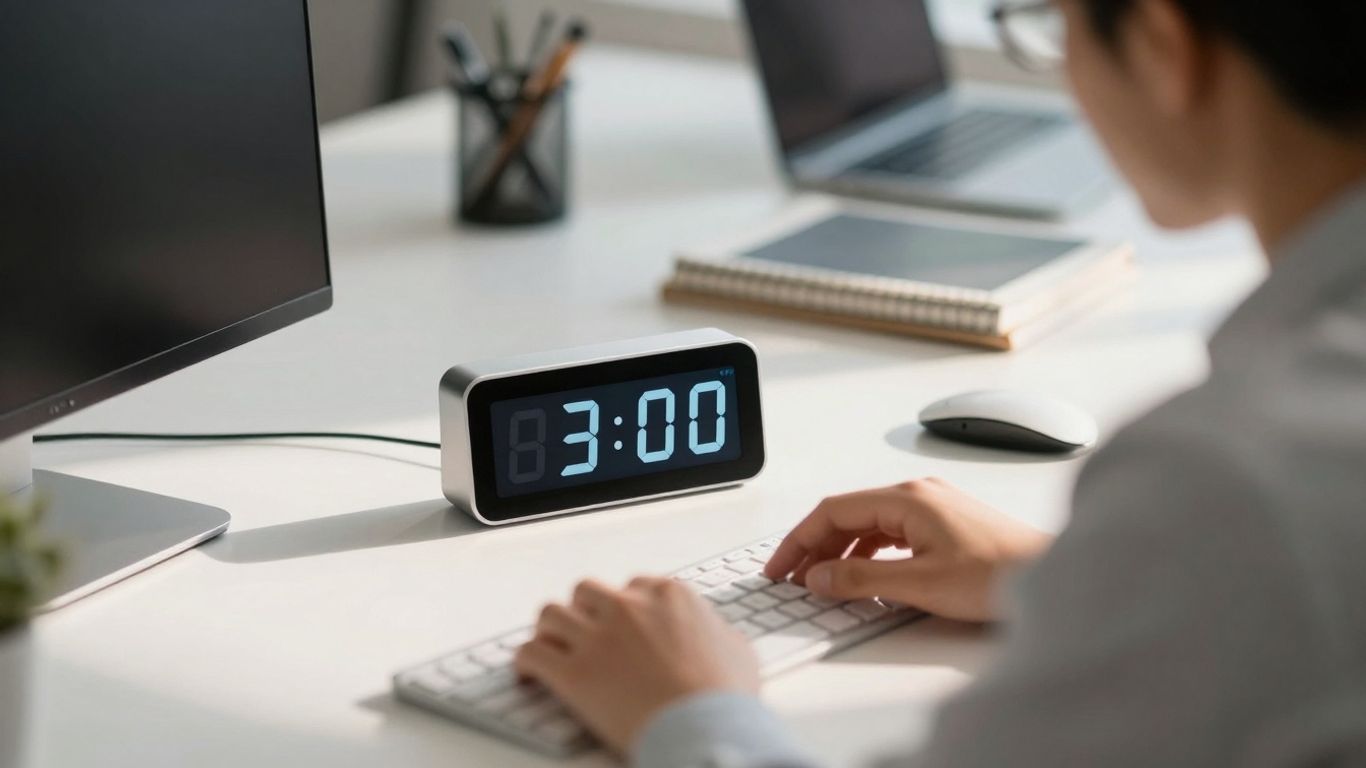
These days, work isn’t always about being in the same office. With teams spread out and projects moving fast, keeping everyone on the same page with time can be tricky. That’s where countdown timers really step up.
Enhancing Agile Sprint Management
Agile teams, especially those using Scrum, have found timers to be super helpful. Think about daily stand-ups. Instead of letting them drag on, a quick timer for each person or for the whole meeting keeps things moving. This means less time spent talking and more time actually doing the work. It’s a simple way to make sure everyone gets their say without the whole session turning into a long chat session. This approach can really speed up how quickly you get through your sprints.
Synchronizing Remote Workflows
For teams working from different places and time zones, coordinating focus time can be a puzzle. Shared countdown timers can create a sense of working together, even when you’re apart. You can set up blocks of time for focused work, followed by short breaks or sync-ups. It’s like having a virtual co-working space that helps everyone stay aligned and productive. This helps reduce interruptions and makes collaboration smoother.
Reducing Meeting Overruns
We’ve all been in meetings that just keep going. A countdown timer set for the meeting’s duration acts as a gentle nudge to wrap things up. It helps keep discussions on track and ensures that important decisions are made within the allotted time. This simple tool can save a surprising amount of time over the course of a week, giving you back hours for actual work. It’s a practical way to improve mastering time management in the workplace.
Using timers in a professional setting isn’t just about tracking minutes; it’s about creating structure and accountability. They help externalize time management, freeing up mental energy that would otherwise be spent worrying about deadlines or how long a task is taking.
Here’s a quick look at how timers can help in different work scenarios:
- Agile Stand-ups: Set a 15-minute timer for the entire meeting, or 2 minutes per person.
- Sprint Planning: Use timers to allocate specific durations for discussing user stories or defining tasks.
- Remote Focus Blocks: Coordinate 90-minute deep work sessions across different time zones.
- Meeting Endings: A 5-minute warning timer can signal the need to conclude discussions and summarize actions.
By integrating countdown timers into daily routines, workplaces can see tangible improvements in efficiency and a reduction in wasted time.
Practical Applications For Diverse Domains
Professional Work Management Strategies
In the professional world, timers aren’t just for keeping meetings on track, though that’s a big one. They’re really about structuring your day so you actually get things done without feeling completely drained. Think about it: you’ve got emails to answer, reports to write, calls to make, and maybe even some creative thinking time thrown in. Without some kind of system, it’s easy to bounce between tasks, feeling busy but not necessarily productive. Using timers, like the Pomodoro Technique or just simple countdowns, helps you allocate specific blocks of time to each activity. This prevents tasks from bleeding into each other and helps you maintain focus on what’s in front of you.
A key benefit is creating accountability for yourself, especially when deadlines loom.
Here’s a quick look at how timers can help manage different professional tasks:
- Meeting Management: Set a timer for each agenda item. This keeps discussions focused and ensures you cover everything without going over. A 15-minute timer for a specific topic, followed by a 5-minute buffer, can work wonders.
- Project Work: Break down large projects into smaller, timed chunks. For instance, dedicate 90 minutes to research, followed by a 15-minute break, then 2 hours for drafting.
- Email/Communication Blocks: Instead of checking emails constantly, set specific times, like 30 minutes in the morning and 30 minutes in the afternoon, to process your inbox.
The constant switching between tasks, often called context switching, really drains your mental energy. Timers help you minimize this by creating dedicated periods for specific types of work, allowing your brain to settle into a task before moving on.
Content Creation and Project Oversight
For anyone involved in creating content – writers, designers, marketers, developers – timers can be a game-changer. The creative process often requires sustained focus, but it also needs periods of rest to avoid burnout. Timers help strike that balance. For a writer, a 45-minute focused writing session followed by a 10-minute break can be more productive than staring at a blank page for hours.
Project oversight also benefits greatly. Managers can use timers to allocate specific time slots for reviewing progress, providing feedback, or planning next steps. This structured approach ensures that projects don’t stall and that everyone on the team knows what to expect.
Consider this breakdown for a content creator’s day:
- Ideation & Research: 60-minute timed session.
- Drafting: Two 90-minute focused writing blocks with 15-minute breaks in between.
- Editing & Proofreading: 45-minute timed session.
- Social Media Scheduling: 30-minute timed session.
Fitness Regimens and Habit Building
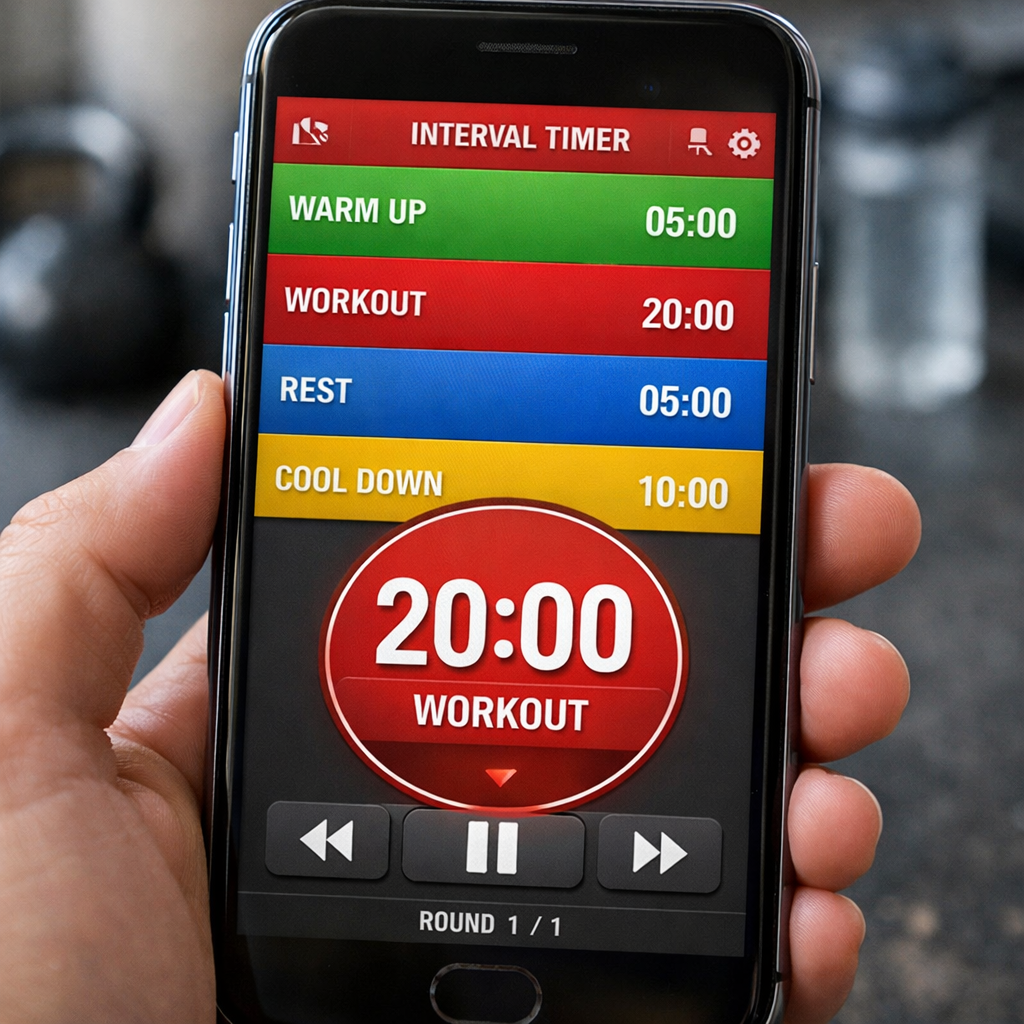
Timers aren’t just for desk jobs. They’re incredibly useful for physical activities and building consistent habits. In fitness, timers are used for everything from interval training (like HIIT) to setting rest periods between sets. For example, a Tabata workout uses strict 20-second work, 10-second rest intervals, repeated eight times.
When it comes to habit building, timers can act as external cues. Want to start meditating daily? Set a 10-minute timer. Want to read for 30 minutes before bed? Use a timer. The act of starting the timer signals the beginning of the habit, and its completion signals the end, making it easier to stick to your goals. It externalizes the discipline, which is especially helpful when you’re just starting out and motivation might be low.
Advanced Features For Enhanced Time Management
Beyond the basic countdown, modern timers pack some pretty neat features that can really change how you manage your day. It’s not just about setting a time and forgetting it anymore; it’s about building accountability and handling complex tasks more smoothly.
Persistent Timekeeping and Accountability
Ever had your browser crash right when you were in the zone, only to lose your timer progress? Persistent timekeeping fixes that. This feature means your timer keeps track of time even if you close the browser or your computer restarts. It’s like having a faithful assistant who never forgets where you left off. This makes it harder to just abandon a task when things get tough, pushing you to actually finish what you started. It’s a solid way to build discipline, especially when you’re working on important projects.
Multi-Countdown Mode For Parallel Tasks
Life isn’t usually just one task at a time, right? Multi-countdown mode lets you run several timers at once. Think about cooking a meal with multiple dishes, or managing different parts of a project. You can set timers for the roast, the rice, and the veggies all at the same time. It’s super helpful for keeping track of everything without having to do mental math or switch between apps.
Here’s a quick look at how it might work:
- Main Project: 60 minutes
- Email Check: 15 minutes
- Quick Break: 5 minutes
This visual overview helps you see everything that needs your attention, time-wise, all in one place.
Fullscreen Mode To Eliminate Distractions
Notifications and a cluttered screen can really break your focus. Fullscreen mode takes over your display, showing only the timer. This creates a dedicated space for your work, cutting down on visual noise. It’s great for those deep work sessions where you really need to concentrate. You can see the time clearly without any other apps or browser tabs pulling your attention away. It’s a simple but effective way to create a focused environment, almost like a digital study carrel.
Measuring Productivity Gains With Work Timers
So, you’ve been using timers, maybe the Pomodoro thing or just setting a countdown for your tasks. That’s great! But how do you actually know if it’s making a difference? It’s not just about feeling busier; it’s about seeing real results. We need to look at some numbers and behaviors to figure this out.
Key Performance Indicators For Timer Use
When we talk about measuring productivity with timers, we’re looking at a few specific things. It’s not just about how many tasks you finish, but also how well you stick to your plan and how focused you are during those work periods. Think of these as your report card for timer success.
- Task Completion Rate: This is pretty straightforward. It’s the percentage of tasks you actually finish within their allotted time or within a planned work session. Studies show that using structured timing can bump this up significantly.
- Session Adherence: How often do you actually finish a timed work session without bailing early? High adherence means you’re respecting the timer and sticking with your focus blocks.
- Focus Score Improvement: This is a bit more abstract, but it relates to how much you’re switching between tasks or getting distracted. A good timer strategy should reduce these interruptions, meaning your focus score goes up.
- Break Compliance: Are you actually taking those breaks? And are they the right length? Sticking to your planned breaks is just as important as sticking to your work periods.
Impact Metrics From Industry Research
It’s not just us saying this. Lots of companies and researchers have looked into how timers affect work. They’ve crunched the numbers, and the results are pretty interesting. For instance, some reports indicate that companies using structured timing methods see a noticeable jump in how many projects they complete, especially within the first few months of adoption.
The real magic happens when you start noticing patterns. Are you more productive in the morning? Do certain types of tasks benefit from longer focus blocks? Paying attention to these details helps you fine-tune your approach.
Long-Term Productivity Improvements
What’s really cool is that using timers isn’t just a short-term fix. The more you use them consistently, the more your brain actually gets better at focusing. It’s like training a muscle. Over time, you might find that even when you’re not actively using a timer, your ability to concentrate for longer periods improves. This is because you’re building stronger neural pathways for sustained attention. So, while you might see immediate gains, the real payoff is the lasting improvement in your focus capacity.
Implementing Timer Strategies For Maximum Output
So, you’ve got your timer, you understand the science, and you’re ready to actually use it to get more done. That’s the big step! It’s not just about having a timer; it’s about building it into your day so it actually helps. Think of it like setting up a game plan for your work. You wouldn’t just show up for a soccer match without knowing who’s playing where, right? Same idea here.
Structuring Your Daily Schedule With Timers
This is where the rubber meets the road. Instead of just letting the day happen, you’re going to map it out using timed blocks. It sounds a bit rigid at first, but it actually gives you more freedom because you know exactly what you should be doing and for how long. Start by looking at your typical day. What are the main things you do? Emails, deep work, meetings, maybe some planning? Assign a time block to each. For example, you might set aside 90 minutes for your most important task, then 30 minutes for checking emails and messages, followed by another focused work block.
Here’s a sample structure to get you thinking:
- Morning Deep Work: 9:00 AM – 10:30 AM (90 minutes)
- Communication Block: 10:30 AM – 11:00 AM (30 minutes)
- Project Focus: 11:00 AM – 12:30 PM (90 minutes)
- Lunch Break: 12:30 PM – 1:30 PM (60 minutes)
- Meetings/Collaboration: 1:30 PM – 3:00 PM (90 minutes)
- Admin Tasks: 3:00 PM – 4:30 PM (90 minutes)
- End-of-Day Wrap-up: 4:30 PM – 5:00 PM (30 minutes)
Using your timer for each of these segments creates clear boundaries. It stops you from spending too much time on one thing and helps you transition smoothly to the next. Seeing that countdown tick down is a gentle nudge to stay on track.
Overcoming Common Timer Challenges
Now, it’s not always smooth sailing. Sometimes, you might find yourself getting a bit tired of the timer’s constant presence, or maybe you just can’t seem to stick to the plan. That’s totally normal. One big one is "timer fatigue." If the same sound or alert has been going off for months, you might start tuning it out. Try switching up your notification sounds weekly, or even using different types of alerts for different tasks – maybe a gentle chime for breaks and a more distinct sound for the end of a work block. Also, don’t be afraid to vary your work session lengths. If 25 minutes feels too short sometimes and 90 minutes too long, adjust! Maybe 45 or 50 minutes works better for certain tasks. It’s also okay to have some "timer-free" periods for spontaneous brainstorming or quick chats.
The key is to treat the timer as a tool to serve you, not the other way around. If it starts feeling like a burden, it’s time to tweak the system. Flexibility is your friend here.
Another challenge can be environmental. Is your timer display easy to see? Is the volume too loud or too soft for your surroundings? Make sure the timer is positioned where you can glance at it without straining your neck. If you work late, consider using blue light filters on your screen. Small adjustments like these can make a big difference in how smoothly your timer strategy integrates into your day.
Future Trends In Timer Technology
Looking ahead, timers are getting smarter. We’re starting to see more AI-powered systems that can actually learn your work habits and suggest the best times for you to work and take breaks. Imagine a timer that knows you tend to dip in energy around 3 PM and suggests a short break before you hit that wall. Privacy is a big concern, so a lot of this processing is happening right on your device, not sending your data off somewhere. Another cool development is timers that work across all your devices without you having to do anything. Start a timer on your phone, and it just continues on your laptop. It’s all about making these tools disappear into the background so you can just focus on your work. There’s even research into timers that could monitor your stress levels and adjust your schedule automatically, though that’s still pretty experimental. It’s exciting to think about how these tools will continue to evolve and help us manage our time even better.
Wrapping Up Your Time Management Game
So, we’ve gone through a bunch of ways timers can seriously help you get more done. It’s not just about counting down seconds; it’s about training your brain to focus better and manage your energy throughout the day. Whether you’re using the classic Pomodoro or tweaking intervals to fit your own rhythm, the key is consistency. Start small, see what works for you, and don’t be afraid to adjust. By making timers a regular part of your routine, you’ll likely find yourself feeling more in control of your tasks and less overwhelmed by the clock. Give it a shot and see how much more you can accomplish.
Frequently Asked Questions
Why do timers help us focus better?
Timers help because they create a sense of urgency, like a gentle nudge, telling your brain, ‘Okay, let’s get this done now!’ This pressure activates parts of your brain that help you pay closer attention and ignore distractions. It’s like having a clear finish line for your task, making it easier to stay on track.
What is the Pomodoro Technique?
The Pomodoro Technique is a way to work in focused bursts. You set a timer for a short period, usually 25 minutes, and work hard without stopping. Then, you take a short break, maybe 5 minutes. After a few of these work-and-break cycles, you take a longer break. It helps you avoid getting tired and keeps your mind fresh.
Can I change the timer times to fit my own energy levels?
Absolutely! The best timer times are the ones that work for you. Some people focus best for 25 minutes, while others might do better with 45 or even 90 minutes before needing a break. Pay attention to when you feel most alert and when you start to lose focus, and adjust your work and break times accordingly.
How can timers help teams working remotely?
For remote teams, timers can act like a virtual clock that everyone follows. You can use them to keep meetings on time, coordinate when everyone should start a focused work session together, or even just to make sure breaks are taken. It helps everyone stay on the same page, even when they’re in different places.
What are some other ways to use timers besides work?
Timers are super versatile! You can use them for fitness to time your workouts or rest periods. They’re great for cooking to make sure things don’t burn. You can also use them to build habits, like setting a timer for 15 minutes of reading every day. Anytime you need to manage time for a specific activity, a timer can help.
How do I know if using a timer is actually making me more productive?
You can tell if timers are working by looking at a few things. Are you finishing more tasks than before? Are you getting easily distracted less often? Do you feel more in control of your day? Keeping track of how much you get done and how focused you feel can show you if the timer is making a difference.