Feeling like there aren’t enough hours in the day? You’re not alone. We all struggle to stay focused and get things done. This guide is all about a simple tool that can make a big difference: the break timer. It’s not just about counting down minutes; it’s about using time smarter. We’ll look at why timers work, how to use them best, and what to do when they don’t quite hit the mark. Let’s figure out how to get more done without feeling totally wiped out.
Key Takeaways
- Understanding how time pressure and biological rhythms affect our focus helps us use a break timer more effectively.
- The Pomodoro Technique and customizable intervals on a break timer can be adapted to fit your personal work style.
- Smart strategies for adjusting work and break times, along with tracking your progress, lead to better productivity.
- Measuring your success with a break timer involves looking at task completion, how well you stick to your plan, and overall focus.
- Building a daily schedule with a break timer helps create clear transitions and manage your energy throughout the day.
Understanding The Neuroscience Of Focus And Timers
How Time Pressure Enhances Attention
Ever notice how you suddenly get a lot done right before a deadline? That’s not just you being a procrastinator; there’s actual science behind it. When a timer is ticking down, it puts a bit of pressure on your brain. This pressure actually helps your brain zero in on the task at hand. Studies using brain imaging show that this time crunch activates areas like the anterior cingulate cortex and prefrontal cortex. These are the parts of your brain that handle attention and executive control. Basically, the timer tells your brain, "Hey, focus up, we’ve got a limited window here!" This makes you less likely to get sidetracked by emails, social media, or just random thoughts. It’s like a gentle nudge that sharpens your focus.
Aligning Work With Biological Rhythms
Our bodies aren’t machines that run at a constant speed all day. We have natural cycles, called circadian and ultradian rhythms, that affect our energy and focus. Circadian rhythms are the big ones, like our sleep-wake cycle. Ultradian rhythms are shorter, happening throughout the day, typically in 90-120 minute bursts of alertness followed by dips. Using a timer can help you work with these rhythms, not against them. Instead of forcing yourself to focus when your energy is low, you can schedule your most demanding tasks during your natural peak times. This means working smarter, not just harder. For example, if you know you’re sharpest in the morning, you might set a longer focus block then. When your energy naturally starts to wane, a timer can signal it’s time for a break, preventing burnout and making your work more effective.
The Impact Of Timer Use On Neural Pathways
Think of your brain like a muscle. The more you use certain pathways, the stronger they get. When you consistently use timers for focused work, you’re essentially training your brain to concentrate for longer periods. This practice helps build and strengthen the neural pathways associated with sustained attention. Over time, this can lead to a lasting improvement in your ability to focus, even when you’re not actively using a timer. It’s a bit like practicing a musical instrument; the more you practice, the better you become. Research suggests that this consistent practice can make your brain more efficient at filtering out distractions and maintaining focus, leading to better performance across the board.
Leveraging The Pomodoro Technique And Modern Break Timers
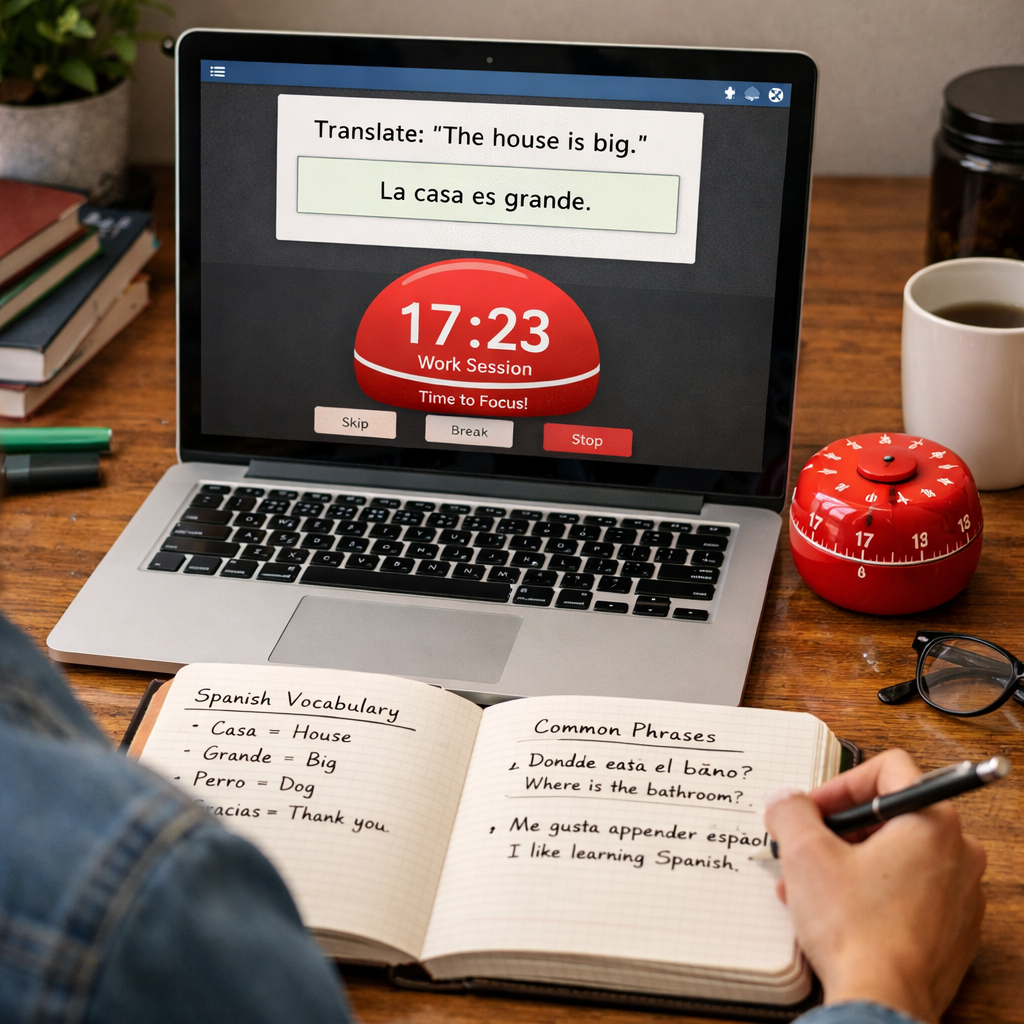
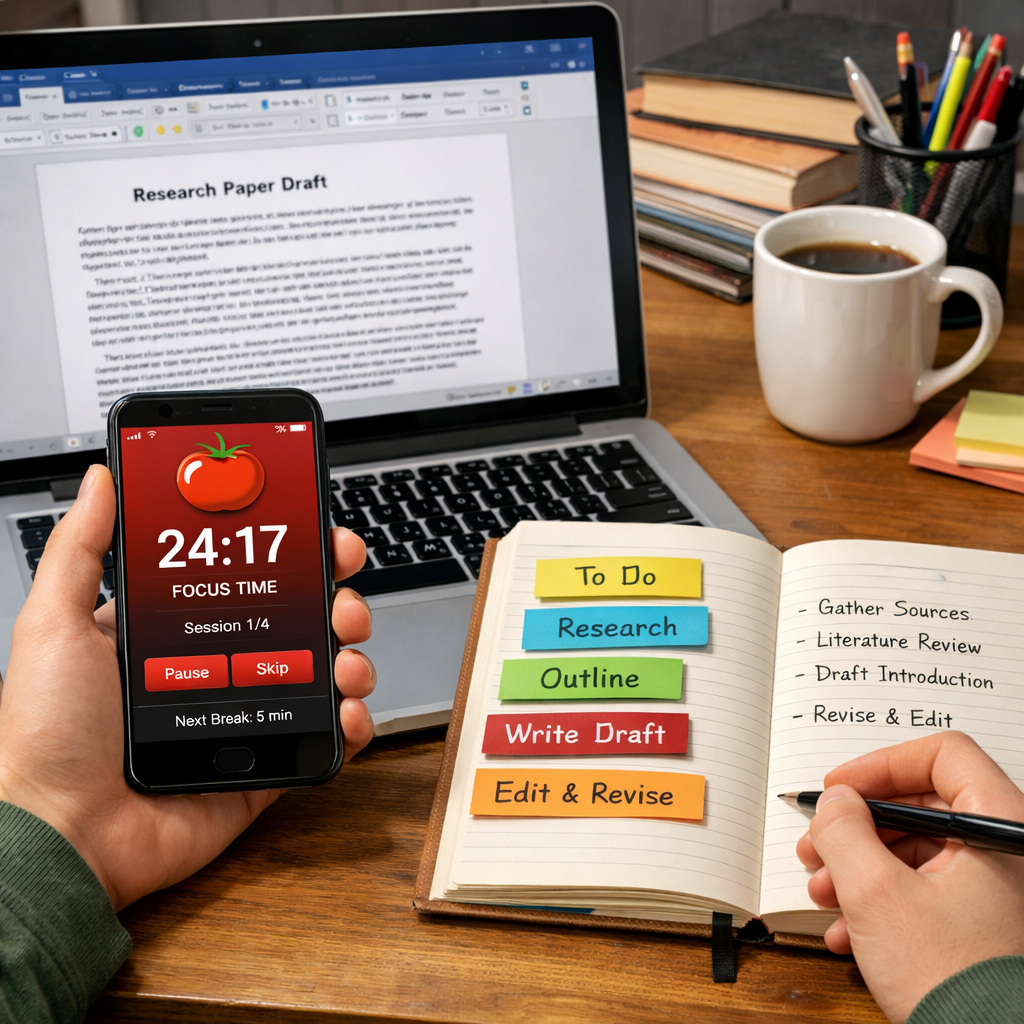
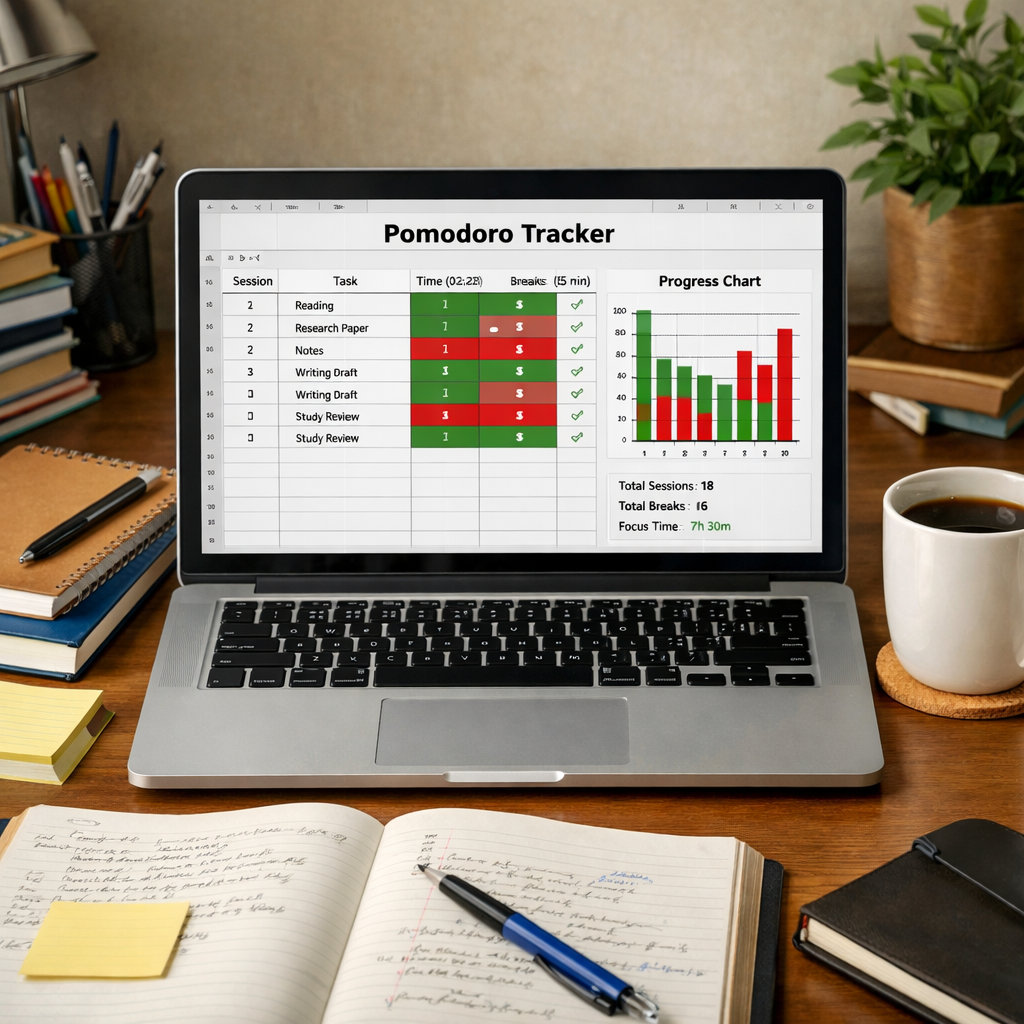
The Pomodoro Technique, a time management method from the late 1980s, has really taken off again, especially with all the digital tools we have now. It’s pretty simple: you work in focused bursts, then take short breaks. Think of it as working in sprints. Our timer’s pause and resume feature fits right into this, letting you adjust your work sessions if something unexpected pops up or your priorities shift.
Adapting Pomodoro To Personal Work Rhythms
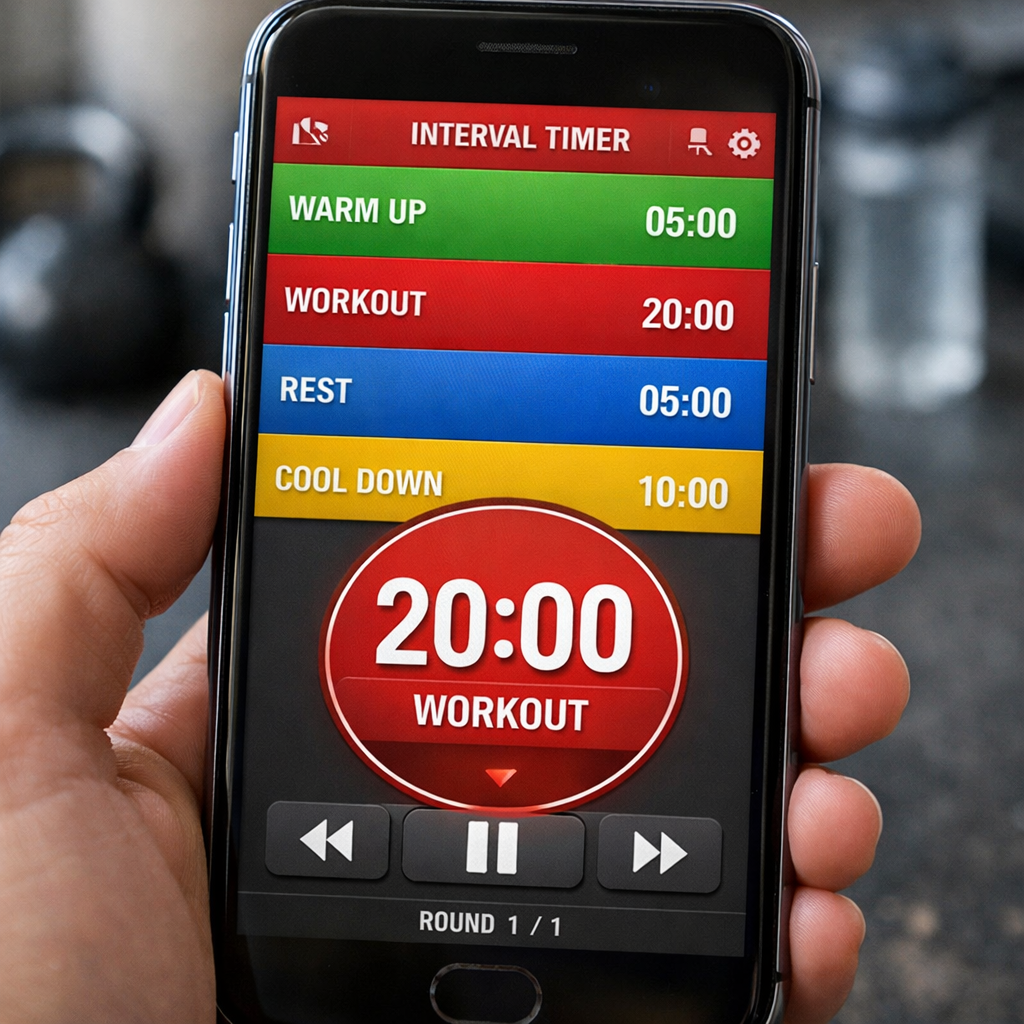
This isn’t a one-size-fits-all thing. The beauty of modern timers is that you can tweak the work and break times to match how you actually work. Maybe the classic 25-minute work, 5-minute break cycle feels right. Or perhaps you find that longer work periods, like 52 minutes followed by a 17-minute break, actually help you get into a better flow. You can set these intervals precisely, down to the second, to fit your personal energy levels and focus patterns.
Customizing Intervals For Optimal Flow
It’s all about finding that sweet spot where you’re focused but not burning out. Some people do better with shorter, more frequent work intervals, while others can maintain concentration for longer stretches. Experimenting is key. You might find that certain types of tasks benefit from different interval lengths. For instance, deep analytical work might need longer, uninterrupted blocks, whereas creative brainstorming could thrive on shorter, more dynamic cycles.
The Role Of Pause And Resume Functionality
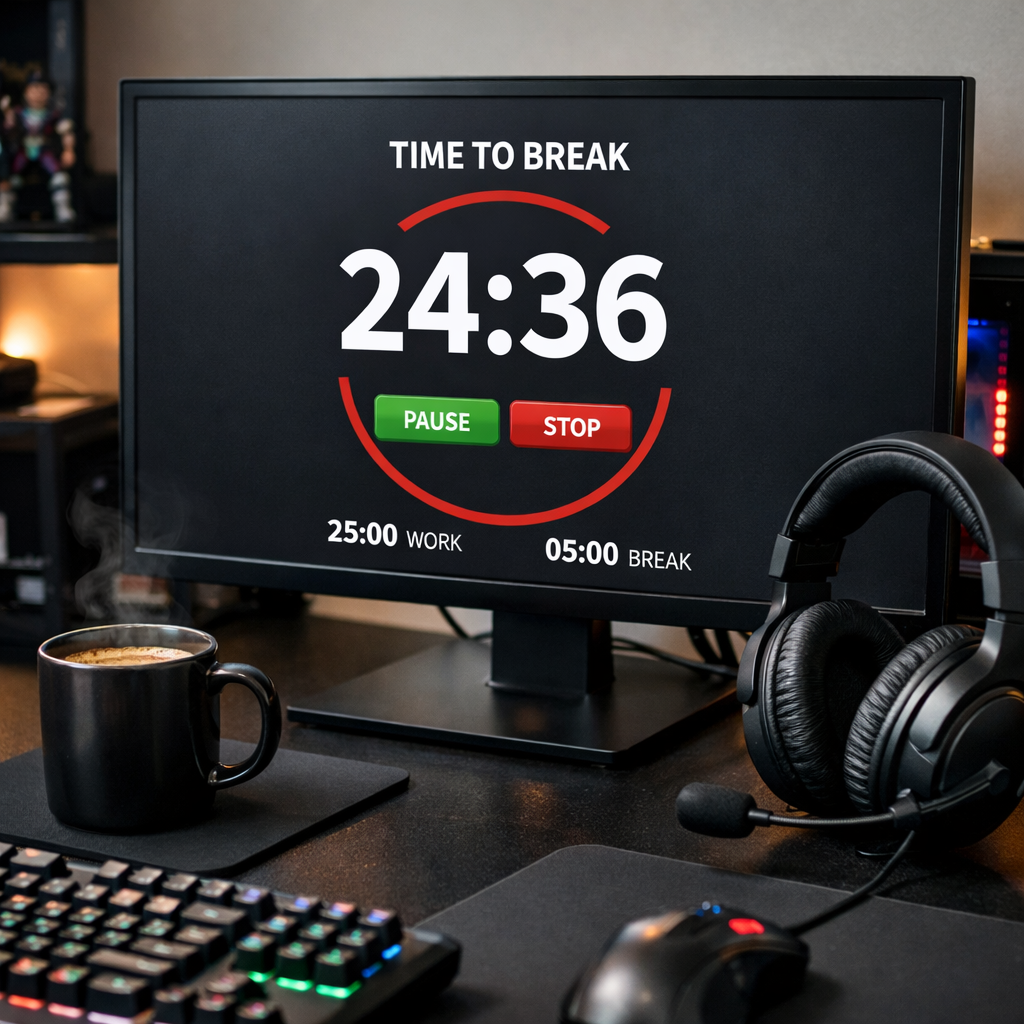
Life happens, right? You’re in the zone, and then the phone rings, or a colleague needs a quick answer. This is where the pause and resume buttons become your best friend. Instead of breaking your entire work cycle, you can just hit pause, deal with the interruption, and then jump right back in where you left off. It helps maintain your momentum and prevents that feeling of having to start all over again.
The ability to stop and restart your work intervals without losing your place is a game-changer for maintaining focus and reducing the mental overhead of interruptions. It allows for a more fluid and less rigid approach to time management.
Here’s a quick look at how you might structure your work intervals:
- Short Bursts: 25 minutes work, 5 minutes break (Classic Pomodoro)
- Moderate Flow: 45 minutes work, 10-15 minutes break
- Deep Work: 60-90 minutes work, 15-20 minutes break
Remember, the goal is to find what keeps you productive and prevents fatigue. Don’t be afraid to adjust these based on how you feel and the task at hand.
Implementing Smart Interval Adaptation Strategies
So, you’ve got your timer set up, maybe you’re even trying out the Pomodoro thing. That’s great! But what if the standard intervals just aren’t cutting it? This is where we get smart about how we use our timers. It’s not just about setting a number and forgetting it; it’s about making that number work for you.
Learning From Adaptive Timing Algorithms
Think about how some apps automatically adjust your music playlist based on what you’re listening to. Adaptive timing algorithms do something similar for your work. They look at how you’re performing – when you’re focused, when you’re slacking off a bit – and then tweak the work and break times. While our timer might not have fancy AI built-in, we can still borrow from this idea. We can observe our own patterns. Are you zoning out after 20 minutes? Maybe shorten those work blocks. Feeling super in the zone for 45 minutes? Let it ride a bit longer. It’s about paying attention to your personal energy levels throughout the day.
The key is recognizing personal patterns: when energy dips occur, which tasks benefit from longer focus periods, and how environmental factors affect your concentration.
Manually Optimizing Your Timing Patterns
This is where you become the scientist of your own productivity. You’re the one collecting the data. Start by trying different work and break lengths. Maybe 50 minutes of work and 10 minutes of break feels better than the classic 25 and 5. Or perhaps you need a longer break after a particularly tough task. Don’t be afraid to experiment.
Here’s a way to start thinking about it:
- Morning Focus: Often, our brains are sharpest in the morning. Try longer work intervals here, maybe 60-90 minutes, with shorter, refreshing breaks.
- Afternoon Slump: If you hit a wall after lunch, shorter, more frequent work bursts (like 25-30 minutes) with quick breaks might be the ticket.
- Task Type Matters: Deep, complex work might need longer, uninterrupted blocks. Simpler, repetitive tasks could be handled in shorter bursts.
It’s all about finding what makes you tick. You can even use workflow automation tools to trigger actions based on real-world events, helping your time-based strategies stay relevant. Check out workflow automation.
Tracking Weekly Performance For Insights
Okay, so you’ve been experimenting. Now what? You gotta look at the results. Keep a simple log – a notebook, a spreadsheet, whatever works. Note down the intervals you tried, how you felt during those sessions, and how much you actually got done.
Here’s a sample of what you might track:
| Day | Work Interval | Break Interval | Feeling (1-5) | Tasks Completed | Notes |
|---|---|---|---|---|---|
| Monday | 45 min | 10 min | 4 | 3 | Felt good, but could have done more |
| Tuesday | 30 min | 5 min | 3 | 4 | Felt rushed, easily distracted |
| Wednesday | 60 min | 15 min | 5 | 2 | Deep focus, but tired by end |
Looking at this data over a week or two will really show you what’s working. You might see that 45-minute blocks with 10-minute breaks are your sweet spot, or maybe you need longer breaks than you thought. This kind of tracking helps you move from guessing to knowing what truly boosts your productivity.
Measuring Productivity Gains With Quantitative Metrics
So, how do you actually know if using a break timer is making a difference? It’s not just about feeling busier; it’s about seeing real, measurable improvements. We need to look at the numbers. Think of it like tracking your steps with a fitness band – you see the data, and that helps you adjust your routine.
Key Performance Indicators For Timer Use
When we talk about measuring productivity with timers, we’re looking at specific data points. These aren’t just random guesses; they’re concrete indicators that show how well your timing strategy is working. It’s about getting a clear picture of your output and focus.
- Task Completion Rate: This is pretty straightforward. How many tasks are you actually finishing within your work periods? Studies show that using structured timing can boost this significantly. For instance, some reports indicate an average increase of around 32% in completed tasks per session.
- Session Adherence: Are you sticking to your planned work and break intervals? High adherence means you’re respecting the timer’s cues and not cutting sessions short or letting breaks run too long. A rate of 89% or higher is a good sign you’re on the right track.
- Focus Score Improvement: This metric looks at how much time you spend truly focused versus getting sidetracked. By reducing task-switching and distractions during timed sessions, you can see a noticeable improvement, sometimes as much as 47%.
Analyzing Session Quality And Adherence
It’s not just about how many tasks you finish, but how well you do them. Session quality is about the depth of your focus and the effectiveness of your breaks. Adherence, as mentioned, is about sticking to the plan.
The real win with timers isn’t just about tracking time; it’s about how they systematically make it easier to start and keep working. They lower the mental hurdle, making productive behavior feel more accessible.
Here’s a look at what a typical performance dashboard might show:
| Metric | Target/Average | Notes |
|---|---|---|
| Weekly Focus Hours | 28.5 / 35h | Actual hours spent in focused work vs. planned target. |
| Average Session Length | 42 minutes | Typical duration of a focused work interval. |
| Break Compliance Rate | 91% | Percentage of scheduled breaks taken and kept within their duration. |
| Interruption Recovery Time | 8.2 minutes | Average time to regain focus after an interruption (aim for lower). |
Industry Benchmarks For Timer Implementation
Knowing how you stack up against others can be motivating. While exact numbers vary by industry and role, there are general trends. Companies that start using structured timing protocols often see project completion rates jump by 23-31% within the first few months. Long-term, consistent use over several months shows the most significant gains, as your brain gets better at sustained attention. It’s a marathon, not a sprint, but the data shows the effort pays off.
Structuring Your Day With A Break Timer Schedule
So, you’ve got your timer, you’re ready to get stuff done. But how do you actually fit it into your day without it feeling like another chore? It’s all about building a schedule that works with your natural energy levels, not against them. Think of it like planning a road trip – you need to know where you’re going, how long each leg will take, and when you’ll stop for gas.
Allocating Time Blocks For Task Categories
This is where you get specific. Instead of just a vague to-do list, you’re assigning actual time slots to different kinds of work. It helps prevent one type of task from taking over your entire day. For example, you might block out your mornings for deep, focused work where your brain is usually freshest. Then, maybe an hour after lunch for emails and calls, and the late afternoon for wrapping things up or planning for tomorrow.
Here’s a rough idea of how you might break it down:
- Deep Work: Tasks requiring high concentration, like writing, coding, or complex problem-solving.
- Shallow Work: Things like checking emails, responding to messages, or quick administrative tasks.
- Meetings & Collaboration: Scheduled calls or team discussions.
- Breaks & Recharge: Actual downtime, not just switching to social media.
Creating Clear Transitions Between Activities
This is a big one. The timer isn’t just about the work period; it’s also about signaling the end of one thing and the start of another. When your timer goes off for a break, take the break. When it signals the end of your email block, stop checking emails and move to your next scheduled task. This creates a rhythm. It helps your brain switch gears more easily, reducing that feeling of being constantly pulled in different directions.
The consistent use of timers to mark the end of one activity and the beginning of another helps train your brain to disengage from the previous task and prepare for the next. This structured approach minimizes mental friction and boosts overall efficiency.
Utilizing Visual Progress For Pacing
Many timers show you how much time is left, maybe with a shrinking bar or a countdown. This visual cue is surprisingly effective. It keeps you aware of your progress without you having to constantly check the clock. If you see you have 10 minutes left in a work block, you know whether to push through a final thought or start winding down. It helps you pace yourself so you’re not rushing at the last second or finishing way too early and getting distracted. This awareness prevents both burnout and boredom.
| Task Type | Scheduled Time | Example Duration | Notes |
|---|---|---|---|
| Deep Work | Morning | 90 minutes | Minimize distractions, close tabs |
| Communication | Mid-day | 60 minutes | Batch emails, calls, and messages |
| Project Work | Afternoon | 75 minutes | Focused task completion |
| Planning/Review | End of Day | 30 minutes | Prepare for tomorrow, review today |
| Short Breaks | Every 60-90 min | 5-10 minutes | Stand up, stretch, grab water |
| Longer Break | Lunch | 45-60 minutes | Step away from your workspace completely |
Behavioral Psychology Behind Timer Effectiveness
It’s not just about watching the clock tick down; there’s some pretty interesting psychology at play that makes timers so effective for getting stuff done. Think about it: when you know you’ve only got a set amount of time for a task, your brain kind of snaps into focus. It’s like a little nudge, telling you to get moving.
Creating Cognitive Boundaries For Focus
Timers help us build mental walls around our work periods. When a timer is running, it signals that this specific block of time is dedicated to a particular task. This creates a clear boundary, separating focused work from distractions. It’s a lot easier to resist checking your phone or getting sidetracked when you know you have a defined endpoint for your current activity. This structured approach helps prevent what researchers call "attention residue," where thoughts about unfinished tasks linger and mess with your concentration on the current one. This structured timing helps the brain maintain sustained attention by creating a clear start and end point for focused effort.
The Power Of Temporal Triggers And Urgency
Timers act as powerful triggers. The visual countdown or the sound of the alarm serves as a cue, prompting you to start, stay on task, or take a break. This is especially true when it comes to starting tasks. Often, the hardest part is just beginning. A timer can lower the barrier to entry, making it feel more manageable. Plus, the ticking clock introduces a sense of urgency, which can be a great motivator. It nudges us to work more efficiently without feeling overly stressed. It’s a delicate balance, but when it works, it really works.
Accelerating Habit Formation With Timing Cues
Using timers can seriously speed up the process of turning new behaviors into habits. When you consistently use a timer for a specific activity, like a 25-minute work sprint followed by a 5-minute break, you’re creating a predictable pattern. Your brain starts to associate the timer’s signal with the action. Studies suggest that this kind of structured timing can help habits form much faster than just trying to remember to do something on your own. It takes the guesswork out of it, making it easier to stick with your new productive routines. For example, you might find yourself naturally reaching for your work materials when the timer starts, or getting up for a stretch when it signals break time. This consistency is key to building lasting productive routines.
The effectiveness of timers isn’t just about the time itself, but how they systematically reduce the mental effort needed to start and keep going with productive activities. They provide a clear structure that our brains can easily follow.
Overcoming Common Break Timer Challenges
Even the best productivity tools can hit a snag. Sometimes, using a break timer starts to feel like a chore, or the alerts just blend into the background noise of your day. It’s totally normal to run into these issues, but thankfully, there are ways to get back on track.
Solutions For Timer Fatigue And Habituation
It’s easy to get used to the same old beeps and buzzes, making them easy to ignore. This is what we call habituation, and it really kills the timer’s effectiveness. To fight this, try switching up your notification sounds every week or so. You could even try using different sounds for different types of breaks or work sessions. Another trick is to vary your work intervals. If you always do 25 minutes, try throwing in some 45 or even 90-minute blocks sometimes. This keeps your brain on its toes. Also, don’t be afraid to have some "timer-free" periods where you just work on whatever feels right, without the pressure of a clock. This can help prevent burnout.
Optimizing Your Environment For Timer Use
Your surroundings play a big role in how well a timer works for you. If you’re constantly craning your neck to see the timer, that’s not great for focus or comfort. Try to position your timer display at eye level. If you’re working late, using a blue light filter on your screen can help reduce eye strain. And, of course, the volume of your alerts needs to make sense for where you are. You don’t want a loud alarm in a quiet office, or a silent notification when there’s a lot of background noise. Adjusting the volume based on your environment is key. It’s also helpful to create a bit of visual space around your timer display, so it doesn’t feel like just another cluttered part of your screen.
Adapting Alerts To Ambient Noise Levels
This one’s pretty straightforward but often overlooked. If you’re in a noisy coffee shop, a quiet chime won’t cut it. You’ll need a louder, more distinct alert. Conversely, if you’re in a library or a quiet home office, a jarring alarm can be more disruptive than helpful. Some timer apps let you adjust alert volume independently of your system volume, which is super handy. You might even consider using visual-only alerts during times when sound would be disruptive, like during a video call or a quiet study session. The goal is to make sure the alert gets your attention without causing unnecessary disruption.
The effectiveness of a timer isn’t just about setting it; it’s about making sure it actually communicates with you in a way that works for your specific situation and environment. Small adjustments can make a big difference in staying on track without getting annoyed.
Future Trends In Break Timer Technology
So, what’s next for these handy little productivity tools? It’s pretty exciting stuff, honestly. We’re moving beyond just simple countdowns into something much smarter.
Intelligent Adaptation And AI Integration
Think of timers that actually learn from you. AI is starting to peek into this space, analyzing how you work and when you’re most focused. The idea is that your timer could eventually suggest optimal work and break times based on your personal patterns, not just a generic 25-minute block. This kind of adaptive timing could make a huge difference in staying in the zone. It’s all about making the timer work for you, not just at you.
Seamless Cross-Device Synchronization
This is a big one for anyone juggling multiple devices. Imagine starting a focus session on your phone while commuting, and then picking up right where you left off on your laptop when you get to the office. New browser tech is making this kind of smooth transition possible. No more fumbling to reset timers or losing your place. It’s about making your productivity flow across your entire digital life without a hitch.
Mental Wellness Integration In Timing Tools
This is a newer area, but it’s gaining traction. Some researchers are looking into how timers can actively support mental well-being. This could mean things like gentle prompts for deep breathing exercises during breaks, or even timers that subtly adjust based on indicators of stress. It’s a bit experimental right now, but the goal is to make productivity tools that don’t just push you to work harder, but also help you stay balanced and avoid burnout. It’s a shift towards a more holistic approach to managing your time and energy.
Wrapping Up: Your Time, Your Rules
So, we’ve gone through a lot about using timers to get more done. It’s not just about watching a clock tick down; it’s about training your brain to focus better and making sure you actually take those much-needed breaks. Remember, the best timer strategy is the one that works for you. Whether you’re sticking to the classic Pomodoro or finding your own rhythm with longer work blocks, the key is consistency. Start small, experiment, and don’t be afraid to adjust as you go. By making timers a regular part of your routine, you’re not just managing time, you’re taking control of your productivity and making your workday work better for you.
Frequently Asked Questions
Why is using a timer helpful for focusing?
When you know time is ticking, your brain naturally pays more attention. It’s like a gentle nudge that helps you stay on track with your task and avoid getting sidetracked by other thoughts or distractions. This focused attention helps you get more done in less time.
What is the Pomodoro Technique, and how does it work with timers?
The Pomodoro Technique is a popular method where you work in short bursts, usually 25 minutes, followed by a quick break. A timer is perfect for this because it keeps track of your work time and signals when it’s time to rest and recharge your brain before the next work session.
Can I change the timer lengths to fit my own work style?
Absolutely! Not everyone works best with the same time intervals. You can adjust the work and break times on most modern timers. This lets you experiment to find the perfect rhythm that keeps you focused and productive, whether that’s longer work periods or shorter, more frequent breaks.
How do timers help build good work habits?
Timers act as cues that tell your brain when to start working and when to take a break. By using a timer consistently, you train your brain to associate those timed periods with focused work. This makes it easier to get into a productive flow and build lasting habits over time.
What should I do if I start feeling tired of using a timer?
It’s normal to feel a bit bored with anything you do often! To avoid ‘timer fatigue,’ try switching up your notification sounds, changing how long your work sessions are, or sometimes taking breaks without a timer. Mixing things up keeps the timer feeling fresh and effective.
How can I tell if using a timer is actually making me more productive?
You can track a few things to see the difference. Look at how many tasks you complete, how often you stick to your planned work sessions, and if you find yourself getting distracted less. Seeing these numbers improve over time shows that your timer strategy is working well for you.