
Feeling like you’re always busy but not really getting things done? Yeah, I get that. It’s like you’re running on a hamster wheel, right? You switch between emails, chats, and that one document, but nothing really moves forward. It’s super frustrating. Well, there’s this thing called the Pomodoro Timer Technique that might just help. It’s a simple way to break up your work into chunks, giving you focused time and planned breaks. Let’s see how this pomodoro timer can change your workday.
Key Takeaways
- The Pomodoro Timer Technique uses timed work intervals (traditionally 25 minutes) followed by short breaks (5 minutes) to help you focus.
- After four work intervals, you take a longer break (15-30 minutes) to fully recharge.
- Choosing the right pomodoro timer, whether it’s an app, a kitchen timer, or a web-based tool, is the first step to getting started.
- Managing distractions during your focus periods is key; jot down interruptions to address later.
- The pomodoro timer isn’t just about the timer itself; it’s a system that can help build momentum, reduce procrastination, and prevent burnout.
Understanding the Pomodoro Timer Technique
So, you’ve heard about this Pomodoro thing and are wondering what’s the big deal? It’s actually a pretty straightforward approach to getting stuff done, and it all starts with understanding the basics. Forget fancy apps for a second; the core idea is super simple.
What Is the Pomodoro Technique?
At its heart, the Pomodoro Technique is a way to manage your time by breaking your work into focused intervals. The idea is to work intensely for a short period and then take a deliberate break. It’s not about working non-stop until you’re wiped out. Instead, it’s about creating a rhythm that helps you stay sharp and avoid that feeling of being completely overwhelmed by a huge task. It’s a method that helps you tackle your to-do list one chunk at a time.
The Origin of the Tomato Timer
This whole thing got started back in the late 1980s with a guy named Francesco Cirillo. He was a student, and like a lot of us, he had trouble concentrating on his studies. He needed a way to stay focused without getting totally sidetracked. So, he grabbed a kitchen timer – you know, the kind shaped like a tomato – and started using it to time his study sessions. "Pomodoro" is Italian for tomato, and that’s where the name comes from. He found that working in these short, timed bursts made a huge difference. It’s a simple tool, but it was the start of a whole system for better time management.
Core Principles of the Pomodoro Timer
The technique is built on a few key ideas that make it work:
- Work Intervals: You dedicate a set amount of time, traditionally 25 minutes, to a single task. During this time, you focus only on that task and try to block out distractions. It’s about giving your full attention to one thing.
- Short Breaks: Once the timer goes off, you take a short break, usually about 5 minutes. This isn’t just a suggestion; it’s a vital part of the process. Use this time to step away, stretch, grab some water, or just rest your eyes. It’s a mini-reset for your brain.
- Longer Breaks: After completing a set number of these work intervals (typically four), you take a longer break, usually 15 to 30 minutes. This longer pause is for more substantial recovery, allowing you to truly recharge before diving back in.
- Task Management: Before you start, you decide what task you’ll work on. If a task is too big, you break it down into smaller, manageable chunks that can fit into one or more Pomodoro sessions. This makes big projects feel less daunting.
The beauty of the Pomodoro Technique lies in its simplicity and its focus on creating a sustainable work rhythm. It’s not about rigid rules, but about finding a pattern that helps you work smarter, not just harder, by respecting your brain’s natural need for focus and rest.
Here’s a quick look at the typical structure:
| Work Interval | Duration | Break | Duration |
|---|---|---|---|
| Pomodoro 1 | 25 mins | Break 1 | 5 mins |
| Pomodoro 2 | 25 mins | Break 2 | 5 mins |
| Pomodoro 3 | 25 mins | Break 3 | 5 mins |
| Pomodoro 4 | 25 mins | Break 4 | 15-30 mins |
This structured approach helps you build momentum and makes it easier to get started on tasks that might otherwise feel overwhelming.
Implementing the Pomodoro Timer for Success
So, you’ve heard about the Pomodoro Technique and you’re ready to give it a shot. That’s awesome! Getting started is actually pretty straightforward, and you don’t need fancy gadgets to do it. The core idea is to break your work into focused chunks, separated by short breaks. This rhythm helps you stay on track without feeling completely drained.
Choosing Your Pomodoro Timer
First things first, you need a timer. Don’t overthink this part. You can use:
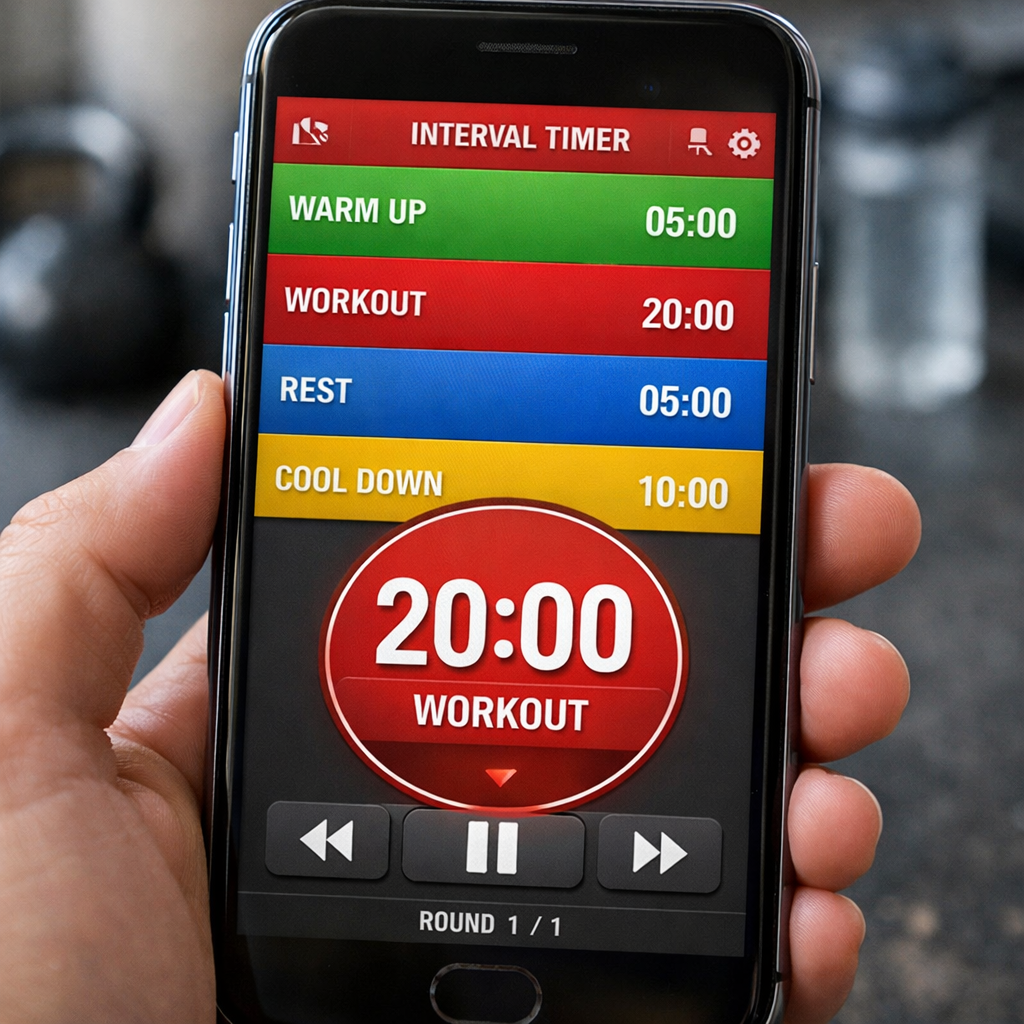
- Your phone: Most smartphones have a built-in timer or clock app. Just set it and go.
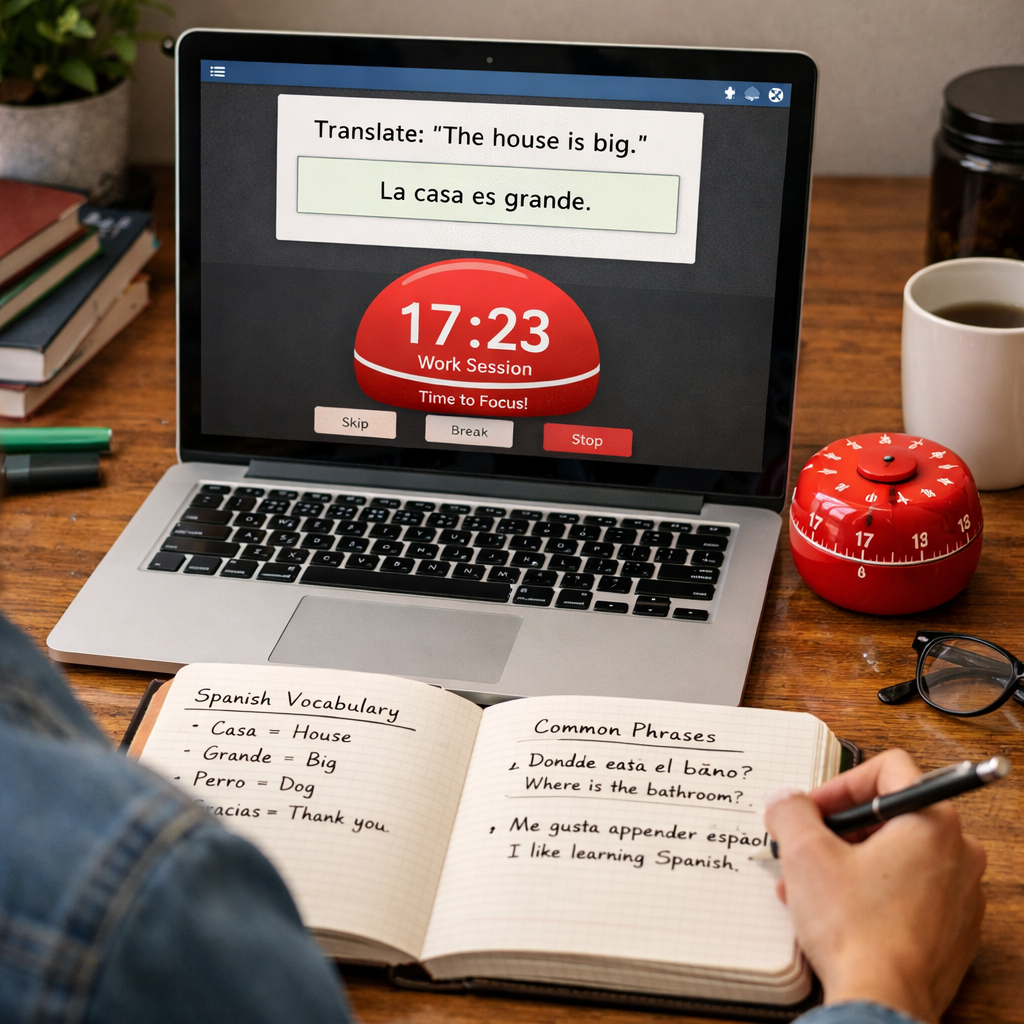
- A kitchen timer: Remember those tomato-shaped ones? They work perfectly and add a bit of retro charm.
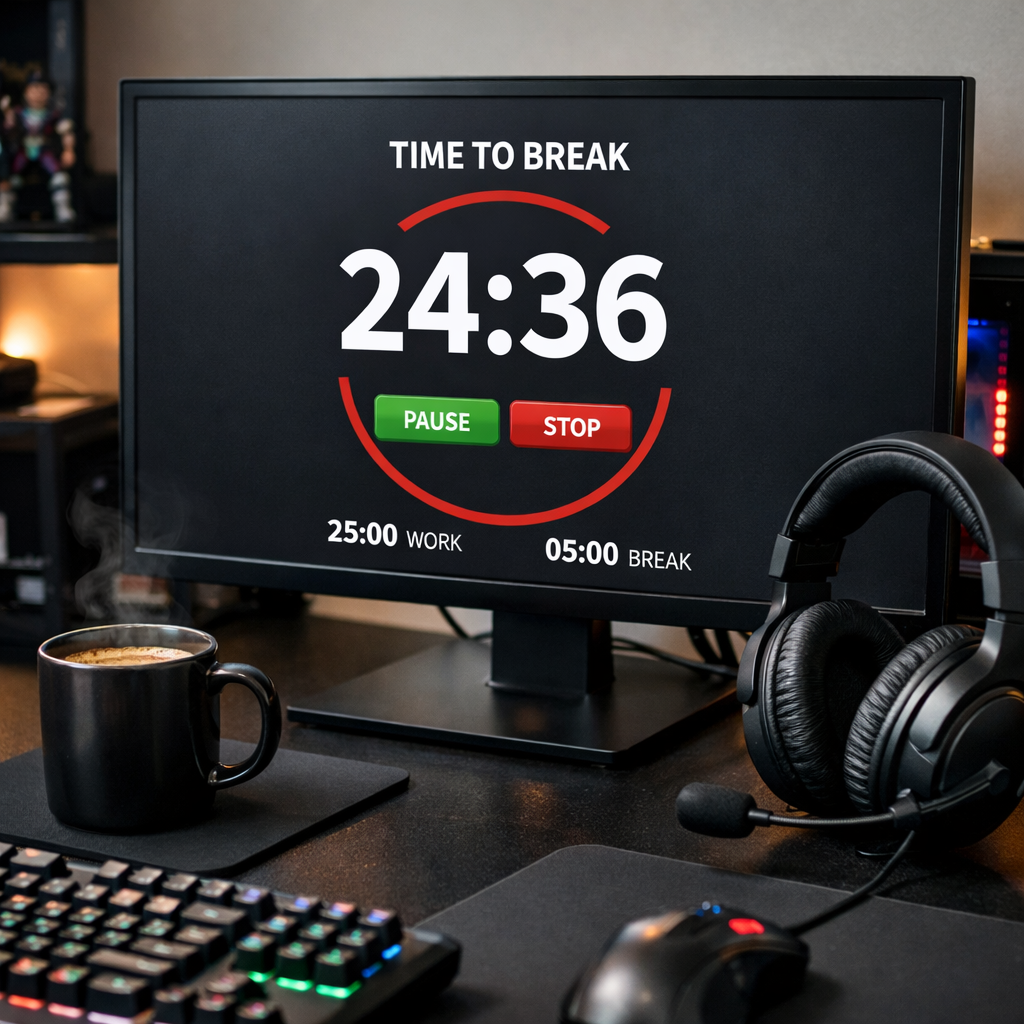
- Online timers: There are tons of free Pomodoro timers available online that you can use right in your browser. Some even have nice ambient sounds to help you focus.
- Desktop apps: If you prefer something that lives on your computer, there are apps for that too, which can sometimes integrate with your workflow.
The best timer is the one you’ll actually use. Don’t get bogged down in finding the ‘perfect’ one. Just pick something simple and start.
Setting Up Your First Pomodoro Session
Ready to dive in? Here’s how to set up your very first work session:
- Pick a task: Choose one specific thing you want to work on. It could be writing an email, coding a feature, or even reading a chapter for class. If the task feels too big, that’s fine. Just aim to make some progress on it during this session.
- Set the timer: Traditionally, a Pomodoro is 25 minutes. So, set your chosen timer for 25 minutes. This is your focus interval.
- Work on the task: When the timer starts, focus only on that one task. Try to resist the urge to check emails, social media, or do anything else.
- Take a short break: When the timer rings, stop working immediately. Step away from your task for a 5-minute break. Get up, stretch, grab some water, or just look out the window. This is your recovery time.
This cycle of focused work followed by a short break is the heart of the Pomodoro Technique. It’s designed to keep your mind fresh and prevent that feeling of being overwhelmed.
Managing Distractions During Focus Intervals
Distractions are pretty much inevitable, right? The key isn’t to eliminate them entirely, but to manage them so they don’t derail your focus.
- Internal distractions: If a thought pops into your head (like remembering you need to buy milk), quickly jot it down on a piece of paper or in a note-taking app. Then, let it go and return to your task. You’ll deal with it later.
- External distractions: If someone interrupts you, politely let them know you’re in a focused work session and will get back to them shortly. If it’s a notification on your phone or computer, turn it off or put your device on silent.
If a distraction is truly urgent and can’t wait, pause your Pomodoro, deal with it, and then decide whether to restart the Pomodoro or abandon it and start a new one later. The goal is to be flexible but also to protect your focused time as much as possible.
Maximizing Productivity with Pomodoro Timer Breaks
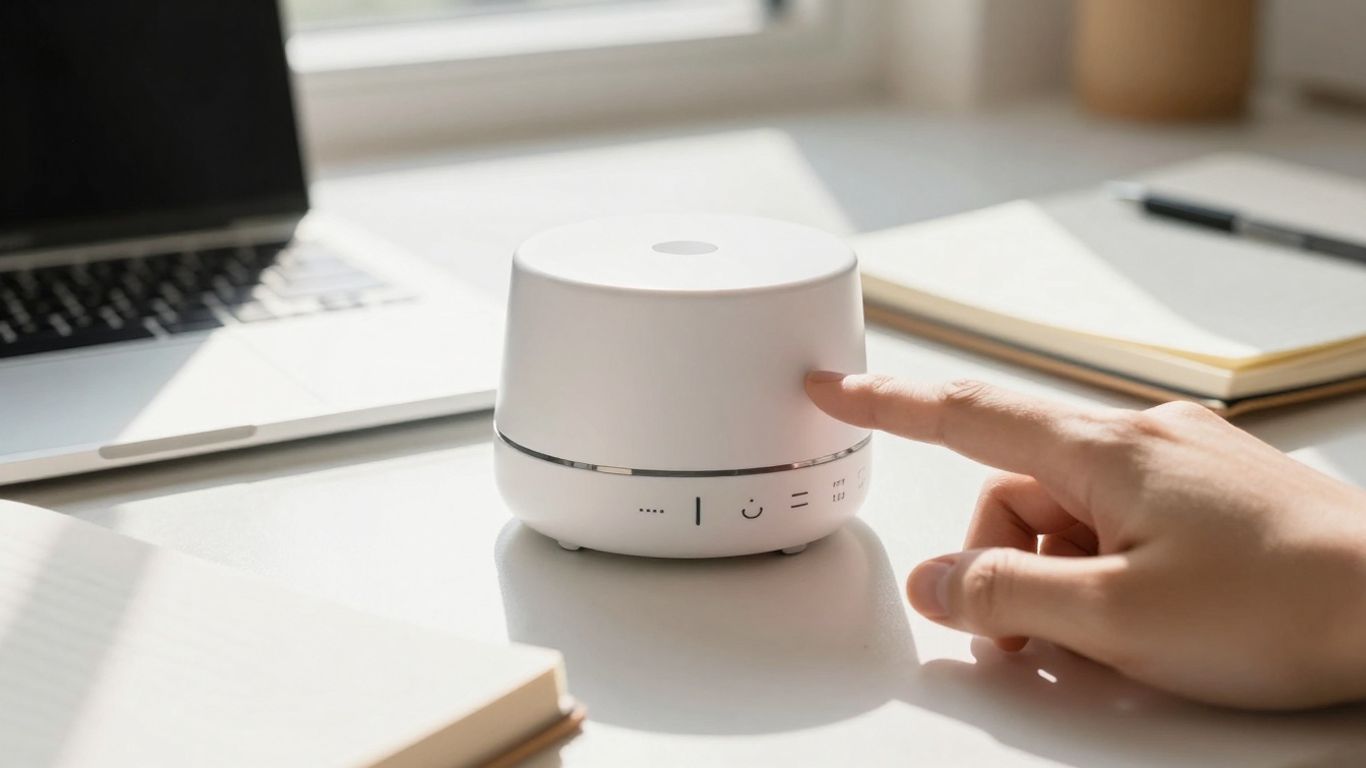
So, you’ve got your timer set, you’re deep in focus, and then… beep beep beep. It’s break time! Don’t just scroll through social media or stare blankly at the wall. These short pauses are actually super important for keeping your brain sharp and preventing that dreaded burnout. Think of them as strategic pit stops in your workday.
The Importance of Short Breaks
Those 5-minute breaks after each Pomodoro session aren’t just a suggestion; they’re a vital part of the system. Your brain can only handle intense focus for so long before it starts to fizzle. A quick break gives it a chance to reset, process what you’ve been working on, and come back ready for the next sprint. It’s like giving your mental muscles a moment to recover.
- Reduces mental fatigue: Prevents your brain from getting overloaded.
- Improves concentration: Helps you return to your task with renewed focus.
- Boosts creativity: Stepping away can often lead to new ideas.
These short respites are designed to be just long enough to offer a mental reset without letting your mind wander too far off track. The goal is to return to your work feeling refreshed, not completely disengaged.
Leveraging Longer Breaks for Recovery
After about four Pomodoro sessions, you get a longer break, usually 15-30 minutes. This isn’t just a slightly longer version of the short break; it’s for more substantial recovery. Use this time to really step away from your work. Maybe grab a snack, do some light stretching, or just sit quietly for a bit. This longer pause is key to sustaining your productivity throughout the day and avoiding that feeling of being completely drained by the afternoon. It’s about recharging your batteries properly.
Activities to Enhance Your Pomodoro Breaks
What you do during your breaks can make a big difference. Here are some ideas to make the most of your downtime:
- Move your body: Stand up, walk around, do some quick stretches. Getting your blood flowing can wake you up.
- Hydrate and refuel: Grab a glass of water or a healthy snack. Avoid sugary things that can lead to a crash later.
- Mindful moments: Try a few deep breaths, a short meditation, or simply look out the window and let your mind wander freely for a minute or two. This helps you disconnect from the task at hand.
- Quick tidy-up: A very brief tidy of your immediate workspace can create a sense of accomplishment and prepare you for the next work interval. Just don’t get lost in it!
Remember, the Pomodoro Technique is a flexible tool, and your breaks are a part of that flexibility. Experiment with what works best for you to keep your energy and focus high. You can find more about the core principles of the Pomodoro Timer on its official site.
Benefits of Using a Pomodoro Timer
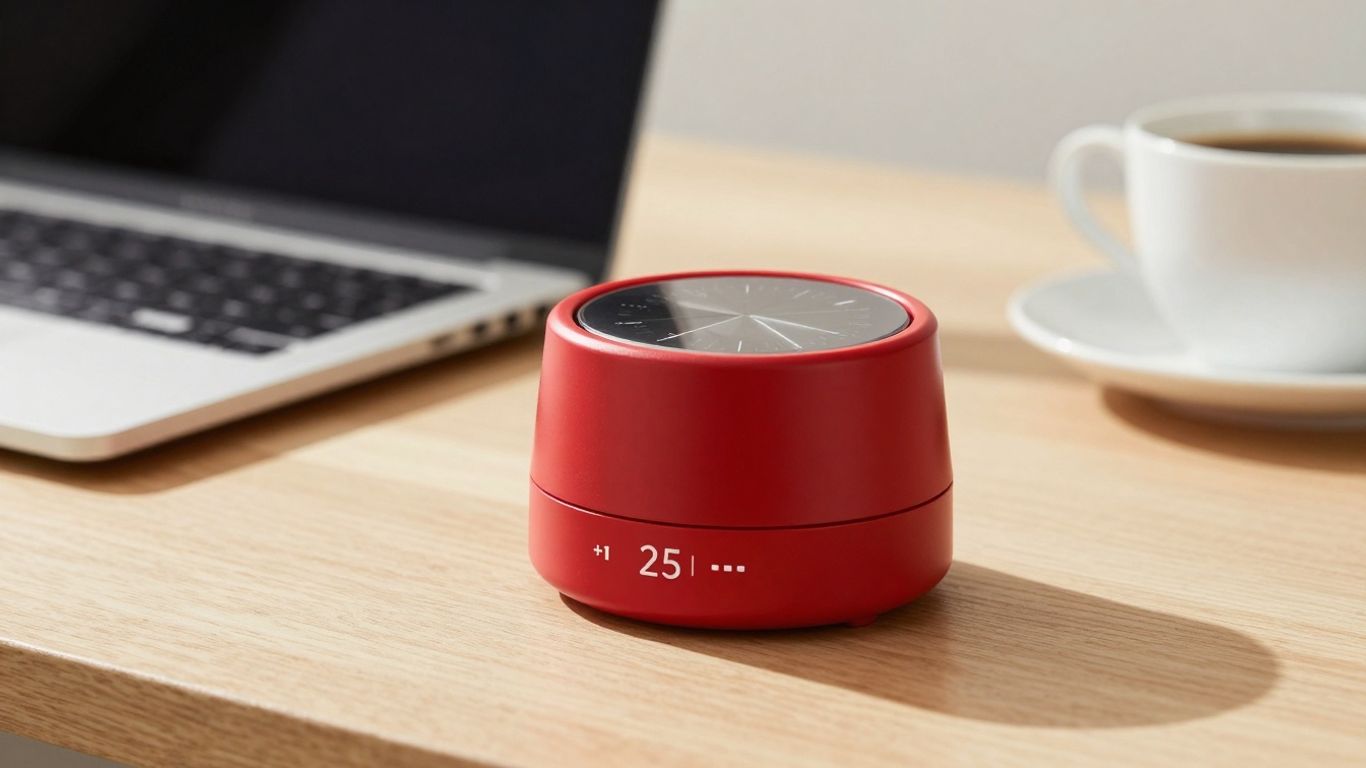
So, you’ve heard about this Pomodoro thing, right? It’s not just some fancy new app; it’s a way to actually get stuff done without feeling like you’re losing your mind. Honestly, I was skeptical at first, thinking, ‘How can a timer help me focus?’ But it really does. It’s like giving your brain a clear signal: ‘Okay, time to work,’ and then, ‘Alright, time to chill for a bit.’
Enhanced Focus and Concentration
This is the big one, obviously. When you set that timer for, say, 25 minutes, you’re telling yourself, ‘For this short burst, I’m only doing this one thing.’ It’s way easier to ignore that buzzing phone or the urge to check social media when you know a break is just around the corner. It’s like having a finish line in sight, which makes starting tasks less daunting. You’re not staring down an endless workday; you’re just tackling the next 25 minutes.
Improved Time Awareness and Planning
This is where it gets interesting. You start to see how long things actually take. That report you thought would take an hour? Maybe it takes two Pomodoros. Or that quick email? It might only take half a Pomodoro. This isn’t about being perfect; it’s about getting a feel for your own workflow. Over time, you get better at estimating how long tasks will take, which is a game-changer for planning your day or week. It stops you from overcommitting.
Here’s a rough idea of how tasks might break down:
| Task Type | Estimated Pomodoros | Actual Pomodoros | Notes |
|---|---|---|---|
| Writing a blog post | 3 | 4 | Needed extra research time |
| Replying to emails | 1 | 1.5 | Several urgent requests came in |
| Planning next week | 2 | 2 | Smooth sailing |
Building Momentum and Reducing Procrastination
Procrastination is a beast, right? We all know it. The Pomodoro technique is like a secret weapon against it. Because each work interval is short, it feels much more manageable to just start. You don’t have to commit to hours of work; you just commit to 25 minutes. Once you get going, that momentum often carries you through. Seeing those completed Pomodoros stack up is also super satisfying and encourages you to keep going.
The trick is to treat each Pomodoro as a mini-project. You have a clear start, a clear end, and a specific goal for that short period. This makes it much harder to get sidetracked or to convince yourself to do something else instead.
Preventing Burnout with Scheduled Rest
This is probably my favorite part. The built-in breaks are non-negotiable. They’re not a reward for finishing; they’re part of the process. These short pauses, and the longer ones after a few Pomodoros, give your brain a chance to rest and reset. It stops you from hitting that wall where you’re just staring blankly at your screen, completely drained. It’s about working smarter, not just harder, and making sure you have the energy to keep going day after day.
Adapting the Pomodoro Timer to Your Needs
The standard 25-minute work interval and 5-minute break is a great starting point, but it’s not a one-size-fits-all solution. Think of it as a guideline, not a rigid rule. Your personal energy levels, the nature of your tasks, and even your individual brain wiring can all influence what works best for you.
Adjusting Interval Lengths
If you find yourself consistently getting interrupted just as you’re hitting your stride at the 25-minute mark, or if you’re struggling to focus for that long, don’t be afraid to tweak the times. The core idea is the rhythm of focused work followed by a break, not the exact numbers.
Here are a few common adjustments people make:
- Shorter Sprints: Some people, especially those new to focused work or dealing with tasks that require quick bursts of attention, might prefer 15-minute work intervals followed by 3-minute breaks. This can make starting feel less daunting.
- Longer Focus Blocks: If you’re deep into a complex project and 25 minutes feels too short to make meaningful progress, you might try 45-minute or even 50-minute work sessions. Just be sure to pair these with slightly longer breaks (e.g., 10 minutes) to avoid fatigue.
- More Frequent Short Breaks: Instead of four 25-minute sessions before a long break, you might opt for three 20-minute sessions with 5-minute breaks in between. This can be helpful if you find your focus wanes significantly after about 20 minutes.
The key is experimentation. Keep a simple log of what you try and how it feels. You might be surprised at what you discover about your own work patterns.
Pomodoro Timer for Different Work Styles
Not all work is created equal, and neither are work styles. The Pomodoro Technique can be molded to fit various approaches:
- Deep Work: For tasks requiring intense concentration, like writing code, drafting a report, or complex problem-solving, longer intervals (45-50 minutes) might be more effective. The goal is to get into a flow state and stay there.
- Shallow Work/Admin: For tasks like answering emails, scheduling meetings, or data entry, shorter, more frequent intervals (15-20 minutes) can work well. This prevents monotony and keeps you from getting bogged down.
- Creative Tasks: For brainstorming or creative endeavors, you might find a more flexible approach works best. Perhaps 20-minute bursts of focused creative thinking followed by 10-minute breaks to let ideas percolate.
Remember, the timer is a tool to help you manage your attention, not a dictator of your workflow. If a task naturally flows across a timer boundary, that’s okay. The important thing is to be mindful of your time and energy.
Using the Pomodoro Technique with ADHD
Many individuals with ADHD find the structured nature of the Pomodoro Technique incredibly beneficial. The short, defined work periods can make it easier to initiate tasks and combat the feeling of being overwhelmed. The built-in breaks offer a necessary reset, preventing mental fatigue that can exacerbate ADHD symptoms.
However, some find the abrupt transitions jarring. If this is you, consider these adaptations:
- Gentle Transitions: Instead of a loud alarm, use a softer sound or a visual cue. Give yourself a 1-minute warning before the break ends to mentally prepare for the next work interval.
- Task-Based Intervals: If a 25-minute timer feels too rigid for a specific task, try breaking your work into smaller, task-specific chunks. For example, ‘write one paragraph’ or ‘respond to three emails.’
- Movement Breaks: Make your breaks active. Stand up, stretch, walk around the room. This can help manage restlessness and improve focus when you return to your task.
- Self-Compassion: If you get off track, don’t beat yourself up. Acknowledge it, and gently guide yourself back to the timer or the task. The goal is progress, not perfection.
Beyond the Timer: The Full Pomodoro System
So, you’ve got the timer down, right? You’re doing your 25-minute sprints and taking those short breaks. That’s awesome, seriously. But here’s the thing: the timer is really just the starting point. The whole idea behind the Pomodoro Technique is actually a bit bigger than just a ticking clock. It’s about changing how you think about your time, turning it from something that stresses you out into something that actually helps you get stuff done.
Daily Planning with Pomodoro Sheets
Before you even start your first work interval, it’s a good idea to have a plan. This isn’t about mapping out every single minute of your day, but more about figuring out what you want to tackle. You can use simple sheets, like the To-Do Today Sheet, to list out your tasks. Then, you estimate how many Pomodoros (those 25-minute work blocks) each task might take. It sounds a bit like homework, but it really helps you see what’s realistic for the day.
Here’s a basic way to plan:
- List your main tasks for the day.
- Estimate the number of Pomodoros for each task.
- Note any interruptions you anticipate.
- Prioritize your tasks.
Tracking Progress and Estimating Effort
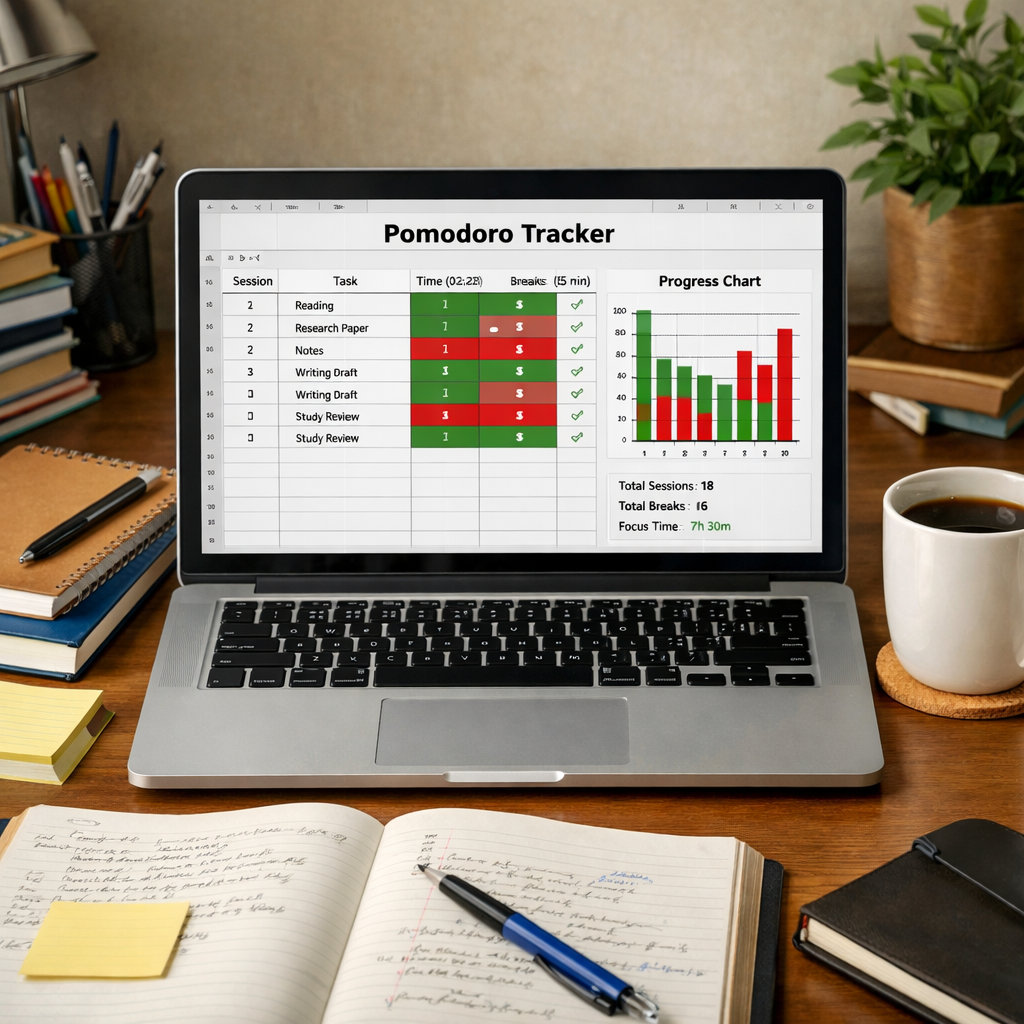
This is where things get interesting. Once you start working, you’re not just blindly following the timer. You’re also paying attention to how long things actually take. Did that report really take three Pomodoros, or was it closer to two? Jotting this down after each session gives you real data. Over time, this helps you get way better at estimating how long future tasks will take. It’s like building up a personal productivity database.
| Task Type | Estimated Pomodoros | Actual Pomodoros | Difference | Notes |
|---|---|---|---|---|
| Email Response | 1 | 1.5 | +0.5 | Got sidetracked by a long reply |
| Project Report | 3 | 3 | 0 | Smooth sailing |
| Client Call Prep | 2 | 1 | -1 | Had all info ready beforehand |
The Mindset Shift for Sustainable Productivity
Ultimately, the Pomodoro Technique is about more than just ticking off tasks. It’s about building a sustainable way to work. By breaking things down into manageable chunks and taking regular breaks, you avoid that feeling of being completely overwhelmed. This consistent rhythm helps prevent burnout and makes productivity feel less like a chore and more like a natural flow. It’s a shift from constantly feeling rushed to having a structured approach that respects your energy levels.
The real magic happens when you start seeing your work intervals not as a restriction, but as an opportunity to focus deeply on one thing. And those breaks? They’re not wasted time; they’re essential for recharging so you can come back even stronger for the next interval.
Wrapping Up
So, that’s the Pomodoro Technique in a nutshell. It’s not some magic bullet, but it’s a pretty solid way to break down your work into manageable chunks. By setting a timer and taking those short breaks, you can actually get more done without feeling completely drained. Give it a shot for a few days, see how it feels, and don’t be afraid to tweak the times to fit your own rhythm. You might be surprised at how much more focused you can be.
Frequently Asked Questions
What exactly is the Pomodoro Technique?
The Pomodoro Technique is a way to manage your time by breaking work into focused chunks. You work hard for a set amount of time, usually 25 minutes, and then take a short break. It’s like using a kitchen timer, which is where the name ‘Pomodoro’ comes from – it means ‘tomato’ in Italian! After a few work periods, you get a longer break.
Why is this technique good for staying focused?
It’s great for focus because it tells your brain exactly how long it needs to concentrate – just 25 minutes! This makes it easier to start tasks and less scary than thinking about working for hours. The short breaks also help keep your brain fresh so you don’t get tired too quickly.
Can I change the timer times?
Absolutely! While 25 minutes of work and 5 minutes of break is the classic way, you can totally switch it up. If you find you focus better for longer, try 40 minutes. If you need more frequent breaks, shorten them. The main idea is the rhythm of working and resting, not sticking to a strict rule.
Does it really help with procrastination?
Yes, it can be a big help! Sometimes, big tasks feel overwhelming, making it hard to even start. The Pomodoro Technique breaks these big tasks into small, manageable steps. Knowing you only have to focus for 25 minutes makes it much easier to just begin.
What should I do during my breaks?
Breaks are super important! During your short 5-minute breaks, get up, stretch, grab some water, or just walk around for a bit. For your longer breaks (15-30 minutes), you could take a short walk outside, listen to music, or do something relaxing that helps you recharge before your next work session.
Is there more to the Pomodoro Technique than just the timer?
Yes, there is! While the timer is the most popular part, the full system includes planning your day, figuring out how long tasks might take, and learning how to handle interruptions without losing your focus. It’s about making time your friend, not something to be stressed about.